Walking is one of the simplest ways to understand a city. Streets reveal scale, neighborhoods change gradually and small details become visible in a way that is easy to miss from a bus or taxi. The bigger question is whether to walk with a guide or explore independently.
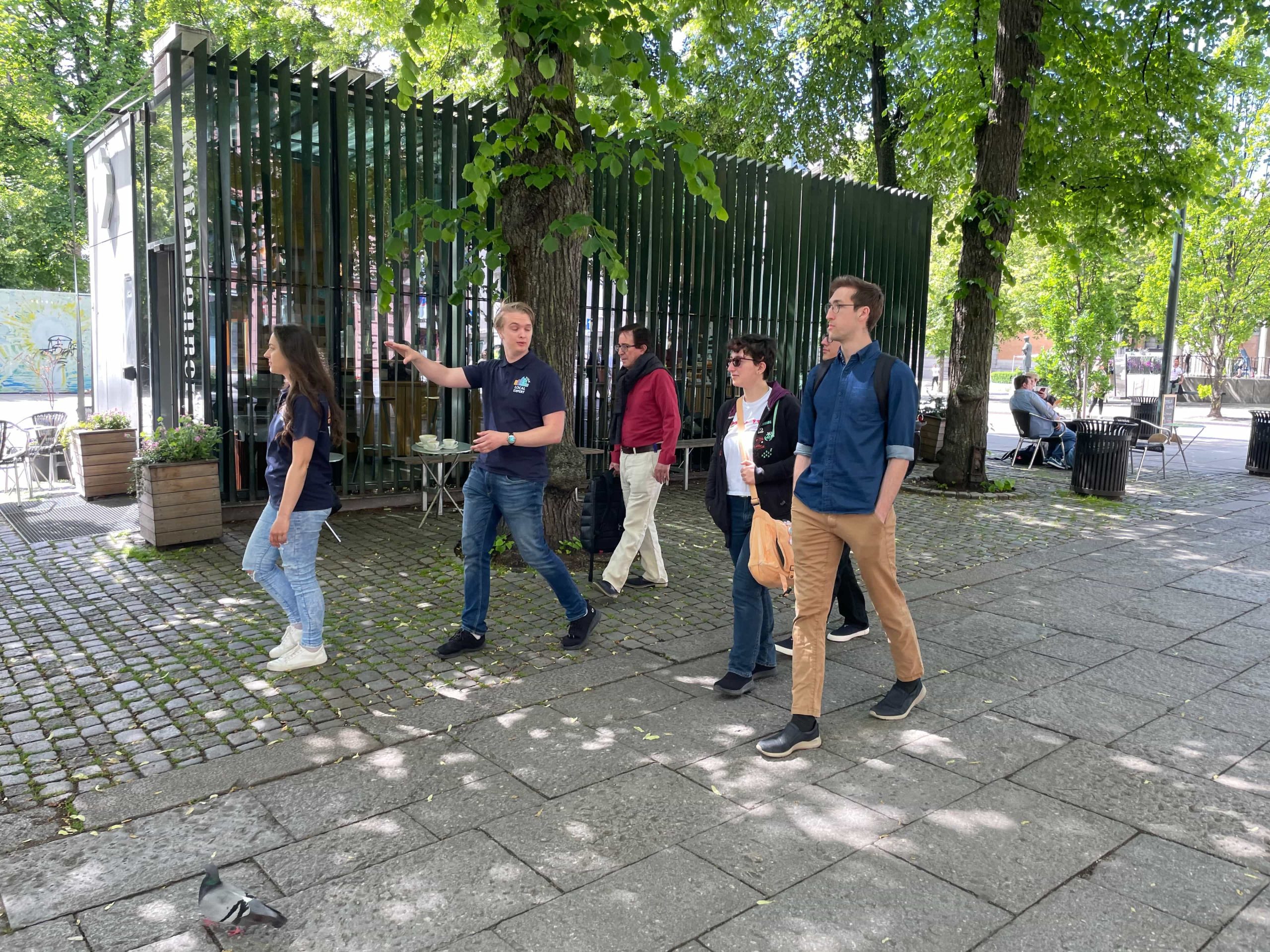
A guided walking tour can turn ordinary buildings into stories, explain local history and help a traveler understand a confusing neighborhood. Self-guided exploration offers freedom to stop for coffee, change direction and stay longer wherever something feels interesting. Neither approach is automatically better.
This guide compares both styles using practical factors such as budget, depth, accessibility, safety, group size and impact on local neighborhoods. The best trip often combines them rather than choosing only one.
What a Good Guided Walking Tour Provides
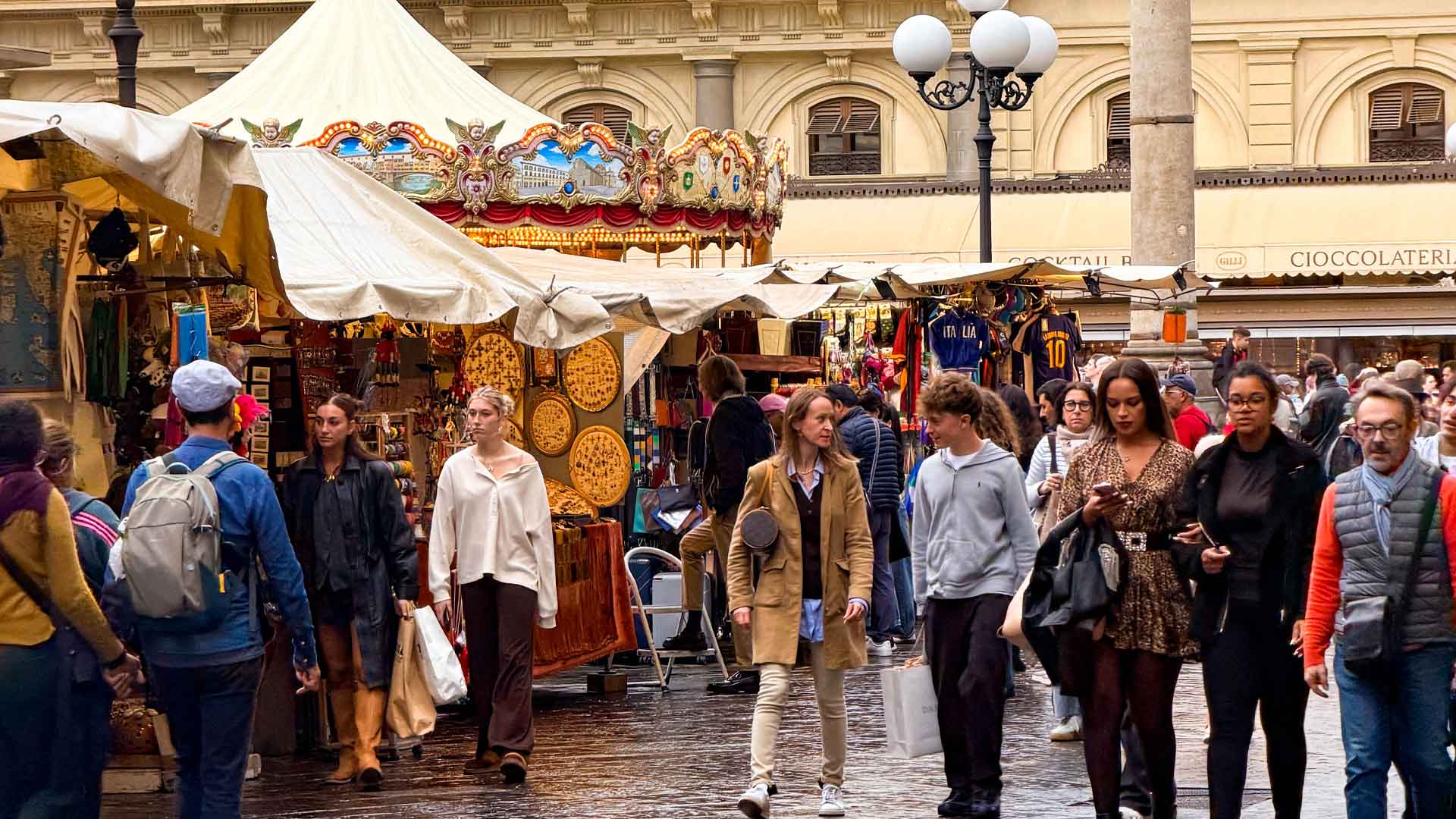
The biggest value of a guide is context.
A strong tour can explain
- Why a neighborhood developed.
- How architecture changed.
- What local symbols mean.
- How politics or trade shaped the city.
- Which traditions are still active.
- What common visitor assumptions get wrong.
A good guide helps travelers see relationships between places rather than simply identifying buildings.
What Self-Guided Exploration Does Better
Independent walking provides complete control over pace.
You can
- Stop whenever you want.
- Skip places that do not interest you.
- Spend more time in markets or parks.
- Take spontaneous public transport.
- Change the route because of weather.
- Explore at quieter times.
For travelers who dislike group schedules, that freedom can be more valuable than formal commentary.
Cost Comparison
Self-guided walking can be almost free once maps and public information are available. Guided tours range from tip-based group walks to private specialist tours.
Do not compare only the headline price
A specialist architecture or history guide may cost more because the experience includes expertise that would require hours of independent research.
Free Walking Tours Are Usually Tip-Based
Many “free” tours operate without an upfront ticket price but expect participants to tip according to the experience and local custom.
Understand the system before joining
Read the organizer’s explanation, bring an appropriate payment method and avoid treating the guide’s time as genuinely costless.
Private Tours Can Be Strong Value for Groups
A private guide may look expensive for one traveler and become reasonable for a family or small group.
Private-tour advantages
- Custom pace.
- More questions.
- Family-friendly stops.
- Accessibility adjustments.
- Specialized themes.
- Flexible start time.
Group Size Changes the Experience
A walking tour with six people feels different from one with forty.
Large groups can create
- Difficulty hearing.
- Blocked sidewalks.
- Long waits at crossings.
- Pressure on narrow residential streets.
- Less interaction with the guide.
Smaller groups usually provide better mobility and lower neighborhood impact.
Choose Guides With Real Local Knowledge
A guide does not need to be born in the destination to be knowledgeable, but they should understand the place deeply and present information responsibly.
Look for
- Licensing where required.
- Clear biography.
- Specialist knowledge.
- Recent reviews mentioning depth.
- Transparent business identity.
- Respectful community relationships.
Community-Led Tours Can Add a Different Perspective
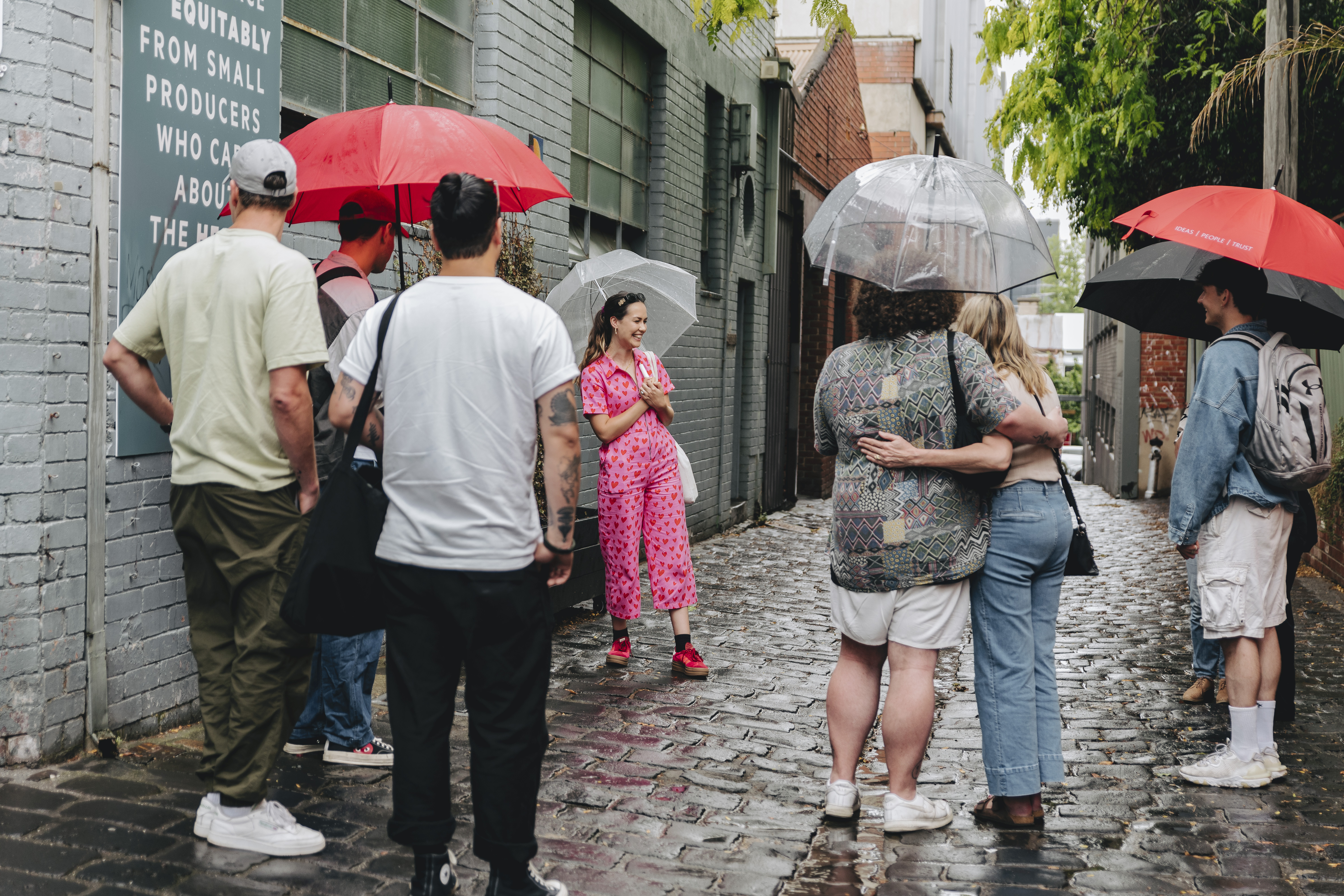
Residents often hold knowledge that formal sightseeing routes miss.
Community tours can focus on
- Living heritage.
- Local crafts.
- Neighborhood history.
- Food traditions.
- Migration stories.
- Social change.
UNESCO’s sustainable tourism approach emphasizes local-community involvement in heritage management and interpretation. Recent UNESCO work in Taj Ganj, Agra has highlighted models where residents, artisans and local drivers become active interpreters of living heritage rather than background to a monument.
Self-Guided Walks Need Better Research
Without a guide, travelers need to create their own context.
Use reliable sources
- Official tourism websites.
- Museum websites.
- Historic-site information.
- City heritage trails.
- Reputable guidebooks.
Do not build the whole route from a viral social-media video with no local context.
Official City Trails Can Be an Excellent Middle Ground
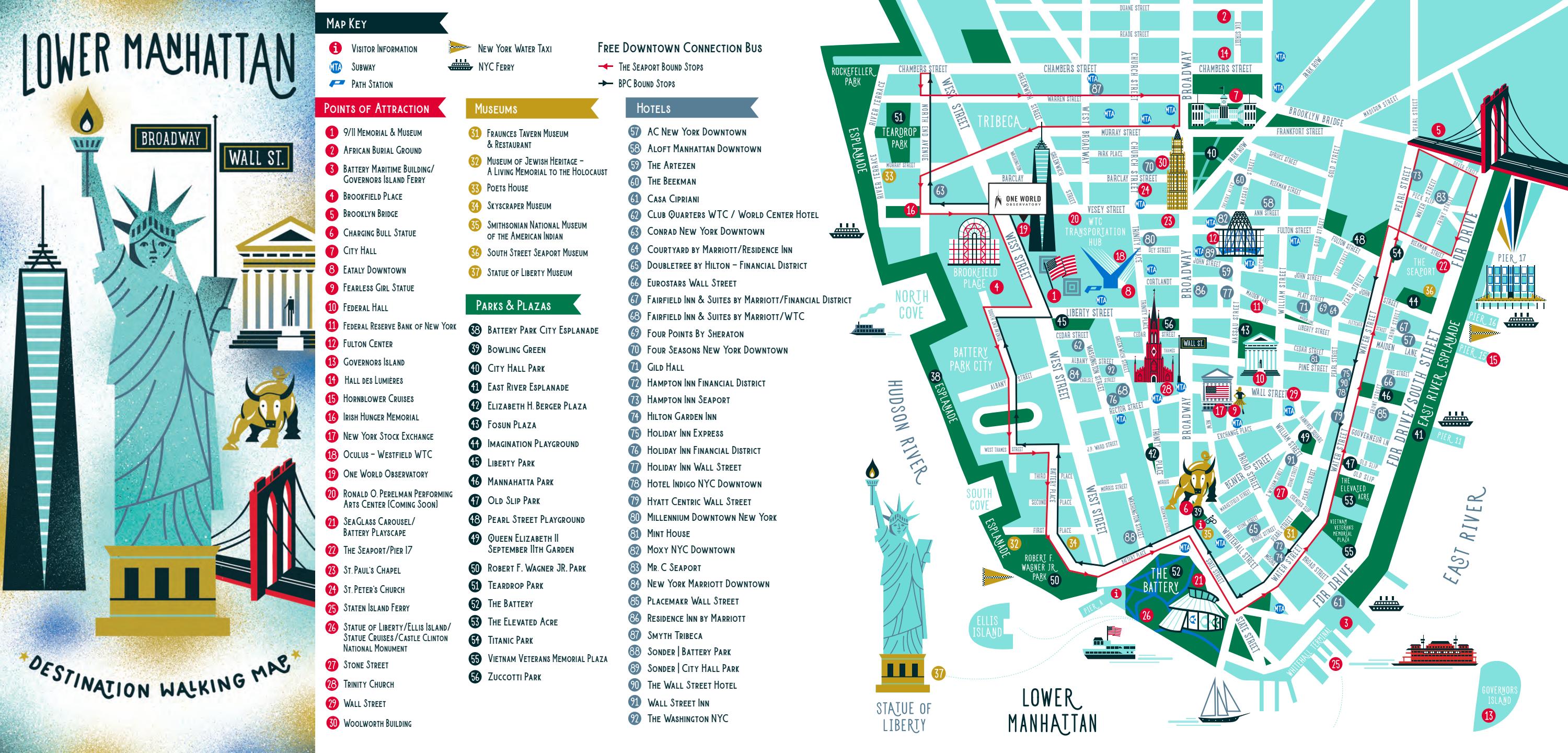
Many tourism boards and heritage organizations publish free walking routes with historical notes and maps.
Advantages
- Reliable basic information.
- No group schedule.
- Often designed around logical geography.
- Can be downloaded before travel.
They do not replace a specialist guide, but they are often stronger than a random blog itinerary.
Offline Maps Make Independent Walking Easier
Mobile coverage can disappear in old streets, tunnels or foreign roaming gaps.
Save before leaving the hotel
- Hotel location.
- Route outline.
- Transit stations.
- Emergency contact.
- One alternative route.
A Walking Route Should Have a Logical Shape
Self-guided travelers often create inefficient routes by saving attractions independently.
Build a line, loop or neighborhood cluster
A route that moves naturally from one area to another saves energy and prevents repeated backtracking.
TourLix’s walkable cities guide explains how neighborhood clustering improves car-free trips.
Estimate Walking Distance Honestly
A route of 8 kilometers can feel much longer when it includes museums, hills, heat and standing.
Count non-walking fatigue too
- Stairs.
- Cobblestones.
- Long museum visits.
- Heavy camera gear.
- High temperatures.
- Limited seating.
Add public-transport shortcuts before you need them.
Walking Tours Can Improve First-Day Orientation
A first-day tour can help travelers understand street layout, transport and local norms.
Use the tour as a map lesson
Note neighborhoods you want to revisit, good food streets and transport hubs. The tour becomes useful for the rest of the stay rather than an isolated activity.
A Guide Does Not Guarantee Safety
Visitors should still protect belongings, watch traffic and follow local guidance.
TourLix’s international safety guide provides broader preparation.
Self-Guided Travelers Should Avoid Unplanned Isolation
A route that appears interesting on a map may pass through industrial, poorly lit or inaccessible areas.
Review the route first
Check current local information and choose a different path when a street or park feels uncomfortable. There is no prize for completing an internet route exactly.
Accessibility Can Favor Private or Self-Guided Options
Standard group tours may move quickly or include stairs.
Ask before booking
- Total walking distance.
- Stairs.
- Cobblestones.
- Toilet breaks.
- Seating.
- Wheelchair accessibility.
A private tour can sometimes adapt the route more easily.
Travelers With Limited Mobility Can Build Hybrid Walks
Walking does not have to mean completing the entire route on foot.
Hybrid strategy
Use metro, tram or taxi between two interesting clusters, then walk within each area. This often preserves the best street-level experience without unnecessary exhaustion.
Families Need Shorter Walking Blocks
Children may enjoy stories and interactive stops but struggle with a two-hour lecture.
Family-friendly tour signals
- Short duration.
- Interactive guide.
- Snack/toilet break.
- Limited traffic crossings.
- Park or open-space stop.
Weather Can Decide the Best Format
A fixed guided tour may continue in rain or heat unless cancelled.
Self-guided travel gives more flexibility
You can pause in a museum, take transit or move the walk to another time. For hot destinations, early morning or evening may be more comfortable.
Check Heat and Air Quality
Long outdoor walks may be inappropriate during extreme heat or poor air quality.
Adjust the route
- Start earlier.
- Use shaded streets.
- Add indoor breaks.
- Carry water where appropriate.
- Shorten the distance.
Travelers with health conditions should follow qualified medical advice.
Theme Tours Can Be Better Than General Tours
Once a traveler understands the basic city layout, specialist tours can provide deeper value.
Examples
- Architecture.
- Street art.
- Food.
- Jewish heritage.
- Industrial history.
- Literature.
- Music.
- Urban planning.
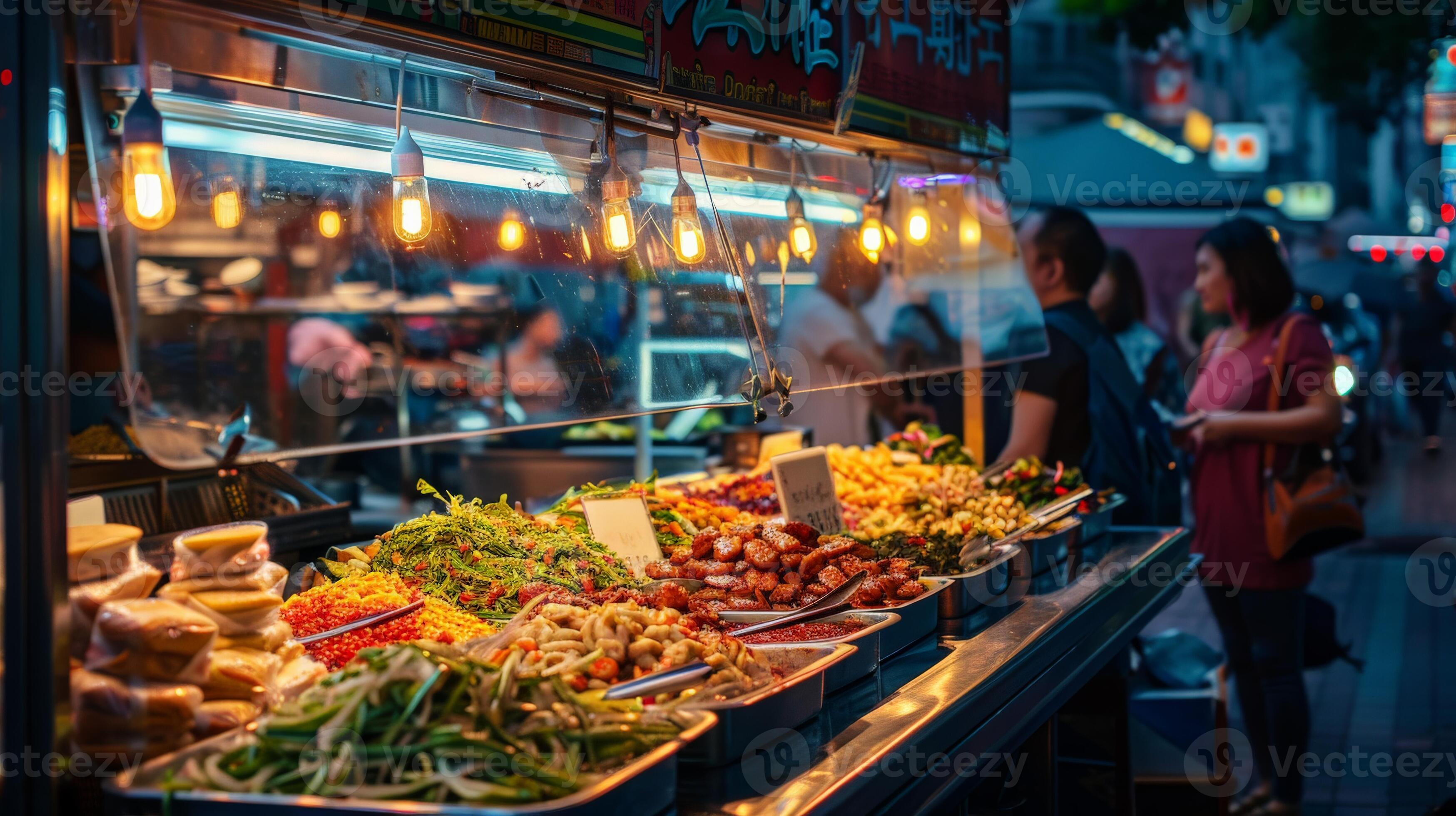
Food Tours Need Vendor Responsibility
A food walking tour should not crowd tiny stalls without compensating vendors.
Ask
- Are tastings included?
- Are vendors paid?
- How large is the group?
- Does the guide explain food culture?
- Are dietary needs handled?
TourLix’s food market travel guide provides more responsible gastronomy tips.
Street Art Tours Need Local Context
Murals can be commissioned public art, political expression or temporary work.
A good guide explains
- Artist names.
- Permission context.
- Neighborhood history.
- Why the work matters locally.
Do not assume every wall is simply a social-media backdrop.
Respect Residential Neighborhoods
Walking tourism can create pressure because groups move slowly through spaces where people live.
Good behavior
- Keep voices low.
- Do not block doors.
- Do not enter private courtyards.
- Ask before photographing residents.
- Do not leave waste.
- Follow guide instructions.
Photography Can Slow a Group
Stopping repeatedly in narrow streets can block sidewalks.
Be considerate
Step aside before composing a photograph and avoid holding the entire group while trying to repeat one image.
Tipping and Payment Etiquette
Tipping customs vary by destination and tour model.
Before the tour
Read the booking page to understand whether the guide is salaried, the tour is tip-based or gratuity is optional. Avoid assuming your home-country custom applies everywhere.
Tour Cancellation Policies Matter
Outdoor tours can be affected by weather, transport strikes or guide illness.
Check
- Rain policy.
- Minimum group size.
- Refund deadline.
- Late-arrival rule.
- Meeting-point instructions.
Walking Tour vs Self-Guided Comparison
| Factor | Guided tour | Self-guided |
|---|---|---|
| Context | Strong | Depends on research |
| Flexibility | Lower | High |
| Cost | Higher | Usually low |
| Questions | Easy | Research later |
| Pace | Group-controlled | Your control |
| Accessibility | Varies | Can customize |
| Social element | Strong | Low |
The Best Strategy: Combine Both
A useful approach is a guided tour on the first day followed by independent exploration later.
Why this works
The guide gives orientation and context. Self-guided time lets you return to the streets, cafes and places that interested you most.
Three-Day City Walking Framework
Day 1
Two-hour general guided tour plus relaxed nearby exploration.
Day 2
Self-guided neighborhood and museum.
Day 3
Specialist food, architecture or heritage walk.
Walking Tour Booking Checklist
- Check guide credentials.
- Read recent reviews.
- Check group size.
- Confirm route length.
- Check accessibility.
- Review weather policy.
- Understand tipping/payment.
- Confirm meeting point.
- Choose community-led operators where appropriate.
Frequently Asked Questions
Are free walking tours really free?
Many operate on tips. Read the organizer’s payment model before attending.
Is a guided tour worth it on a short trip?
It can be an efficient way to understand a city quickly, especially on the first day.
Can I make my own walking tour?
Yes. Use official heritage information, offline maps and a logical neighborhood route.
Are private guides worth the cost?
They can be valuable for families, accessibility needs, specialist interests or groups that can share the fee.
Actionable Conclusion
Guided walking tours provide context, stories and orientation. Self-guided exploration provides freedom, spontaneity and a pace that belongs entirely to you. The strongest travel experience often uses both.
Choose a knowledgeable guide for the places where history needs explanation, then walk independently when you want to slow down. Whichever style you choose, respect sidewalks, homes, local businesses and the people whose neighborhood is your travel experience.