
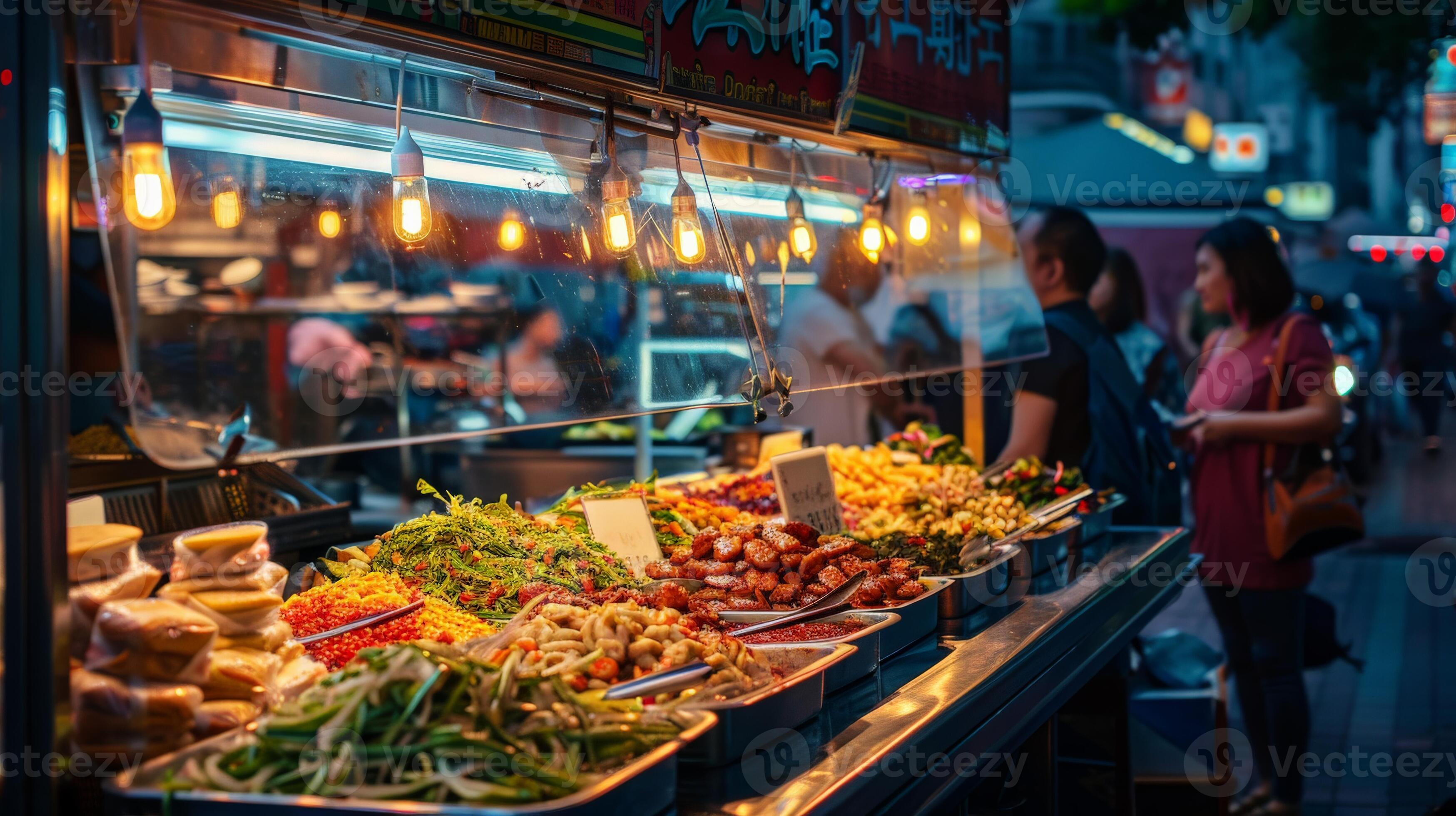
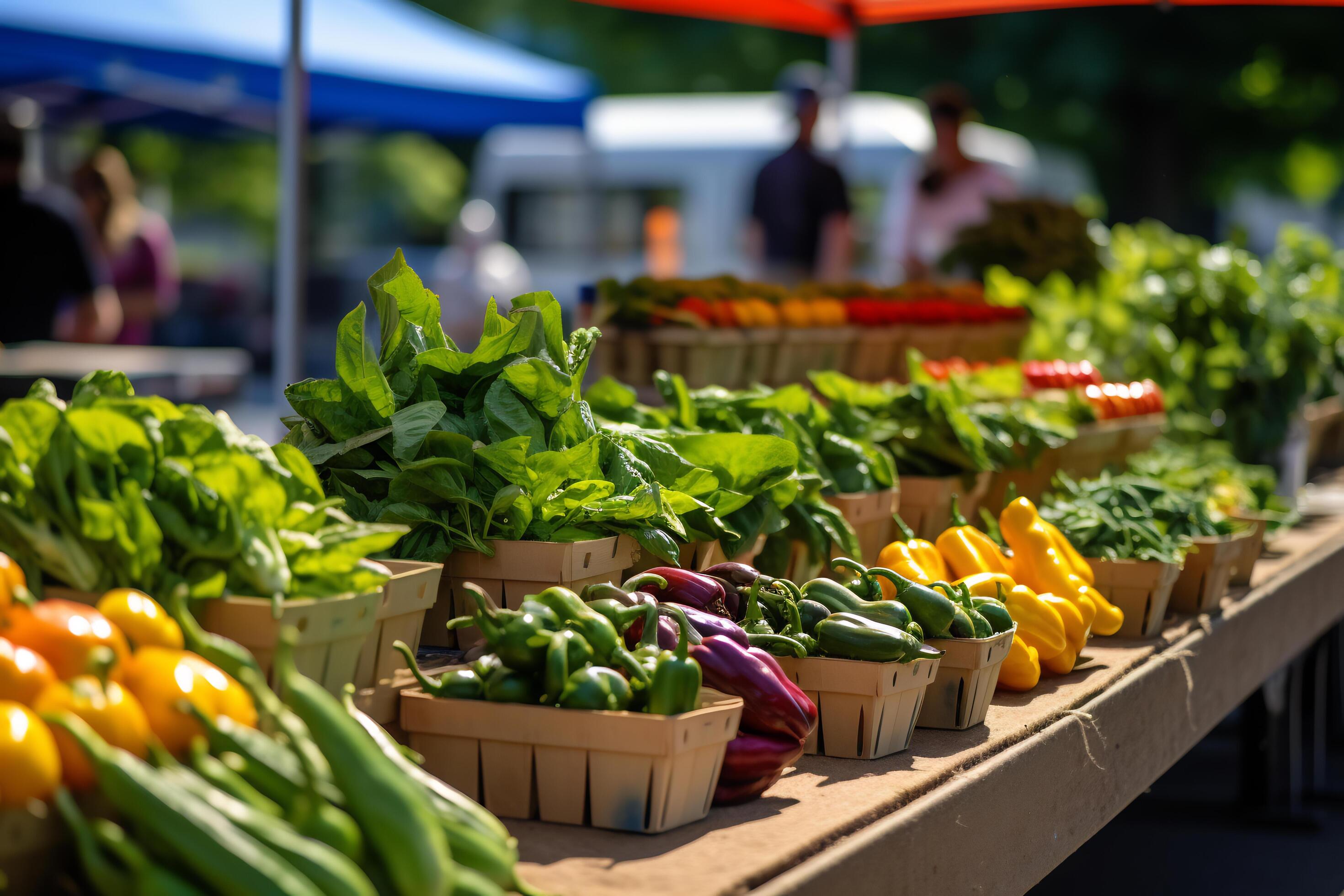
A local food market can explain a destination faster than many guidebooks. The ingredients show what grows nearby, breakfast stalls reveal daily routines, spice shops reflect trade history, and conversations with vendors can introduce travelers to dishes they would never find in a hotel restaurant. But markets are not theme parks. They are workplaces, shopping spaces and community institutions first.
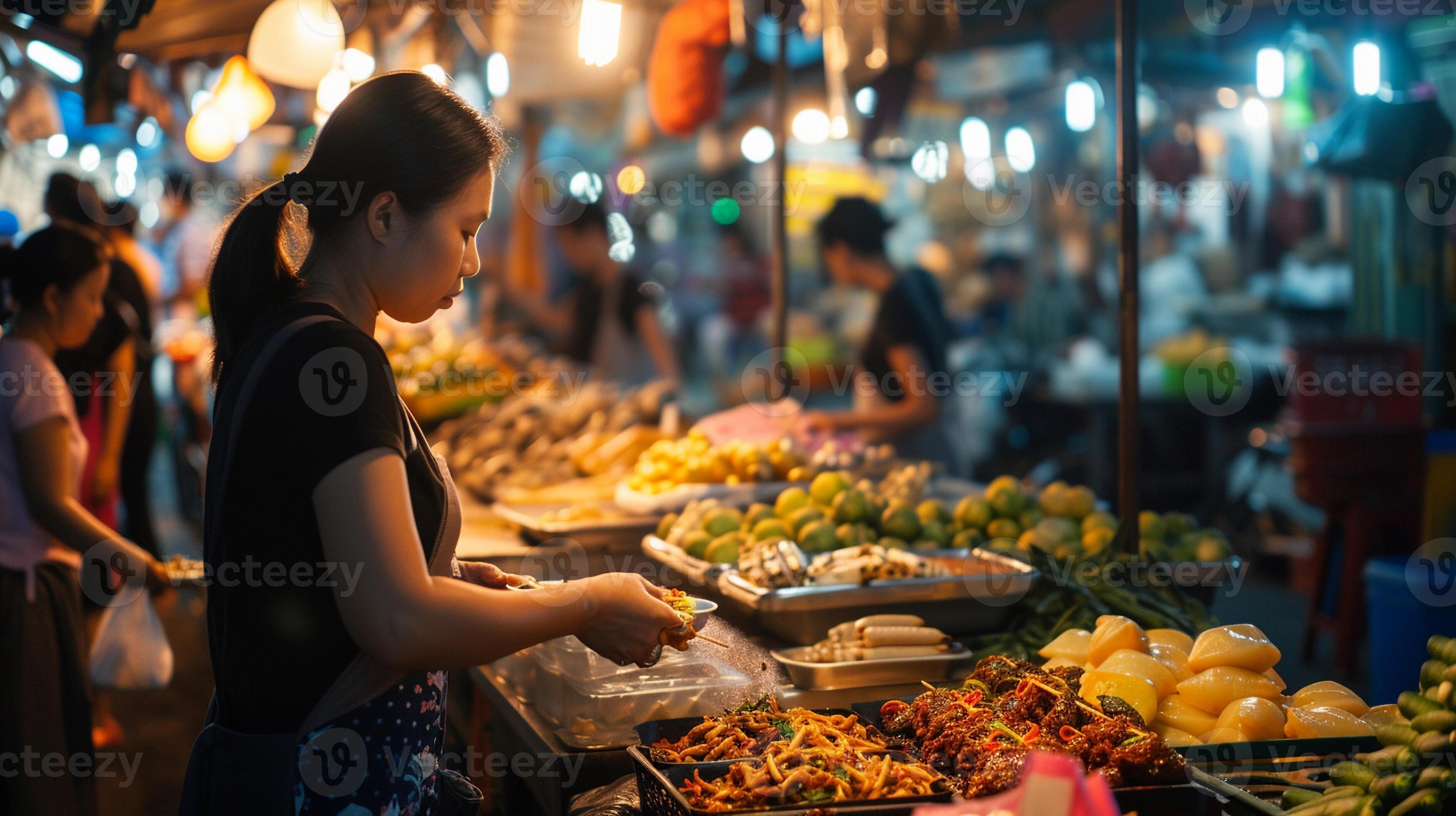
Responsible food-market travel means enjoying the experience without blocking aisles, photographing people without permission, bargaining aggressively over small amounts or treating every unfamiliar ingredient as entertainment. It also means making sensible food-safety decisions without assuming that “street food” is either automatically unsafe or automatically authentic.
This guide explains how to explore markets in a way that is practical, respectful and useful for travelers. UN Tourism has long treated gastronomy as part of cultural heritage and local economic development, while its Best Tourism Villages initiative explicitly connects local gastronomy, food systems and community-based tourism. That makes food travel most meaningful when visitors understand the people and systems behind the meal.
Why Food Markets Are Worth Building Into an Itinerary
Markets offer more than cheap meals. They can provide context for regional agriculture, seasonal ingredients, household shopping habits and culinary traditions.
What travelers can learn in a market
- Which ingredients are seasonal.
- How local people eat breakfast or lunch.
- Which products are everyday staples versus tourist specialties.
- How food is preserved, dried, fermented or prepared.
- How regional dishes differ within the same country.
TourLix’s culinary travel experiences guide is a useful companion for broader food-focused itineraries.
Visit at the Right Time
Markets can feel completely different at 7 a.m., noon and late afternoon. Wholesale activity may happen early, lunch stalls peak around midday, and some produce markets close before tourists arrive after sightseeing.
Check the market’s real operating rhythm
- Opening and closing days.
- Best time for prepared food.
- Wholesale versus retail hours.
- Prayer, holiday or festival schedules.
- Seasonal closures.
Use the market’s official website or local tourism authority where available rather than relying on an old blog post.
Go Hungry, but Not Desperately Hungry
Arriving extremely hungry can lead to buying too much at the first stall. Eat lightly beforehand if needed, then walk through the market once before deciding what to try.
Use a tasting strategy
- Walk one full section without buying.
- Note three foods that genuinely interest you.
- Order small portions where possible.
- Share dishes with travel companions.
- Return to the best stall instead of collecting food randomly.
This reduces waste and makes the experience more intentional.
Watch How Local Customers Order
Before approaching a busy stall, observe the process. Some places use numbered tickets, some require payment first, and others expect diners to sit before ordering.
Learn the local flow
Knowing whether to queue, point, pay at a cashier or collect food at another counter prevents confusion and avoids slowing service during busy periods.
Do Not Block a Working Stall for Photographs
Market photography can be rewarding, but vendors need space to work and customers need access.
Better photography habits
- Stand outside the main customer flow.
- Ask before taking close portraits.
- Do not lean over food preparation areas.
- Avoid flash when it disturbs workers or customers.
- Buy something if you spend significant time photographing a small vendor’s stall.
TourLix’s upcoming photography guide will expand on ethical street photography principles.
Ask Before Photographing People
A market is public space, but that does not mean every person wants to become part of a travel photograph. Laws also vary by country and context.
A simple approach
Make eye contact, gesture to the camera or ask politely. If the answer is no, accept it immediately. Children deserve additional care; avoid photographing them closely without appropriate permission.
Understand Bargaining Before You Negotiate
Some markets have fixed prices. Others expect negotiation. Travelers can create uncomfortable interactions by bargaining where it is not customary or turning a small price difference into a contest.
Good bargaining etiquette
- Check whether bargaining is normal.
- Keep the tone friendly.
- Do not negotiate if you have no intention of buying.
- Remember the value of the amount to the seller.
- Walk away politely if the price does not work.
Responsible travel is not about proving you can pay the absolute lowest local price.
Use Hygiene Signals, Not Stereotypes
Food safety cannot be judged by whether a stall looks fancy. Busy simple stalls can operate very well, while polished restaurants can still have problems.
Practical signals to observe
- Food cooked thoroughly and served hot.
- Good turnover of prepared dishes.
- Raw and cooked foods handled separately.
- Clean utensils and work surfaces.
- Cold foods kept appropriately chilled.
- Handwashing or sanitation practices.
Travelers with allergies, pregnancy, immune conditions or specific medical concerns should seek individualized health guidance. The World Health Organization provides general travel-health information, but personal medical decisions require qualified advice.
Be Careful With Water and Ice Where Safety Is Uncertain
Local water quality varies. Follow destination-specific health advice and use sealed or appropriately treated water when local guidance recommends it.
Do not apply one rule to every country
Tap water can be safe in one destination and unsuitable in another. Use official local health or tourism information rather than assuming.
Allergies Need Clear Communication
Food markets can be challenging for travelers with serious allergies because ingredients, cross-contact and language may be difficult to verify.
Prepare before arrival
- Carry a translated allergy card.
- Learn the local word for the allergen.
- Ask about sauces, oils and garnishes.
- Do not eat something if staff cannot clarify ingredients.
- Carry prescribed emergency medication as directed by your doctor.
Vegetarian and Vegan Travelers Should Ask About Hidden Ingredients
A dish that looks vegetable-based may use fish sauce, broth, lard or other animal ingredients.
Ask specifically
Instead of asking only “Is this vegetarian?”, learn key ingredient words and clarify broth, sauces and cooking fat when relevant.
Learn a Few Food Words Before You Go
A small vocabulary improves the experience.
Useful words to learn
- One, two, small, large.
- Spicy/not spicy.
- Water.
- Vegetarian.
- Allergy terms.
- How much?
- Thank you.
Translation apps help, but a few spoken words can make an interaction warmer and faster.
Carry Small Payment Options
Some markets are cash-heavy while others accept cards or QR payments.
Prepare more than one method
- Small local-currency notes.
- Coins where useful.
- Card.
- Local digital payment only if accessible to visitors.
Avoid displaying a large amount of cash at a crowded stall.
Support Vendors Beyond the Most Famous Stall
Social media can concentrate visitors at one counter while similar small businesses nearby receive little attention.
Explore more broadly
If multiple vendors offer the same specialty, compare menus, watch local customers and consider trying a less-hyped stall. Spending across the market can distribute visitor money more widely.
Food Markets and Local Economic Value
UN Tourism’s Best Tourism Villages initiative links local gastronomy with resilient food systems, cultural heritage and local economic development. Food tourism can support small producers, cooks and market vendors when spending stays connected to the community rather than only large outside operators.
Travelers can contribute by
- Buying directly from producers.
- Choosing locally run food tours.
- Learning the origin of ingredients.
- Buying reasonable quantities of local products.
- Respecting market rules and working hours.
Be Careful With “Authenticity” Language
Food cultures change constantly. A dish does not become fake because it is modern, adapted or popular with visitors.
Ask better questions
Instead of “Is this authentic?”, ask who eats it, when it is eaten, where the recipe comes from and how it has changed. That creates a more respectful understanding of living food culture.
Reduce Waste While Market Eating
Tasting many foods can produce disposable cups, plates and bags.
Simple waste-reduction habits
- Share portions.
- Carry a reusable bag.
- Refuse unnecessary extra packaging.
- Use refill stations where safe and permitted.
- Finish what you buy.
Food Tour or Self-Guided Market Visit?
| Option | Strength | Trade-off |
|---|---|---|
| Guided food tour | Context, translations, curated tasting | Higher cost and fixed pace |
| Self-guided visit | Flexibility and lower cost | Less cultural explanation |
| Cooking class + market | Connects ingredients to recipes | Requires more time |
Choose local guides who are transparent about which vendors they work with and avoid tours that crowd sensitive residential areas.
How to Evaluate a Food Tour
Ask before booking
- How large is the group?
- Are vendors locally owned?
- How are dietary restrictions handled?
- Are tastings included?
- Does the tour explain cultural context?
- Are vendors compensated fairly?
Respect Religious and Cultural Food Rules
Markets may operate differently during religious festivals or fasting periods. Alcohol, pork, beef or other foods can carry cultural significance.
Follow local context
Dress appropriately when markets connect to religious sites, avoid eating conspicuously where local norms discourage it and respect temporary restrictions.
Market Safety in Crowded Areas
Busy markets require normal awareness.
Practical habits
- Keep bags zipped.
- Store phone securely.
- Do not carry passport loosely.
- Step aside before checking maps.
- Agree on a meeting point with companions.
TourLix’s travel safety guide offers broader advice.
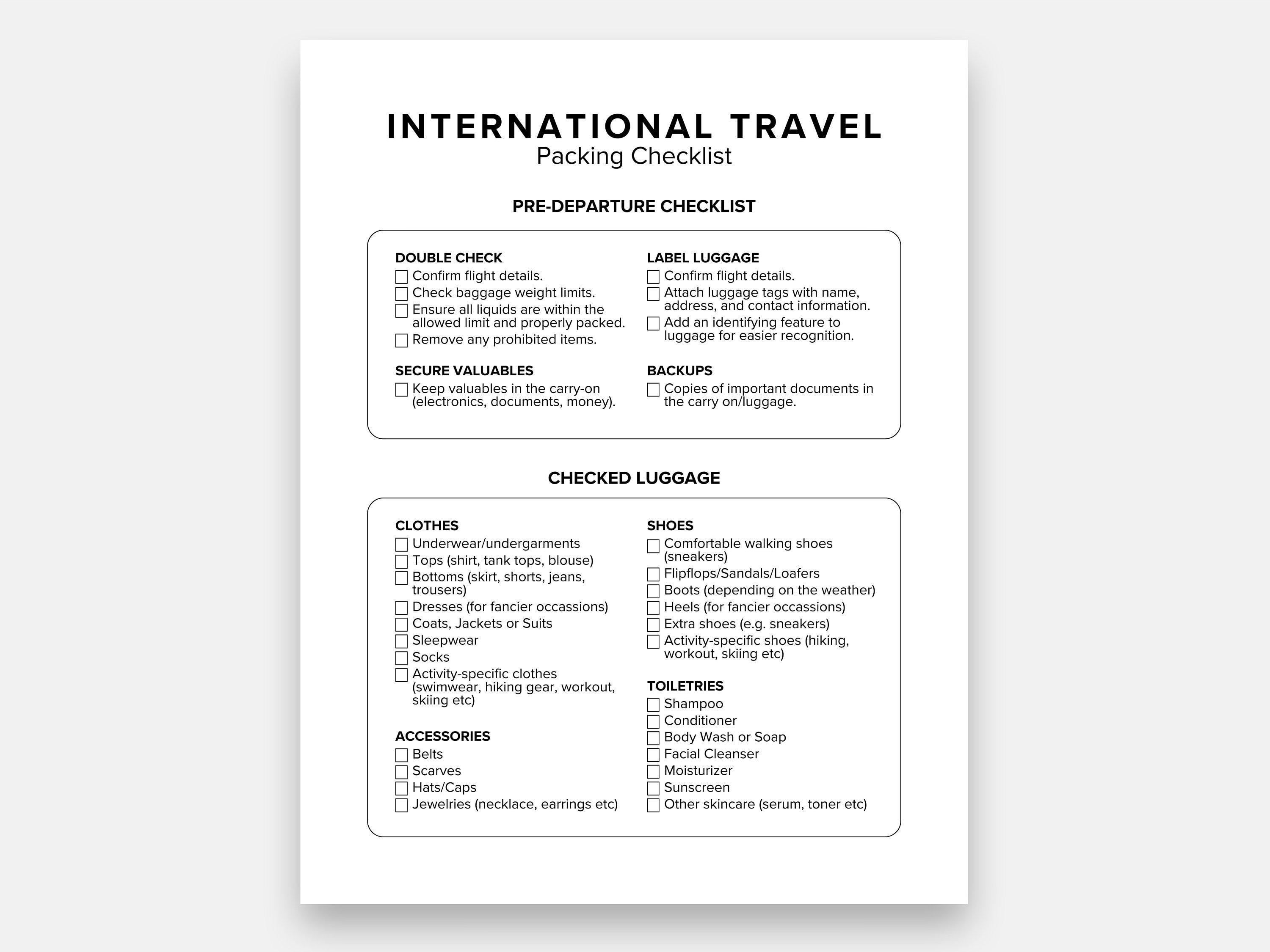
Food Market Planning Checklist
- Check opening hours.
- Review local payment methods.
- Learn basic food words.
- Prepare allergy information.
- Carry small cash.
- Walk through once before ordering.
- Ask before photographing people.
- Follow local bargaining culture.
- Choose high-turnover food stalls.
- Reduce packaging and food waste.
Frequently Asked Questions
Is street food safe?
No food setting can be guaranteed safe. Look for good hygiene, high turnover and proper cooking, and follow destination-specific health guidance.
Should I negotiate food prices?
Only where bargaining is customary. Many prepared-food stalls use fixed prices.
Is it rude to take market photographs?
Wide public scenes may be accepted in many places, but close portraits and working stalls deserve permission and local-law awareness.
Are food tours worth the money?
They can be valuable when guides provide cultural context, translations and access to responsible local vendors—not just a sequence of snacks.
Actionable Conclusion
A food market is one of the best places to understand a destination because it connects culture, agriculture, livelihoods and everyday life. The most respectful traveler does not simply collect dishes; they observe how the market works and adapt to it.
Go at the right time, follow local ordering habits, ask before photographing people, choose food carefully and spend directly with small vendors when appropriate. That approach creates better meals and a better relationship with the place that produced them.






One Comment