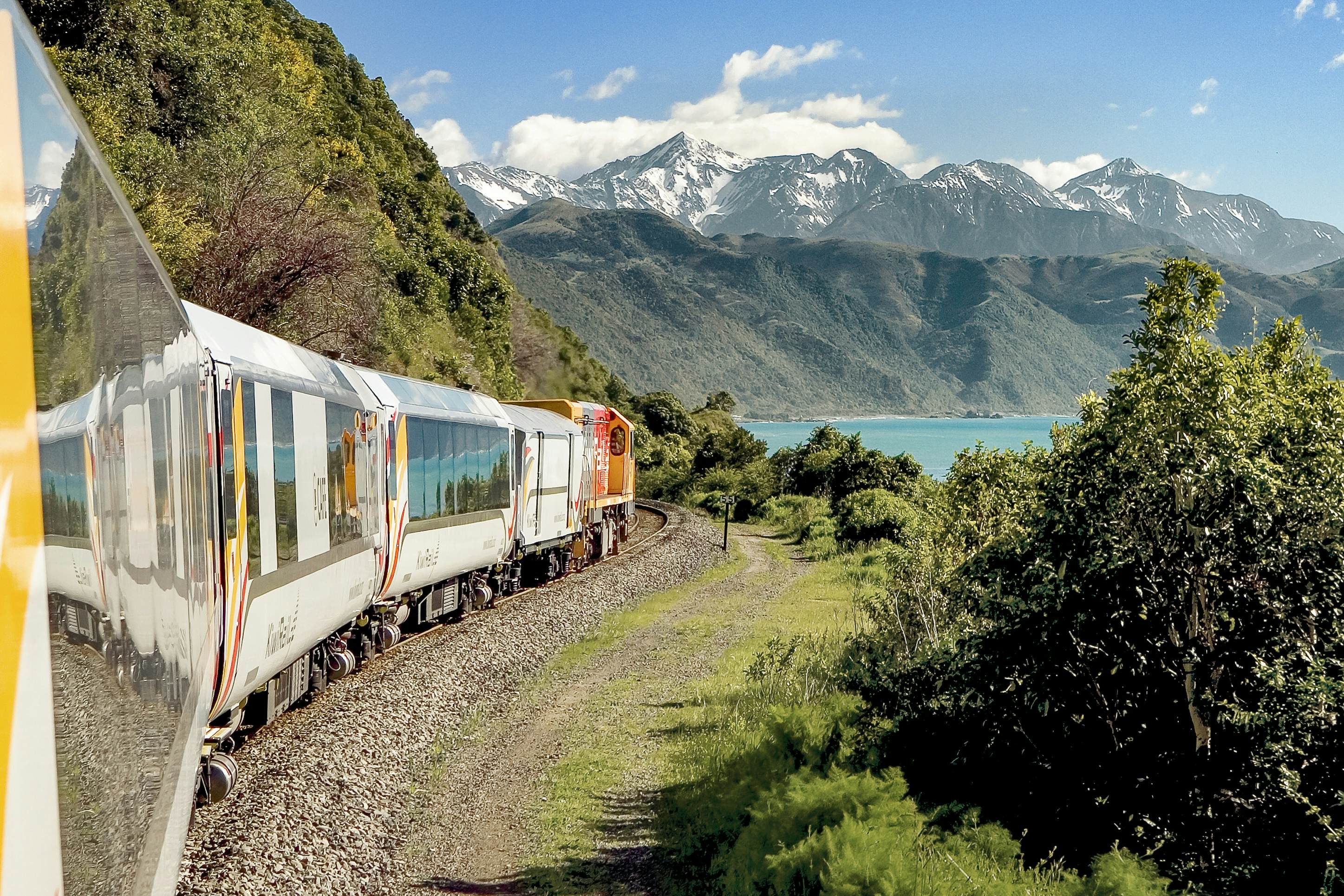
A scenic train journey can do something flights and highways rarely manage: make the movement itself one of the main experiences. Mountains appear gradually through the window, rivers follow the tracks, small stations interrupt the landscape and travelers can watch a region change without constantly navigating.
Rail-centered vacations need more planning than simply buying a ticket. Famous scenic services may require reservations, ordinary regional trains can sometimes offer similar views for less money, and a route that looks short on a map may take a full day because the journey is designed for scenery rather than speed.
This guide explains how to build a trip around scenic trains without turning the holiday into one long sequence of seats and platforms. For general multi-country rail planning, TourLix’s rail-friendly countries guide provides a broader framework.
Decide Whether the Train Is the Destination or the Transport
Some journeys are booked primarily for the ride. Others are ordinary trains that happen to cross beautiful landscapes.
Two different trip styles
- Experience train: panoramic carriages, commentary, meals or premium service.
- Scenic public train: ordinary scheduled service with strong views and lower cost.
Neither is automatically better. Decide whether you value luxury, convenience, local atmosphere, flexibility or price.
Choose a Route That Fits the Overall Itinerary
A spectacular rail journey can create inefficient backtracking if it sits far from the rest of the trip.
Use the route as a bridge
The best scenic train often connects two places you already want to visit. This turns transport time into sightseeing without adding an unnecessary extra travel day.
Start With Geography, Then Choose the Train
Instead of searching “best scenic trains in the world” and building a trip around a random result, decide which region you want to explore first.
Then compare
- Direct scenic services.
- Regional alternatives.
- Overnight routes.
- Stopover towns.
- Seasonal schedules.
This creates a coherent vacation rather than a collection of famous train rides.
Compare Direct Scenic Services With Regular Trains
Some famous scenic routes follow tracks also used by ordinary trains.
Regular trains may offer
- Lower fares.
- More departure times.
- Freedom to stop overnight.
- Less formal reservation rules.
- More contact with ordinary local travel.
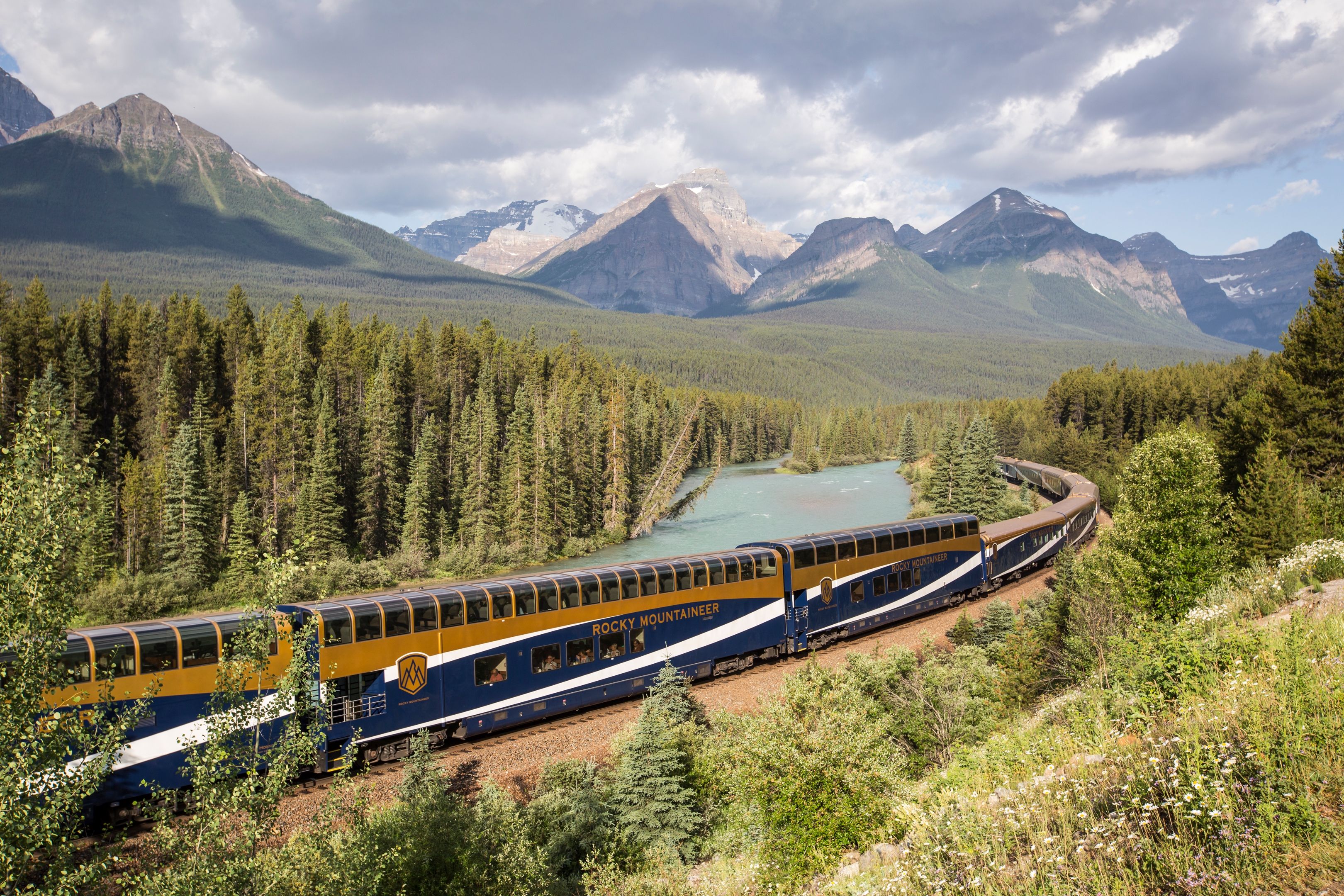
Premium services may offer panoramic windows, reserved seating, meals and a more curated experience.
Calculate Door-to-Door Time
A scenic train can be slower than the most direct intercity option.
Include
- Hotel to station.
- Check-in or boarding time.
- Train duration.
- Transfer time.
- Station to next hotel.
- Luggage storage.
When the train is the experience, a slow journey may be exactly what you want. Just do not treat it as a quick transfer day.
Research Which Side Has the Best Views—But Do Not Obsess
Travel forums often debate the “correct” side of a train. On winding mountain routes, views may switch repeatedly.
Check operator information first
If seats are assigned and one side consistently faces a major feature, the operator may explain this. Otherwise, accept that a scenic route is not a fixed movie frame.
Panoramic Windows Have Trade-Offs
Large windows are excellent for viewing but can create reflections in photographs and warmer cabins in strong sun.
Photography tips from a train
- Hold the camera close to the glass without pressing heavily against it.
- Avoid flash.
- Use a dark jacket to reduce reflections around the lens.
- Do not block the aisle or other passengers.
- Enjoy part of the trip without a camera.
Check Reservation Requirements Early
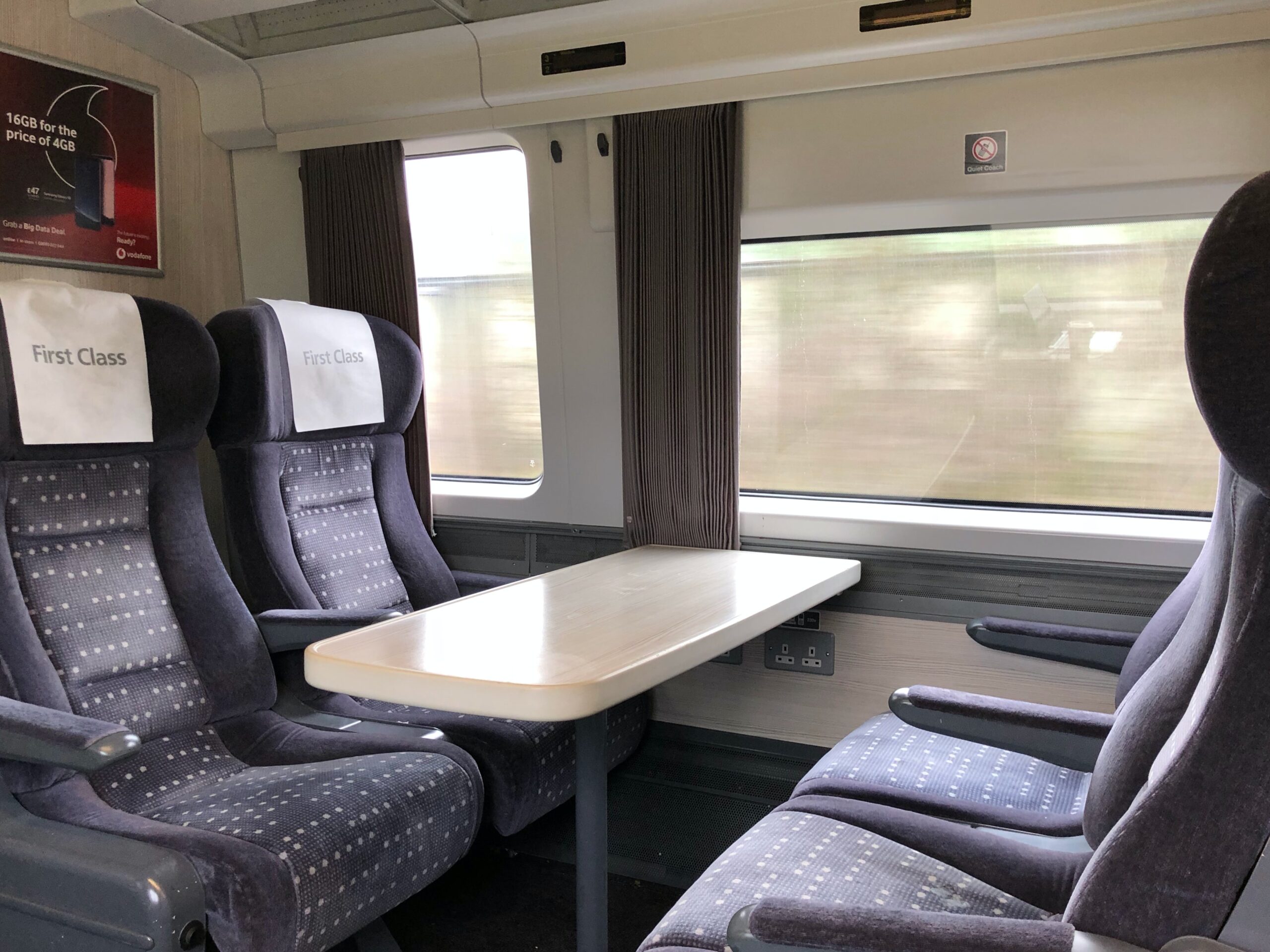
Popular panoramic trains and sleeper services can sell out during holidays and peak seasons.
Verify
- Whether the ticket includes a seat.
- Whether a reservation is mandatory.
- Whether a rail pass covers the fare but not the reservation.
- Cancellation rules.
- Boarding station and platform information.
Rail Passes Do Not Always Include Everything
A national or regional pass may cover the base fare while a premium train requires a supplement or separate reservation.
Do the math before buying
Price your planned journeys individually, add mandatory supplements and compare the total with the pass. TourLix’s rail travel guide includes a pass-versus-ticket method.
Book the Right Class for the Experience You Want
First class can offer more space and quieter carriages, but it does not always provide a better view.
Compare actual benefits
- Seat spacing.
- Meal inclusion.
- Window layout.
- Lounge access.
- Cancellation flexibility.
Pay extra only for features you value.
Slow Trains Need a Different Daily Schedule
A six-hour scenic ride may be relaxing, but it still consumes energy.
Do not schedule a major attraction immediately after arrival
Plan a walk and dinner near the hotel instead. Save the museum, hike or timed tour for the next morning.
Build Stopovers Into Long Routes
One of the advantages of rail is the ability to break a journey into meaningful stays.
Good stopover reasons
- Mountain village.
- Lake town.
- Historic station city.
- National park gateway.
- Food region.
Two shorter scenic segments can be more enjoyable than one exhausting full-day ride.
Use Luggage Storage Strategically
A station locker or hotel luggage room can turn a transfer into a useful half-day.
Before relying on storage
- Check opening hours.
- Check bag-size limits.
- Check payment method.
- Keep valuables with you.
Do not assume every small station has lockers.
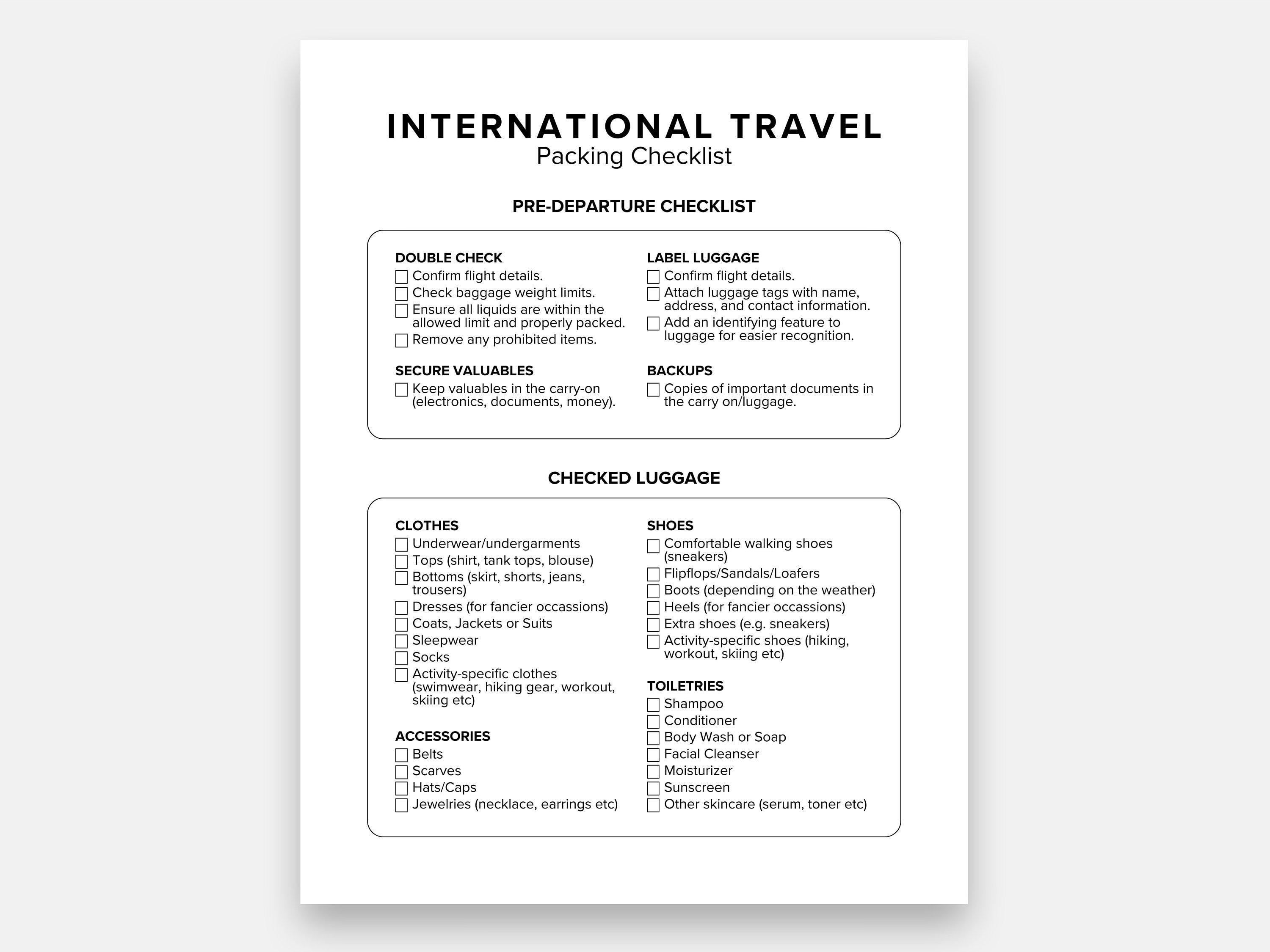
Luggage Should Match Rail Travel
Train stations can involve stairs, narrow aisles and limited storage.
Pack for self-handling
- One main bag you can lift.
- Small personal bag for documents.
- Do not block corridors.
- Keep valuables with you.
- Check oversized-luggage rules.
TourLix’s carry-on packing guide can help reduce luggage.
Food on Scenic Trains Varies Widely
Some premium trains provide full meals. Regional trains may have no food service at all.
Before boarding
- Check whether food is sold.
- Confirm dietary options.
- Carry water where allowed.
- Bring simple snacks.
- Avoid strong-smelling meals in crowded carriages.
Weather Can Change the View
Mountains can disappear behind cloud and winter storms can affect service.
A scenic ticket is not a weather guarantee
Choose the route because the journey interests you, not because you expect one exact photograph. Mist, snow or rain can become part of the atmosphere.
Season Changes the Entire Experience
The same line can look completely different in spring, autumn or winter.
Seasonal planning factors
- Snow cover.
- Daylight hours.
- Autumn colors.
- Mountain visibility.
- Service frequency.
- Construction or maintenance periods.
Daylight Matters on Winter Routes
A beautiful route is less useful if half the journey happens after dark.
Check sunset time
When views are the main reason for booking, choose a departure that keeps the strongest landscape section in daylight.
Scenic Routes and Altitude
Some mountain railways reach high elevations.
Travelers with health concerns should prepare
High altitude can affect people differently. If a route reaches significant elevation and you have medical concerns, seek professional advice rather than assuming a train ride removes altitude risk.
Accessibility Needs Route-Specific Research
Historic trains and small stations may not provide the same accessibility as modern intercity networks.
Check
- Step-free boarding.
- Wheelchair space.
- Accessible toilets.
- Station elevators.
- Assistance booking deadlines.
Families Should Consider Journey Length
A panoramic eight-hour ride can be magical for adults and difficult for young children.
Family planning ideas
- Choose shorter segments.
- Book seats together.
- Bring snacks and quiet entertainment.
- Add a stopover.
- Check stroller storage.
Solo Travelers Should Plan Arrival Time
Scenic routes may end at small stations after dark.
Before booking
- Check local transport after arrival.
- Save hotel directions offline.
- Confirm late check-in.
- Keep phone battery available.
Night Trains Offer a Different Kind of Rail Vacation
Night trains are less about views and more about connecting daytime scenic regions efficiently.
Compare accommodation types
- Seat.
- Couchette.
- Sleeper compartment.
- Private cabin.
Sleep quality and privacy differ significantly. The cheapest option is not always the best value before an active day.
Protect Important Connections
Do not schedule a scenic train to arrive shortly before a separate international flight.
Use a buffer
Spend the final night near the departure airport or allow substantial extra time. Within the European Union, passengers have defined rail rights in certain delay and cancellation situations, but those rights should not replace a realistic itinerary.
Rail Passenger Rights
The European Commission publishes current information on EU rail passenger rights, including certain protections relating to delays, cancellations and missed connections. Exact rights depend on the journey, operator and ticket arrangement.
Scenic Rail and Sustainable Travel
Rail can reduce the need for some short flights or private-car journeys, but no form of travel is impact-free.
Build a lower-friction itinerary
- Stay longer at each stop.
- Use rail as the primary corridor.
- Support local accommodation near stations.
- Use public transport at destinations.
- Avoid unnecessary backtracking.
Sample Rail-Centered 9-Night Framework
| Nights | Plan |
|---|---|
| 1–3 | Gateway city |
| 4 | Scenic route to mountain/lake stop |
| 4–6 | Nature base |
| 7 | Second scenic regional train |
| 7–9 | Final city with departure connection |
The framework keeps the trains central without changing hotels every night.
Scenic Train Planning Checklist
- Choose the route purpose.
- Check ordinary-train alternatives.
- Verify reservation rules.
- Compare pass and ticket costs.
- Check luggage limits.
- Review seasonal schedules.
- Check daylight.
- Plan meals.
- Check accessibility.
- Protect flight connections.
- Add at least one meaningful stopover.
Frequently Asked Questions
Are premium scenic trains worth it?
They can be when panoramic seating, service and a curated experience matter. Regular trains may provide better value for travelers who prioritize flexibility.
Which side of the train has the best views?
It depends on the route. On winding lines, views can switch sides repeatedly. Check the operator if seating is assigned.
Should I book scenic trains months ahead?
Popular services can sell out in peak periods, so early booking may be sensible. Flexible regional trains may not require the same lead time.
Can I take a scenic train with luggage?
Usually, but storage rules vary. Keep baggage manageable and verify oversized-item requirements.
Actionable Conclusion
A rail-centered vacation works best when the train connects places you genuinely want to visit rather than becoming an attraction added to an already crowded route. Compare premium and ordinary services, understand reservation rules and leave enough time to enjoy the journey without immediately rushing to the next activity.
Pack lightly, use stopovers, protect important connections and accept that weather will change the scenery. The best scenic train trip is not only about the view through the window; it is about building an itinerary where movement itself feels calm, purposeful and memorable.