
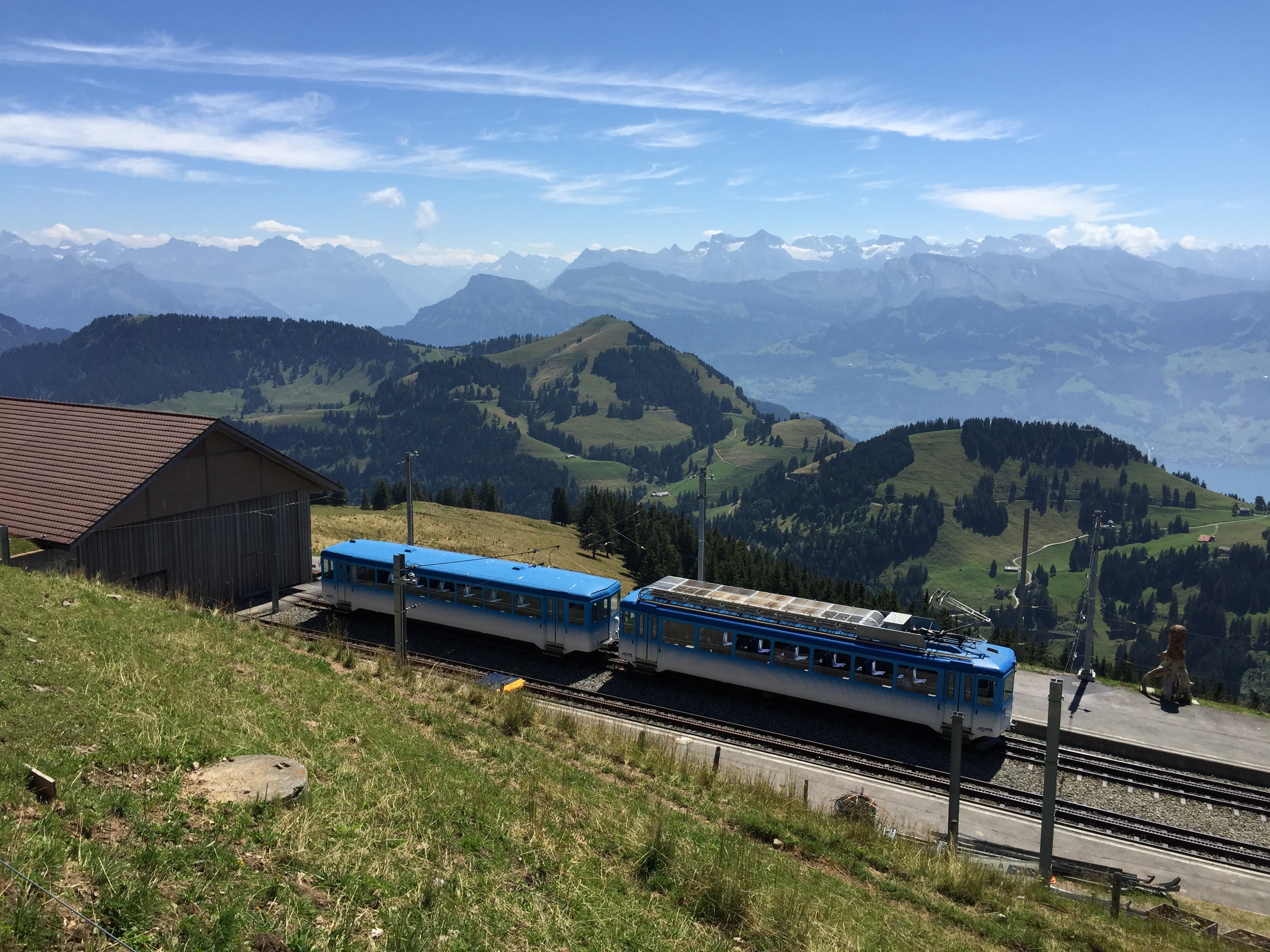
Multi-city travel becomes much easier when the journey between destinations feels like part of the trip rather than a problem to solve. In countries with strong passenger rail networks, travelers can often leave one city center and arrive in another without airport transfers, long security queues or the extra time needed to pick up and return a rental car.
Rail travel is not automatically cheap, simple or flexible. Some high-speed trains require reservations, popular departures sell out, luggage storage can be limited and a rail pass may cost more than point-to-point tickets. The best country for a train trip is therefore the one that matches your route, budget and preferred pace.
This guide looks at rail-friendly countries that can work especially well for multi-city vacations and explains how to compare passes, choose realistic transfer days and avoid common mistakes. For a broader approach to slower itineraries, see TourLix’s small European cities guide.
What Makes a Country Good for Rail Travel?
A large railway map is not enough. Travelers need a network that connects useful destinations at practical times and a ticketing system they can understand.
Five features that matter most
- Frequent intercity services.
- Stations located near city centers.
- Clear booking and timetable information.
- Good connections between regional and long-distance trains.
- Reliable public transport from stations to accommodation.
Accessibility also matters. Travelers with mobility needs should check station elevators, platform assistance, gap widths and reservation procedures before travel.
Switzerland: A Network Built for Connections
Switzerland is one of the easiest countries for travelers to understand by rail because trains, buses, boats and mountain transport are highly integrated. A route can combine cities such as Zurich, Bern, Lucerne and Lausanne with smaller mountain destinations without requiring a car.
Why tight connections can work—but should not be copied blindly
Swiss timetables are designed around transfers, but visitors should still consider luggage, unfamiliar platforms and mobility needs. A connection that looks comfortable to a commuter may feel rushed to a traveler carrying two suitcases.
Use the official Swiss Federal Railways site or app for current schedules and fares.
Japan: High-Speed Rail Plus Strong Regional Networks
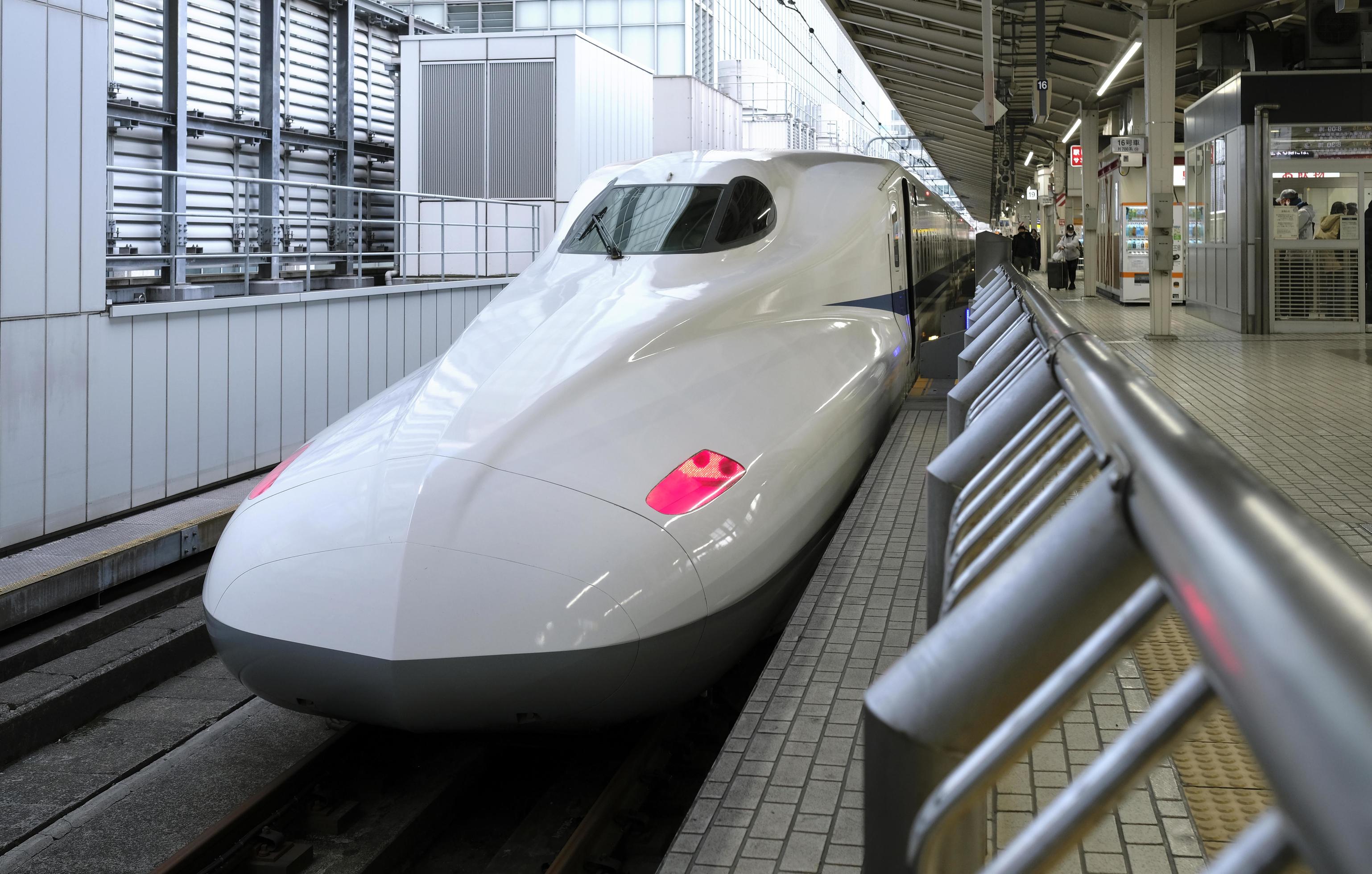
Japan’s rail system makes it possible to combine major cities with regional destinations using high-speed and local services. Tokyo, Kyoto, Osaka, Hiroshima and many smaller cities can be linked efficiently, but travelers should not assume every train is covered by every pass.
Compare passes against your exact route
Rail passes are often marketed as default purchases, but value depends on the journeys you plan. Price individual tickets first, then compare the total with any national or regional pass. Also check whether the trains you want require seat reservations.
For destination context, TourLix has a related article on Japan’s travel appeal.
Italy: High-Speed Links Between Major Cultural Cities
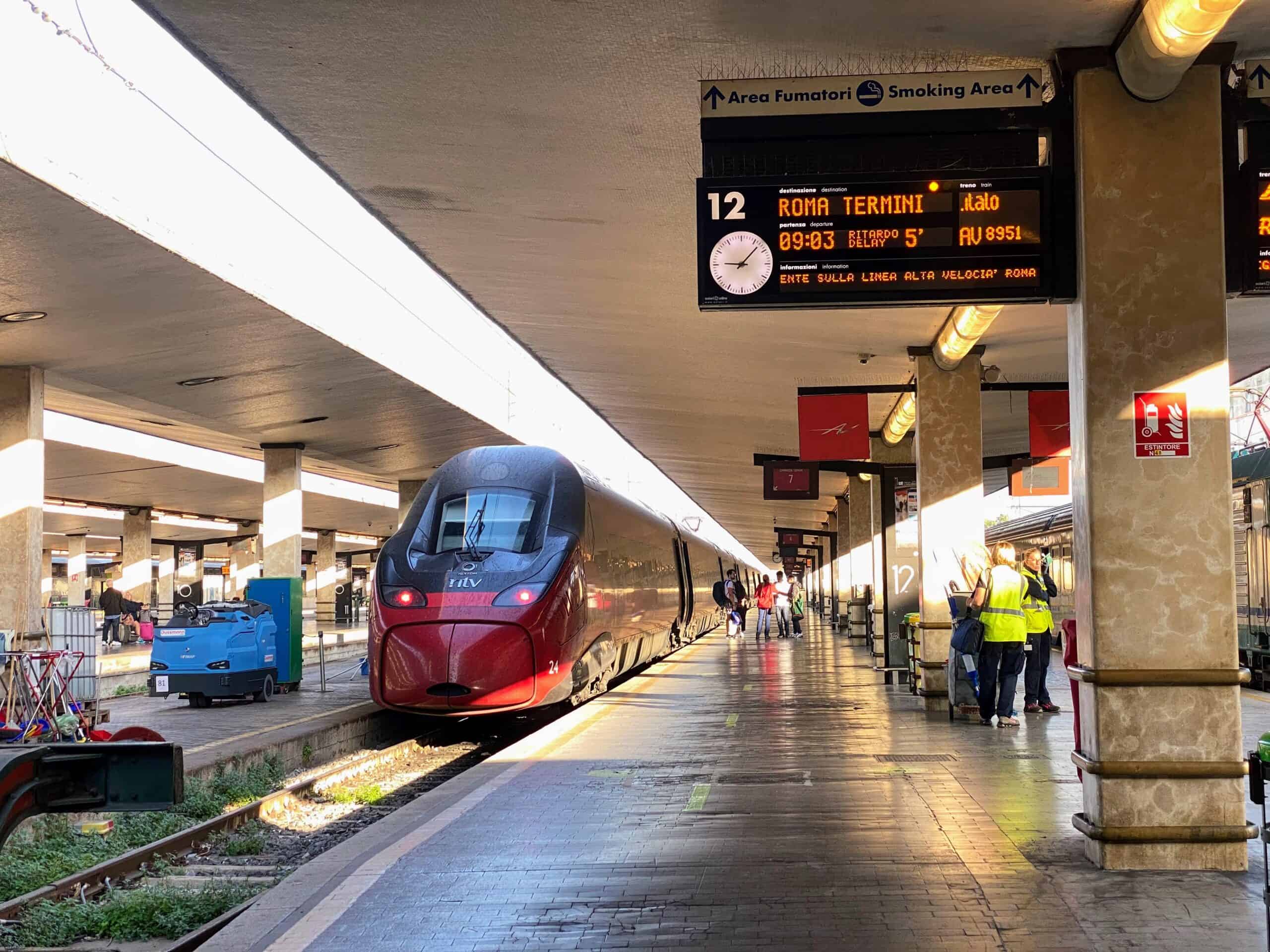
Italy works particularly well for a classic multi-city route because major destinations such as Milan, Venice, Bologna, Florence, Rome and Naples are connected by high-speed rail. Stations are usually close enough to central areas that travelers can build a route without airport-style transfers between each stop.
Book popular high-speed services early when dates are fixed
Advance fares can differ from flexible tickets. Read change and refund conditions before buying because the cheapest option may have restrictions. Regional trains follow different rules from high-speed services, so do not assume all tickets work the same way.
Austria: Easy City Pairings and International Connections
Austria’s location makes it useful for both domestic and cross-border rail trips. Vienna, Salzburg, Innsbruck and Graz can be combined with neighboring countries without needing to fly between nearby cities.
Use the train for arrival days, not just sightseeing days
A city-center station can simplify hotel changes. If you stay within walking or short-transit distance of the station, a transfer day can still include lunch or sightseeing rather than becoming a full travel day.
Check ÖBB for official Austrian rail schedules and tickets.
The Netherlands: Short Distances and Frequent Services
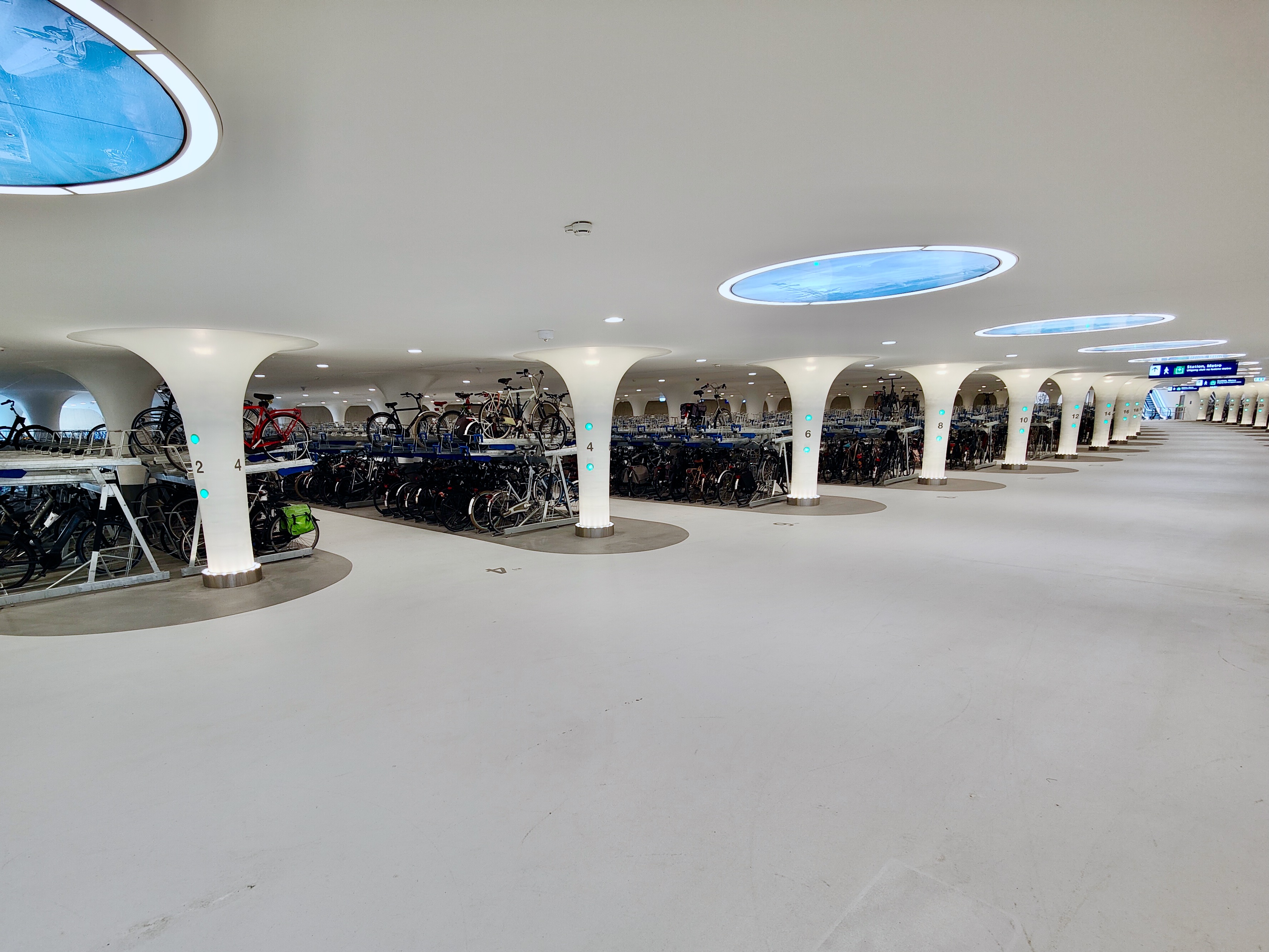
The Netherlands is well suited to travelers who want one hotel base or several short city stops. Amsterdam, Utrecht, Rotterdam, The Hague, Delft and other cities are connected by frequent trains, making day trips realistic.
Avoid changing hotels when a day trip is easier
Because distances are short, staying in one or two bases can be more comfortable than packing every night. Compare door-to-door travel time rather than assuming a multi-city trip requires multiple hotels.
France: Fast Long-Distance Travel With Reservation Planning
France’s high-speed network can connect Paris with cities such as Lyon, Bordeaux, Strasbourg and Marseille efficiently. The main planning issue is that high-speed trains often work more like reserved transportation than open commuter rail.
Do not arrive at a major station without checking the ticket rules
Some travelers assume they can simply board any train with a pass. Reservation requirements and fare conditions vary, so confirm the exact service. When possible, keep a reasonable gap between an international flight arrival and a separate rail ticket.
Germany: Extensive Network With Flexible Route Possibilities
Germany’s rail system connects major cities and many smaller towns, which makes it useful for itineraries that mix famous destinations with less-visited places. Berlin, Hamburg, Cologne, Frankfurt, Munich, Nuremberg and regional centers can be linked without domestic flights.
Build delay resilience into important connections
Any rail system can experience disruption. If a connection leads to a flight, cruise or nonrefundable event, allow extra time. For ordinary sightseeing days, a missed connection is less serious if the route has frequent alternatives.
South Korea: Fast Intercity Travel in a Compact Country
South Korea can work well for a route combining Seoul, Busan, Gyeongju-area travel and other cities. High-speed trains reduce travel time significantly, while local transport connects stations to urban neighborhoods.
Think about station location
A “city station” may not always be in the exact district you want. Check the final metro, bus or taxi connection before choosing a hotel. This is especially important if you arrive late at night with luggage.
Rail-Friendly Country Comparison
| Country | Best rail strength | Main planning issue |
|---|---|---|
| Switzerland | Integrated connections | Premium fares |
| Japan | High-speed + regional depth | Pass and reservation rules |
| Italy | Major cultural-city corridor | Fare restrictions |
| Austria | Domestic + cross-border routes | Choosing the right ticket type |
| Netherlands | Frequent short-distance trains | Hotel changes may be unnecessary |
| France | Fast long-distance services | Reservations on high-speed trains |
| Germany | Large national network | Connection buffer planning |
| South Korea | Compact high-speed travel | Final station-to-hotel transfer |
Rail Pass or Individual Tickets?
A pass can be useful when the itinerary includes many expensive journeys or when flexibility is valuable. Individual tickets may be better when routes are fixed and advance fares are available.
Use this comparison checklist
- Write down every intercity journey.
- Check the current point-to-point price.
- Add reservation fees where required.
- Compare the total with the pass price.
- Check whether local transport is included.
- Read refund and change rules.
Do not choose a pass because it sounds convenient. Choose it because the numbers and rules match your trip.
How Many Cities Should You Visit?
Fast trains can tempt travelers into overloading an itinerary. A two-hour train ride still involves packing, checking out, reaching the station, boarding, arriving, getting to the next hotel and checking in.
Use the “minimum two-night” rule as a starting point
For most leisure trips, two nights is the minimum that allows one full day in a city. Three nights is often better. One-night stops make sense only when the stop itself is part of the route or the traveler enjoys frequent hotel changes.
Choose Hotels With Stations in Mind
A cheap hotel far from the station can make every transfer harder. The best location is not necessarily beside the station, but it should have a simple route to it.
Check these details
- Direct metro, tram or bus connection to the station.
- Whether elevators work on the route.
- How late local transport runs.
- Walking surface if you have rolling luggage.
- Hotel luggage storage before check-in or after checkout.
Luggage Strategy for Train Trips
Rail travel is easier with bags you can lift and control yourself. Unlike airlines, trains may not have staff available to handle luggage, and storage can be above seats or at carriage ends.
Pack for movement
- Use one manageable main bag per person.
- Keep passports and electronics in a smaller personal bag.
- Do not block aisles with luggage.
- Board early enough to find storage where appropriate.
- Use a luggage lock when sensible, but never attach bags permanently to train fixtures.
Protect Important Connections
If a rail journey connects to a separate flight or cruise, do not plan the minimum possible transfer. Delays can happen because of weather, infrastructure or operational issues.
Within the European Union, the European Commission provides official information about rail passenger rights, including rules relating to delays, missed connections and cancellations under EU law. Specific rights depend on the journey and ticket conditions.
How Rail Travel Can Support a Slower Itinerary
Train travel can make it easier to visit smaller places without renting a car. That does not automatically make a trip sustainable, but it can reduce the need for short flights or private-car transfers on some routes.
UNESCO’s sustainable tourism guidance emphasizes protecting heritage and supporting host communities. Travelers can combine rail mobility with longer stays, local businesses and respectful visitor behavior.
Sample 10-Day Rail Planning Framework
Days 1–3: First city
Arrive, recover, explore one central area and use the second full day for deeper sightseeing.
Days 4–6: Second city
Take a morning train, leave luggage at the hotel and keep the first afternoon light.
Days 7–9: Third city
Use another direct rail connection and choose one optional day trip.
Day 10: Departure buffer
Stay in or near the departure city rather than relying on a long same-day train before an international flight.
Frequently Asked Questions
Is train travel cheaper than flying?
Sometimes, but not always. Compare the full door-to-door cost, including airport transfers, baggage fees and the time value of each option.
Do I need seat reservations?
It depends on the country and train. High-speed and international services are more likely to require or recommend reservations.
Are night trains a good option?
They can save daytime travel and sometimes a hotel night, but comfort, privacy, route availability and ticket rules vary. Book the accommodation type that matches your needs.
How early should I reach the station?
That depends on the service. Some international trains have additional checks, while local trains may require very little lead time. Follow the operator’s instructions.
Actionable Conclusion
Switzerland, Japan, Italy, Austria, the Netherlands, France, Germany and South Korea all offer strong rail options for travelers who want to connect multiple cities without relying on flights or a rental car. The best choice depends on route density, ticket rules, budget and the pace you enjoy.
Build the itinerary around direct connections, stay at least two or three nights in most places, compare passes against individual fares and keep important transfers conservative. A successful rail trip is not about covering the greatest distance. It is about making movement simple enough that the journey never overwhelms the destinations.




One Comment