
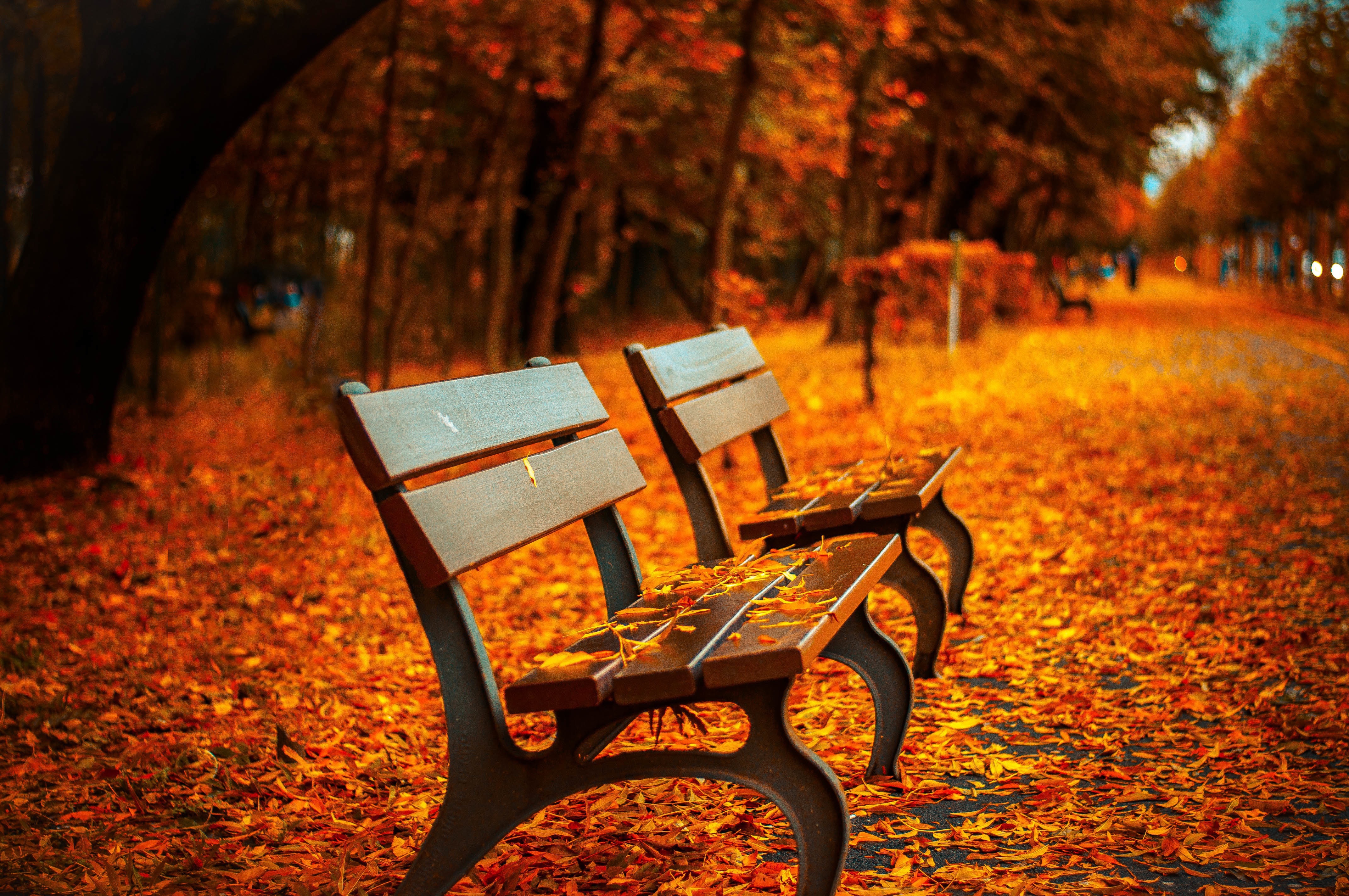
Peak season is not always the best season. The busiest months may offer reliable weather and a full calendar of attractions, but they can also bring crowded streets, sold-out hotels, higher airfares and long queues. Shoulder season—the period between a destination’s busiest and quietest months—can offer a more balanced trip for travelers who are flexible about dates.
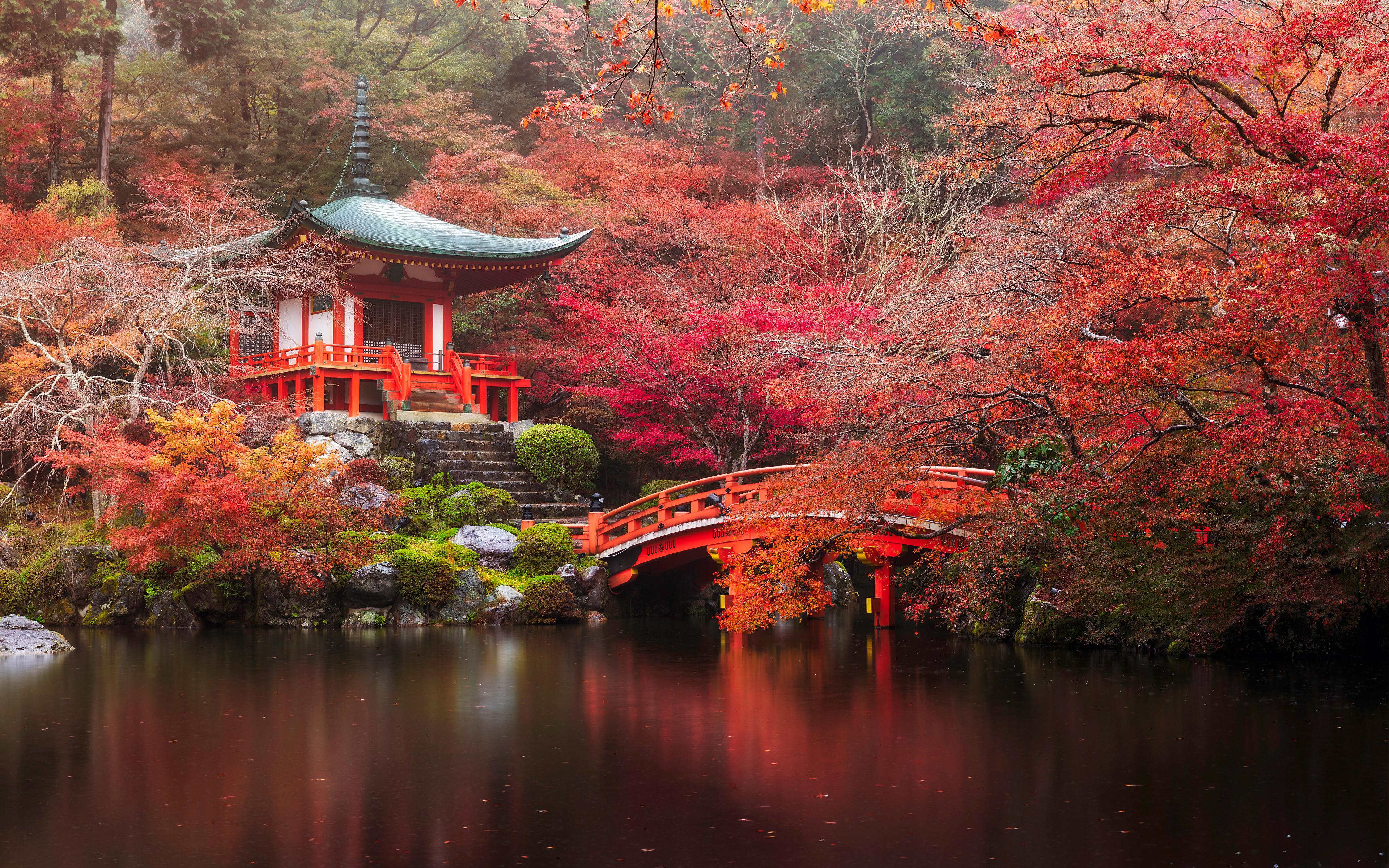
The key is to avoid treating shoulder season like a guaranteed bargain. Weather can be unpredictable, some attractions may run shorter hours, ferries may have reduced schedules and local events can suddenly raise demand. The best approach is to use shoulder season as a planning framework, then verify the exact conditions for your dates.
This guide covers several destinations that can work well during less-crowded periods and explains what to check before booking. If your priority is affordability, TourLix’s international budget travel guide is a useful companion.
What Shoulder Season Really Means
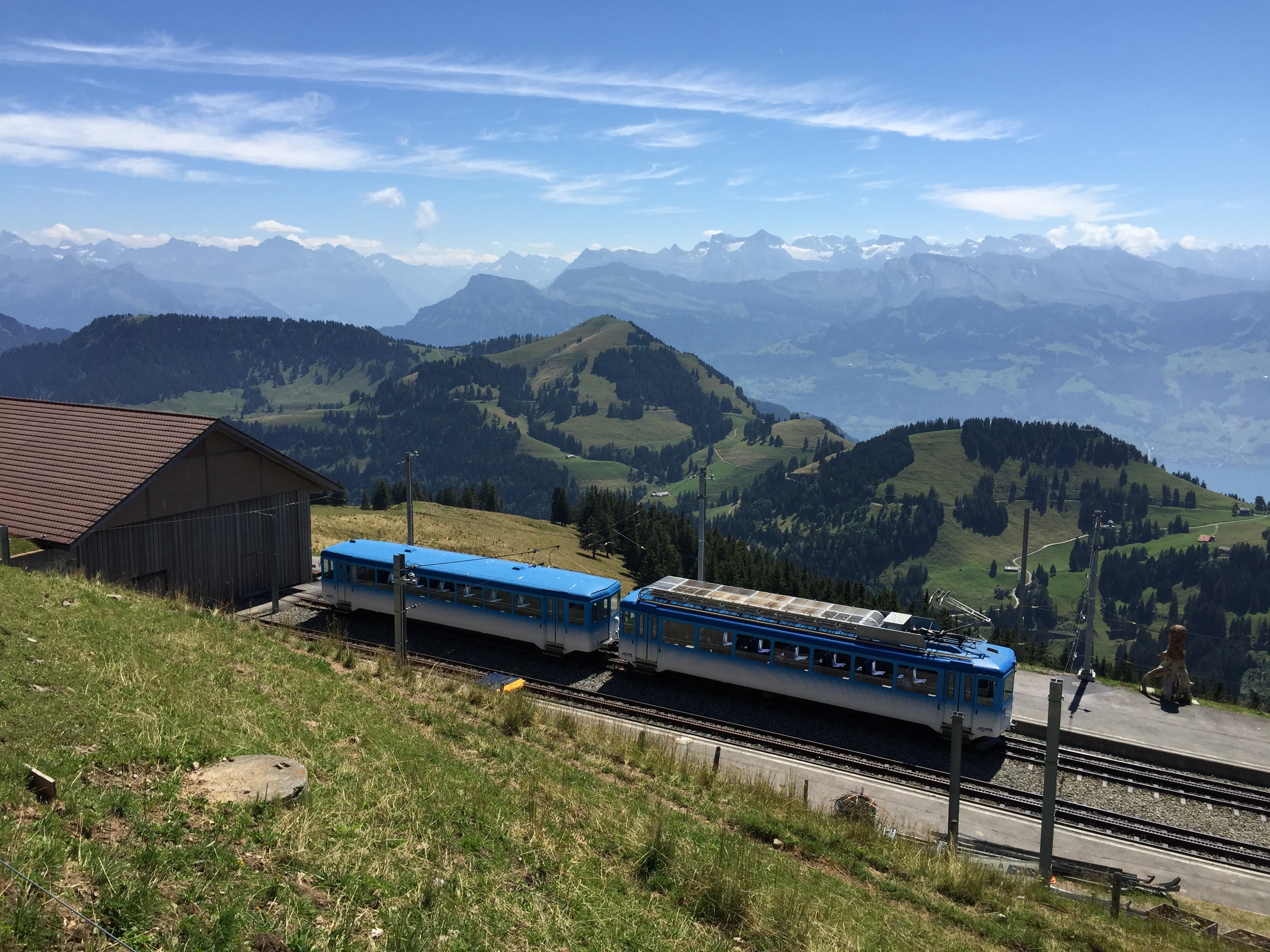
Shoulder season is not a fixed global calendar. It varies by region, altitude, weather pattern, school holidays and local events. In Mediterranean destinations, spring and early autumn are often quieter than midsummer. In mountain regions, the transition between ski season and summer hiking can be much quieter. In tropical regions, the period just before or after the wettest months may offer different trade-offs.
Why travelers often prefer it
- Popular areas may feel less congested.
- Accommodation can have more availability.
- Restaurant reservations may be easier.
- Temperatures can be more comfortable for walking.
- Local life may feel more visible outside the busiest tourist weeks.
- Flights and hotels may offer better value on some dates.
None of these benefits is guaranteed, so always compare actual prices and schedules rather than relying on general seasonal advice.
Portugal: City Breaks and Coastal Travel Beyond High Summer
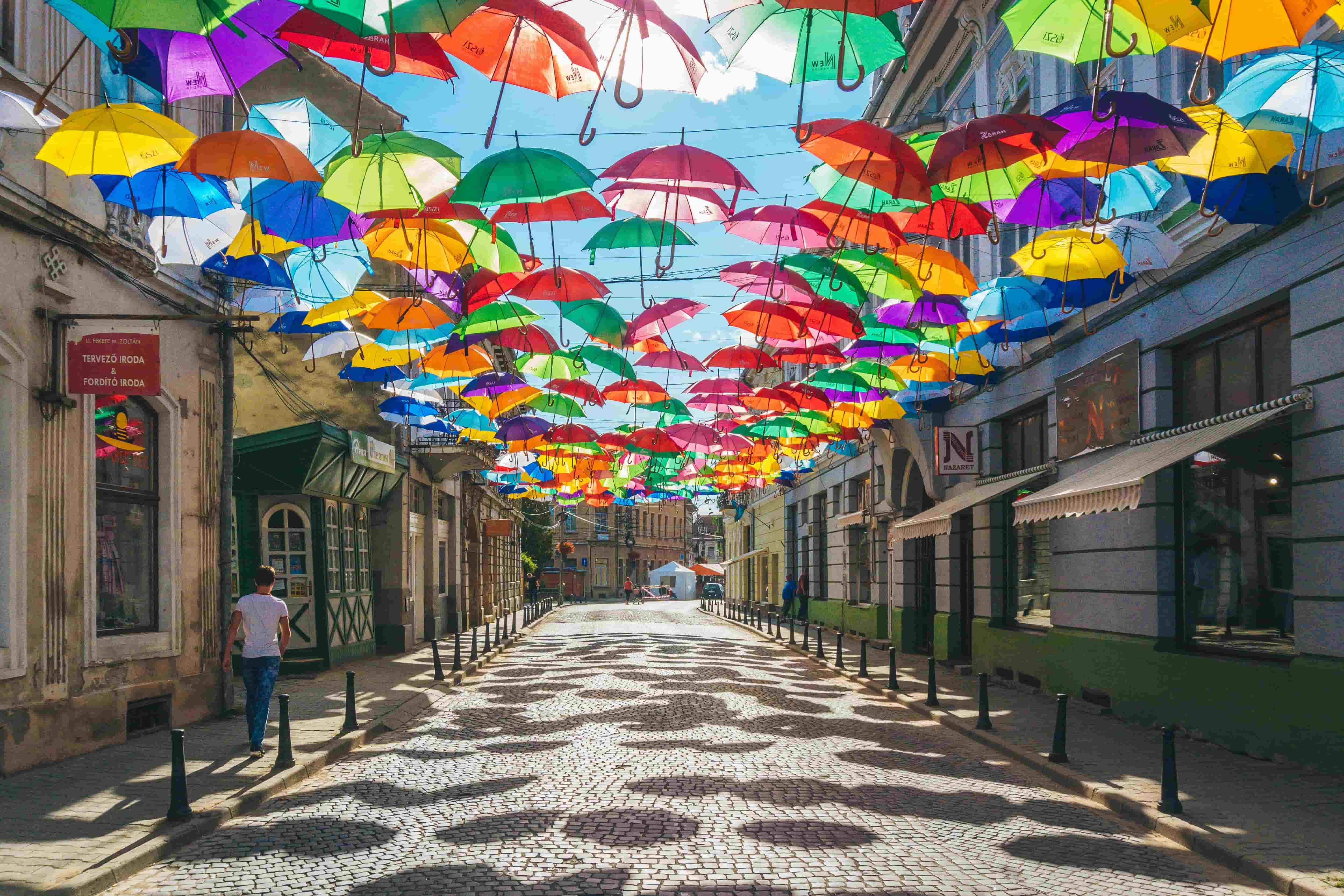
Portugal can be especially appealing in spring and autumn, when travelers may find milder walking conditions in Lisbon and Porto and a different atmosphere along coastal regions. The Algarve, for example, can feel much less intense outside the busiest summer weeks, although beach weather and swimming conditions vary.
What to verify
Check daylight hours, local transport, seasonal hotel closures in smaller resort areas and the opening schedules of attractions. For current destination information, use Visit Portugal.
A smart itinerary might combine two or three nights in Lisbon with a slower stay in another region rather than trying to cover the whole country. Rail travel can make this easier for visitors who prefer not to drive.
Japan: Strong Experiences Outside the Biggest Holiday Windows
Japan has distinct seasons, and each one changes the travel experience. Spring blossom periods and certain autumn weeks can be extremely popular, while other parts of spring and autumn may offer pleasant conditions with fewer crowds in some cities. Winter can also be rewarding for travelers who enjoy food, hot springs and seasonal landscapes.
Think beyond Tokyo and Kyoto
Even when major cities are busy, secondary destinations can provide a calmer experience. Consider regional cities, smaller historic towns and countryside stays that connect well by rail. The Japan National Tourism Organization publishes current destination information and seasonal planning guidance.
TourLix also has a broader article on Japan’s continuing appeal to international travelers.
Greece: Islands and Historic Cities With Different Seasonal Rhythms
Greece is often associated with July and August, but shoulder-season travel can offer a different experience. Athens can be more comfortable for long days of walking outside the hottest period, while islands may feel quieter before or after peak summer.
Ferry schedules matter
Island-hopping requires more careful planning outside peak months because routes can change. Do not assume every connection runs daily. Check official or operator schedules close to departure and avoid building a tight itinerary around a single seasonal ferry.
The official Visit Greece portal is a useful source for destination ideas and regional information.
Croatia: Historic Coastlines Without Peak-Summer Intensity
Croatia’s Adriatic destinations attract large summer crowds, particularly in famous historic centers. Visiting during late spring or early autumn can change the pace considerably. Walking city walls, exploring old towns and using coastal transport may feel more relaxed, though sea temperatures and ferry frequency can differ from midsummer.
Balance coast and inland travel
Instead of focusing only on the busiest coastal icons, consider a mixed itinerary that includes inland parks, smaller towns or a city such as Zagreb. This spreads tourism spending more widely and can create a more varied trip.
Turkey: Culture, Coast and City Travel in Milder Periods
Turkey covers a huge geographic area, so one seasonal rule does not fit every region. Istanbul, Cappadocia, the Aegean coast and Mediterranean resort zones have different weather patterns. Shoulder-season travelers can often enjoy major cultural sights with less intense heat than midsummer.
Build weather flexibility into the itinerary
If balloon rides, boat trips or outdoor excursions are important, allow backup time because weather can affect operations. Do not make a single weather-dependent activity the only reason for a short stop.
Current regional information is available through Go Türkiye.
Morocco: Better Walking Conditions Can Transform the Trip
Morocco combines cities, desert regions, mountains and coast, so seasonal planning matters. For many travelers, avoiding the hottest periods can make medina exploration and outdoor sightseeing more comfortable. Even then, temperatures can vary sharply between daytime and evening, especially in inland and desert areas.
Pack for variation, not a single forecast
Layered clothing is useful when moving between regions. Check local conditions for Marrakech, Fez, coastal cities and desert routes separately rather than relying on a national forecast.
Canada: Shoulder Season Depends Heavily on Region
Canada illustrates why broad “best time to visit” advice can be misleading. Vancouver, Toronto, Montreal, the Rockies and Atlantic Canada have very different seasonal patterns. Early autumn can be excellent in some regions, while mountain weather can change quickly and certain seasonal services may reduce operations.
National parks require extra planning
Road conditions, trail access, wildlife activity and visitor services can change by season. Use Parks Canada for current park information rather than relying on old blogs or social media posts.
New Zealand: A Destination Where Season Changes the Entire Route
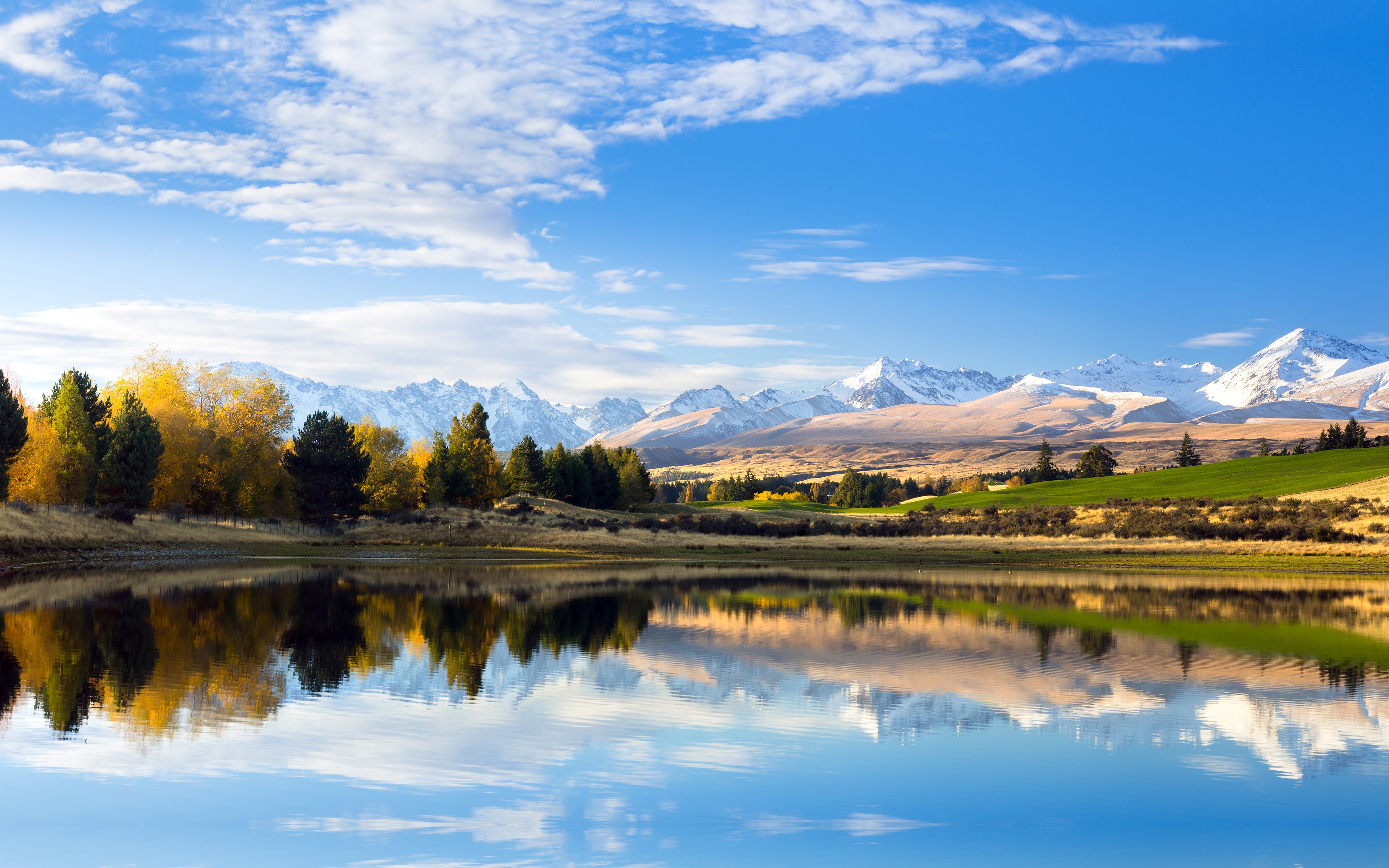
New Zealand’s weather can shift quickly, and the North and South Islands can feel very different at the same time of year. Spring and autumn can offer fewer visitors in some places, but hikers, road trippers and outdoor travelers should prepare for variable conditions.
Do not overpack the itinerary
Weather delays are easier to manage when the schedule includes spare time. A route with one major activity every day can become stressful if a storm affects roads, ferries or outdoor excursions. A slower plan improves resilience and often leads to better experiences.
Quick Destination Comparison
| Destination | Shoulder-season strength | What to check |
|---|---|---|
| Portugal | City walking and coastal variety | Seasonal resort services |
| Japan | Distinct seasonal culture | Holiday periods and local events |
| Greece | Historic sites with less heat | Island ferry frequency |
| Croatia | Quieter historic coast | Boat and ferry schedules |
| Turkey | Culture and outdoor sightseeing | Regional weather differences |
| Morocco | More comfortable urban walking | Large day-night temperature swings |
| Canada | Regional scenery and cities | Park services and road conditions |
| New Zealand | Road-trip flexibility | Fast-changing weather |
How to Find the Best Dates Instead of Guessing
Do not choose dates based only on a generic “best months” article. Use a simple decision process that combines climate, crowds, price and the exact experiences you want.
Step-by-step shoulder-season planning
- List the three activities that matter most.
- Check whether each activity is seasonal or weather-dependent.
- Review historical climate averages, but treat them as context rather than a forecast.
- Check school holidays and major local events.
- Compare flight and hotel prices across several date ranges.
- Review public transport or ferry schedules.
- Choose refundable or flexible bookings when uncertainty is high.
Shoulder Season Is Not Always Cheaper
A major festival, conference, sporting event or holiday can make a supposedly quiet month expensive. Dynamic hotel and airline pricing also means there is no universal “cheap week.” Compare the total trip cost instead of assuming seasonal labels will produce savings.
This includes accommodation, local transport, baggage, attraction tickets and any extra costs caused by reduced seasonal services. A cheaper hotel can lose its advantage if you need more taxis because local buses run less frequently.
Safety and Weather Planning Still Matter
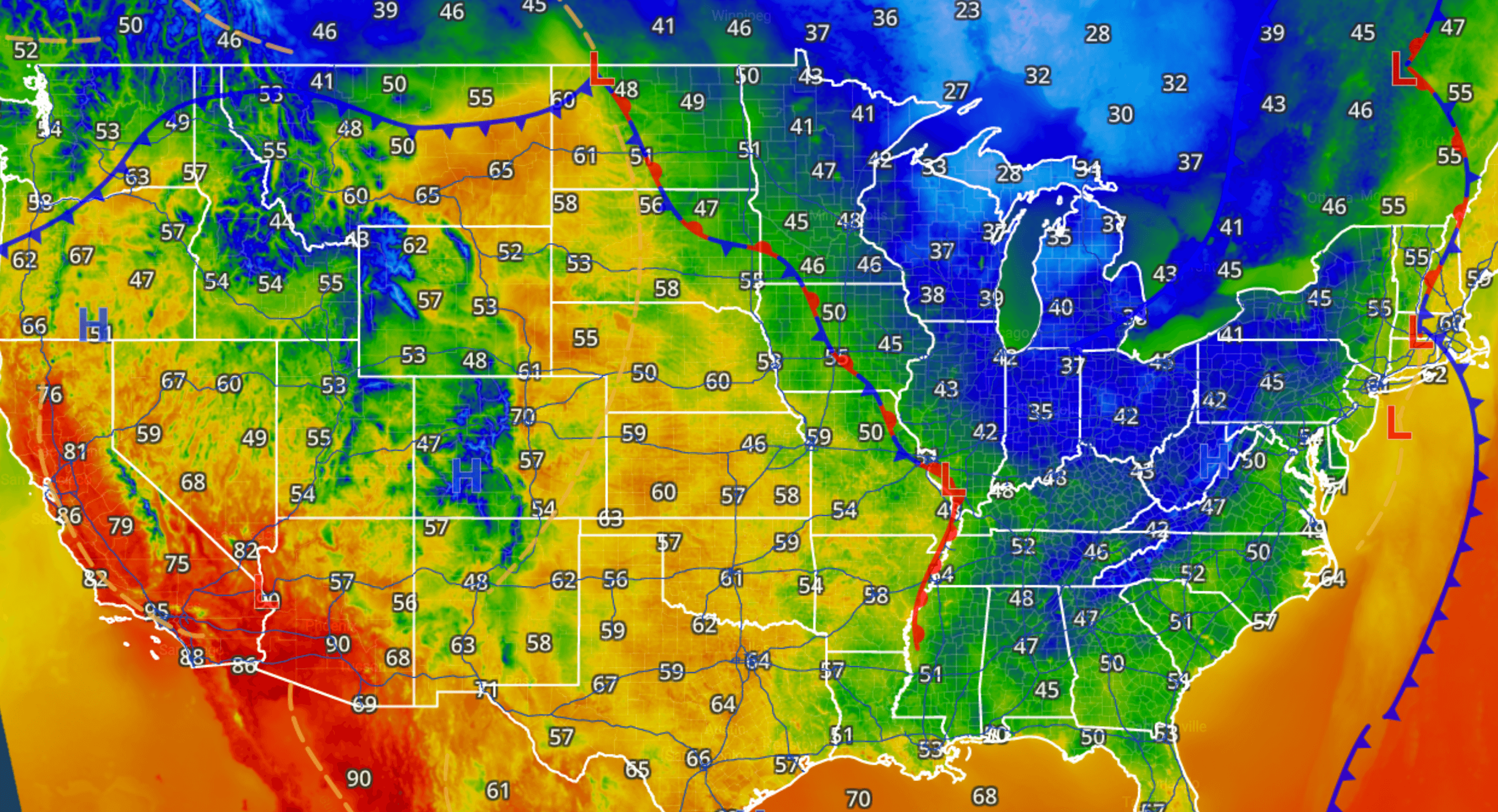
Shoulder season can bring rain, temperature swings, storms or early snow in some destinations. Review official weather and transport information before travel. Travelers should also keep appropriate insurance and health documentation. The World Health Organization’s travel and health guidance recommends preparing for destination-specific risks before departure.
How Shoulder-Season Travel Can Support Better Visitor Management
Traveling outside the busiest weeks can help spread demand across more of the year, although responsible tourism depends on much more than timing. UNESCO’s World Heritage and Sustainable Tourism Programme emphasizes balanced tourism management that protects heritage and benefits communities.
Travelers can contribute by using local guides, respecting visitor limits, staying on marked trails, supporting local businesses and avoiding behavior that damages residential neighborhoods.
Frequently Asked Questions
What months are usually shoulder season?
There is no universal answer. In many temperate destinations it may fall in spring or autumn, while tropical and mountain destinations follow different patterns. Always check the specific region.
Is shoulder season good for families?
It can be, especially if lower crowd levels matter to you. Families should verify school schedules, attraction hours, weather and transport frequency before booking.
Will everything be open?
Not necessarily. Seasonal hotels, restaurants, tours and ferries may reduce operations. This is especially important on islands and in resort towns.
Should I book in advance?
Popular places can still sell out, particularly around events. Reserve must-have accommodation and experiences, but keep some daily flexibility.
Actionable Conclusion
Shoulder-season travel works best for people who value flexibility more than certainty. Portugal, Japan, Greece, Croatia, Turkey, Morocco, Canada and New Zealand can all offer rewarding experiences outside their busiest weeks, but the trade-offs differ in every region.
Choose dates based on the experiences you actually want, check local transport and seasonal services, compare real prices and leave room for weather changes. Done well, a shoulder-season trip can feel less rushed, more comfortable and more connected to the destination than a peak-season itinerary built around crowds and fixed schedules.




One Comment