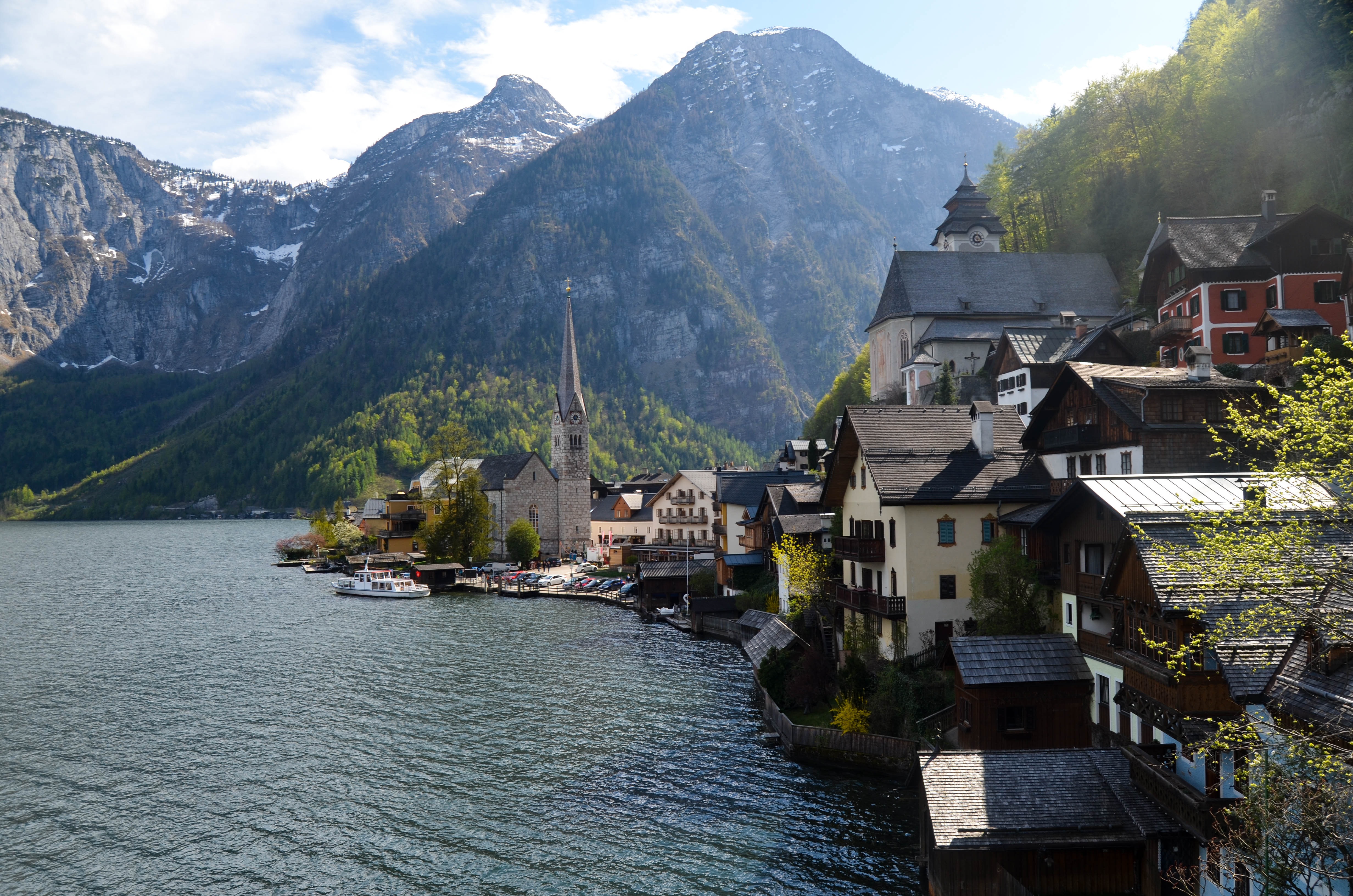

Coastal travel does not have to mean peak-summer beaches, packed promenades and expensive resort weeks. In many destinations, the months outside the busiest season offer a different kind of trip: cooler walking weather, quieter historic centers, easier restaurant reservations and more space to explore the shoreline without building every day around swimming.

Off-season coastal travel comes with real trade-offs. Sea conditions may be rougher, some beach businesses close, ferries can run less frequently and daylight may be shorter. The right traveler treats those differences as part of the plan rather than expecting a summer holiday at a lower price.
This guide highlights coastal destinations where travel can remain rewarding outside peak beach season because the experience includes culture, food, hiking, architecture or local life. It also explains how to check weather, transport, closures and safety before booking. For broader seasonal planning, see TourLix’s shoulder-season destination guide.
What Makes a Coastal Destination Worth Visiting Off-Season?
A strong off-season coastal destination has enough depth to remain interesting when swimming and sunbathing are not the main activities. Year-round cities and lived-in towns tend to work better than seasonal resort strips.
Look for these qualities
- Historic towns or cities with year-round local life.
- Coastal walking routes or viewpoints.
- Museums, markets and food experiences.
- Reliable rail or bus connections.
- Restaurants that serve residents, not only tourists.
- Indoor alternatives for rainy or windy days.
- Nearby day trips that do not depend on summer boat schedules.
If a destination depends almost entirely on beach clubs, seasonal ferries and outdoor nightlife, a very quiet month may feel empty rather than peaceful.
Lisbon and the Portuguese Atlantic Coast
Lisbon works well for travelers who want access to the Atlantic without making the beach the only purpose of the trip. Historic neighborhoods, food, museums and public transport create a complete city break, while nearby coastal towns can be added when the forecast looks favorable.
Use the coast as a flexible day
Plan the city as the core itinerary and keep a coastal excursion flexible. This makes it easier to move a day trip around wind or rain. Official destination information is available through Visit Lisboa and Visit Portugal.
Instead of assuming every beach train or local restaurant runs on peak-season frequency, check current schedules shortly before travel. A quieter coastline can be attractive precisely because local life becomes more visible.
San Sebastián, Spain: Food and Waterfront Walking
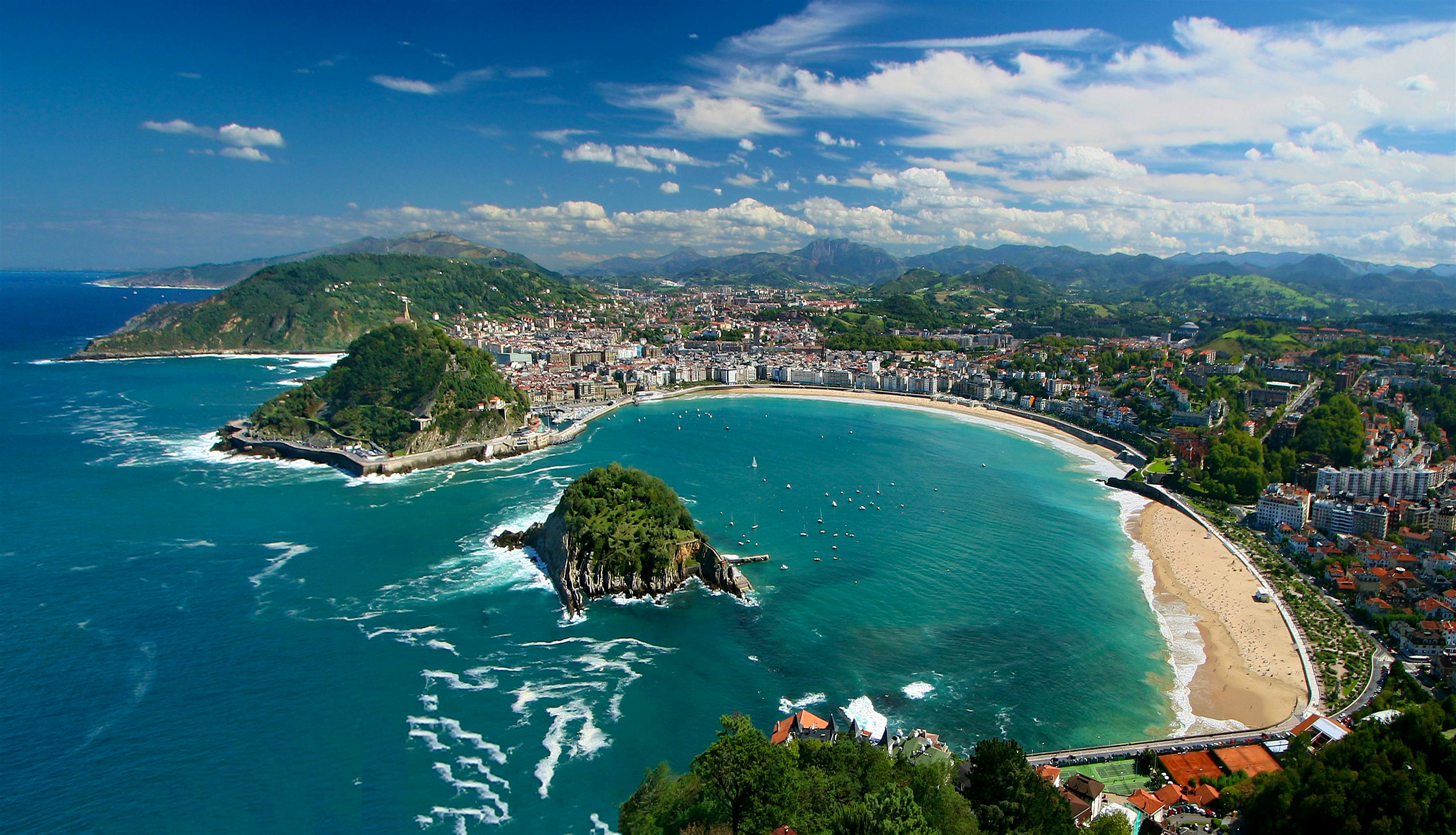
San Sebastián has a strong identity beyond beach weather. Its food culture, compact center, waterfront and nearby hills make it appealing even when temperatures are not suited to swimming.
Build the trip around food and neighborhoods
Plan markets, pintxos, coastal walks and one or two cultural stops. Rain is possible, so keep indoor options ready and avoid scheduling every meal around one famous restaurant. A flexible food-focused itinerary often works better than chasing a list of viral spots.
Comfortable waterproof shoes can matter more here than beach gear during cooler months.
Split, Croatia: Historic Center With Adriatic Access
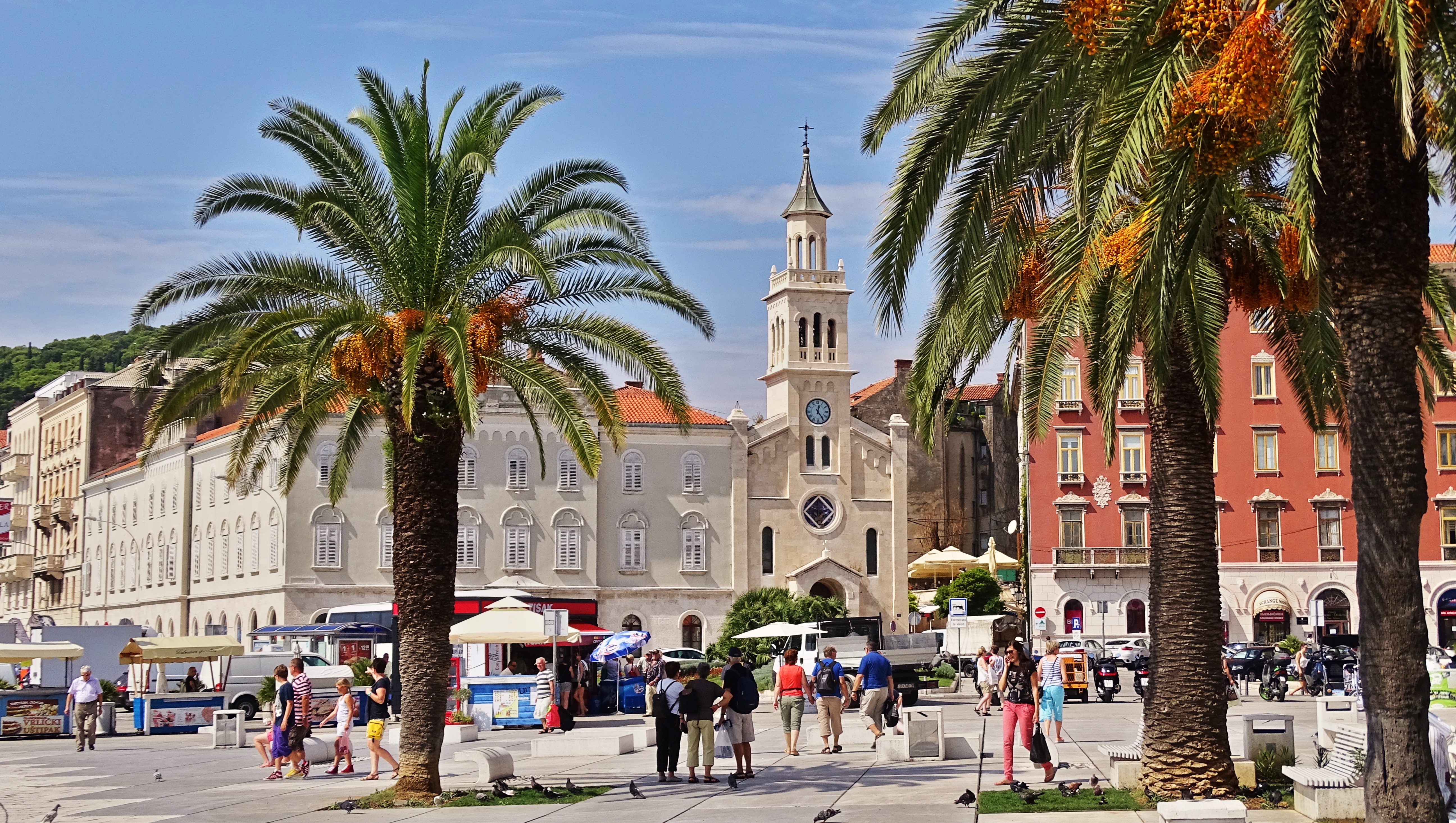
Split combines a lived-in historic center with the Adriatic coast, making it more resilient outside high summer than a pure resort town. Off-season visitors can focus on historic streets, markets, local food and waterfront walking while treating island excursions as schedule-dependent additions.
Check ferry timetables before building an island plan
Reduced frequency can make a route that works perfectly in July difficult in a quieter month. Confirm each ferry directly with the operator and avoid booking nonrefundable accommodation that depends on a tight seasonal connection.
If island-hopping is your main goal, shoulder season may work better than deep off-season. If history and local atmosphere matter more, the quieter months can still be rewarding.
Nice, France: Riviera Scenery With City Infrastructure
Nice has museums, markets, restaurants and rail connections that make it useful outside summer. The seafront remains part of the experience even when the trip is about walking, food and city life rather than swimming.
Use regional trains for variety
Nearby coastal towns can be reached without renting a car, but engineering works and seasonal schedules can change. Build day trips around current rail information rather than an old itinerary copied from a forum.
A city base also gives travelers an easy indoor fallback when coastal weather becomes uncomfortable.
Busan, South Korea: Coastal City Life Beyond the Beach

Busan is a large city with beaches, markets, temples, seafood and urban neighborhoods. Because it is not purely a resort destination, travelers can still build a strong itinerary when beach weather is not ideal.
Expect different conditions across the city
The coastline is extensive. A destination that looks nearby on a city map may require a long metro or bus ride, so group sights by district. The official Visit Busan portal can help with current local planning.
Off-season travelers should prioritize neighborhoods, markets and cultural sites while treating beach walks as weather-dependent.
Cape Town, South Africa: Coast, City and Landscapes
Cape Town offers beaches, mountains, food, neighborhoods and cultural attractions. Seasonal weather can be variable, so the city is strongest when the itinerary does not depend on one outdoor activity.
Keep mountain and coastal days flexible
Wind and cloud can affect visibility and operations. If a major outdoor experience matters, give yourself more than one possible day. Follow official safety and access guidance for hikes rather than relying on user-generated shortcuts.
A mixed itinerary with museums, food, waterfront time and flexible outdoor days is more resilient than a schedule built entirely around views.
Sydney, Australia: Harbor and Coastal Walks With Urban Backup
Sydney’s beaches are famous, but its harbor, museums, neighborhoods and public transport make it a broader city experience. Cooler periods can be comfortable for long walks, though water-based activities depend on conditions.
Walk sections, not the entire coastline at once
Coastal paths can add up quickly. Choose one manageable route and use buses, trains or ferries to connect different areas. This reduces fatigue and leaves enough energy for the rest of the city.
Check official beach warnings and local transport information on the day rather than assuming a route is unchanged year-round.
Essaouira, Morocco: Atlantic Atmosphere and a Strong Local Identity
Essaouira is known for its fortified medina, fishing harbor, arts atmosphere and windy Atlantic weather. It suits travelers who want a smaller coastal destination where the trip does not depend on resort infrastructure.
Pack for wind and cooler evenings
Coastal conditions can feel much cooler than inland Morocco. Layers are useful, and travelers should check local forecasts rather than assuming national weather applies to the coast.
The medina, harbor and food scene make the city more than a beach stop, which is exactly what helps it work in less predictable seasons.
Quick Coastal Destination Comparison
| Destination | Off-season strength | Main trade-off |
|---|---|---|
| Lisbon coast | City culture + Atlantic access | Variable beach weather |
| San Sebastián | Food and waterfront walking | Rain |
| Split | Historic center + Adriatic | Reduced ferry schedules |
| Nice | Museums + Riviera rail | Cooler sea conditions |
| Busan | Markets + coastal city life | Long intra-city distances |
| Cape Town | Mountains + coast + city | Wind and weather |
| Sydney | Harbor + walks + museums | Water conditions vary |
| Essaouira | Medina + Atlantic atmosphere | Windy conditions |
Off-Season Does Not Mean Everything Is Open
Seasonal closures are one of the biggest practical differences between peak and off-season coastal travel. Restaurants, ferries, beach facilities and small hotels may reduce hours or close entirely.
Check before booking
- Airport or rail connections.
- Ferry frequency.
- Restaurant opening days.
- Local public transport hours.
- Museum and attraction schedules.
- Whether your hotel offers appropriate heating or climate control.
Do not assume a property that looks busy in summer photos has the same atmosphere in January or during the local rainy season.
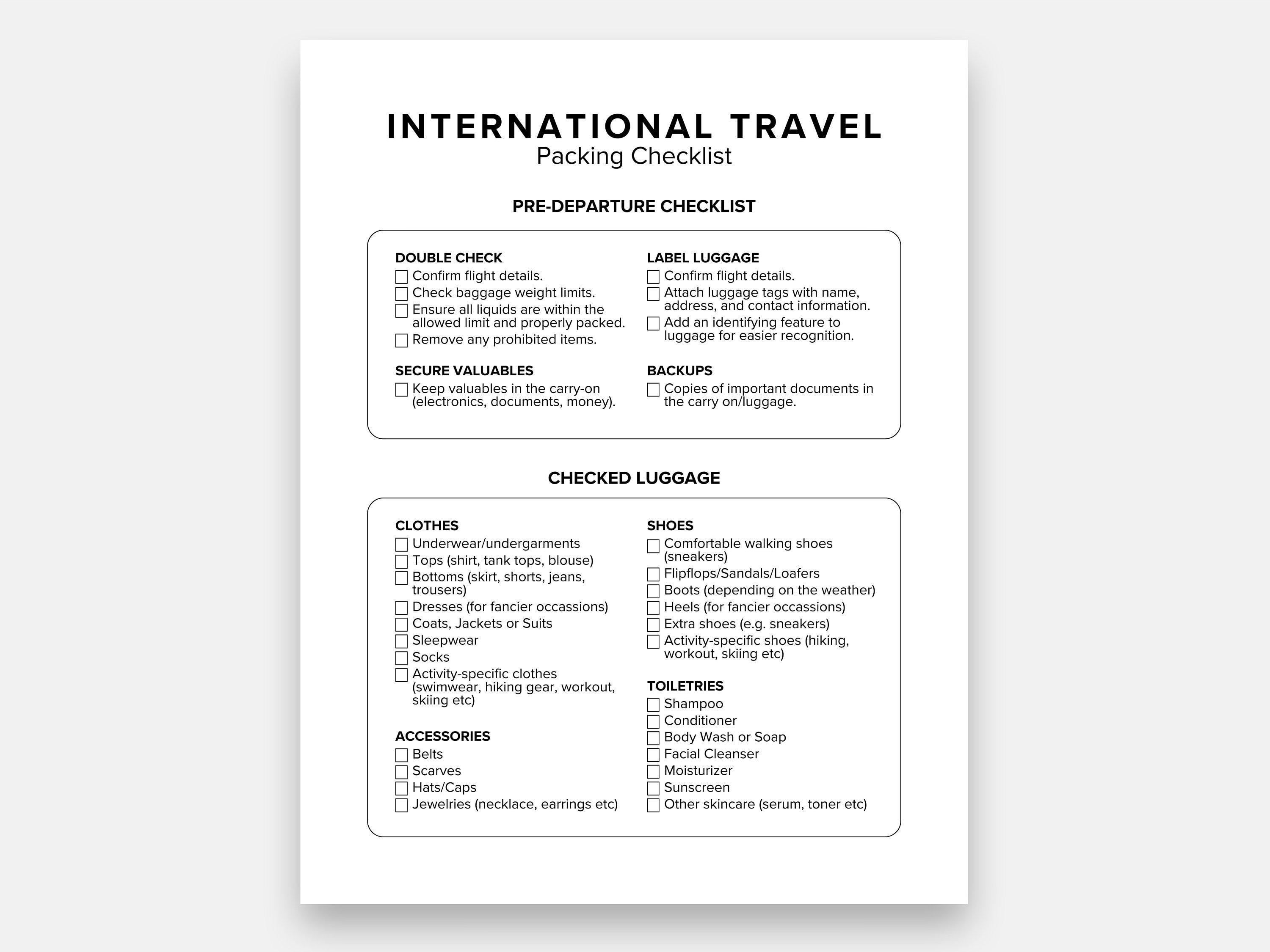
How to Pack for a Coastal Trip Outside Summer
Wind changes how temperatures feel. A forecast that looks mild can feel cold on an exposed waterfront. Pack layers rather than one heavy item so you can adjust throughout the day.
Useful items
- Light waterproof jacket.
- Comfortable shoes with grip.
- Layering top or sweater.
- Compact umbrella where practical.
- Sun protection even in cooler weather.
- Small day bag for changing layers.
Should You Rent a Car?
It depends on the region. Cities such as Lisbon, Nice, Busan and Sydney can work well without one. More rural coastal areas may be easier with a car, but parking, road conditions and local driving rules should be part of the decision.
For car-free planning, TourLix’s walkable city break guide offers a useful framework.
Use Accommodation That Matches the Season
A hotel chosen for summer may not be ideal in a cooler month. Outdoor pools, rooftop bars and beach shuttles may be closed, while heating quality, indoor lounge space and proximity to restaurants become more important.
Before booking, ask
- Which facilities operate year-round?
- Are restaurants open on your dates?
- Does the room have heating or climate control?
- Is late transport still available?
- Does the hotel offer flexible cancellation during unstable weather periods?
Budgeting for Off-Season Coastal Travel
Lower room rates do not always mean a cheaper trip. Reduced public transport can increase taxi use, and fewer open restaurants can reduce budget choices.
Compare total cost
- Accommodation.
- Airport transfer.
- Local transport.
- Food availability.
- Seasonal activity pricing.
- Travel insurance.
TourLix’s travel budget guide explains how to estimate the full trip before committing.
Coastal Safety Still Matters in Cool Weather
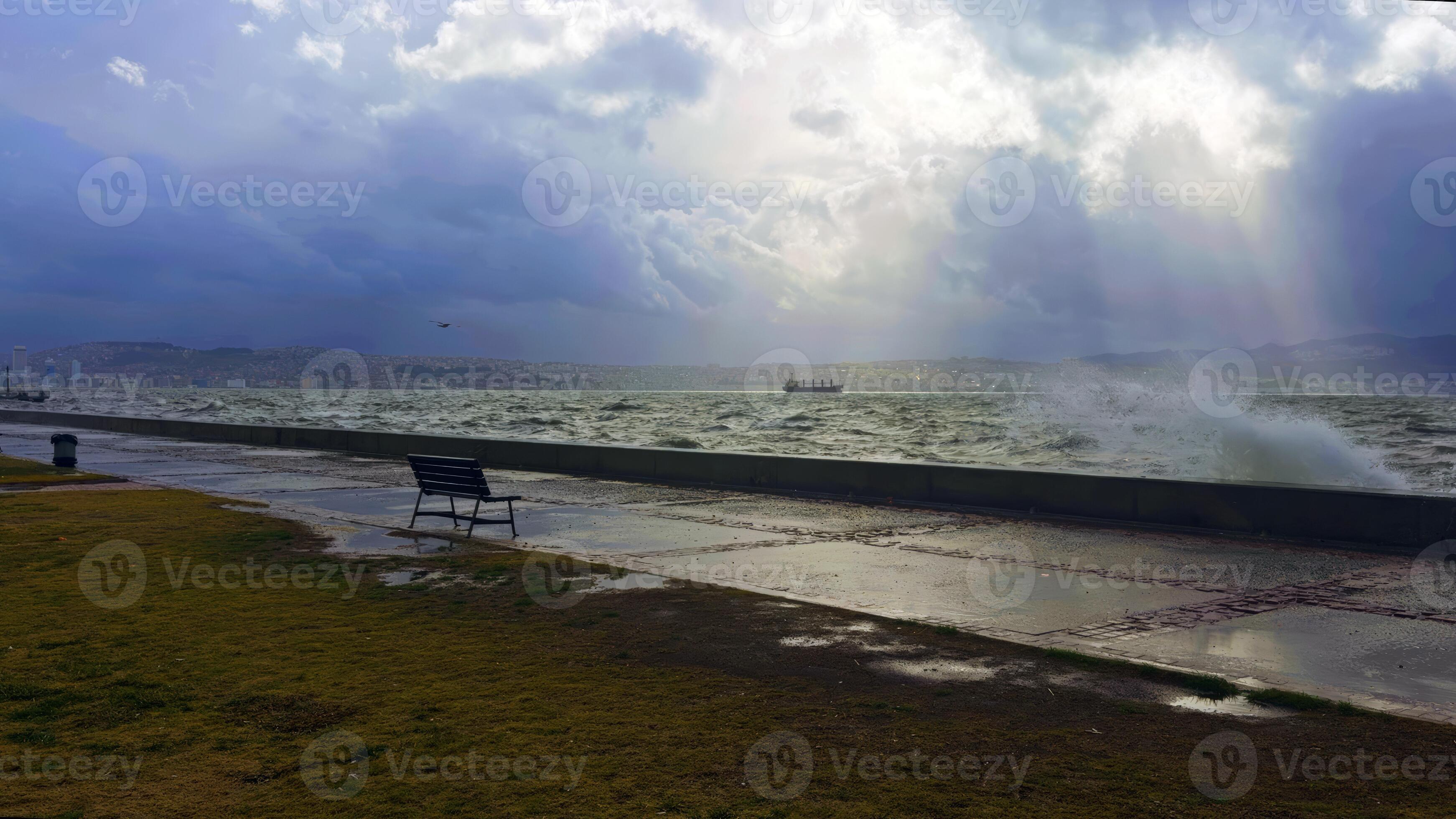
Rough seas, slippery rocks and high winds can be dangerous even when nobody is swimming. Stay behind barriers, follow local warnings and avoid going onto wave-exposed rocks for photographs.
The World Health Organization’s travel and health guidance recommends preparing for destination-specific environmental and health risks before departure.
Photography Around Rough Seas Requires Restraint
Large waves can look dramatic through a camera, but shoreline conditions can change quickly.
Do not chase the photograph
- Stay on marked viewpoints.
- Respect temporary closures.
- Keep distance from cliff edges.
- Do not turn your back on surf in exposed areas.
- Follow lifeguard and local authority instructions.
Responsible Coastal Travel
Coastal environments can be sensitive to erosion, waste and habitat disturbance. Use marked paths, avoid removing shells or natural materials from protected areas and respect restrictions around dunes, nesting birds or marine reserves.
UNESCO’s sustainable tourism programme highlights the need to balance tourism with protection of natural and cultural heritage and the interests of local communities.
A Simple Four-Day Off-Season Coastal Template
Day 1: City and orientation
Stay close to the hotel, walk one central district and check current local conditions.
Day 2: Best-weather outdoor day
Use the strongest forecast for the main coastal walk, viewpoint or boat experience.
Day 3: Culture and food
Plan museums, markets and neighborhoods that work regardless of weather.
Day 4: Flexible day trip
Choose a nearby coastal town or inland alternative based on transport and conditions.
Frequently Asked Questions
Is off-season coastal travel cheaper?
It can be, but prices depend on events, holidays and transport demand. Compare real dates instead of assuming every off-season week is inexpensive.
Will restaurants be open?
In year-round cities, usually many will be, although some seasonal businesses close. Small resort towns can have far fewer options.
Can I still swim?
That depends on water temperature, weather, local conditions and your ability. Never assume the sea is safe because a beach is open.
What is the biggest planning mistake?
Building the entire trip around summer-only activities without checking schedules. Choose a destination with enough culture, food and local life to remain interesting when weather changes.
Actionable Conclusion
Lisbon, San Sebastián, Split, Nice, Busan, Cape Town, Sydney and Essaouira show that coastal travel can be rewarding long after peak beach season ends. Their value comes from combining sea views with food, culture, walking and everyday city life.
Choose a destination that works even on a rainy or windy day, check seasonal transport and opening hours, pack for changing conditions and keep outdoor plans flexible. Off-season coastal travel is best when you stop trying to recreate summer and enjoy the coast on its own terms.