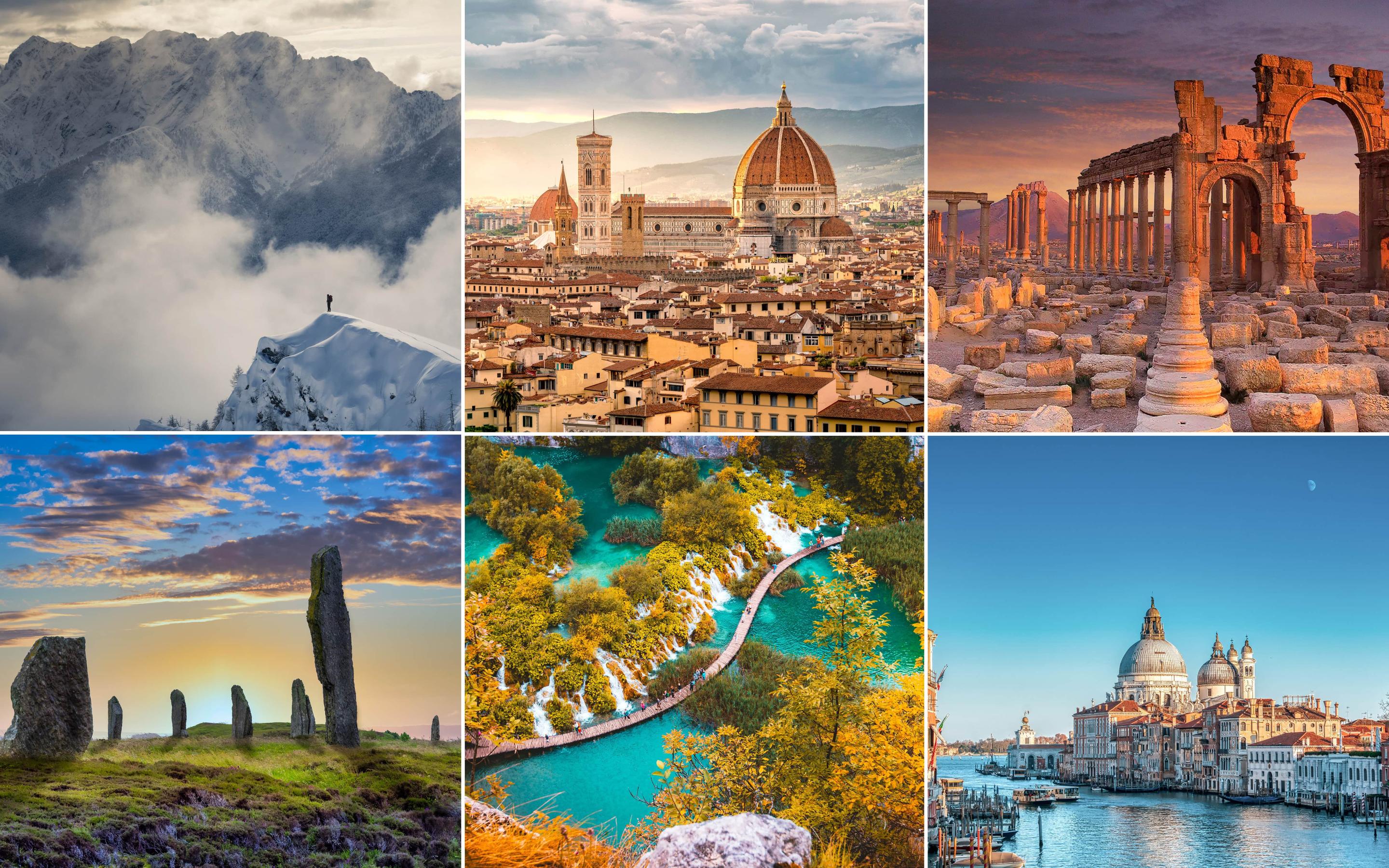
A first international trip can feel overwhelming because everything is new at once: language, transport, food, payment systems, local customs and unfamiliar streets. Choosing the right city can make that learning curve much easier. The best first-trip destinations are not necessarily the simplest or most famous; they are places where travelers can experience real cultural depth without needing an overly complicated itinerary.
A strong cultural city gives visitors multiple ways to understand it. Museums provide context, historic neighborhoods show how people lived, markets reveal everyday food and trade, public spaces show local routines, and modern districts prevent the destination from feeling like an open-air museum.
This guide looks at several culturally rich cities that can suit first-time international travelers when planned thoughtfully. It is not a safety ranking, and entry rules or local conditions can change. Check official sources before booking. TourLix readers can also use our international travel safety guide for a broader preparation checklist.
What Makes a Cultural City Good for a First International Trip?
Culture alone is not enough. A first-time traveler also benefits from clear public transport, reliable accommodation options, strong visitor information and enough variety to recover when the original plan changes.
Look for these practical strengths
- Major attractions are connected by public transport.
- Official tourism information is easy to find.
- There are both free and paid cultural experiences.
- Neighborhoods offer food and daily life beyond tourist zones.
- Travelers can build a good trip without renting a car.
- There are indoor alternatives for bad weather.
The goal of a first trip should not be to master a destination. It should be to feel comfortable enough to explore with curiosity.
Rome, Italy: Layers of History in Everyday Streets
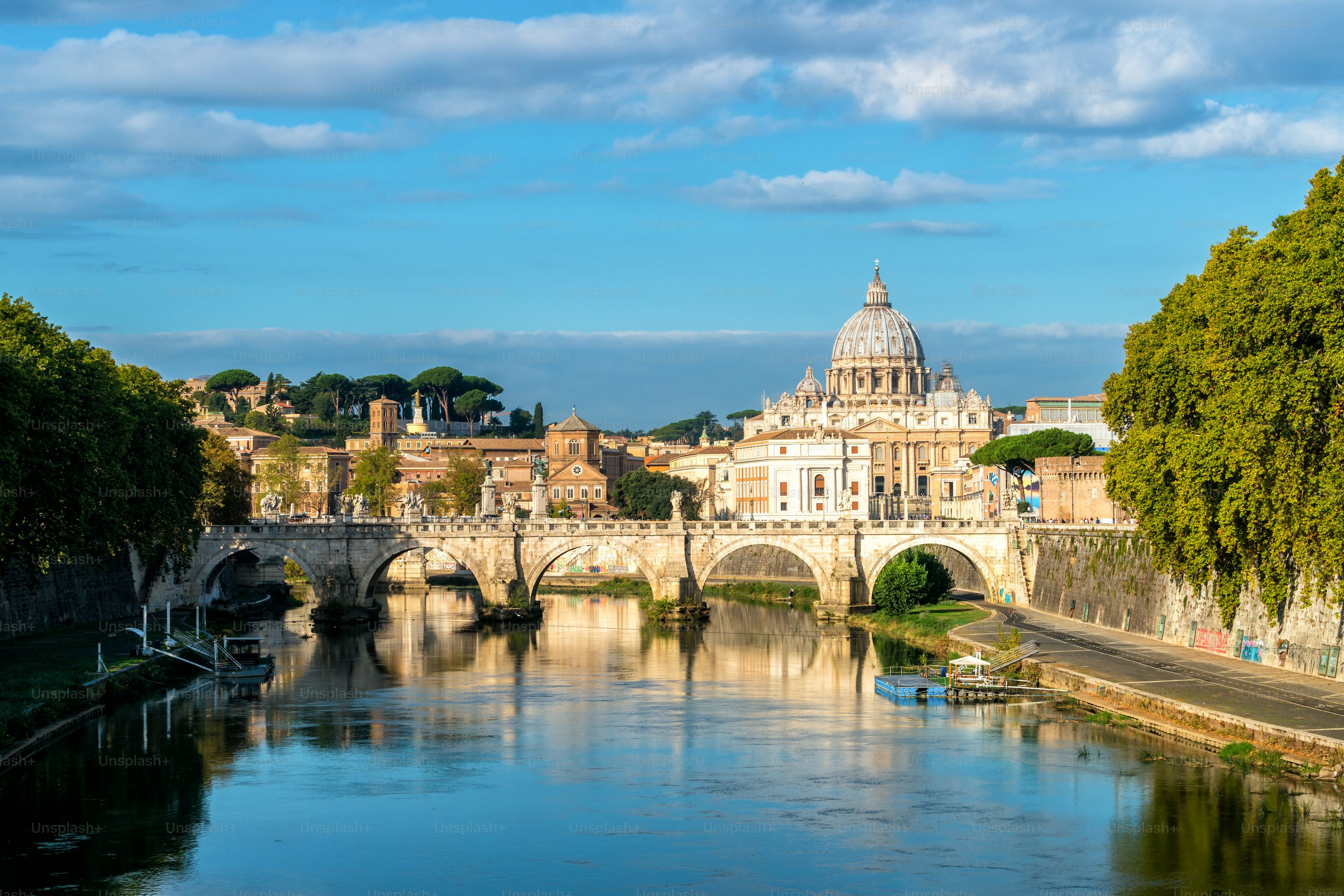
Rome works well for travelers who want history to be visible everywhere. Ancient sites, churches, piazzas, fountains and museums sit within a living modern city. The challenge is scale: a map can make major sights look closer than they feel after hours of walking.
Build Rome by neighborhood
Instead of crossing the city repeatedly, group sights geographically. One day might focus on the ancient center, another on Vatican-area museums and nearby streets, and another on neighborhoods, markets and public spaces.
Historic attractions often have timed-entry systems, so use official ticket sources where possible and avoid buying from random links found through social media.
Kyoto, Japan: Tradition, Craft and Neighborhood Culture
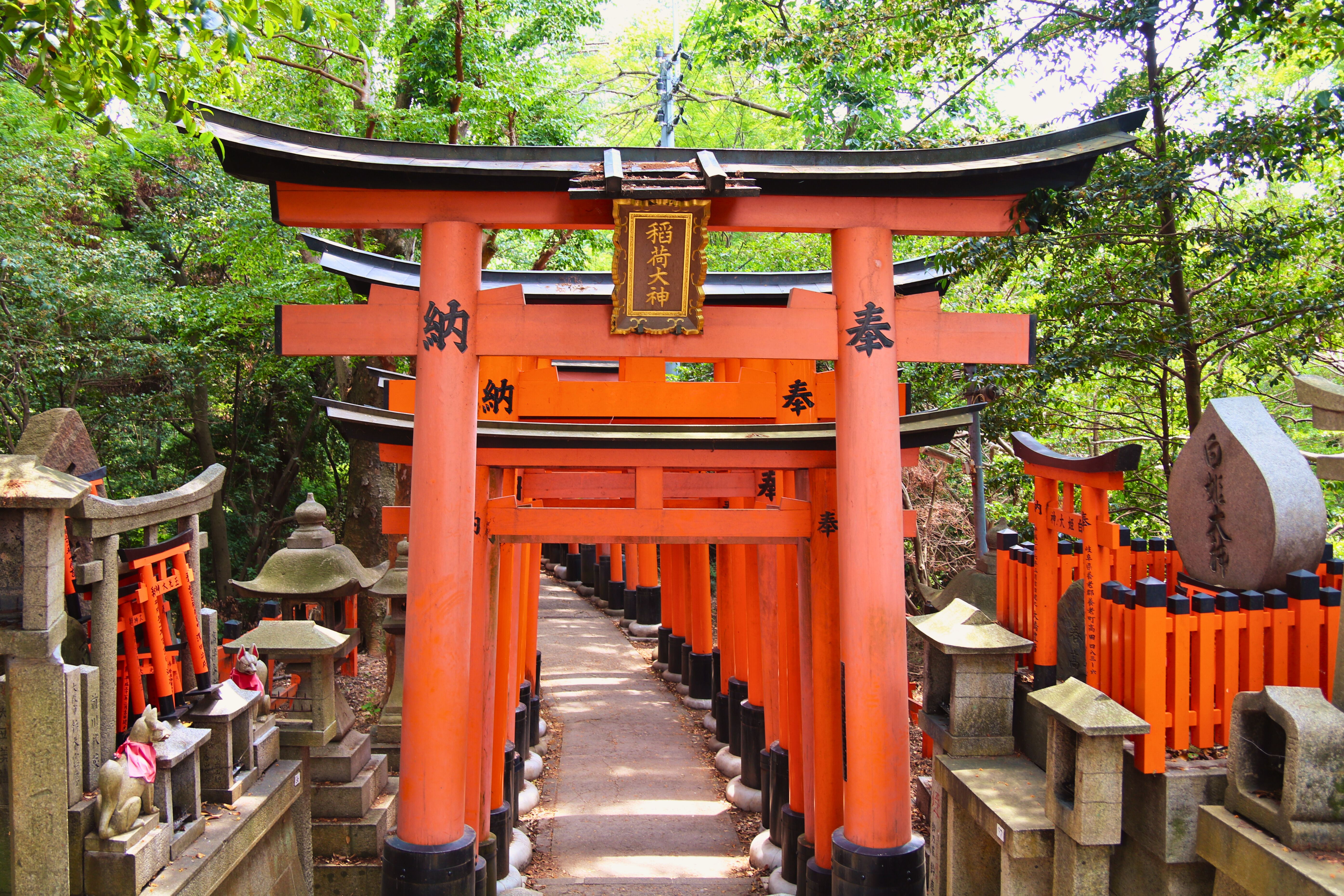
Kyoto offers temples, gardens, historic streets, crafts and food traditions, but first-time visitors often underestimate how spread out the city is. The most effective approach is to explore one district at a time.
Respect cultural sites as active places
Temples and shrines are not simply photo sets. Follow signs, avoid blocking entrances, keep noise low and respect areas where photography is restricted. The Kyoto City Official Travel Guide publishes visitor guidance and current local information.
TourLix’s Japan travel trends guide can help readers build a broader itinerary.
Istanbul, Türkiye: A City Where Continents and Traditions Meet
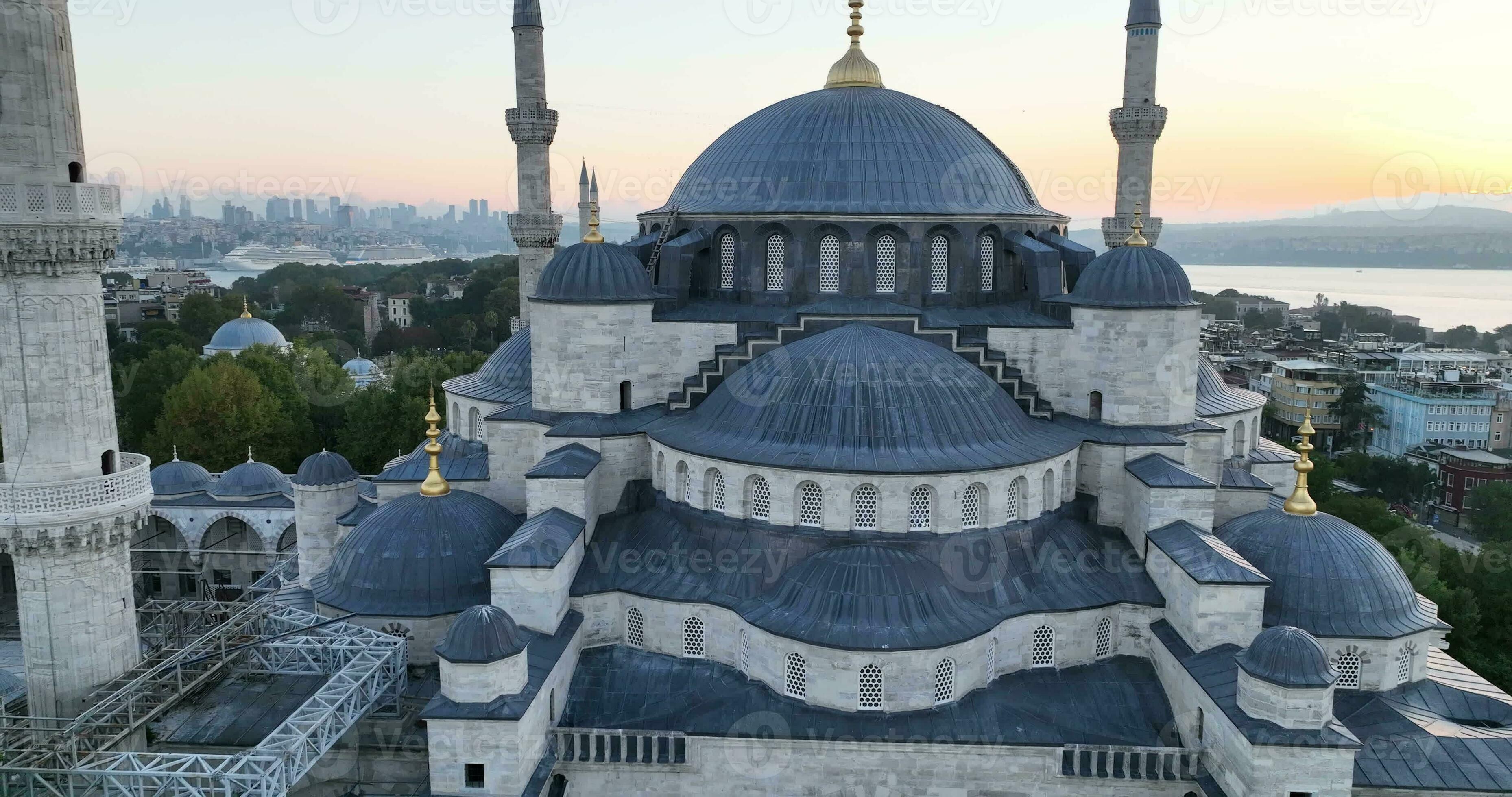
Istanbul combines imperial architecture, mosques, markets, ferries, neighborhoods and a strong contemporary food scene. It can feel intense on a first visit, but it rewards travelers who stop trying to cover both sides of the city in one day.
Use ferries as part of the experience
Public ferries are not only transportation; they are one of the best ways to understand the geography of the city. Build days around clusters such as Sultanahmet, Karaköy/Galata, Kadıköy or the Bosphorus rather than commuting constantly between them.
Official destination information is available through Go Türkiye.
Mexico City, Mexico: Museums, Food and Neighborhood Depth
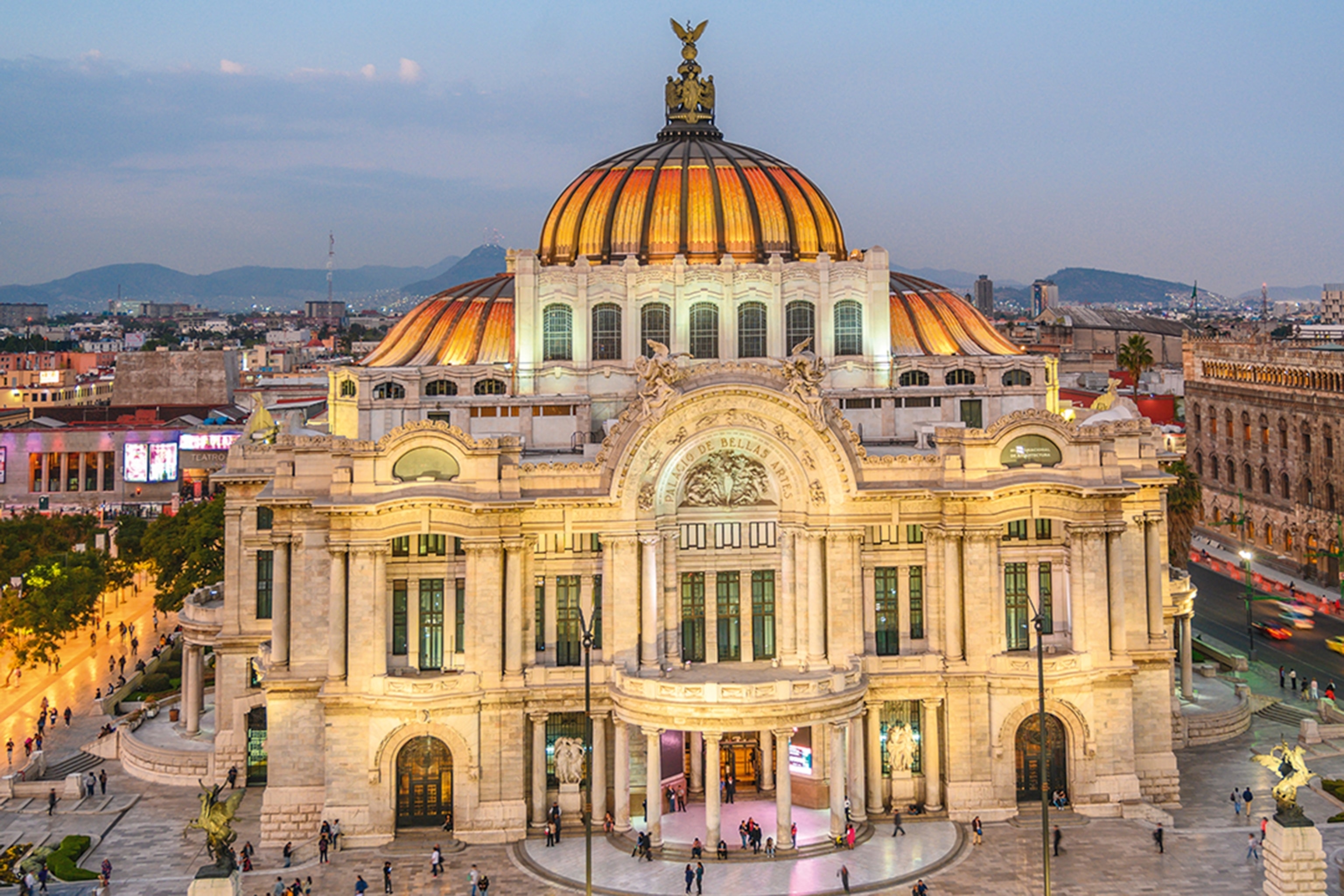
Mexico City is huge, so it may not look like an obvious first-trip destination. Its strength is the concentration of cultural experiences within several well-connected areas: museums, historic architecture, parks, markets and major food traditions.
Do not plan by distance alone
Traffic and city scale matter. Choose accommodation near the neighborhoods you most want to explore, and group activities by area. A day around Chapultepec should not be overloaded with far-away evening reservations unless you have realistic travel time.
Use official cultural institutions and museum websites for current opening hours, especially because weekly closure days can vary.
Vienna, Austria: Museums and Music With Simple Public Transport
Vienna offers a strong combination of cultural depth and practical visitor infrastructure. Historic architecture, museums, classical music and cafes are supported by a public transport network that makes it relatively easy to move between districts.
Choose fewer museums and experience them properly
A common mistake is scheduling three major museums in one day. Cultural fatigue is real. Select one major museum, add a neighborhood walk and leave time for a cafe or park. This produces better memories than rushing through collections simply to say you visited.
Official planning information is available through Vienna’s tourism portal.
Seville, Spain: Architecture, Public Life and Evening Culture
Seville is easier to understand than a huge capital, making it a good option for travelers who want a culturally rich destination at a more manageable scale. Historic streets, plazas, food and performance traditions are concentrated enough for walking.
Plan around heat and local rhythm
In hotter periods, midday sightseeing can be tiring. Use morning and late-afternoon blocks, take a longer lunch or indoor break and avoid forcing a northern-European daily schedule onto a warmer southern city.
Marrakech, Morocco: A Strong First Step Into North African Travel
Marrakech offers markets, gardens, historic architecture and distinctive food traditions. It can be stimulating, especially for travelers who are not used to busy medinas, bargaining or narrow streets.
Use a licensed local guide for context, not just navigation
A good guide can explain architecture, crafts, etiquette and history rather than simply move visitors between shops. Book through established channels and make expectations clear before the tour begins.
Travelers should also learn basic market etiquette and avoid photographing people closely without permission.
Singapore: A Multicultural City With Excellent Visitor Infrastructure
Singapore is a useful first international destination for travelers who want cultural variety with clear transportation. Neighborhoods such as Chinatown, Little India and Kampong Glam offer distinct food, religious sites and community histories within a compact urban system.
Move beyond shopping districts
Singapore becomes more interesting when travelers spend time in hawker centers, heritage areas, parks and museums rather than focusing only on malls and skyline attractions. The official Visit Singapore portal is useful for current event and neighborhood information.
City Comparison Table
| City | Cultural strength | First-trip challenge |
|---|---|---|
| Rome | Ancient and religious history | Walking distances and crowds |
| Kyoto | Temples, gardens and crafts | Sights spread across districts |
| Istanbul | Architecture, markets and ferry culture | City scale and busy transit |
| Mexico City | Museums, food and neighborhoods | Large distances |
| Vienna | Museums and music | Too many cultural options |
| Seville | Architecture and street life | Seasonal heat |
| Marrakech | Markets and Moroccan heritage | Busy medina environment |
| Singapore | Multicultural neighborhoods | Heat and humidity |
How to Avoid “Culture Checklist” Travel
Cultural travel can become shallow when every day is built around collecting famous landmarks. A better approach is to combine one major institution with one everyday experience.
A balanced daily formula
- One museum, monument or major cultural site.
- One neighborhood walk.
- One local food experience.
- One unstructured block for rest or spontaneous discovery.
This gives travelers time to absorb what they are seeing rather than moving immediately to the next attraction.
Museum Planning for First-Time Travelers
Museums can be physically and mentally tiring. Large institutions may require several hours, and trying to see every room usually reduces enjoyment.
Use the “three priorities” method
- Check the museum map before arrival.
- Choose three collections or works you most want to see.
- Visit those first.
- Use remaining energy for secondary rooms.
- Take a real break if the museum is large.
This approach also protects the rest of the day from becoming exhausting.
Markets and Food Need Cultural Respect Too
Markets are excellent places to understand local ingredients and routines, but travelers should remember they are often workplaces. Do not block stalls for photos, touch food without permission or negotiate aggressively over small amounts simply because bargaining exists in the culture.
TourLix’s culinary travel guide offers more ideas for food-focused trips.
Religious Sites: Basic Etiquette
Churches, mosques, temples, shrines and synagogues may be major visitor attractions while still functioning as active religious spaces.
Simple respectful habits
- Follow clothing rules.
- Keep voices low.
- Do not cross barriers.
- Respect prayer times.
- Check photography restrictions.
- Avoid treating worshippers as background subjects.
Cultural Tourism and Heritage Protection
UNESCO’s World Heritage and Sustainable Tourism Programme emphasizes that tourism and heritage protection need to be managed together and that local communities should be part of tourism planning. In March 2026, UNESCO and UN Tourism also announced expanded cooperation on sustainable, inclusive and resilient tourism.
For travelers, the practical lesson is simple: follow visitor rules, support legitimate local businesses, avoid damaging historic spaces and do not assume access to a place means unlimited freedom to photograph or behave however you want.
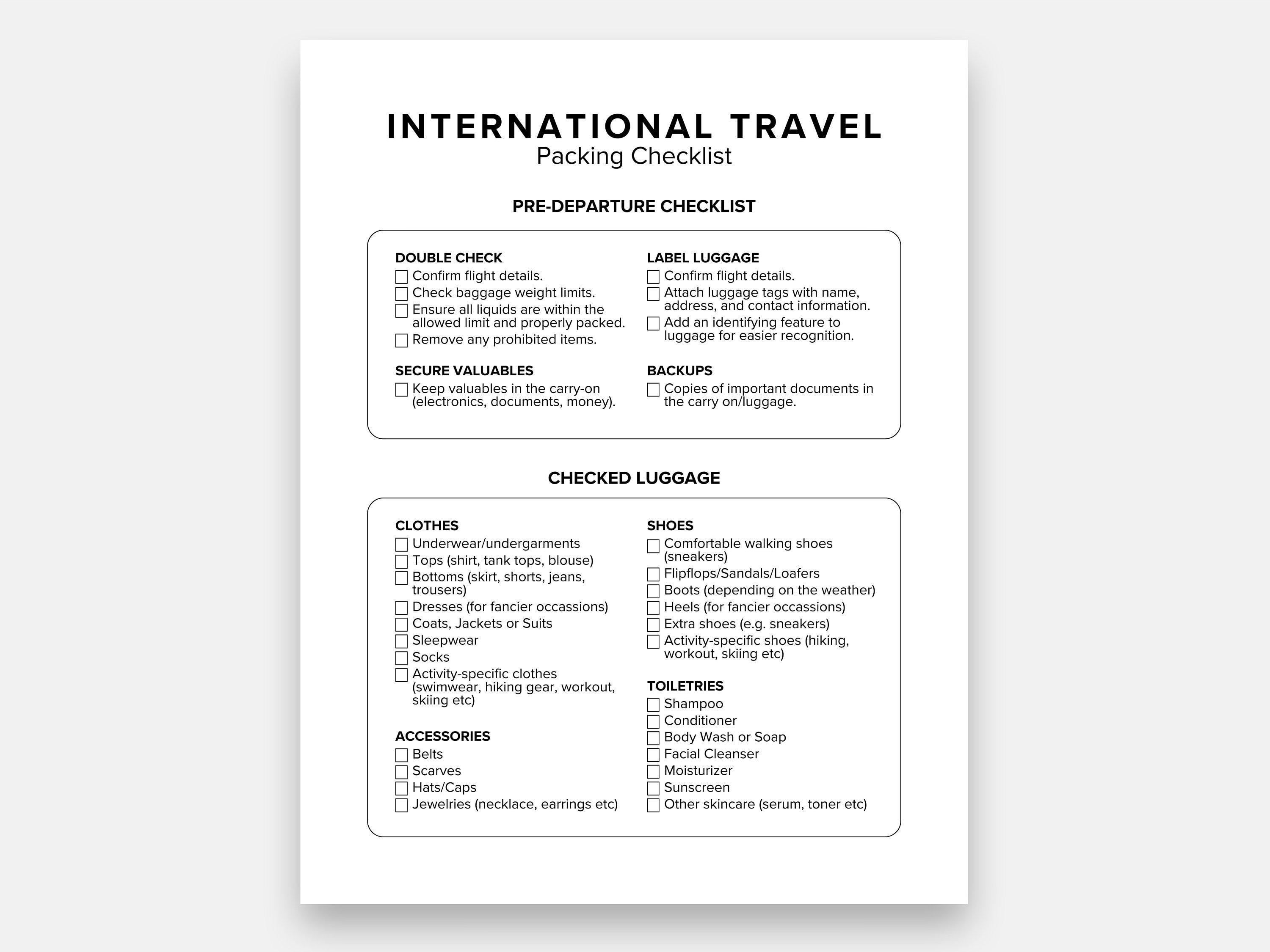
First International Trip Checklist
Before booking
- Check passport and entry requirements from official sources.
- Compare airport-to-city transport.
- Choose accommodation near the areas you plan to visit.
- Review local payment methods.
- Check major attraction closure days.
One week before departure
- Download offline maps.
- Save hotel details.
- Confirm timed tickets.
- Review local etiquette.
- Share key travel details with someone you trust.
Frequently Asked Questions
Which cultural city is easiest for a first international trip?
There is no universal answer. Vienna and Singapore offer especially clear transport, while Rome and Kyoto have huge cultural depth. Choose based on language comfort, budget, flight access and interests.
How many major attractions should I plan per day?
Usually one or two is enough when they require several hours. Add neighborhoods, parks or food experiences around them rather than filling every hour.
Should I book guided tours?
Guides are useful when context matters, especially in historic districts, archaeological sites and places with complex local customs. Choose reputable, transparent operators.
Is cultural travel expensive?
It can be affordable if you mix paid museums with free neighborhoods, public spaces, markets and walking. Major ticketed attractions should be part of the budget from the start.
Actionable Conclusion
Rome, Kyoto, Istanbul, Mexico City, Vienna, Seville, Marrakech and Singapore each offer enough cultural depth to build an unforgettable first international trip. The right choice depends less on which city is “best” and more on which one matches your interests and comfort level.
Keep the first itinerary simple. Stay in a convenient neighborhood, group activities by area, choose a few major cultural priorities and leave time for everyday life. The goal of a first international trip is not to prove how much you can see. It is to learn how to travel with curiosity, awareness and respect.