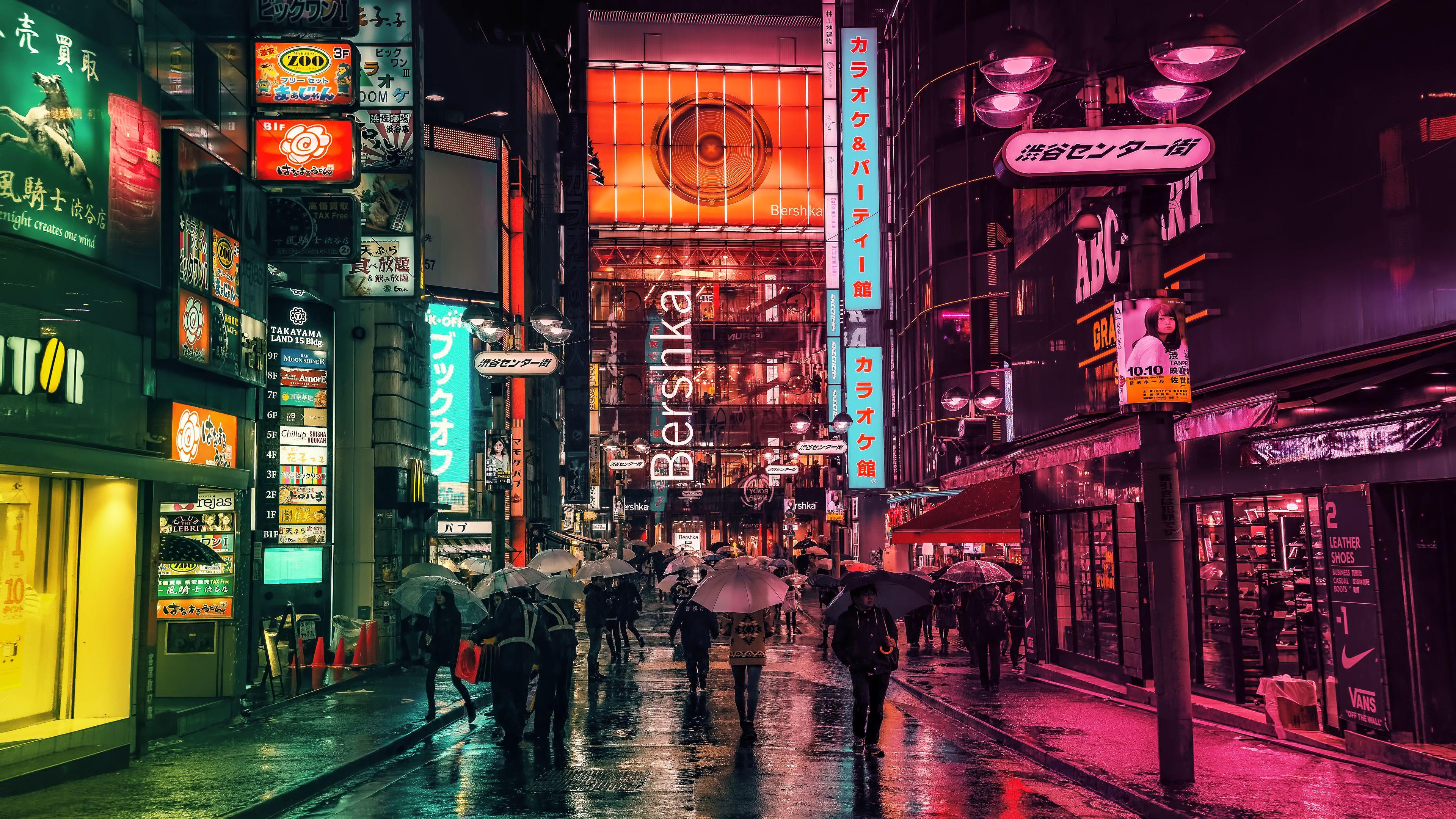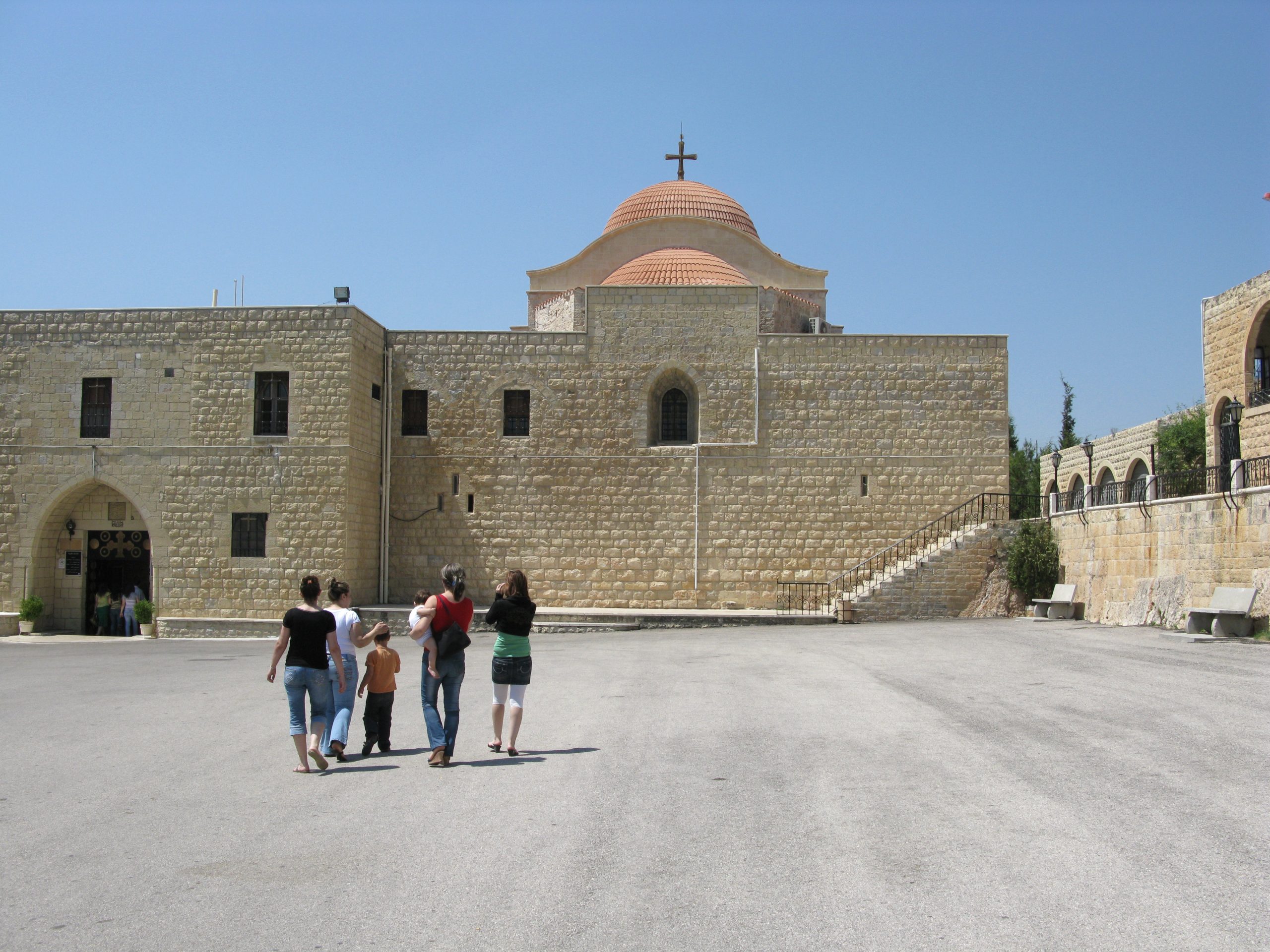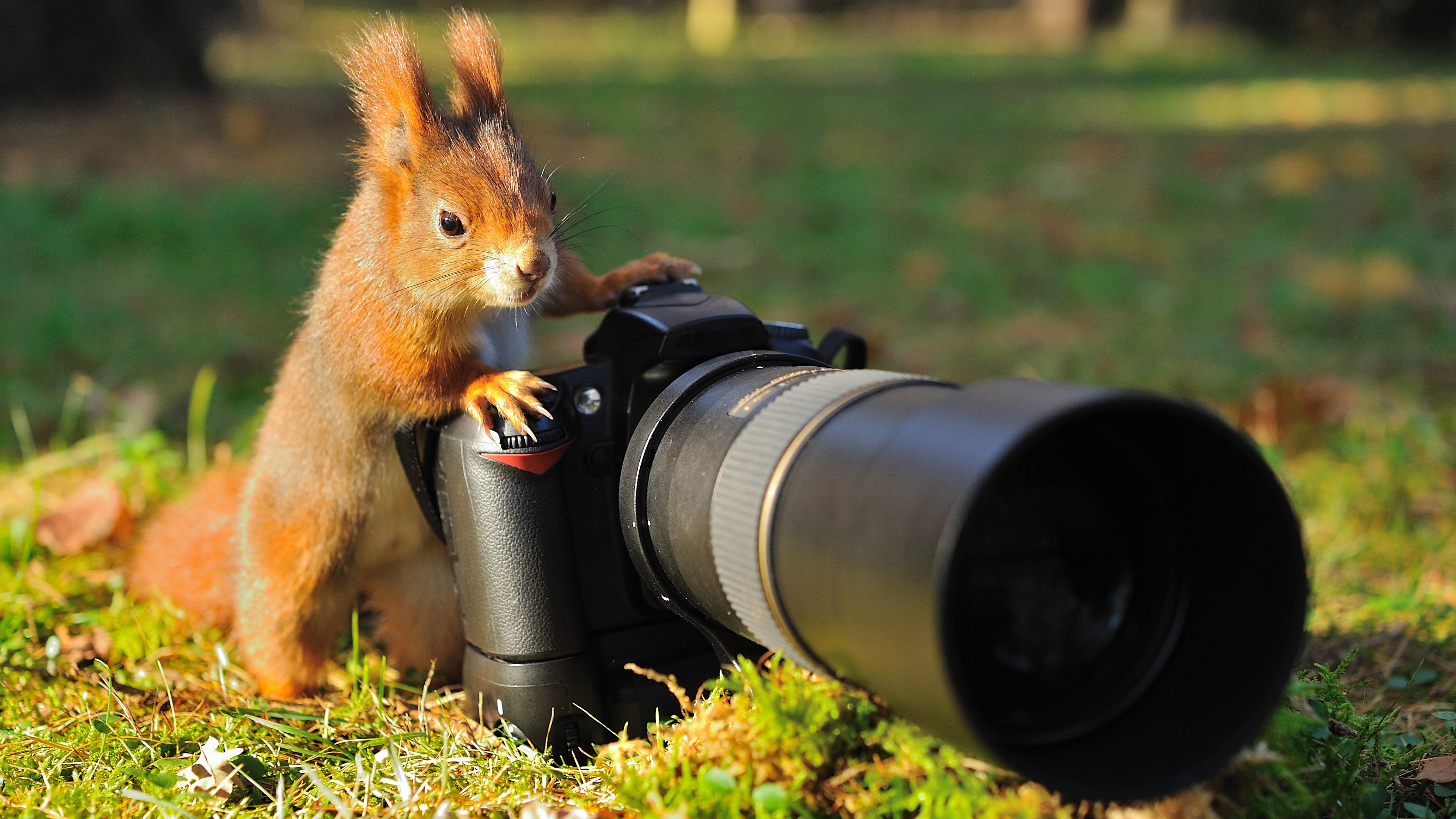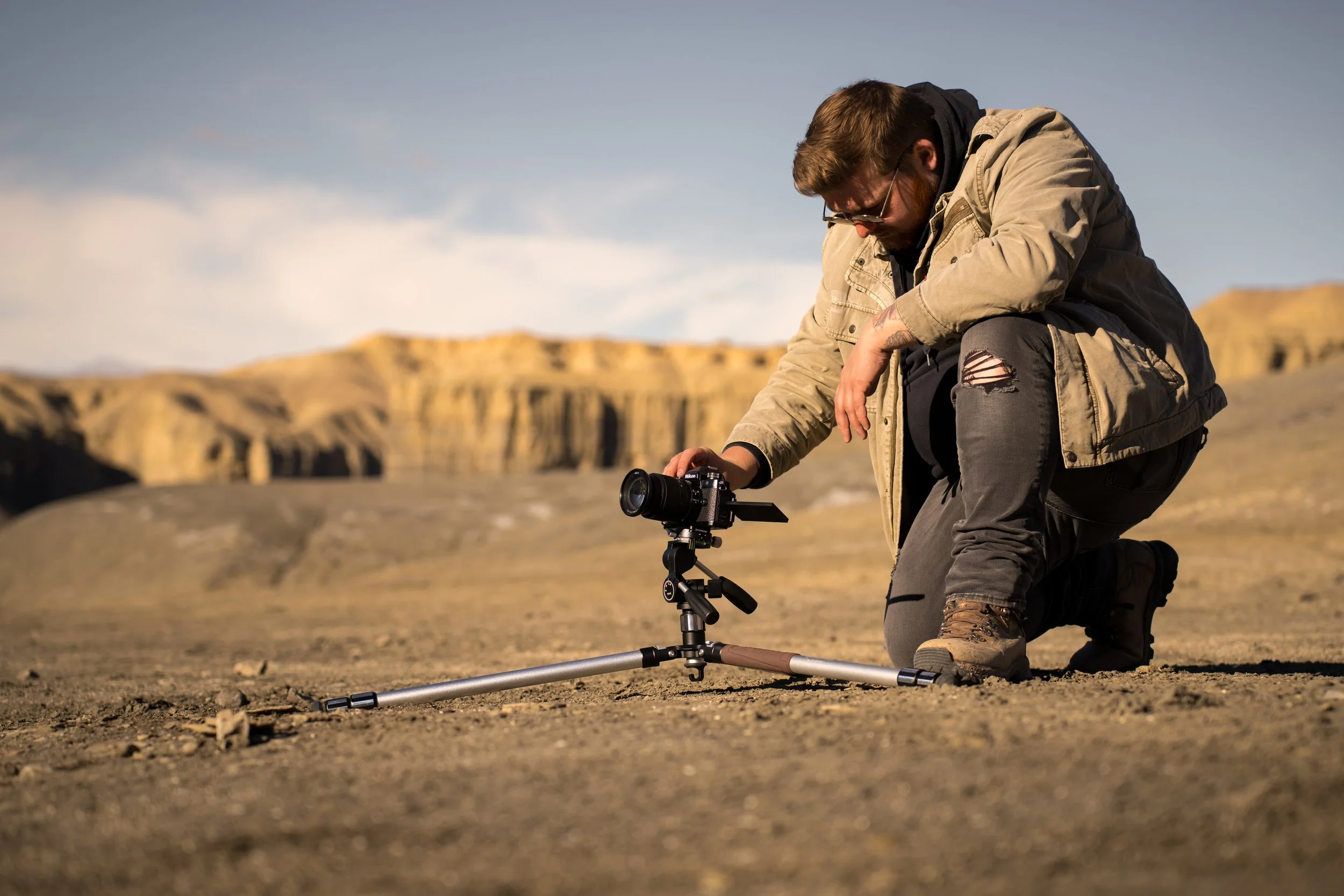
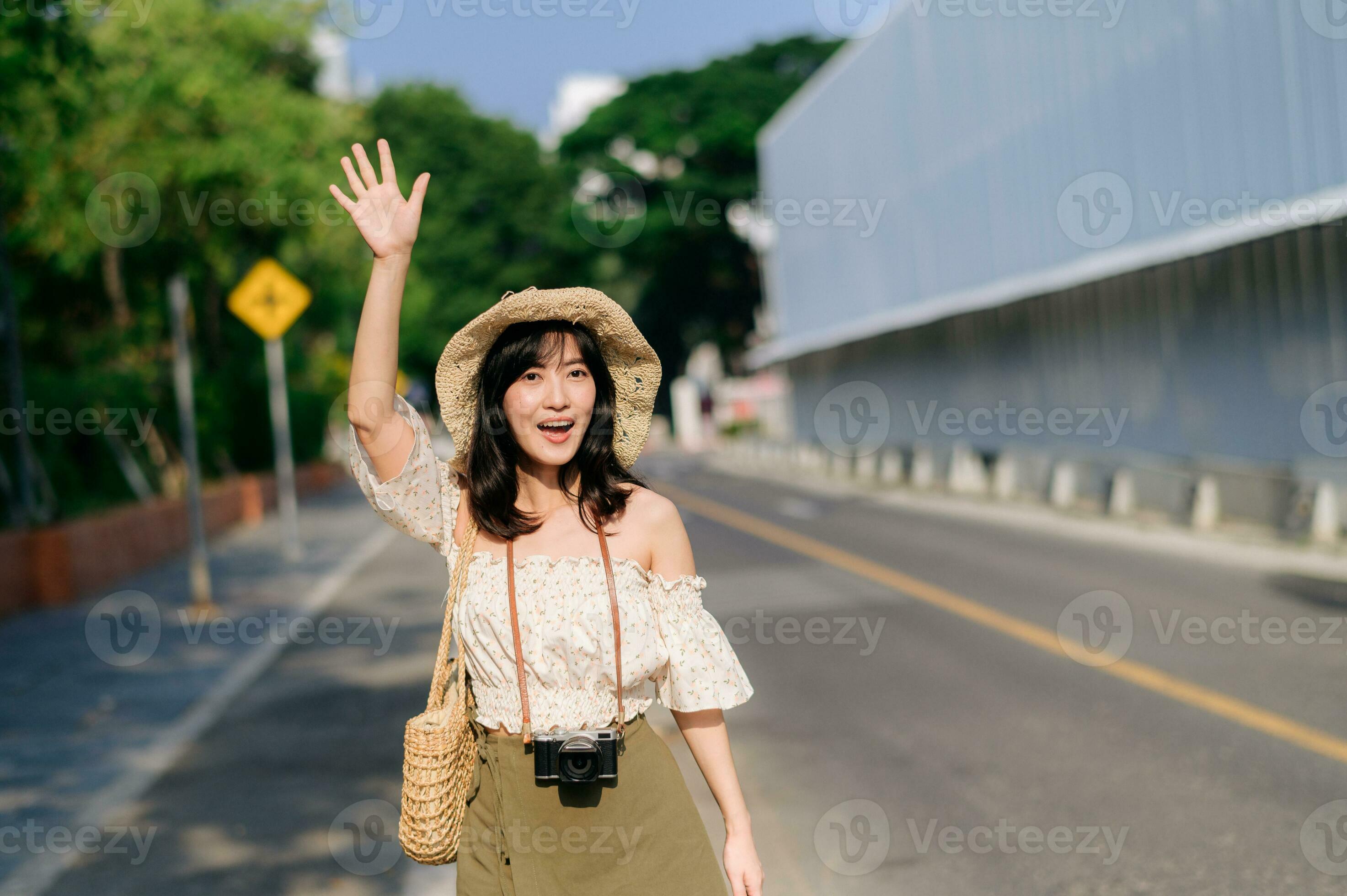
Travel photography can preserve details that memory eventually loses: the color of a market at sunrise, the scale of a mountain road, the expression of a craftsperson explaining their work or the quiet geometry of a historic street. But a camera can also change the relationship between visitor and destination. People can feel observed, religious spaces can become photo sets, wildlife can be disturbed and fragile places can receive sudden crowd pressure after an image goes viral.
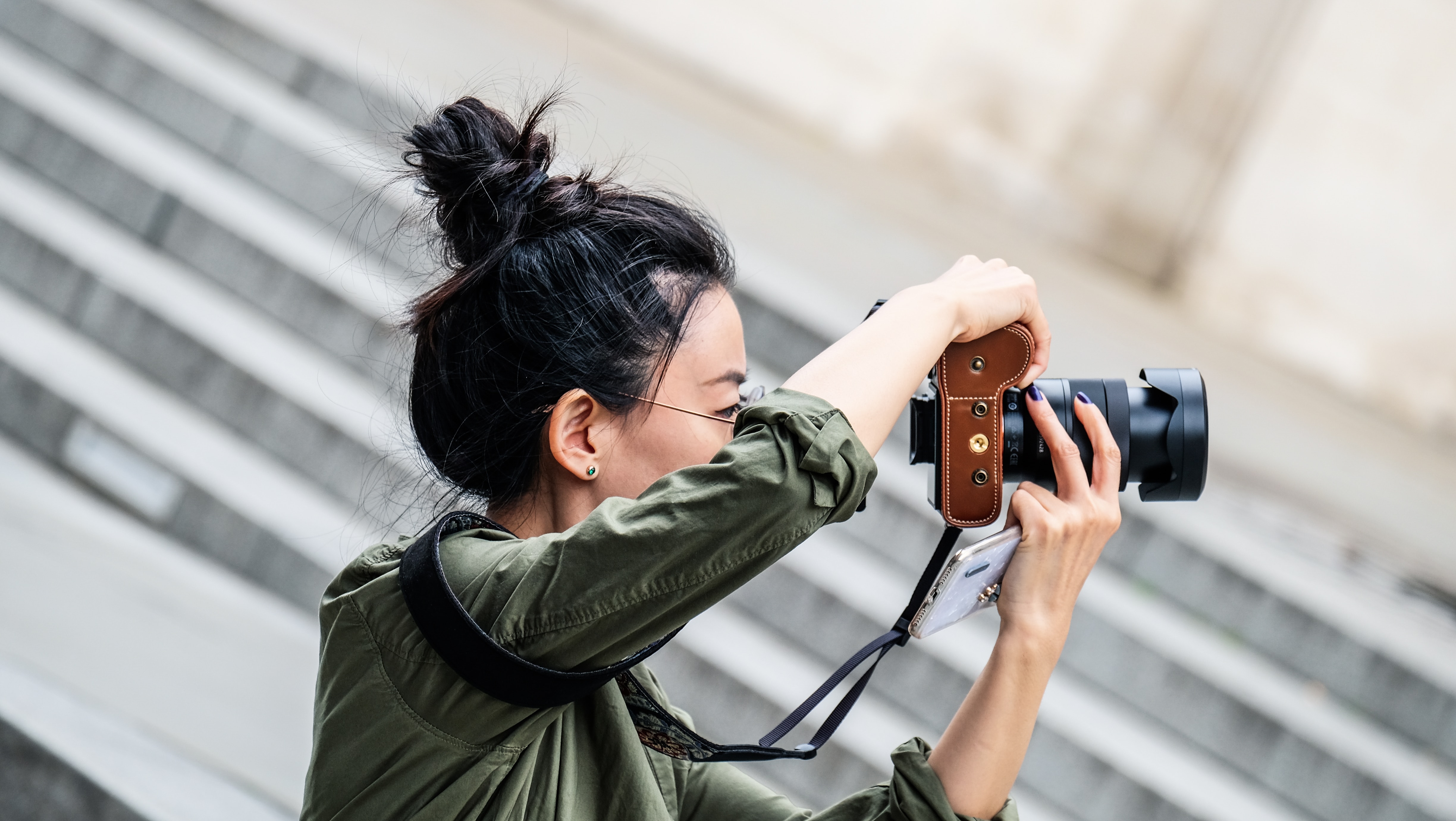
Ethical travel photography is not about avoiding people or stopping photography. It is about recognizing that a good image does not give the photographer unlimited rights over the subject, space or community. Local law, property rules, privacy expectations and cultural norms all matter.
This guide provides a practical framework for street, portrait, landscape and wildlife photography while traveling. It is not legal advice. Photography, privacy, drone and commercial-use laws vary by country, so verify the current rules with official authorities for your destination.
Start With the Question: What Is the Photograph For?
A personal travel memory, social-media post, editorial image and commercial advertising campaign can create very different responsibilities.
Before taking a sensitive image, ask
- Is the person identifiable?
- Is this a private or vulnerable moment?
- Would I feel comfortable if someone photographed me this way?
- Will the image be used commercially?
- Does the location have special rules?
Purpose does not solve every ethical question, but it helps reveal when more permission is appropriate.
Public Space Does Not Mean People Stop Having Dignity
Street photography laws differ, but legality and courtesy are not identical.
Use context
A wide scene showing a busy plaza is different from placing a camera close to one person’s face while they work, eat, pray or care for a child. The more intimate the image, the stronger the case for asking.
Ask Before Close Portraits
Permission does not need to destroy spontaneity.
A simple portrait approach
- Make eye contact.
- Smile or introduce yourself.
- Gesture to the camera or ask verbally.
- Respect a no immediately.
- Show the image afterward if appropriate.
A short human interaction often creates a better portrait than a hidden telephoto shot.
Do Not Treat Local People as “Exotic” Props
Travel imagery can repeat stereotypes by focusing only on poverty, unusual clothing or dramatic difference.
Photograph people as people
- Learn names when appropriate.
- Understand what they are doing.
- Avoid captions that invent stories.
- Do not exaggerate hardship for engagement.
- Include ordinary modern life as well as tradition.
Children Require Extra Care
Children may smile at a camera without understanding how an image can be shared online.
Use a higher permission standard
For close or identifiable portraits, seek appropriate parent or guardian permission where practical and required. Avoid photographing children in vulnerable situations or publishing identifying details that could create risk.
Never Pay Children to Pose
Directly rewarding children for photographs can encourage school absence, repeated solicitation or uncomfortable tourism dynamics in some destinations.
Support communities through better channels
If you want to contribute, use a legitimate local organization, school program or community business rather than turning children into paid photo subjects.
Adults Who Ask for Payment Deserve a Clear Agreement
In some tourist areas, performers or portrait subjects expect a fee.
Agree before shooting
Ask the price first and decide whether you are comfortable. Do not take the image and argue afterward that the person was in public.
Street Vendors Are Working
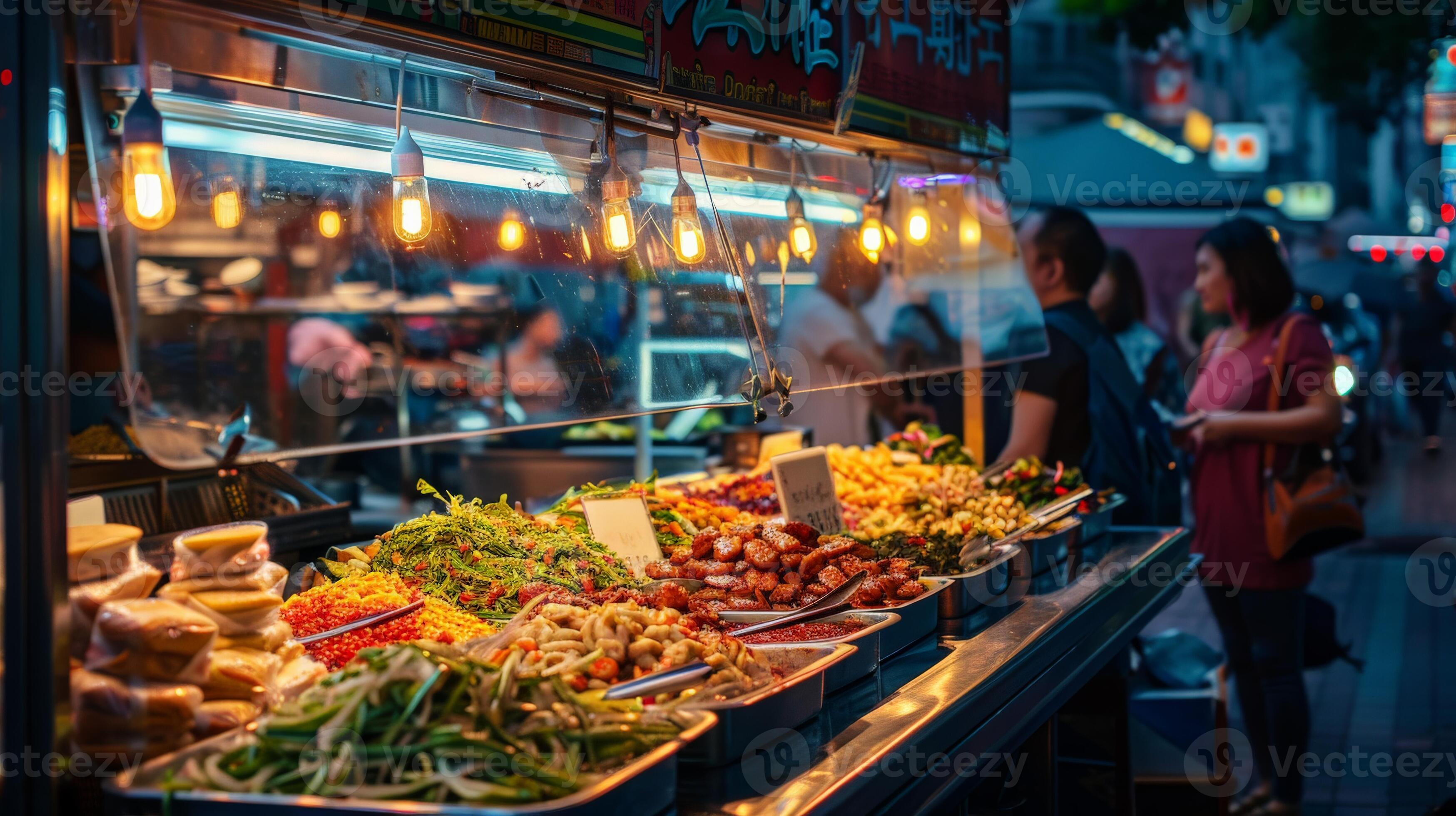
Markets are visually rich, but vendors are not there primarily for photographers.
Better market photography
- Stay out of customer lines.
- Ask before close portraits.
- Buy something when appropriate.
- Avoid leaning over food.
- Do not block narrow aisles.
TourLix’s food market travel guide covers market etiquette in more depth.
Craft Workshops Need Photography Permission
Artisan techniques, patterns and workshop spaces may involve traditional or commercially sensitive knowledge.
Ask before recording
- Detailed techniques.
- Design templates.
- Private tools or spaces.
- Apprentices or children.
- Ceremonial objects.
TourLix’s craft tourism guide explains why traditional knowledge deserves clear boundaries.
Religious Sites Are Not Photo Studios
Churches, temples, mosques, shrines and other sacred spaces may allow visitors while restricting photography.
Follow the site’s rules
- No flash when prohibited.
- No photography during worship when restricted.
- Do not block worshippers.
- Do not pose disrespectfully with sacred objects.
- Respect clothing requirements.
If a sign says no photography, the fact that another visitor ignores it does not create permission.
Museums Have Their Own Photography Rules
Rules can vary by gallery because of conservation, copyright, loan agreements or visitor flow.
Check before raising the camera
TourLix’s museum and heritage travel guide explains how to prepare for cultural-site rules.
Do Not Cross Barriers for a Better Angle
A rope, fence or marked trail protects more than the visitor.
Barriers may protect
- Fragile ruins.
- Nesting wildlife.
- Unstable cliffs.
- Vegetation.
- Private property.
- Religious or archaeological areas.
No photograph is worth damaging the place it depicts.
Landscape Photography Still Has Environmental Impact
Popular viewpoints can suffer erosion when photographers create unofficial paths.
Use established access
- Stay on trails.
- Use designated viewpoints.
- Do not move rocks or plants.
- Pack out waste.
- Respect seasonal closures.
UNESCO’s sustainable tourism work emphasizes protecting natural and cultural heritage while managing visitor pressure.
Sunrise and Night Photography Need Safety Planning
Beautiful light often occurs when public transport is limited and trails are dark.
Prepare
- Know the route in daylight if possible.
- Carry a light.
- Check park opening hours.
- Tell someone your plan in remote areas.
- Use official parking.
- Do not trespass for access.
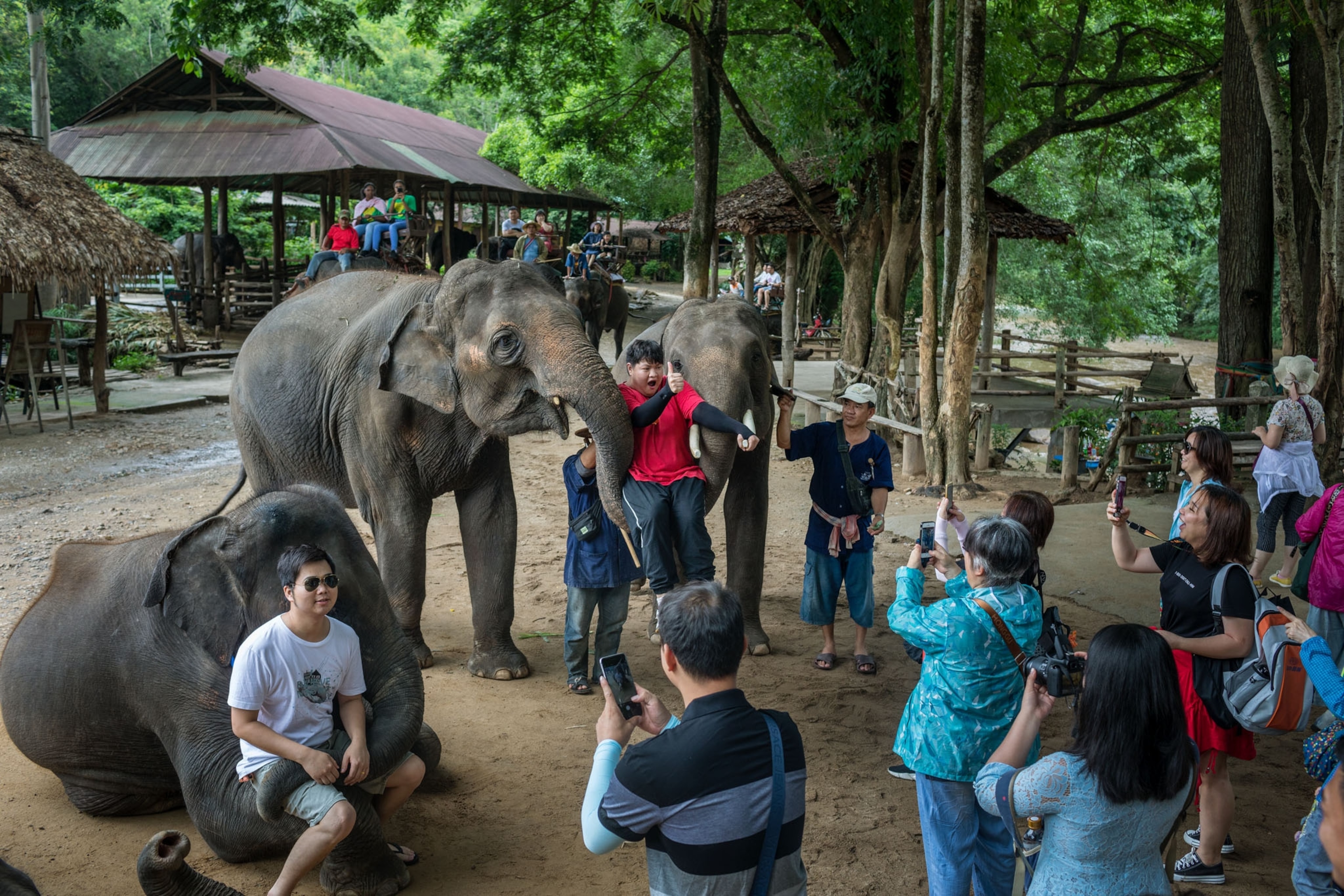
Wildlife Photography Requires Distance
A telephoto lens exists for a reason.
Never create the behavior
- Do not feed animals.
- Do not bait them.
- Do not whistle or call them closer.
- Do not surround them.
- Follow local minimum-distance rules.
The U.S. National Park Service advises visitors to keep distance and avoid feeding, touching or harassing wildlife. TourLix’s wildlife watching guide expands on these principles.
Do Not Sacrifice Safety for a Wildlife Shot
Animals can move faster than expected and react defensively.
If the animal reacts to you, increase distance
Follow the local park authority’s species-specific guidance rather than generic social-media advice.
Drones Require Legal and Ethical Research
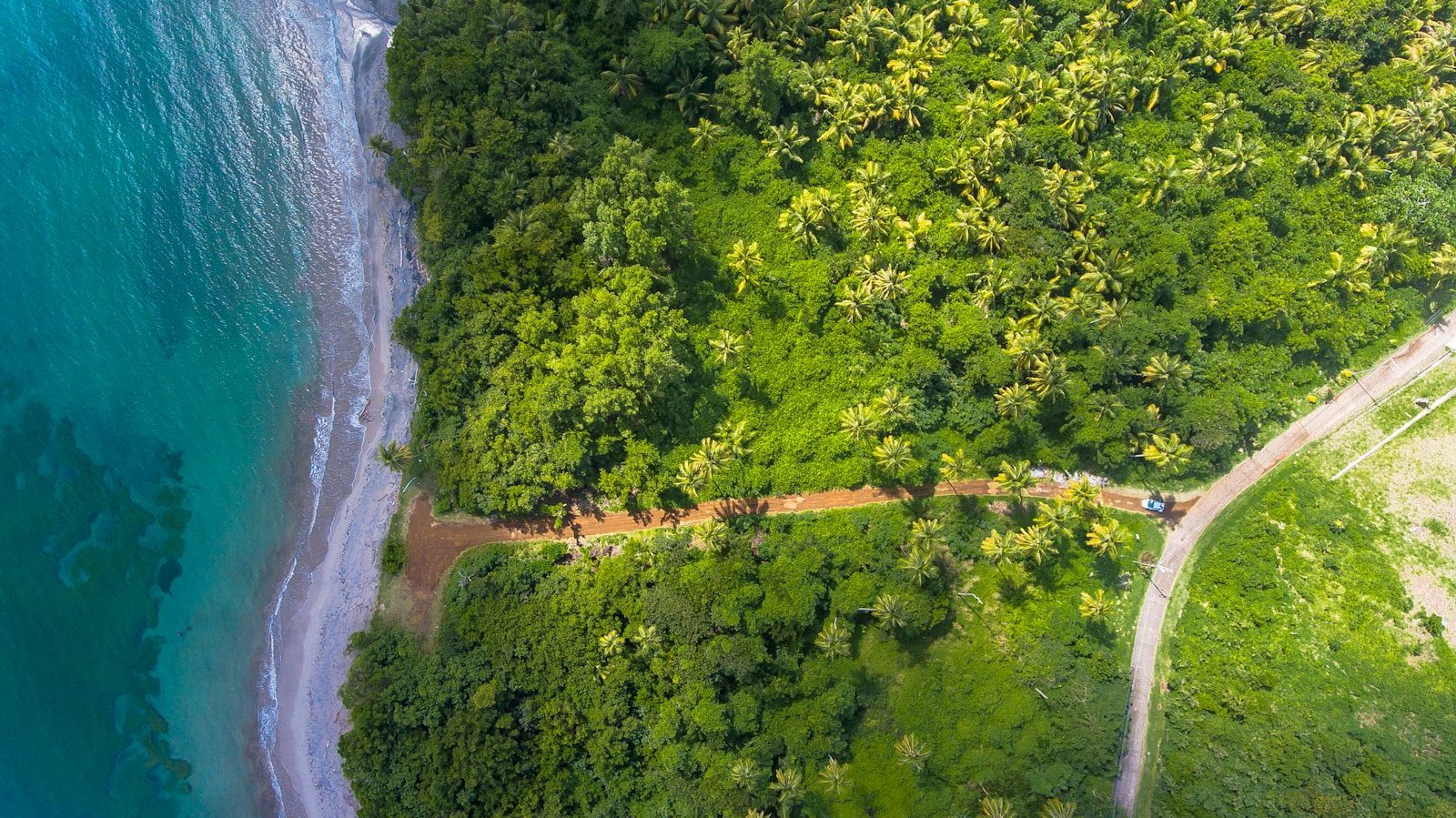
Drone rules change by country, city, airport zone, national park and heritage site.
Before flying
- Check national aviation rules.
- Check registration requirements.
- Check local no-fly zones.
- Check property permission.
- Check national park and heritage restrictions.
- Respect people’s privacy.
Do not assume a drone app alone contains every local rule.
Drone Noise Can Disturb People and Wildlife
A legal flight can still be inconsiderate near a quiet viewpoint, ceremony or wildlife habitat.
Choose time and place thoughtfully
If a drone changes the experience for everyone around you, reconsider the shot.
Commercial Photography May Require More Permissions
Professional shoots can trigger permit, property-release, model-release or licensing requirements that casual personal photography does not.
If money is involved, research more carefully
Check destination law and professional requirements before using identifiable people, private property or protected locations commercially.
Geotagging Can Increase Pressure on Fragile Places
An exact location can send many visitors toward a small trail, nest or local viewpoint.
Consider a broader tag
Use a park, region or city rather than precise coordinates when local managers or conservation groups identify visitor pressure as a concern.
Do Not Reveal Sensitive Wildlife Locations
Nests, dens and rare species may attract disturbance or poaching.
Follow conservation guidance
Delay posting or remove exact location metadata when experts advise it.
Edit Without Misrepresenting the Place
Photography always involves choices, and editing is normal.
Be careful with documentary claims
Removing temporary distractions from a personal landscape image is different from presenting a heavily altered image as factual documentation. Captions should not invent events or conditions that did not exist.
AI Editing Adds New Ethical Questions
Generative tools can add or remove people, change weather and create details that were never present.
Use transparency when authenticity matters
If an image is significantly generated or altered and presented as documentary travel photography, clear disclosure helps avoid misleading viewers.
Share Images With Subjects When Possible
If someone gives time for a portrait, offering to send the photo can make the exchange more reciprocal.
Keep the process simple
Ask whether they want it and use a method they are comfortable sharing. Do not pressure someone for contact details.
Photography Tour or Independent Shooting?
| Option | Strength | Trade-off |
|---|---|---|
| Local photography guide | Location knowledge and context | Higher cost |
| Group photo tour | Social and structured | Can crowd locations |
| Independent | Maximum flexibility | Requires research |
| Workshop with local photographer | Technique plus local perspective | Fixed schedule |
Choose Photography Tours That Respect Communities
Ask
- How large is the group?
- Are portrait subjects compensated when staged?
- Are local permissions arranged?
- Does the guide discourage intrusive behavior?
- Are wildlife rules followed?
Travel Photography Gear: Less Can Be More
A heavy bag can reduce enjoyment and make photographers focus more on equipment than place.
A simple kit might include
- Phone or one camera body.
- One versatile lens.
- Telephoto only when wildlife is important.
- Spare battery.
- Small cleaning cloth.
- Weather protection.
Choose equipment based on the trip rather than carrying every lens you own.
Protect Your Own Data and Equipment
Good habits
- Back up images regularly.
- Keep memory cards separate.
- Use a discreet bag.
- Do not leave gear visible in vehicles.
- Keep serial numbers or insurance information where appropriate.
Ethical Travel Photography Checklist
- Check local laws and site rules.
- Ask before close portraits.
- Use extra care with children.
- Respect worship and private spaces.
- Stay behind barriers.
- Keep distance from wildlife.
- Research drone rules.
- Avoid sensitive geotags.
- Do not misrepresent images.
- Put the camera down sometimes.
Frequently Asked Questions
Can I photograph strangers in public?
Laws vary by country and context. Even where photography is legal, close or sensitive portraits may deserve permission. Verify local rules.
Should I pay people for portraits?
In some tourist areas, performers or models expect payment. Agree on terms before taking the photograph. Avoid creating exploitative dynamics, especially involving children.
Can I fly a drone anywhere outside an airport?
No. National aviation rules, parks, cities, private property and heritage areas can all impose restrictions.
Is wildlife photography ethical?
Yes when it observes animals without feeding, baiting, approaching too closely or changing their behavior.
Actionable Conclusion
Ethical travel photography starts with a simple principle: the photograph is not more important than the person, animal or place in front of the camera. Ask when the image becomes personal, follow site rules, keep wildlife distance and never damage a landscape for a better angle.
Photographs are most valuable when they help you remember a real encounter rather than replace it. Make the image, but also learn the name, hear the story, watch the light and occasionally leave the camera in the bag. Travel is bigger than the frame.