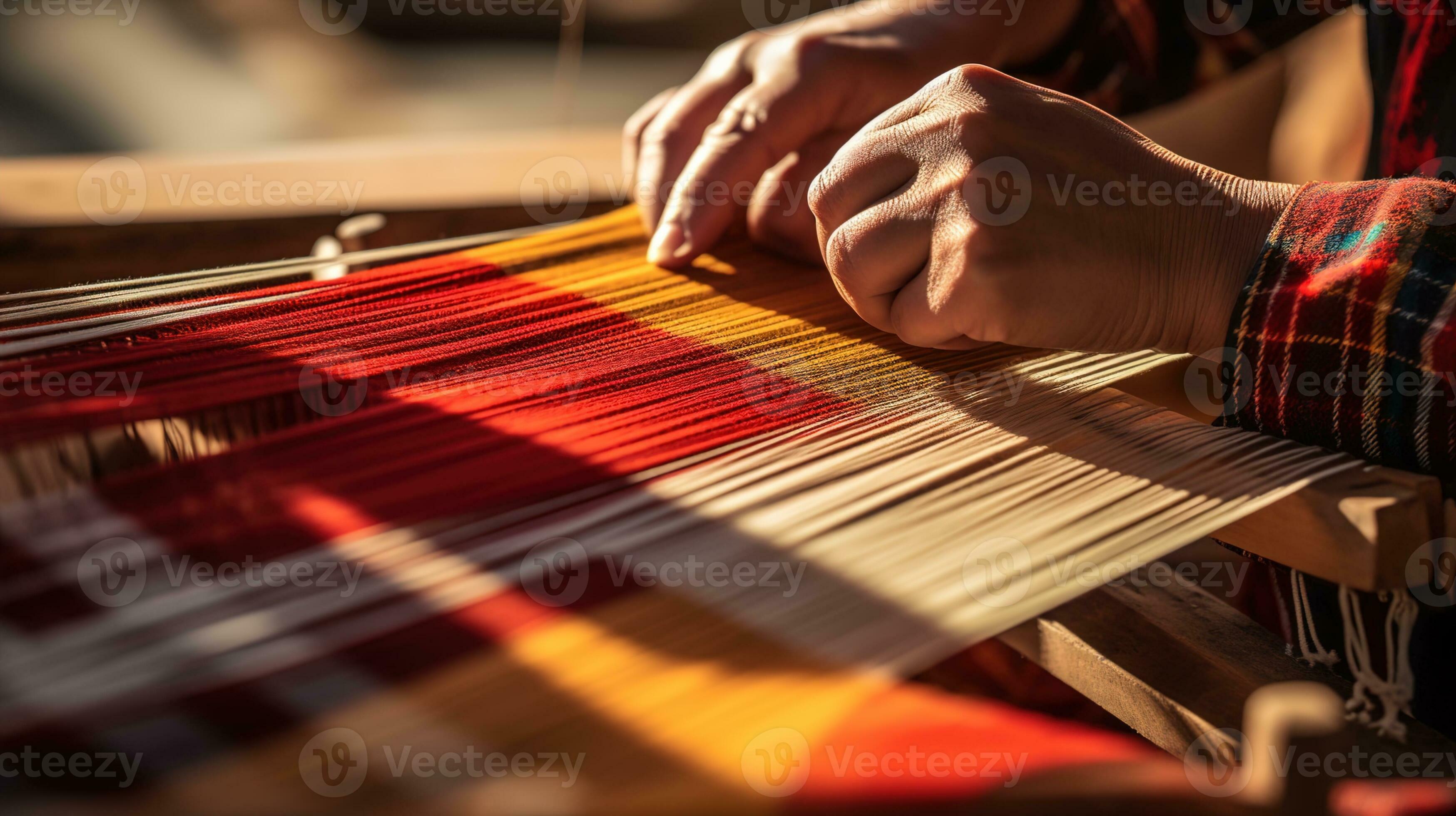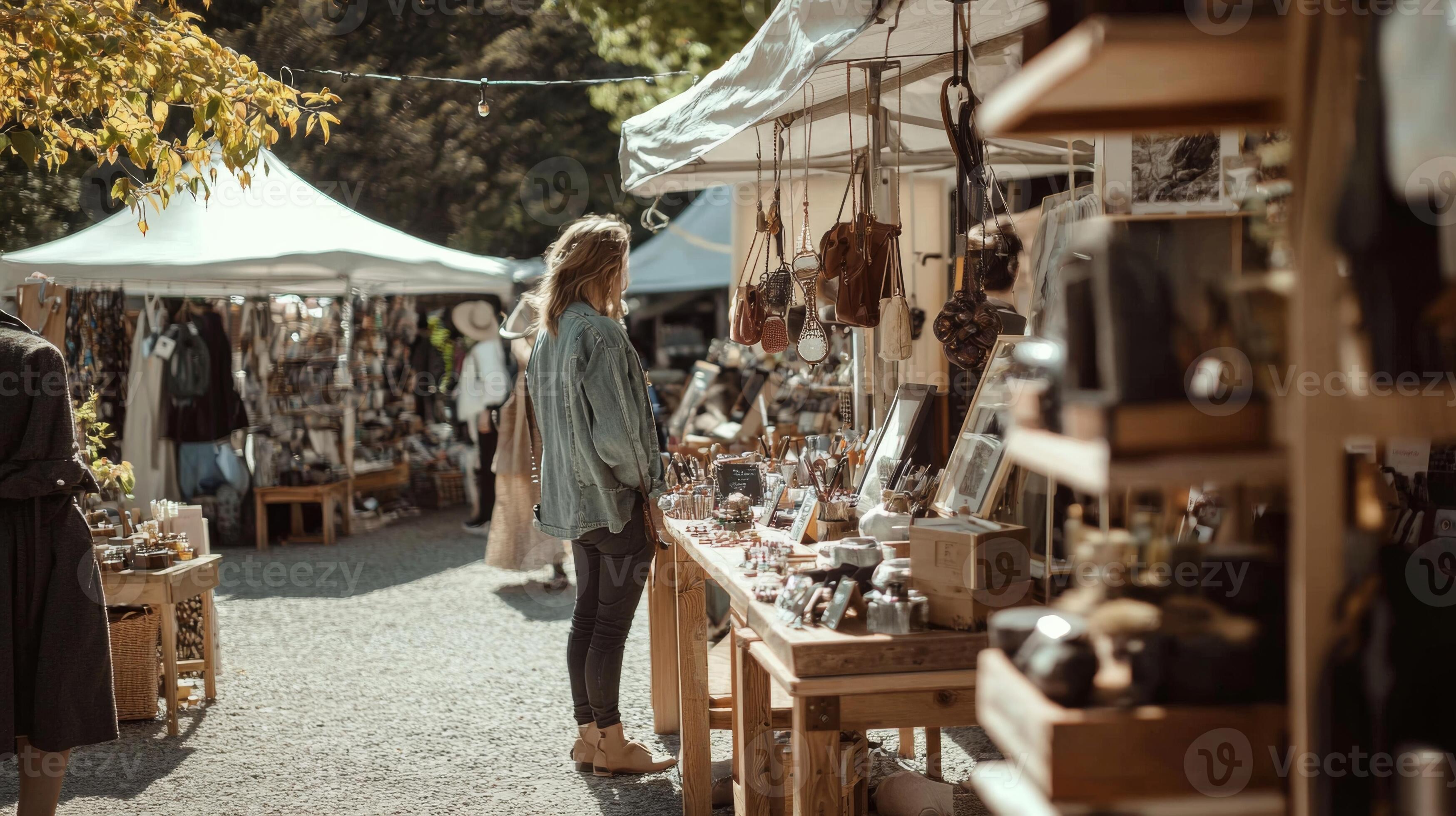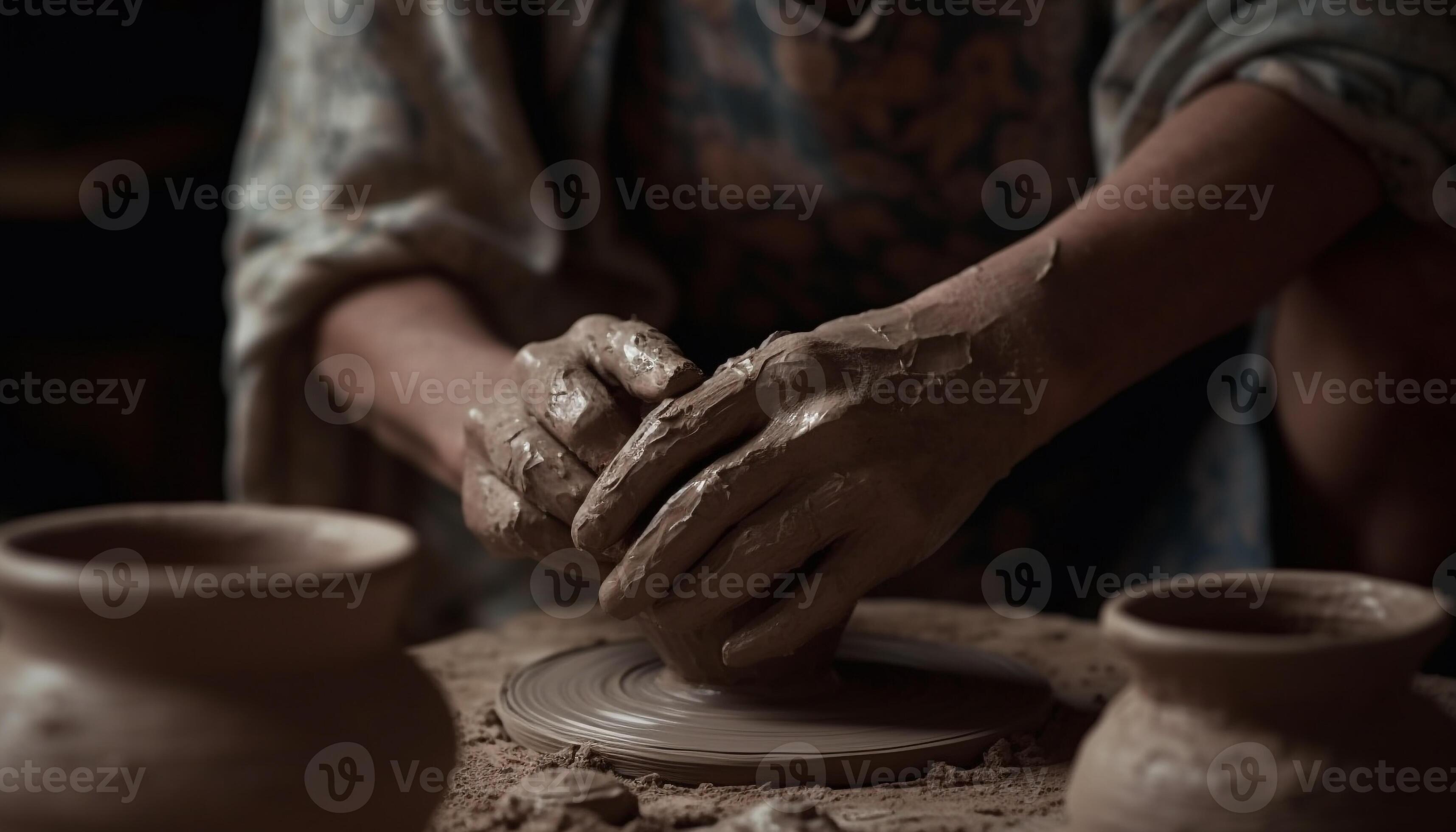
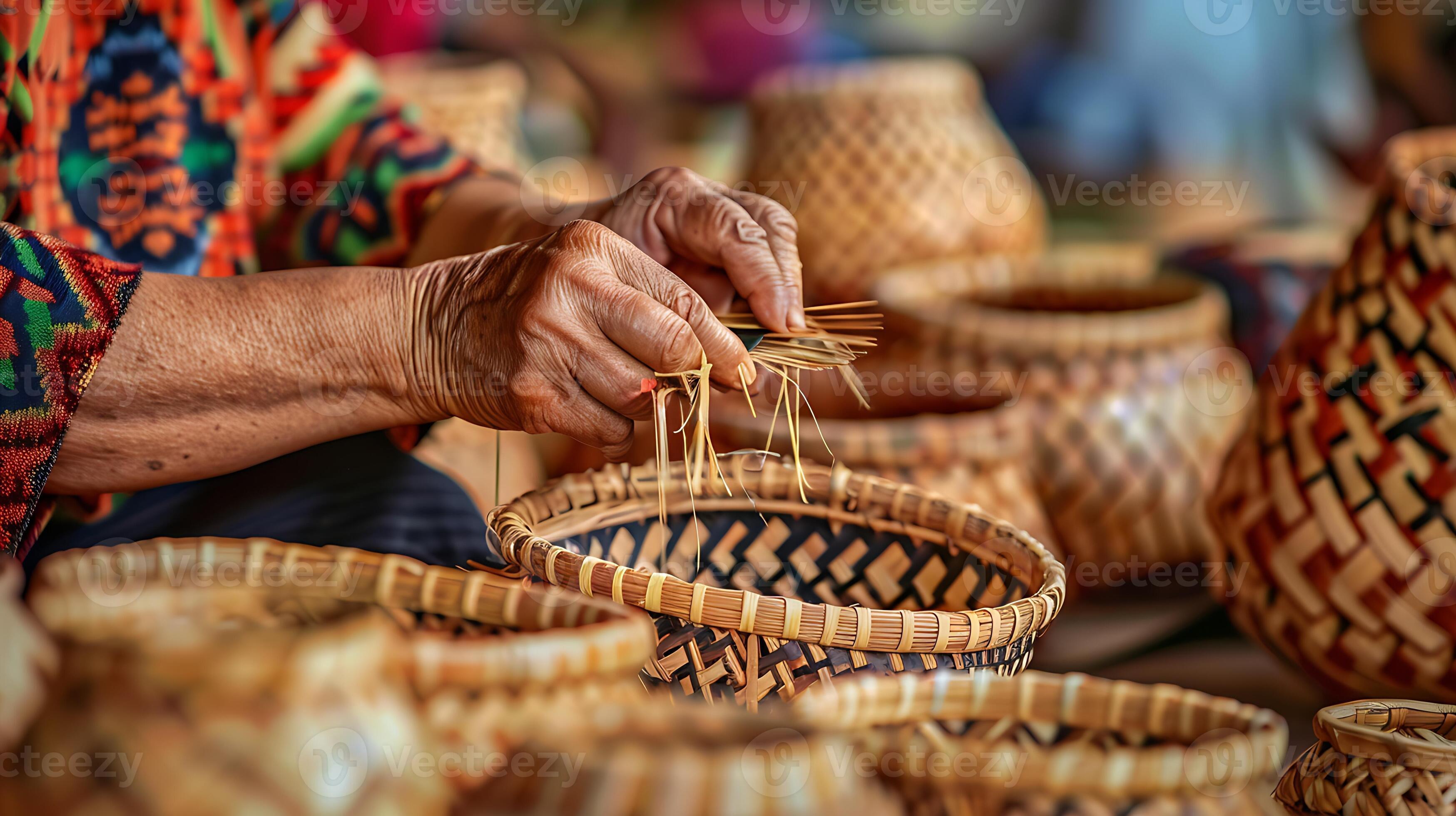
A handmade object can carry far more than decorative value. Weaving, pottery, metalwork, woodcraft, embroidery, dyeing, paper-making and other craft traditions often contain skills passed through families and communities over generations. For travelers, joining a workshop can turn a souvenir into a deeper cultural experience—if the experience is designed with respect for the people who hold that knowledge.

Craft tourism can support artisan livelihoods, but it can also become extractive when visitors demand secrets, photograph workers without permission, copy traditional designs for commercial use or buy mass-produced imports marketed as local handmade goods.
This guide explains how to choose workshops and craft experiences responsibly. UNESCO identifies traditional craftsmanship as an important form of intangible cultural heritage and emphasizes safeguarding the knowledge and skills involved so they can continue within communities. Recent UNESCO community-tourism projects also show how artisan workshops can connect heritage preservation with dignified local livelihoods.
Understand Craft as Living Heritage
Traditional craft is not frozen in the past. Artisans adapt materials, colors, tools and designs while maintaining knowledge that connects generations.
UNESCO’s perspective
UNESCO’s Intangible Cultural Heritage framework treats craftsmanship primarily as knowledge and skill transmitted within communities—not merely as finished objects. This is important for travelers because the maker and the process matter as much as the souvenir.
Choose Workshops Led by Practicing Artisans
A strong craft workshop should give participants meaningful contact with people who actually practice or teach the tradition.
Positive signals
- Artisan names and biographies are provided.
- The workshop explains the craft’s local history.
- Teachers are paid directly or transparently.
- Group sizes are manageable.
- The activity respects the pace of the technique.
- The organizer explains which parts visitors may or may not try.
Ask Who Benefits Financially
Tourism spending does not automatically reach the person doing the work.
Before booking, look for
- Direct artisan booking.
- Community cooperative.
- Transparent local tour company.
- Fair compensation explanation.
- Locally managed cultural center.
UNESCO’s community heritage programs increasingly emphasize local participation and livelihood benefits. A June 2026 UNESCO project in Taj Ganj, Agra, for example, highlighted artisan workshops and resident-led interpretation as part of living heritage tourism.
Do Not Expect Every Technique to Be Taught
Some craft traditions include family knowledge, sacred processes or techniques that are not intended for outsiders.
Respect boundaries
A workshop invitation does not create a right to learn every step. If an artisan demonstrates rather than explains a particular technique, accept that limit.
Traditional Knowledge Is Not Free Commercial Content
Travelers sometimes record a workshop, return home and use the design commercially.
Ask before commercial use
Patterns, motifs and techniques may have cultural meaning, community ownership or intellectual-property implications. A personal souvenir workshop does not automatically grant permission to reproduce a design for a business.
Photography Requires Permission
Craft workshops are visually interesting, but they are also workplaces.
Ask before photographing
- The artisan’s face.
- Children or apprentices.
- Private work areas.
- Detailed techniques.
- Traditional patterns.
- Sacred or ceremonial objects.
If the workshop says no photography during a process, put the camera away.
Do Not Turn the Workshop Into a Photo Shoot
Constant posing can interrupt work and change the purpose of the experience.
Use a simple rule
Learn first, photograph later. Ask for a few moments at the end rather than recording every stage.
Buy Handmade Goods With Better Questions
Markets and tourist shops sometimes sell factory-made products presented as local craft.
Ask the seller
- Who made this?
- Where was it made?
- What material is used?
- How long does it take?
- Is the design traditional or contemporary?
A knowledgeable seller should be able to provide meaningful information.
Handmade Will Not Look Perfectly Identical
Small differences can be evidence of hand production rather than poor quality.
Judge quality appropriately
Look at construction, material and intended function, but do not expect every handmade object to match an industrial product with machine-level uniformity.
Bargaining Can Undermine Artisan Value
Negotiation is normal in some markets, but aggressive bargaining over handmade work can ignore the time and skill involved.
Responsible bargaining
- Know whether bargaining is customary.
- Ask about the making process first.
- Negotiate respectfully.
- Do not insult the work.
- Remember the price supports labor, materials and knowledge.
Compare Handmade and Mass-Produced Prices Fairly
A handmade textile should not be expected to cost the same as a factory-printed souvenir.
Price reflects
- Labor time.
- Material quality.
- Training and skill.
- Small production scale.
- Local overhead.
- Design knowledge.
Workshop Length Should Match the Craft
Some travel experiences promise mastery of a complex craft in 30 minutes.
Look for realistic expectations
A beginner pottery decoration activity can be meaningful without pretending participants have learned the full tradition. Strong workshops explain the difference between a visitor activity and professional practice.
Small Groups Usually Create Better Learning
Twenty visitors around one artisan can turn a workshop into a demonstration.
Smaller groups allow
- Questions.
- Hands-on guidance.
- Less disruption.
- More meaningful conversation.
- Safer tool use.
Safety Rules Matter in Craft Workshops
Crafts can involve sharp tools, heat, chemicals, dust or heavy equipment.
Follow instructions
- Wear protective equipment.
- Do not use tools without permission.
- Keep children within the workshop’s age rules.
- Follow ventilation and material-safety guidance.
Children’s Craft Workshops Need Age-Appropriate Design
A family workshop should not simply place children inside an adult production environment.
Ask
- Minimum age.
- Tool restrictions.
- Parent supervision rules.
- Material safety.
- Session duration.
Shipping Purchases Home
Large ceramics, textiles or wood objects may be difficult to carry.
Before buying
- Check packaging.
- Ask about insured shipping.
- Understand customs duties.
- Check import restrictions for wood, animal products or plant materials.
- Keep a receipt.
Customs rules vary by country, so verify with official authorities.
Avoid Wildlife and Endangered Materials
Some souvenirs may contain protected animal, coral, shell, wood or plant materials.
Do not rely on a shopkeeper’s assurance alone
Check official import and wildlife-trade rules before buying unusual natural materials. A legal local purchase can still be restricted when entering another country.
Craft Cooperatives Can Be Strong Options
Cooperatives may help artisans share marketing, training and sales infrastructure.
Look for transparency
A legitimate cooperative should explain membership, production and how revenue reaches makers.
UNESCO and Craft Livelihoods
UNESCO’s traditional craftsmanship guidance emphasizes keeping skills alive by supporting transmission within communities. Its programs in South Asia and elsewhere connect artisan livelihoods, community engagement and safeguarding of living heritage.
A UNESCO-supported rural craft and cultural hubs initiative in West Bengal has worked across many intangible heritage value chains, illustrating how heritage support can connect cultural continuity with sustainable livelihoods.
Workshop vs Demonstration vs Shopping Visit
| Experience | What to expect | Best for |
|---|---|---|
| Hands-on workshop | Guided beginner participation | Learning and interaction |
| Demonstration | Watch skilled artisan work | Complex or protected techniques |
| Studio visit | Meet maker and see workspace | Collectors and cultural context |
| Craft market | Compare many makers | Purchasing and variety |
How to Find Good Workshops
Start with
- Official tourism websites.
- UNESCO heritage information.
- Local craft associations.
- Museums and cultural centers.
- Community tourism organizations.
- Established local guides.
Be cautious with listings that provide no artisan name, no location detail and no explanation of how the experience is organized.
Support the Neighborhood Around the Workshop
Do not arrive, take a class and leave immediately if the area has other locally run businesses.
Consider
- Eating at a local restaurant.
- Buying directly from nearby makers.
- Using a local guide.
- Staying in locally managed accommodation.
UNESCO’s sustainable tourism toolkit emphasizes local business and community engagement as central to creating tourism benefits.
Craft Tourism and Cultural Respect
Travelers should avoid treating traditional dress, tools or rituals as costumes available for any purpose.
Ask what participation means
If an experience involves ceremonial objects or clothing, let the host explain what is appropriate. Do not invent poses or uses based only on aesthetics.
Responsible Craft Workshop Checklist
- Identify the artisan or community.
- Check who receives the booking revenue.
- Review group size.
- Ask photography rules.
- Respect protected techniques.
- Follow tool safety.
- Buy at a fair, culturally appropriate price.
- Check material legality.
- Do not copy designs commercially without permission.
- Support other local businesses where appropriate.
Frequently Asked Questions
Are artisan workshops authentic?
There is no simple authenticity test. Look for practicing artisans, community context, transparent compensation and realistic teaching rather than staged claims.
Should I bargain when buying handmade crafts?
Only where it is customary, and do so respectfully. Handmade work includes labor and cultural knowledge.
Can I photograph the entire process?
Only with permission. Some techniques, designs or working spaces may be private or culturally sensitive.
Can I copy a craft design after a workshop?
Personal learning does not automatically grant commercial reproduction rights. Ask the artisan and consider local intellectual-property and cultural rules.
Actionable Conclusion
Craft tourism can be one of the most meaningful forms of cultural travel because it connects visitors directly with people who maintain living skills and traditions. The experience becomes responsible when artisans are treated as experts and partners rather than attractions.
Choose transparent workshops, respect knowledge boundaries, ask before photographing, pay fairly and learn the story behind what you buy. A good souvenir is not only an object from a destination. It is a reminder of the person, skill and community that made it possible.