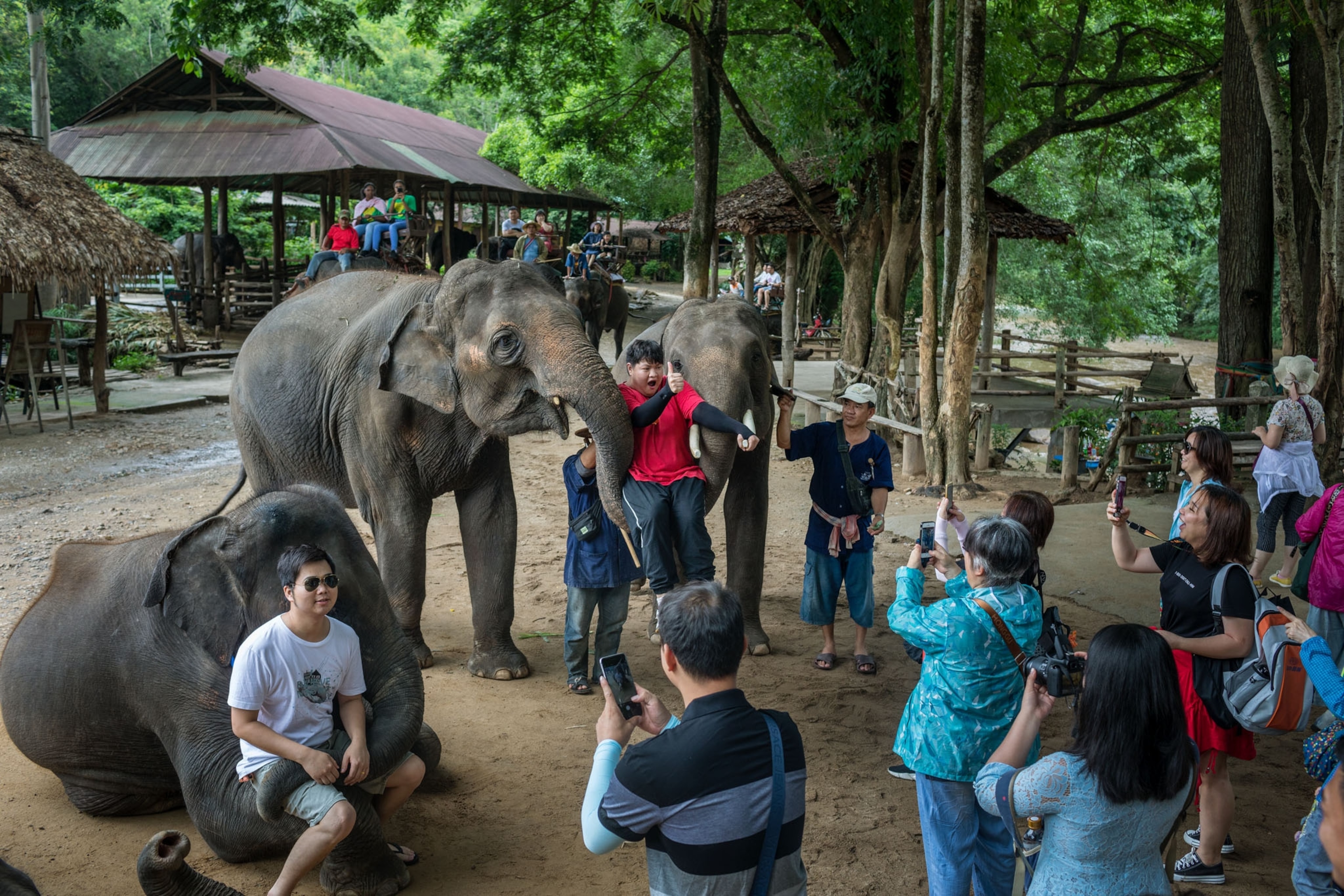
Seeing a wild animal in its natural habitat can become one of the most memorable moments of a trip. The experience is powerful precisely because the animal is not performing for visitors. It is feeding, resting, moving or raising young on its own terms.
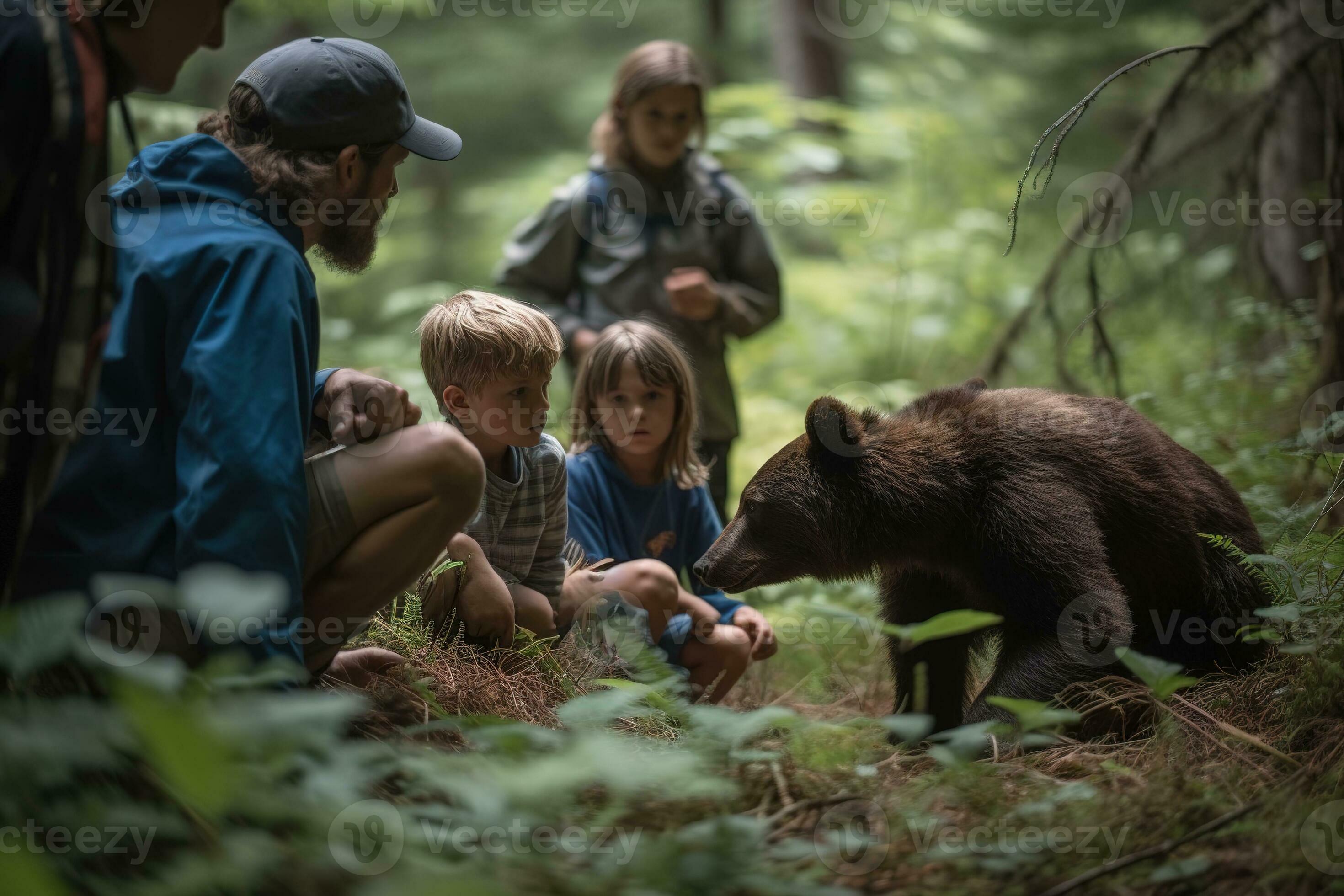
That is also why wildlife tourism requires restraint. Getting closer does not automatically create a better encounter. Feeding an animal for a photograph, surrounding it with vehicles or following it until it changes behavior can harm the animal and create safety risks for visitors.
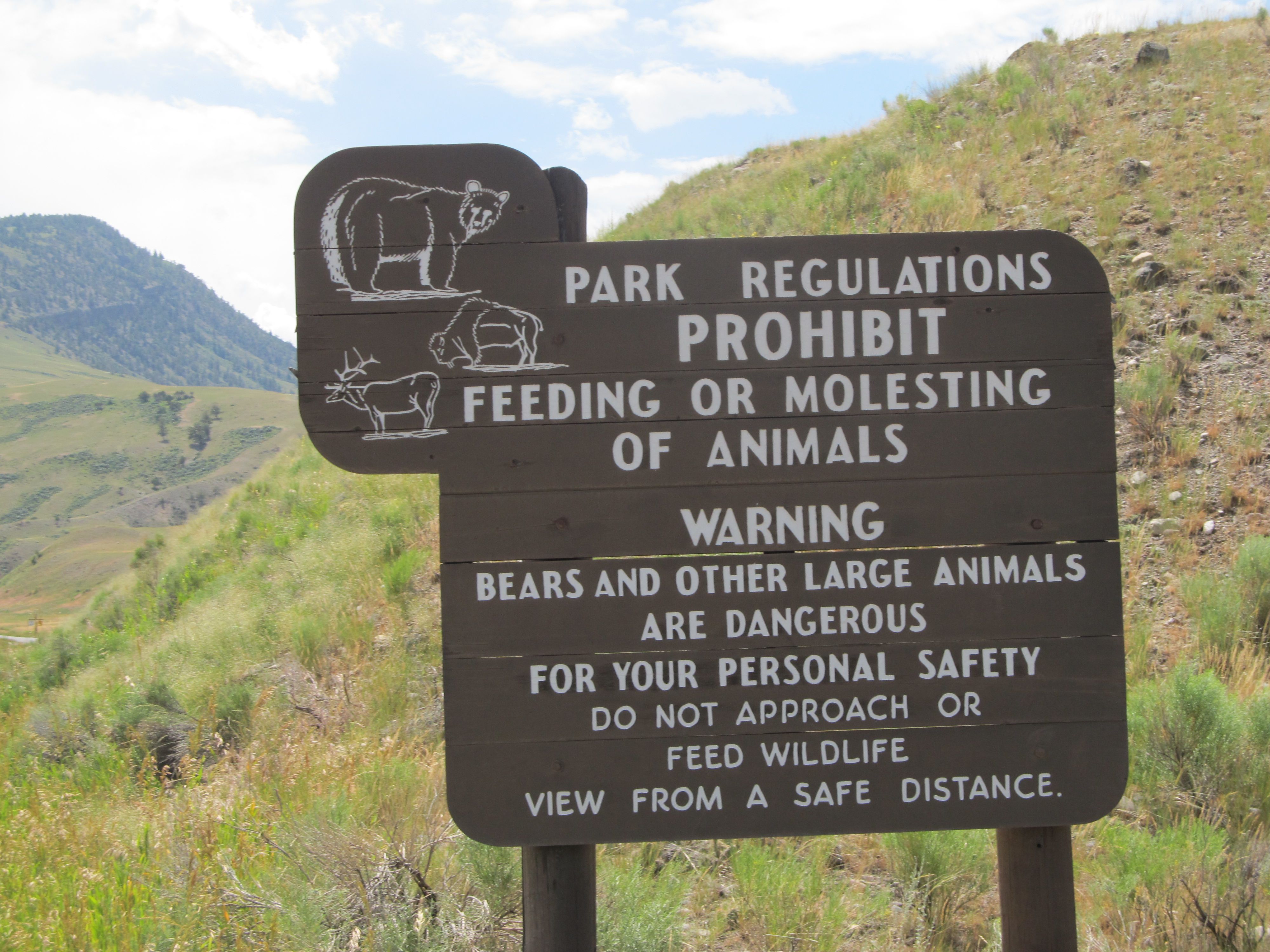
This guide explains practical wildlife-watching etiquette that applies across safaris, national parks, birding trips, marine excursions and nature reserves. Exact distance rules differ by species and destination, so local park or wildlife authority guidance always takes priority. The U.S. National Park Service summarizes the core principle clearly: keep distance, do not feed, touch or harass wildlife, and move back if an animal reacts to your presence.
Wildlife Watching Is Observation, Not Interaction
The goal should be to watch natural behavior rather than create a reaction.
A responsible encounter looks like this
- The animal continues its normal activity.
- Visitors remain at the required distance.
- No food is offered.
- No one calls or whistles to attract attention.
- The animal has a clear escape route.
- The group leaves before the encounter becomes stressful.
If your presence changes what the animal is doing, you may already be too close.
Follow Local Distance Rules
There is no universal safe distance for every animal. Parks set rules based on species, terrain and local conditions.
Why distance matters
- Wild animals can be unpredictable.
- Parents may defend young.
- Animals can waste energy moving away from people.
- Habituation can increase future conflict.
- Visitors can transmit or receive disease in some situations.
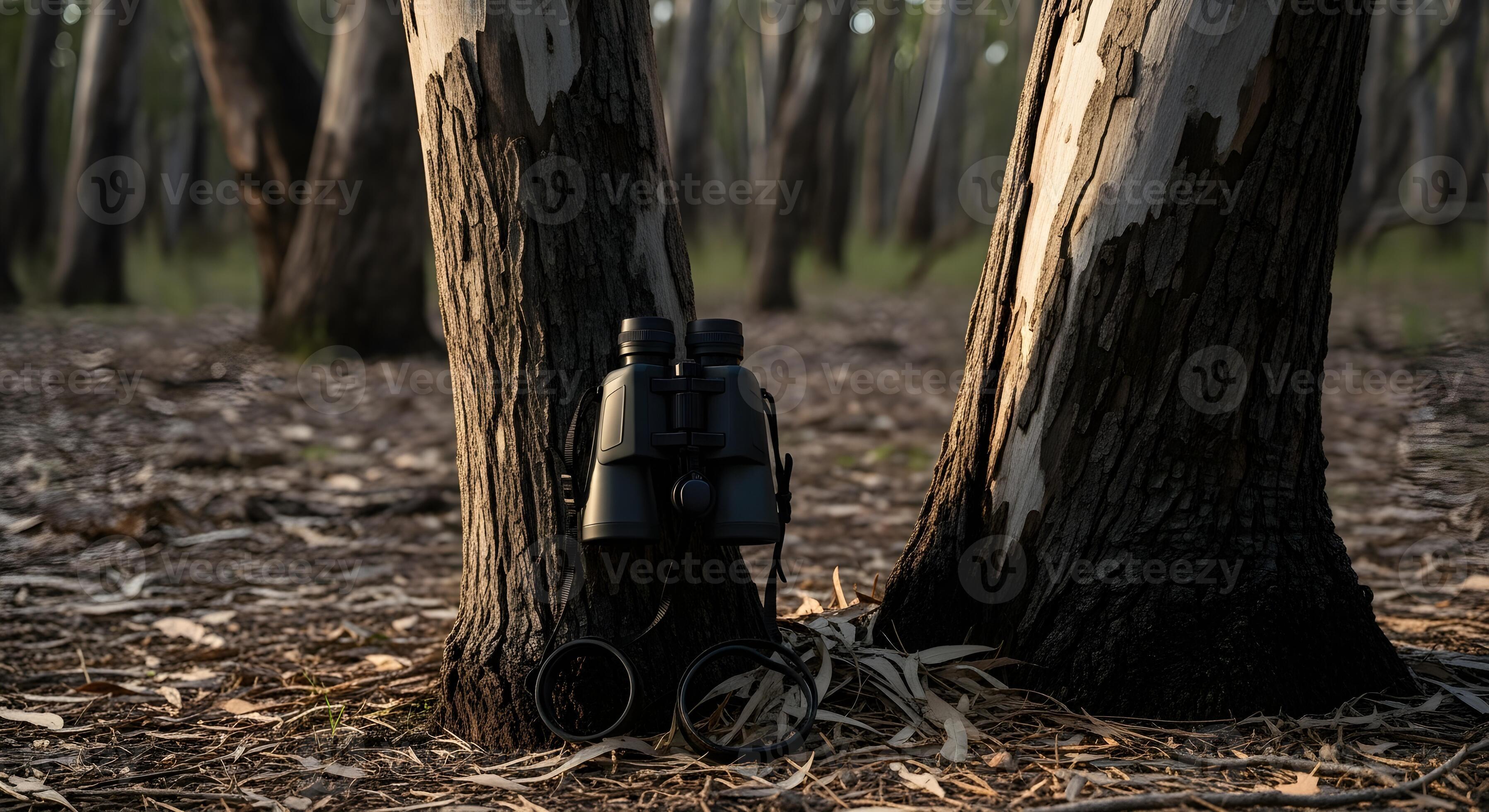
Use binoculars or a zoom lens instead of closing the gap.
Never Feed Wildlife
Feeding animals can change their behavior and diet and encourage them to associate people with food.
Human food can create long-term problems
Animals that become food-conditioned may approach roads, campsites and visitors more often. The National Park Service warns that feeding can contribute to poor nutrition, dangerous interactions and animals becoming aggressive around people.
Do not feed animals even when a guide, driver or social-media creator suggests it makes a better photograph.
Do Not Touch Wild Animals
A calm-looking animal is still wild.
Touching can create risk for both sides
- Bites or scratches.
- Disease exposure.
- Stress to the animal.
- Disruption of parenting or feeding behavior.
- Habituation to people.
Wildlife encounters that depend on routine handling deserve careful scrutiny.
Do Not Call, Whistle or Bait for a Photograph
Photographers sometimes use sound or food to move wildlife into a better position.
Ethical photography avoids manufacturing behavior
Do not use food bait, repeated animal calls or physical pressure simply to get eye contact. Many protected areas prohibit this behavior.
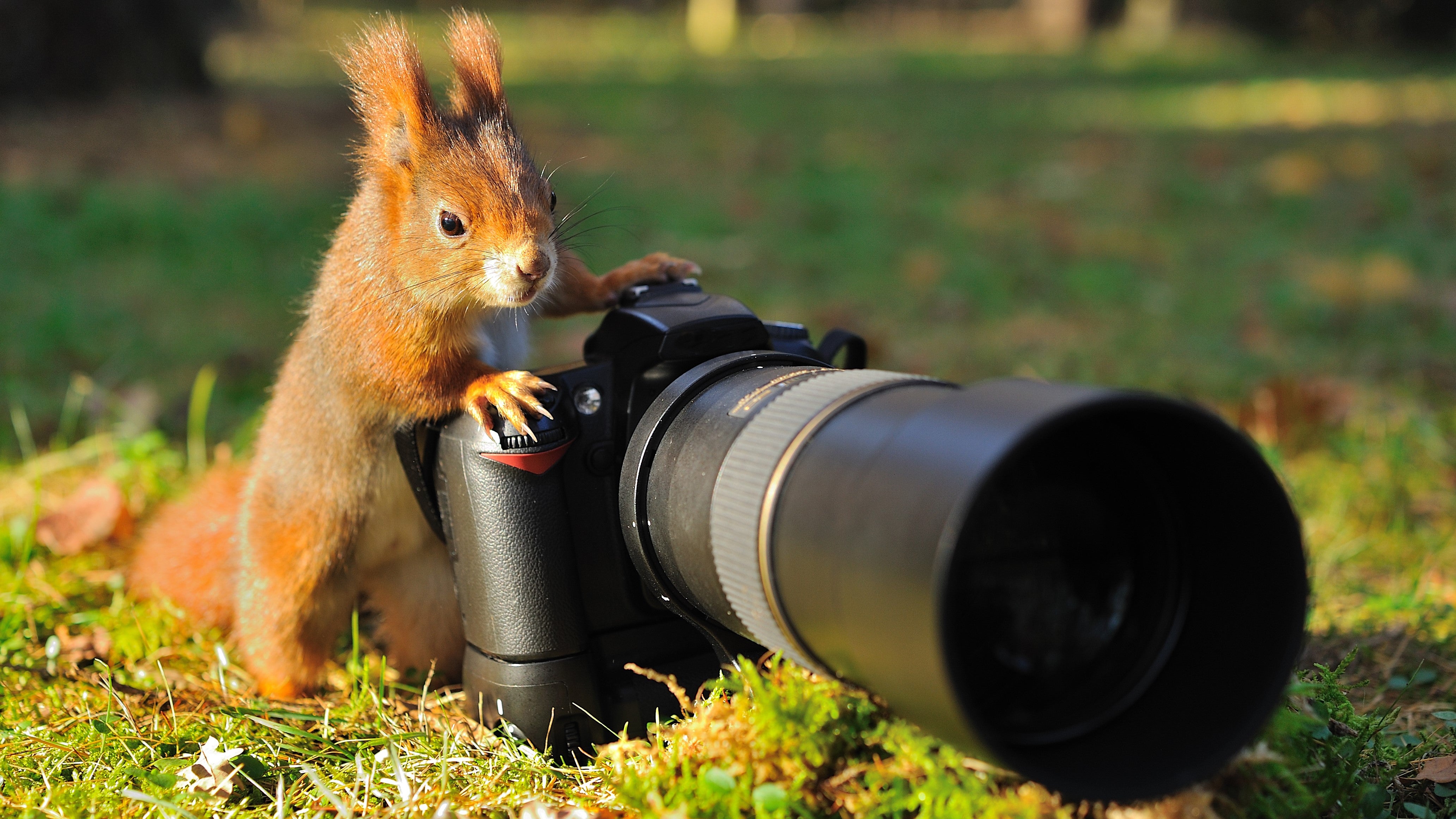
Use a Long Lens Instead of Getting Close
Good wildlife photography is often about patience, not proximity.
Better photography habits
- Use binoculars or telephoto lenses.
- Stay behind barriers.
- Keep quiet.
- Do not block other visitors.
- Never step off an authorized route for a closer image.
TourLix’s travel photography guide will cover broader photography ethics later in this content series.
Never Surround an Animal
A group of tourists can unintentionally trap wildlife by forming a circle.
Always leave an exit route
If an animal approaches a viewing area, step back and allow it to move. Do not crowd the path simply because everyone wants a photograph.
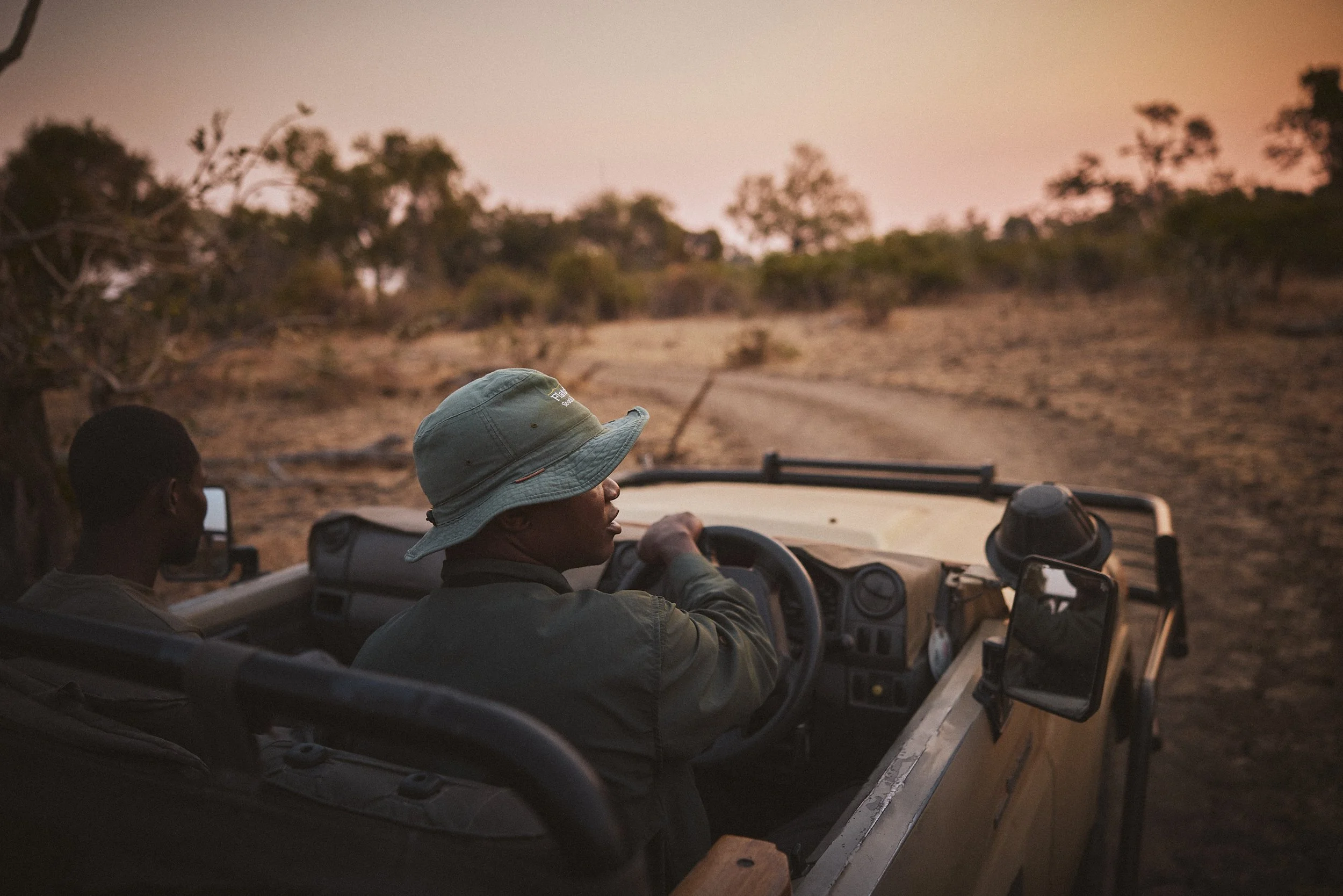
Vehicles Need Wildlife Etiquette Too
Safari and road-based viewing can create pressure when several vehicles gather around one animal.
Responsible vehicle behavior
- Follow park road rules.
- Use designated pullouts where required.
- Do not block an animal’s movement.
- Keep noise low.
- Limit the time around one sighting.
- Follow guide instructions.
A good operator should be willing to leave a crowded sighting rather than fight for the closest position.
Choose Wildlife Guides Carefully
A guide shapes both visitor safety and animal impact.
Positive signals
- Explains distance rules before the tour.
- Does not promise guaranteed close encounters.
- Refuses to feed or bait animals.
- Limits group size.
- Respects protected-area regulations.
- Talks about ecology, not only photographs.
TourLix’s adventure travel guide also emphasizes trained guides and structured safety practices.
Beware of “Guaranteed Wildlife” Marketing
Wild animals move according to food, weather, breeding and migration—not a tour schedule.
Responsible operators explain uncertainty
A tour can promise a professional search effort, but not control whether a wild animal appears. Guarantees may indicate feeding, captive conditions or misleading marketing, depending on the experience.
Distinguish Wild Viewing From Captive Attractions
Not every animal experience marketed as conservation or sanctuary tourism operates to the same standard.
Ask before visiting
- Why are the animals there?
- Can visitors touch them?
- Are animals bred for tourism?
- Can they return to the wild?
- Who regulates the facility?
- How is conservation work documented?
A sanctuary label alone does not prove strong welfare.
Marine Wildlife Needs Distance Too
Whales, dolphins, turtles, seals and other marine animals can be disturbed by boats and swimmers.
Choose operators that follow local marine rules
- Controlled approach speed.
- Minimum distance.
- Limited number of boats.
- No chasing.
- No feeding.
- Respect for resting or breeding animals.
Exact rules vary by jurisdiction, so use the local marine authority as the source of truth.
Snorkeling and Diving Around Wildlife
A slow-moving turtle or ray may appear approachable underwater.
Let the animal choose the distance
Do not chase, grab, ride or block marine animals. Maintain buoyancy control around reefs and follow guide instructions.
Birdwatching Requires Quiet
Birds may abandon feeding or nesting behavior when visitors crowd them.
Good birding habits
- Stay on designated trails.
- Use binoculars.
- Keep voices low.
- Avoid prolonged playback of bird calls.
- Respect seasonal nesting closures.
- Do not share sensitive nest coordinates publicly when local conservation groups discourage it.
Young Animals Need Extra Space
Baby animals can look vulnerable and invite people to move closer.
Do not assume an animal is abandoned
Parents may be nearby. Contact park staff or wildlife authorities if an animal appears injured rather than attempting a rescue yourself.
Pets Can Complicate Wildlife Encounters
Dogs may be perceived as predators or prey and can disturb wildlife even when friendly.
Follow park rules
Use leashes where required and respect areas where pets are prohibited. Never allow a pet to chase wildlife.
Store Food and Waste Properly
Wildlife feeding can happen unintentionally when visitors leave food or rubbish accessible.
At campsites and picnic areas
- Use wildlife-resistant storage where required.
- Keep food attended.
- Clean crumbs.
- Dispose of waste properly.
- Follow local rules for scented items.
Do Not Geotag Sensitive Wildlife Automatically
Sharing an exact location can increase visitor pressure on a nest, den or rare species.
Think before posting
Follow guidance from the park or conservation organization. A general area can tell the story without exposing a sensitive site.
Night Wildlife Viewing Needs Extra Care
Nocturnal species can be sensitive to bright lights.
Follow guide rules on lighting
Do not use powerful flash or spotlights when prohibited. Red-filtered light is used in some contexts, but local guidance should determine what is appropriate.
Wildlife Tourism and Community Benefits
Wildlife tourism can support local employment and conservation when communities benefit meaningfully.
Look for operators that
- Hire local guides.
- Support protected areas.
- Use local accommodation or suppliers.
- Explain conservation challenges.
- Share benefits with host communities.
UNESCO’s sustainable tourism framework emphasizes community involvement as part of responsible destination management.
Wildlife Tour Comparison Table
| Signal | Responsible approach | Warning sign |
|---|---|---|
| Distance | Follows rules | Encourages close selfies |
| Feeding | Never feeds wildlife | Uses food to attract animals |
| Sightings | Explains uncertainty | Guarantees wild encounters |
| Group size | Controlled | Large crowd around animals |
| Photography | Zoom lenses and patience | Baiting or harassment |
| Community | Local guides and benefits | No local connection |
What to Do When Wildlife Approaches You
Do not move closer because the animal reduced the distance.
Instead
- Follow species-specific park guidance.
- Back away when safe.
- Give the animal space.
- Do not run unless official guidance for that species says to do so.
- Follow ranger or guide instructions.
Different animals require different responses, so generic internet advice should never replace local safety instructions.
Wildlife Watching Checklist
- Check park rules.
- Know distance requirements.
- Bring binoculars or a zoom lens.
- Never feed wildlife.
- Never touch wildlife.
- Keep an escape route open.
- Choose an ethical operator.
- Control food and waste.
- Respect nesting/breeding closures.
- Report injured animals to authorities.
Frequently Asked Questions
How close can I get to wildlife?
Follow the exact rule for the park and species. If an animal changes behavior because of you, increase the distance.
Is feeding wildlife ever acceptable?
Visitors should not feed wild animals unless participating in a legitimate management program under authority supervision. Ordinary tourism feeding can harm animals and people.
Are wildlife selfies unethical?
A photograph is not inherently unethical, but getting too close, handling an animal, baiting it or changing its behavior for the image is a serious concern.
How do I know if a sanctuary is legitimate?
Investigate animal origin, visitor-contact policies, breeding, release work, regulation and transparent conservation reporting rather than trusting the word “sanctuary.”
Actionable Conclusion
Responsible wildlife watching requires a simple shift in mindset: the animal’s natural behavior matters more than the visitor’s photograph. Keep the required distance, never feed or touch wildlife, and choose guides who are comfortable leaving an encounter before it becomes disruptive.
The best sightings often happen when people are quiet enough to disappear into the background. Use binoculars, give animals space and accept uncertainty. Wildness is the reason the experience is special in the first place.