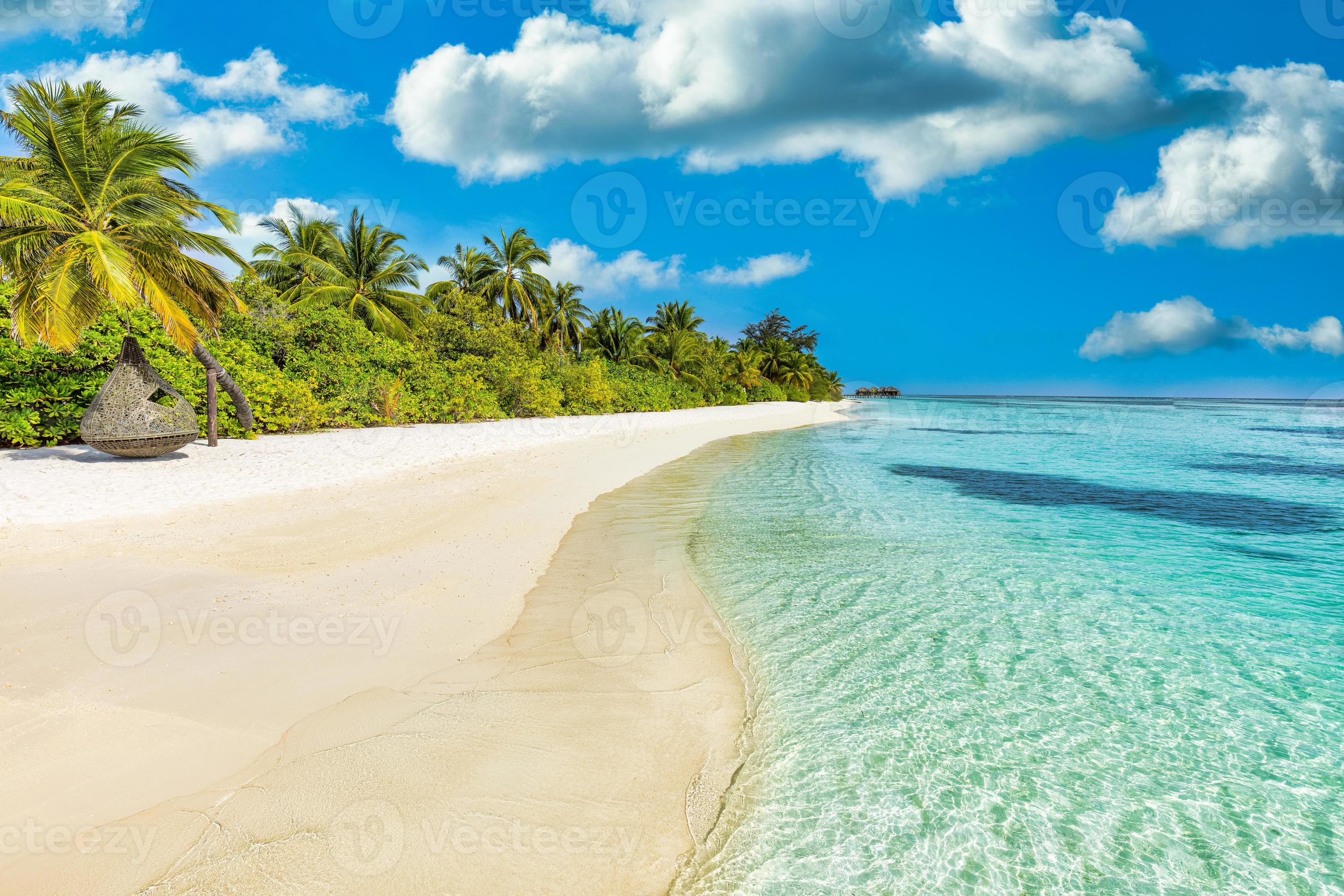
Island travel is often marketed through the same images: turquoise water, private villas and perfect beaches. But some of the most rewarding islands are not defined by resort life at all. They are places where the main attraction is nature—volcanic landscapes, rainforests, coastal trails, marine reserves, birdlife, mountains and small communities shaped by their environment.

Nature-focused island travel requires a different planning mindset. Weather can change quickly, ferries may be limited, protected areas may have visitor rules and wildlife experiences need more care than ordinary sightseeing. A beautiful place can also be environmentally fragile, so the goal should be to enjoy the landscape without treating it like a backdrop.
This guide highlights several island destinations that suit travelers who value hiking, wildlife, coastlines and conservation. It is not a strict ranking, and conditions vary by season. Use official tourism, park and marine-protection sources before booking. For broader responsible-travel ideas, see TourLix’s sustainable destination guide.
What Makes an Island Good for Nature Travel?
A strong nature destination usually offers more than one landscape and enough visitor infrastructure to explore without putting unnecessary pressure on sensitive areas. The best trips balance access with limits.
Look for these features
- Protected parks, marine areas or conservation zones.
- Marked hiking routes with current condition information.
- Local guides who understand wildlife and safety rules.
- Public transport, ferries or shared excursions that reduce unnecessary driving.
- Accommodation that fits the local scale rather than isolating visitors from communities.
- Clear visitor rules for beaches, reefs, nesting areas and trails.
Travelers should also check whether nature access is seasonal. Whale watching, bird migration, turtle nesting, mountain roads and diving conditions can change throughout the year.
The Azores, Portugal: Volcanic Landscapes in the Atlantic
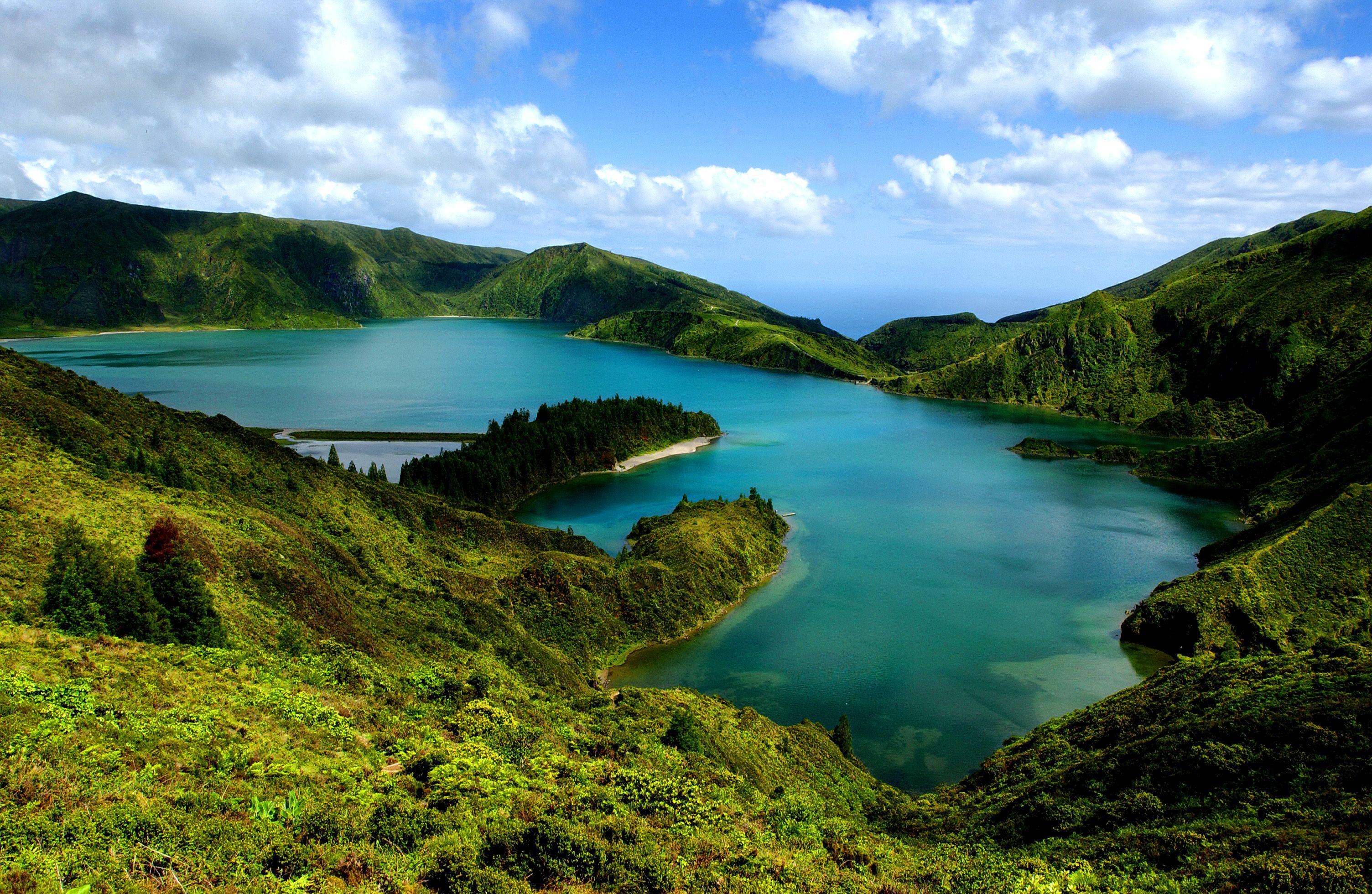
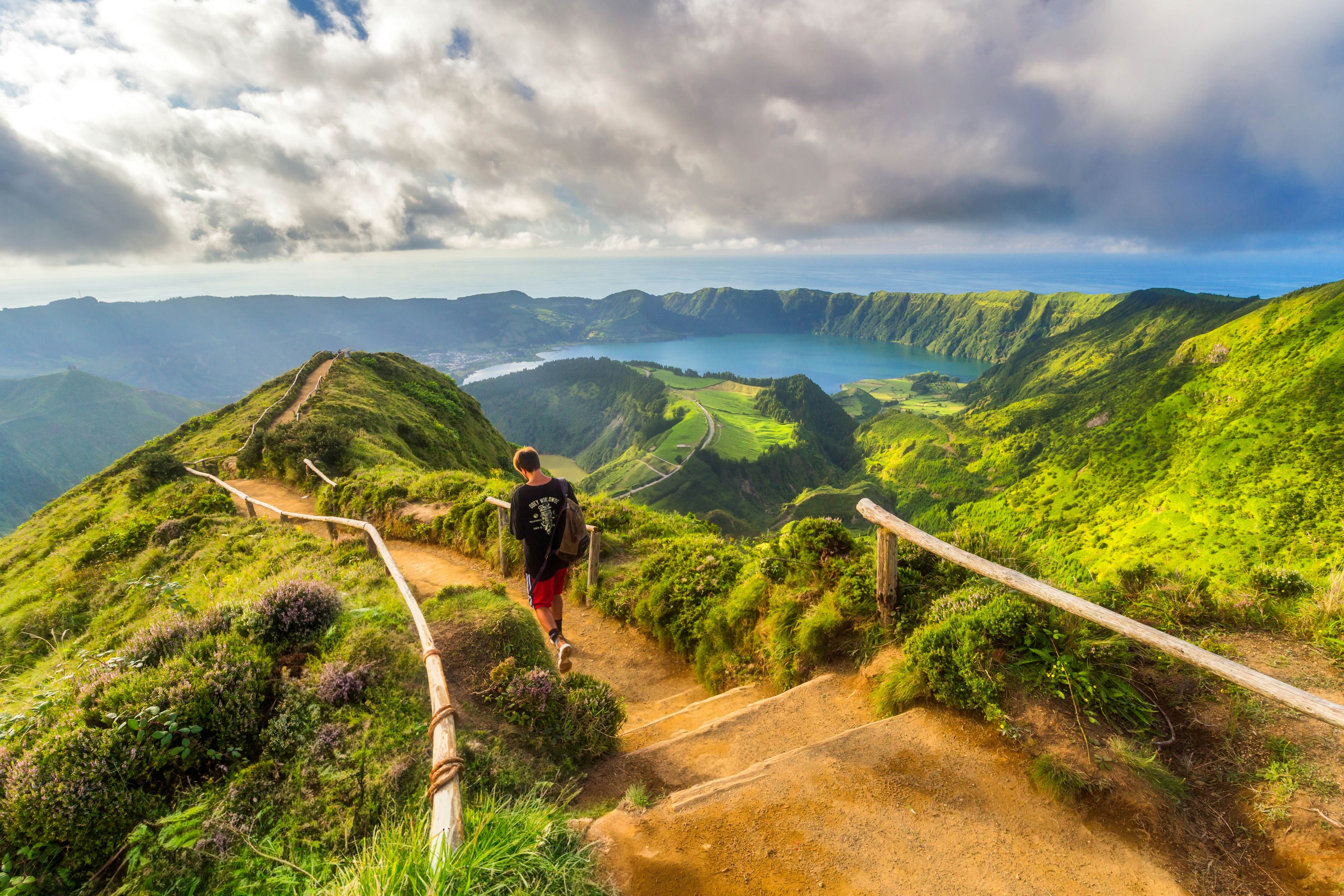
The Azores are a group of Portuguese islands known for crater lakes, geothermal landscapes, coastal viewpoints and marine life. The experience is less about a single famous beach and more about moving through green volcanic scenery.
Plan by island rather than trying to see everything
Inter-island travel can consume time, so a short trip is usually better when focused on one or two islands. São Miguel works well for first-time visitors because it combines lakes, hot springs, coastal drives and towns. Other islands offer different hiking and marine experiences.
Use Visit Azores for official destination information and current activity guidance.
Madeira, Portugal: Mountain Trails Above the Atlantic
Madeira appeals to travelers who want dramatic hiking and coastal scenery without giving up comfortable visitor infrastructure. Its levada walks, mountain routes and viewpoints can create very different experiences within a relatively small area.
Trail conditions matter
Mountain weather can shift quickly, and some routes may close because of maintenance, landslides or safety conditions. Check official trail information before setting out and avoid assuming a route is open because an old travel blog shows it.
The official Visit Madeira portal is a good planning source.
Tasmania, Australia: A Strong Choice for Hiking and Wildlife
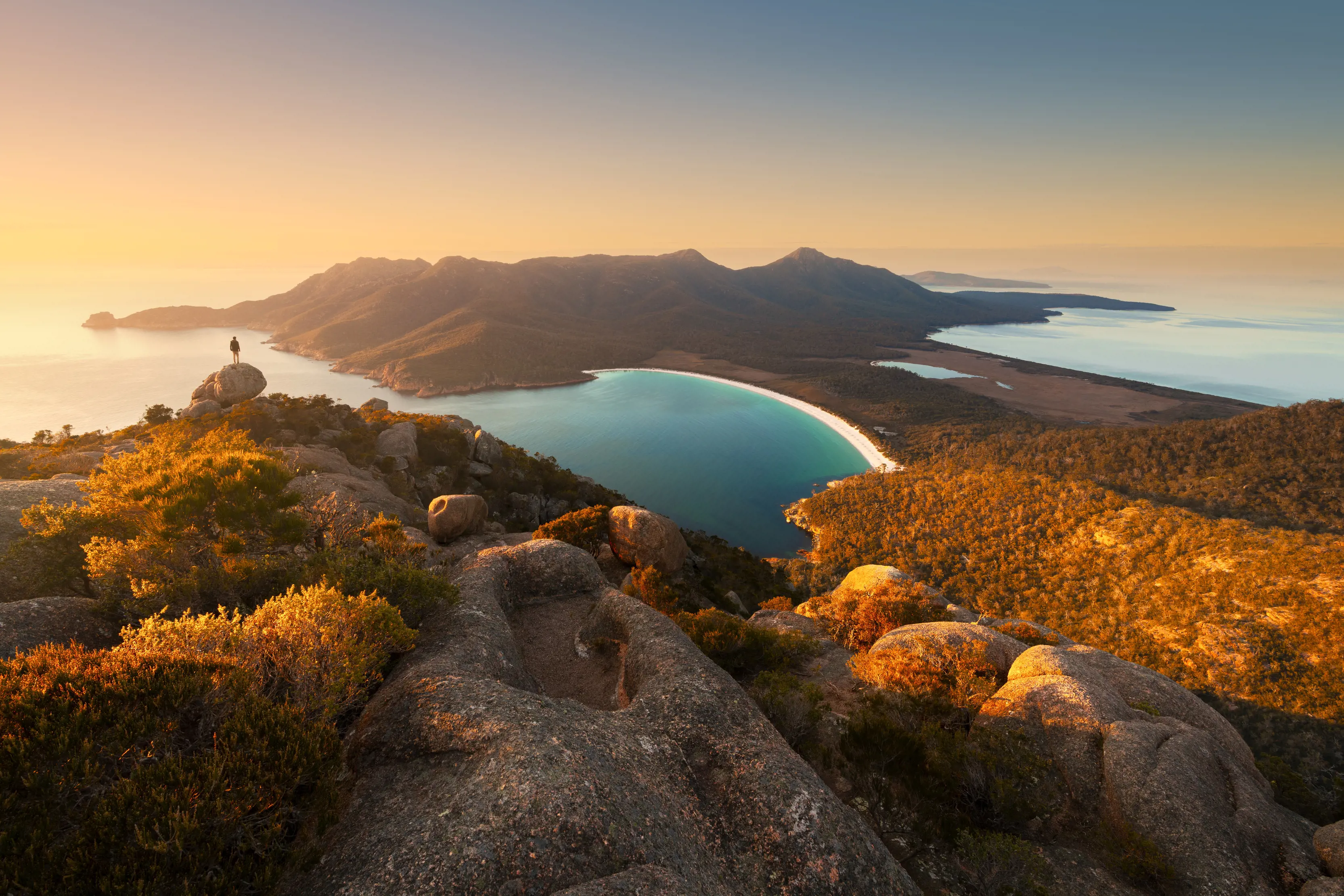
Tasmania combines national parks, rugged coast, cool-climate landscapes and distinctive wildlife. It suits travelers who prefer road trips, multi-day walks, quiet towns and outdoor time to a fast-paced city itinerary.
Do not underestimate driving time
Distances on a map can look short, but mountain roads and scenic stops slow travel. Build a route with fewer bases and longer stays rather than changing accommodation every night. For park information, use Tasmania Parks and Wildlife Service.
Seychelles: Beaches, Granite Landscapes and Protected Nature
Seychelles is famous for beaches, but nature-focused travelers can also explore marine areas, forest reserves, island trails and wildlife habitats. Different islands have different personalities, and ferry or flight connections shape the itinerary.
Respect beaches as ecosystems
Do not approach nesting wildlife, remove shells from protected areas or leave the marked path in sensitive habitats. Beaches may look open and empty, but they can still be important ecological spaces.
Check destination information through Tourism Seychelles.
Fiji: Marine Experiences and Community-Based Travel
Fiji offers a mix of coral reefs, islands, waterfalls and village-based experiences. Nature-focused travel here can be especially rewarding when visitors choose operators that respect marine ecosystems and local community rules.
Choose reef activities carefully
Look for operators that brief guests on coral protection, wildlife distance and safe snorkeling or diving practices. Avoid experiences that encourage touching or feeding wild marine animals simply for photographs.
The official Tourism Fiji site provides destination and island information.
Palau: Marine Conservation at the Center of the Experience
Palau is widely known for marine biodiversity and protected waters. For travelers interested in diving, snorkeling and island landscapes, conservation is not a side topic—it is central to how the destination is experienced.
Responsible behavior is part of the trip
Visitors should follow local marine rules, use responsible operators and avoid treating protected ecosystems as unrestricted recreation areas. Nature travel is most meaningful when the rules that protect a place are respected even if they limit convenience.
Faroe Islands: Dramatic North Atlantic Scenery
The Faroe Islands offer steep coastal landscapes, villages, birdlife and changing weather. They appeal to travelers who enjoy walking, photography and a sense of remoteness rather than resort activities.
Weather controls the schedule
Wind, rain and fog can change plans quickly. Build flexible days and avoid a route where missing one ferry or hike causes the whole itinerary to fail. Always follow local access guidance, especially near cliffs and private land.
Use Visit Faroe Islands for current visitor information.
Okinawa, Japan: Subtropical Nature Beyond Mainland Japan
Okinawa offers a very different environment from Tokyo, Kyoto or the Japanese Alps. Travelers can combine beaches, subtropical forests, island culture and marine activities while still benefiting from Japan’s organized tourism infrastructure.
Do not treat every island as the same trip
The Okinawa region includes multiple islands with different transport patterns and attractions. Choose a base based on the experiences you want rather than assuming you can move between islands casually each day.
For broader Japan planning, TourLix’s Japan travel trends guide provides additional context.
Quick Comparison Table
| Island destination | Best nature strength | Main planning issue |
|---|---|---|
| Azores | Volcanic lakes and marine life | Inter-island logistics |
| Madeira | Mountain and levada hiking | Trail and weather conditions |
| Tasmania | National parks and wildlife | Driving time |
| Seychelles | Beaches and island reserves | Ferry connections |
| Fiji | Reefs and community travel | Operator quality |
| Palau | Marine biodiversity | Protected-area rules |
| Faroe Islands | Cliffs and coastal landscapes | Fast-changing weather |
| Okinawa | Subtropical forests and sea | Island-to-island planning |
How to Choose a Responsible Wildlife Experience
Wildlife tourism can create strong memories, but it can also cause harm when animals are chased, crowded, fed or handled. Choose operators that prioritize distance and observation over guaranteed close encounters.
Ask these questions before booking
- Does the operator follow local wildlife rules?
- Are group sizes controlled?
- Do guides explain animal behavior and conservation?
- Are guests encouraged to touch or feed wildlife?
- What happens if animals are not present?
A responsible company should be comfortable with the possibility that wildlife may not appear. Wild animals do not exist on a visitor schedule.
Marine Activities Need More Than Good Weather
Snorkeling, diving, kayaking and boat trips depend on sea conditions, equipment, guide quality and the traveler’s experience level. A calm-looking bay is not automatically safe.
Basic checklist
- Use licensed or reputable operators.
- Confirm whether equipment is included and inspected.
- Follow local reef and marine-park rules.
- Use flotation or safety equipment where advised.
- Do not exceed your swimming or diving ability.
- Keep a backup plan for poor sea conditions.
Plan for Health and Environmental Conditions
Heat, humidity, sun exposure, rough water, insect-borne disease risks and remote medical access can vary between islands. The World Health Organization’s travel and health guidance recommends checking destination-specific risks before departure and carrying appropriate health documents and supplies.
Travel insurance should also be compared carefully, especially if the trip includes diving, hiking or other activities that may have exclusions.
How Long Should You Stay on an Island?
A short stay can work on an island with strong transport and a compact activity zone, but remote destinations often reward extra time. Weather may cancel a boat trip, a trail may close, or ferry schedules may not align perfectly.
Use a buffer-day rule
If one activity matters enough that you would be disappointed to miss it, avoid scheduling it on your final available day. Keep at least one backup window when practical.
Nature Travel and Sustainable Tourism
UNESCO’s World Heritage and Sustainable Tourism Programme emphasizes tourism approaches that protect natural and cultural heritage while involving local communities. On islands, this can be especially important because ecosystems and infrastructure may have limited capacity.
Travelers can help by staying within marked areas, reducing waste, avoiding unnecessary single-use plastics, respecting water restrictions and supporting locally owned guides or businesses when appropriate.
Frequently Asked Questions
Which island is best for hiking?
Madeira, the Azores, Tasmania and the Faroe Islands are strong options, but the best choice depends on trail difficulty, weather and your fitness level.
Which islands are best for marine life?
Palau, Fiji, Seychelles and parts of the Azores can offer excellent marine experiences. Wildlife sightings are never guaranteed, and responsible operators should not promise them.
Do nature-focused island trips require a car?
Some do, especially larger islands with dispersed trailheads. Others can work with buses, ferries, transfers or guided excursions. Compare transport before choosing accommodation.
Are island destinations expensive?
Costs vary widely. Import dependence and limited transport can make some islands expensive, while local guesthouses and slower itineraries may reduce costs in others.
Actionable Conclusion
The Azores, Madeira, Tasmania, Seychelles, Fiji, Palau, the Faroe Islands and Okinawa all show that island travel can be about far more than beaches. Their strongest experiences come from landscapes, marine environments, wildlife and local culture.
Choose the island based on the nature experience you value most, then build the itinerary around weather, conservation rules and realistic transport. Leave buffer time, use responsible operators and accept that nature does not always follow a schedule. That mindset creates a trip that is not only more enjoyable, but also more respectful of the places you came to see.