
Hotels increasingly describe themselves as eco-friendly, green, responsible or sustainable. Sometimes those labels reflect serious investment in energy, water, waste, sourcing and community relationships. Sometimes they mean little more than a card asking guests to reuse towels and a few nature-themed photographs on the booking page.

Travelers do not need to become environmental auditors to make a better choice, but they should look for evidence. Strong sustainability claims are specific, measurable and transparent. Weak claims rely on vague words, small guest actions and marketing while ignoring the larger impact of operating a hotel.
This guide explains how to evaluate hotel sustainability without expecting perfection. Tourism always has impacts, and no hotel becomes “zero impact” because of one policy. The goal is to identify properties that appear to manage environmental and community impacts seriously and honestly. UN Tourism and UNEP frame sustainable tourism as a combination of environmental, economic and social responsibility rather than one isolated green feature.
What Sustainable Hospitality Actually Covers
Sustainability is broader than electricity use or towel reuse. A hotel affects the destination through buildings, staff, food, water, waste, transport, purchasing and guest behavior.
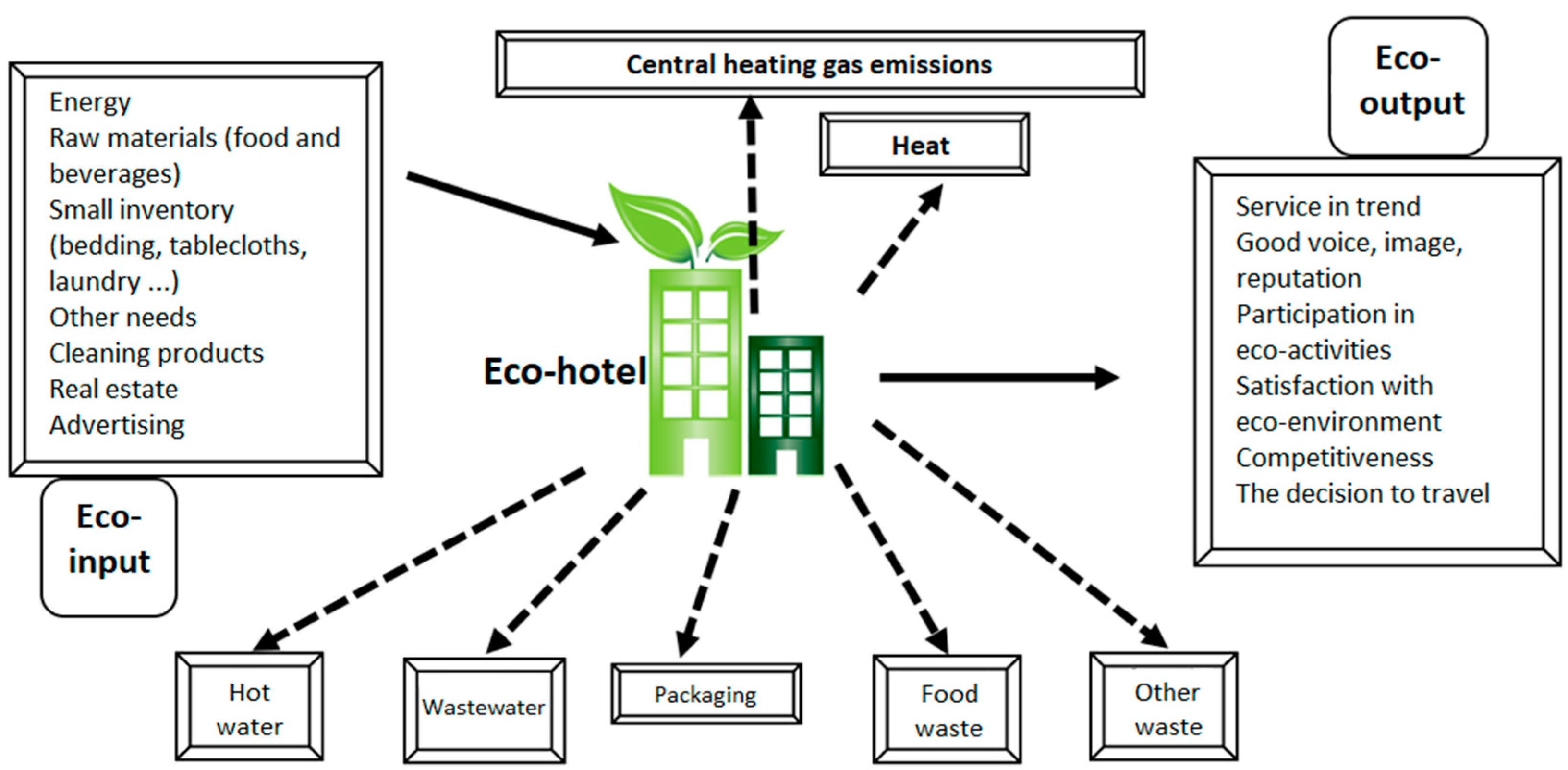
A hotel’s sustainability efforts can include
- Energy efficiency and renewable energy.
- Water use and wastewater management.
- Waste reduction and recycling.
- Food sourcing and food waste.
- Local employment and fair work.
- Community relationships.
- Biodiversity and land impact.
- Building design and materials.
- Guest education.
One strong area does not automatically cancel poor performance everywhere else.
Greenwashing Often Starts With Vague Language
Words such as “eco,” “natural,” “conscious” and “planet-friendly” are easy to use in marketing because they do not explain what the property actually changed.
Ask: what exactly changed?
“We reduced single-use plastic water bottles by installing filtered refill stations” is more useful than “We care about the planet.” Specific claims can be checked, while vague claims mainly create an impression.
Look for a Published Sustainability Policy
A serious property should be able to explain its goals and practices in one place.
A useful policy can include
- Energy targets.
- Water targets.
- Waste practices.
- Supplier standards.
- Community commitments.
- Progress reporting.
- Certification details.
A policy written entirely in marketing language with no dates, figures or responsibilities deserves more scrutiny.
Energy Information Matters
Hotels use energy for heating, cooling, lighting, laundry, kitchens, pools and guest facilities.
Useful evidence includes
- LED lighting.
- Efficient heating and cooling.
- Room energy controls.
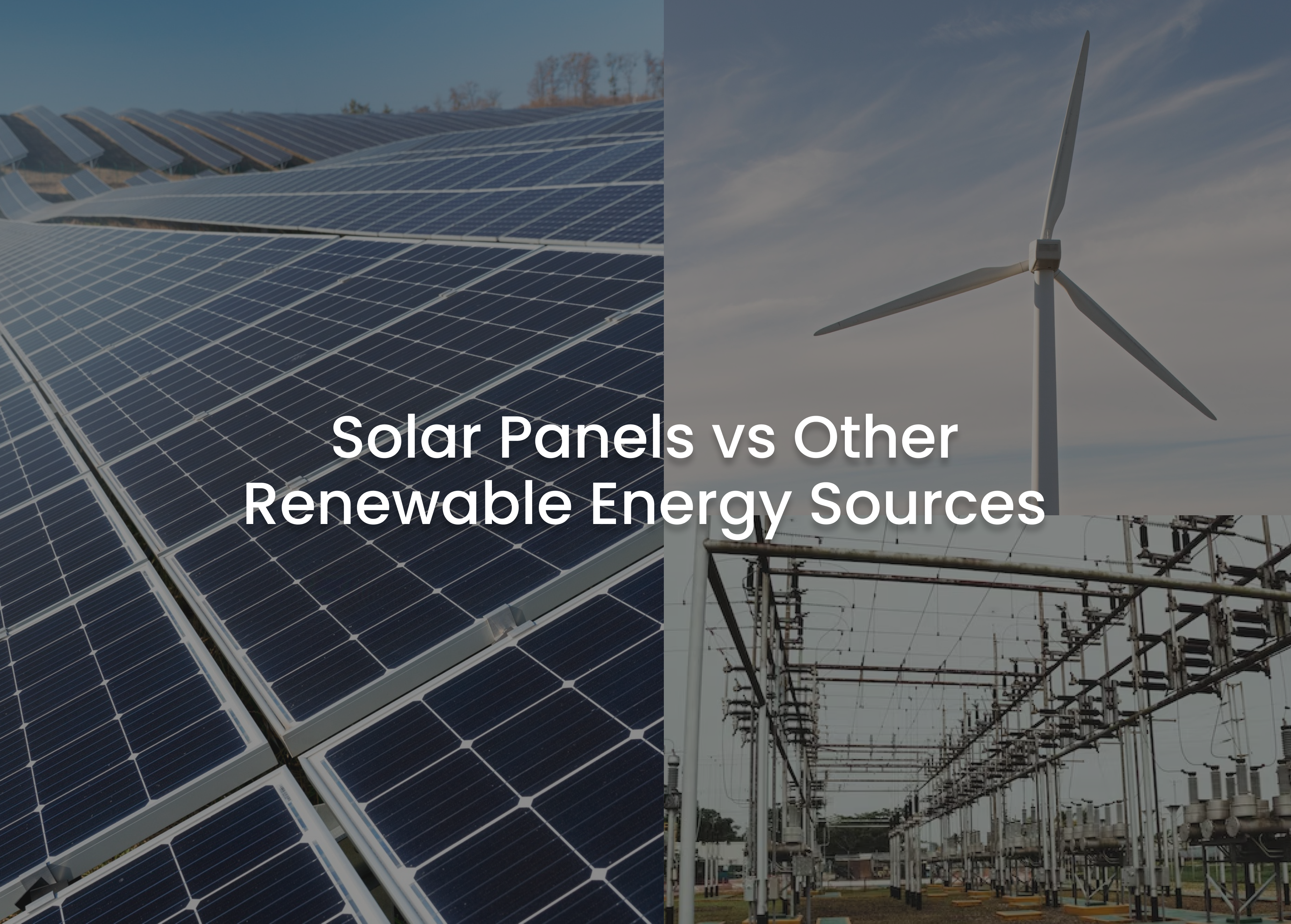
- Solar or other renewable generation.
- Building insulation upgrades.
- Energy-use targets or reporting.
UN Tourism’s green-investment work has highlighted efficiency and sustainable infrastructure within tourism and hospitality. Travelers do not need engineering details, but a credible hotel should be able to describe major energy measures.
Water Management Matters Especially in Dry Destinations
A luxury property with large pools, golf landscaping or extensive gardens can use significant water, particularly in water-stressed regions.
Look beyond towel reuse
- Low-flow fixtures.
- Leak detection.
- Efficient irrigation.
- Native or low-water landscaping.
- Wastewater treatment or reuse where appropriate.
- Transparent guest information about local water constraints.
A towel program can contribute, but it should not be the entire water strategy.
Waste Reduction Should Include Hotel Operations
Visible guest-room recycling is only one part of hotel waste. Kitchens, conferences, housekeeping and renovations can generate far more material.
Stronger waste programs address
- Food waste.
- Kitchen packaging.
- Bulk bathroom amenities.
- Single-use plastics.
- Housekeeping supplies.
- Event waste.
- Construction and renovation materials.
Ask whether the hotel measures waste or only asks guests to separate it.
Food Can Reveal How Serious the Hotel Is

Hotel restaurants have environmental and economic impacts through sourcing, menu design and food waste.
Look for practical sourcing information
- Local or regional suppliers.
- Seasonal ingredients.
- Food-waste measurement.
- Donation programs where legal and safe.
- Plant-based choices.
- Responsible seafood sourcing.
“Farm-to-table” is more credible when the hotel identifies actual farmers or producers rather than using the phrase as decoration.
Local Employment Is Part of Sustainability
A hotel can use renewable power and still provide little value to the surrounding community if most purchasing and employment benefits leave the destination.
Social sustainability can include
- Local hiring.
- Training and career development.
- Fair employment practices.
- Local procurement.
- Partnerships with community organizations.
- Respect for local cultural heritage.
UNESCO’s World Heritage and Sustainable Tourism Programme emphasizes tourism management that protects heritage and involves host communities.
Check Whether the Hotel Supports Local Businesses
Hotels can keep guests inside a closed resort economy or connect them with the wider destination.
Positive signals
- Locally owned tour partnerships.
- Local crafts sold with transparent sourcing.
- Restaurant recommendations beyond hotel outlets.
- Community-led cultural experiences.
- Local suppliers featured by name.
TourLix’s community-based travel guide provides more ideas.
Certifications Can Help—but Read What They Mean
Third-party certification can provide more credibility than self-declared claims, but travelers should understand what is being certified.
Ask
- Who operates the certification?
- Are criteria public?
- Is verification independent?
- Does certification cover the whole property or one feature?
- When was it awarded?
- How often is it renewed?
A logo without explanation should not end the research.
Different Certifications Measure Different Things
One program may focus on building performance, another on tourism operations and another on broader management systems.
Compare scope, not only badge count
A hotel displaying five logos is not automatically more sustainable than one with a single rigorous certification. Read the criteria and whether independent audits are involved.
Building Design Can Be Sustainable Without Looking Rustic
A sustainable hotel does not need bamboo furniture and green walls. Efficient modern buildings can perform well, while a “natural” resort can still consume large amounts of water and energy.
Useful design features
- Passive shading.
- Natural ventilation where climate permits.
- Efficient glazing.
- Locally appropriate materials.
- Building reuse.
- Smart energy controls.
Historic Building Reuse Can Have Sustainability Benefits
Converting an existing structure into a hotel can preserve cultural fabric and reduce some new construction, but renovation choices, energy performance and community impacts still matter.
Do not assume heritage equals sustainable
A historic building can still have inefficient systems. Look for evidence of sensitive restoration and modern resource management.
Luxury and Sustainability Are Not Opposites
Luxury hotels have resources to invest in efficient systems, but they can also have high energy, water and material demand.
Judge the operating model
A premium property should be able to explain how it manages pools, laundry, cooling, food waste and guest amenities. TourLix’s sustainable luxury resort guide explores this category further.
Beware of “Carbon Neutral” Without Methodology
Carbon claims can involve direct reductions, renewable energy, purchased certificates and offsetting. The details matter.
Look for transparency
- What emissions are included?
- What year is measured?
- What direct reductions have been made?
- What is offset?
- Who verifies the claim?
A claim should not depend entirely on offsets while ignoring obvious operational improvements.
Housekeeping Choice Can Reduce Resource Use—but Should Remain Good Service
Many hotels now allow guests to skip daily housekeeping. That can reduce laundry, cleaning chemicals and staff visits.
Check the guest experience
Guests should still be able to request necessary service, towels or waste removal. Sustainability should not become an excuse for simply reducing service while charging the same rate without explanation.
Single-Use Plastic Changes Are Useful but Limited
Replacing miniature toiletry bottles or plastic water bottles can reduce waste, but it addresses only one visible part of hotel operations.
Look for the next layer
Ask what the property does about procurement packaging, food waste, laundry, energy and construction—not only items guests can see.
Look at the Destination Context
A sustainability practice that matters in one place may be less important in another.
Examples
- Water conservation in drought-prone regions.
- Wildlife protection near sensitive habitat.
- Waste management on islands.
- Heating efficiency in cold climates.
- Heritage preservation in historic buildings.
Biodiversity Matters at Resorts and Nature Lodges
Properties near reefs, forests, wetlands or wildlife habitat should explain how they reduce disturbance.
Good questions
- Was natural habitat cleared for construction?
- Are invasive landscaping species avoided?
- Are wildlife feeding and handling prohibited?
- Are guests kept on designated paths?
- Does the property support local conservation programs?
Transportation Is Part of the Hotel Footprint
A remote hotel can require repeated private transfers even if the building itself is efficient.
Look for mobility options
- Public transport information.
- Shared airport transfer.
- Bike access.
- Walking routes.
- Electric-vehicle charging where relevant.
Hotel Sustainability Scorecard
| Area | Evidence to look for |
|---|---|
| Energy | Efficiency, renewables, targets |
| Water | Fixtures, irrigation, reuse |
| Waste | Food waste, plastics, recycling |
| Food | Local/seasonal sourcing |
| Community | Local jobs and suppliers |
| Biodiversity | Habitat protection and visitor rules |
| Certification | Independent, transparent criteria |
| Reporting | Specific goals and progress |
Questions to Ask a Hotel Before Booking
- Do you have a current sustainability policy?
- Do you track energy and water use?
- Which certifications are independently verified?
- How do you manage food waste?
- How much purchasing is sourced locally?
- How do you support the local community?
- How do you protect local habitat?
- What progress have you reported recently?
A hotel that takes sustainability seriously should be able to answer without only repeating marketing language.
Traveler Behavior Still Matters
Choosing a better hotel does not remove the traveler’s responsibility.
Simple guest actions
- Turn off unnecessary lights and cooling.
- Use refill stations where safe.
- Reuse towels when practical.
- Follow waste separation.
- Respect protected land.
- Support local businesses.
Sustainable Does Not Mean Uncomfortable
A well-designed sustainable hotel should use resources efficiently without making guests accept unsafe, unhygienic or unreasonable conditions.
Do not confuse cost cutting with sustainability
If a hotel removes services without meaningful environmental explanation or evidence, that may simply be cost reduction rather than sustainability.
Frequently Asked Questions
What is hotel greenwashing?
It is marketing that creates an exaggerated or misleading impression of environmental or social responsibility without strong evidence.
Are eco-certifications reliable?
Some are robust, others are limited. Check the certifier, criteria, verification process and scope.
Is towel reuse enough to make a hotel sustainable?
No. It is one small operational measure. Energy, water, waste, sourcing and community impact are broader issues.
Are sustainable hotels more expensive?
Not necessarily. Efficiency can reduce operating costs, and sustainable properties exist across price ranges. Compare total value and evidence.
Actionable Conclusion
A meaningful sustainable hotel does not need perfect environmental performance, but it should provide specific evidence that it manages energy, water, waste, sourcing, biodiversity and community impact. Vague eco language is not enough.
Look for measurable practices, credible certification, transparent reporting and local relationships. Then combine the hotel choice with responsible guest behavior. Sustainability is strongest when both the business and traveler make practical decisions instead of relying on marketing labels.