
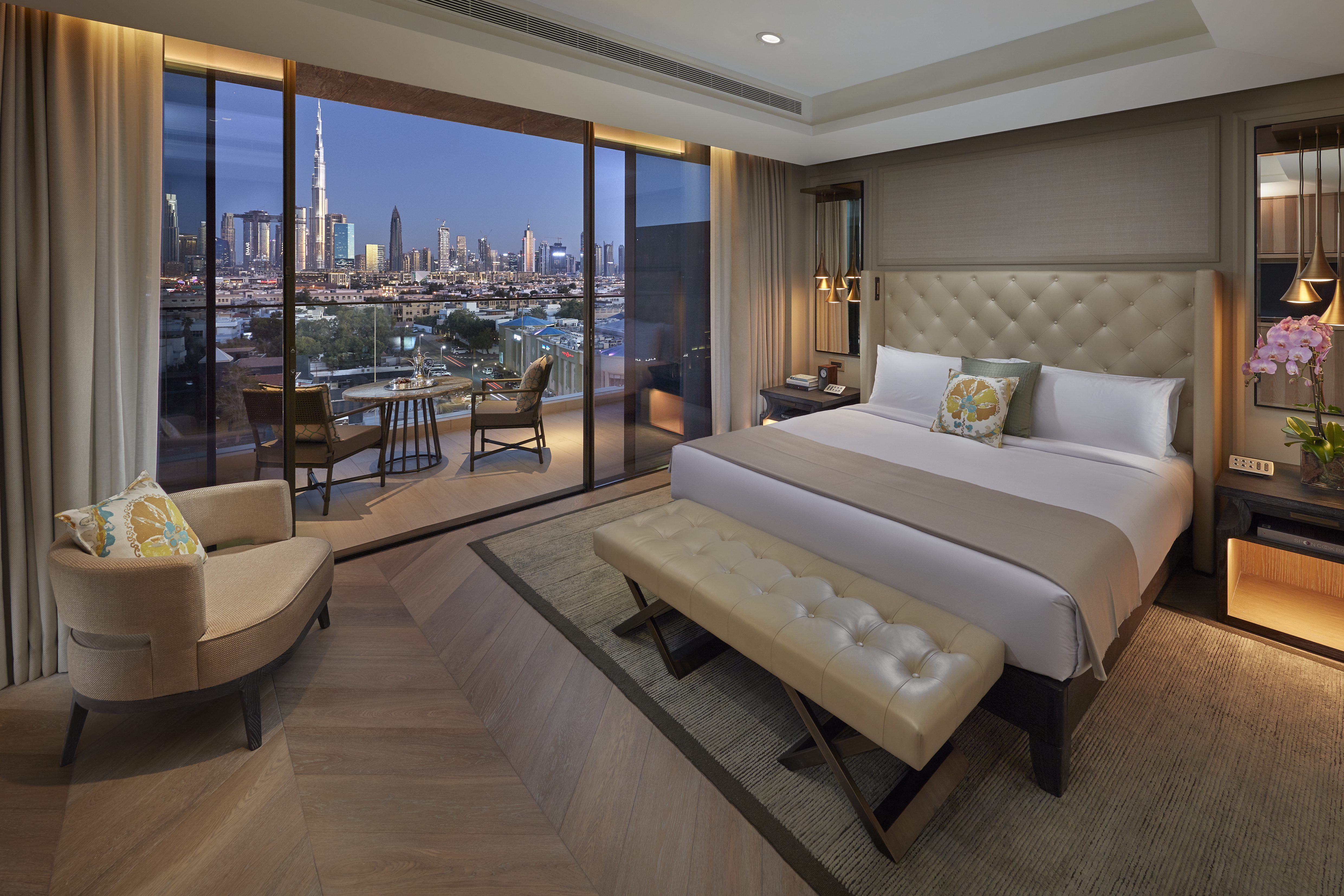
Hotel star ratings are useful shorthand, but they are a poor way to choose accommodation on their own. A traveler can have a better stay at a well-run three-star hotel in the right neighborhood than at a five-star property with a long commute, noisy room or services they never use.

The problem is that star systems do not measure every part of the guest experience in the same way. Criteria vary by country and rating organization, and high-end facilities do not automatically guarantee the features that matter to you personally.
This guide provides a practical framework for comparing hotels beyond star ratings. It focuses on the real factors that shape a stay: location, room functionality, sleep, reviews, transport, service, accessibility, sustainability and total cost. For common booking traps, see TourLix’s hotel booking mistakes guide.
Start With Your Trip Type
A hotel cannot be evaluated without context. The best property for a honeymoon may be a poor choice for a business trip. A family may prioritize connecting rooms and breakfast, while a solo traveler may value 24-hour reception and transit access.
Define your top five needs
- Location.
- Room size.
- Breakfast.
- Quiet sleep.
- Pool or gym.
- Workspace.
- Kitchenette.
- Accessibility.
- Parking.
- Family facilities.
Rank your own priorities before comparing properties. This prevents paying for features that look impressive but do not improve your trip.
Location Is More Important Than Lobby Luxury
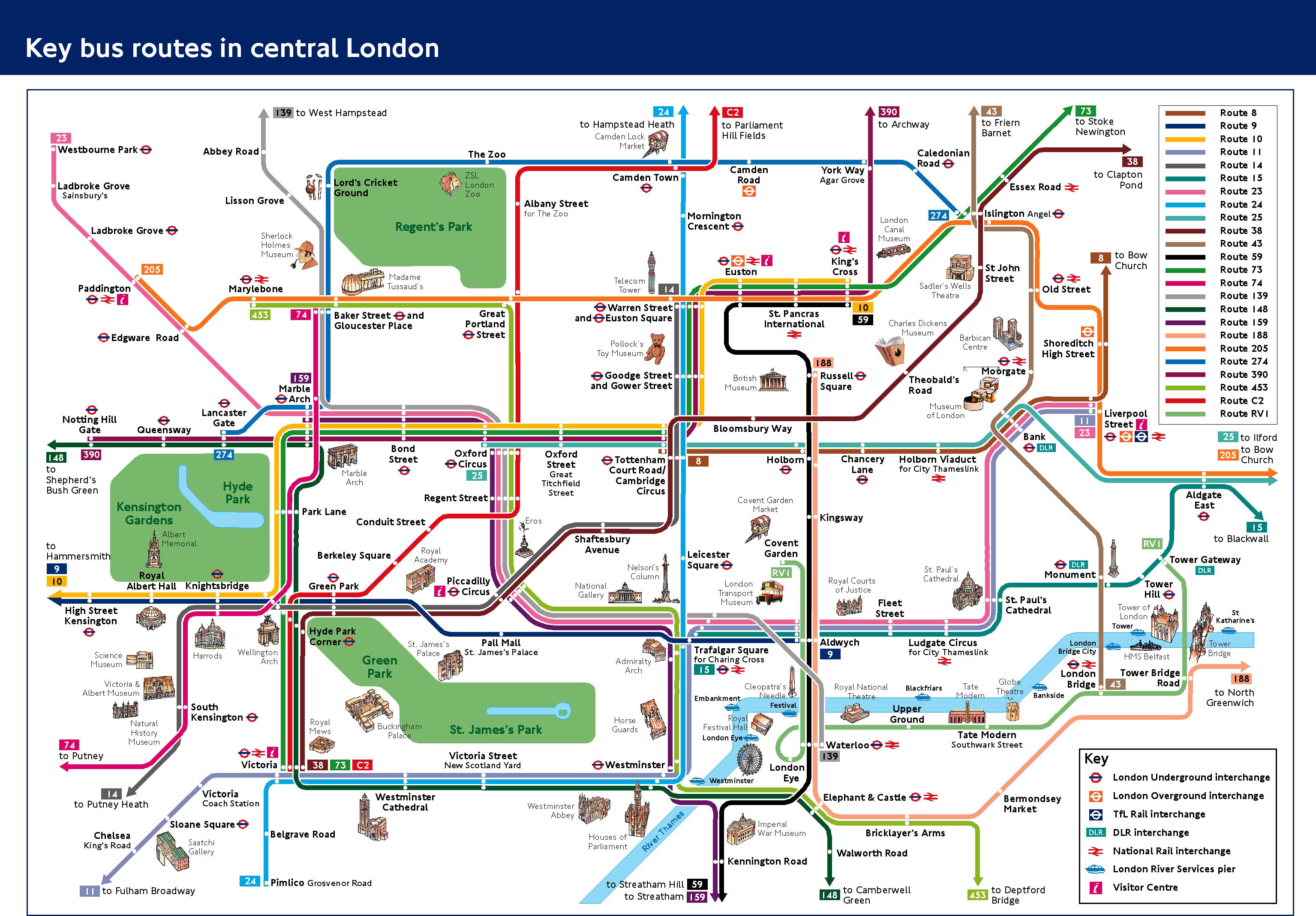
A beautiful lobby cannot fix a two-hour daily commute.
Evaluate location using real routes
Check the trip from the hotel to the airport, main sightseeing area and expected evening district. Use actual public transport routes instead of straight-line distance.
TourLix’s hotel neighborhood guide provides a detailed location test.
Compare the Last 500 Meters
Two hotels can be the same distance from a metro station while one requires stairs, a steep hill or a busy road crossing.
Look for
- Elevation.
- Sidewalk quality.
- Lighting.
- Crossings.
- Step-free route.
- Luggage-friendly surfaces.
This is especially important for late arrivals, families and travelers with mobility needs.
Room Size Matters Differently by Trip Length
A compact room can be fine for two nights and frustrating for two weeks.
Check square meters or square feet
Room category names such as “deluxe” do not provide a reliable size comparison. Look for actual dimensions and layout photographs.
Room Layout Can Matter More Than Size
A large room with poor furniture placement can be less useful than a smaller room with smart storage and a proper desk.
Look for functional zones
- Space around the bed.
- Accessible luggage area.
- Desk or table.
- Closet or shelves.
- Seating.
- Bathroom privacy.
Bed Type and Sleep Setup
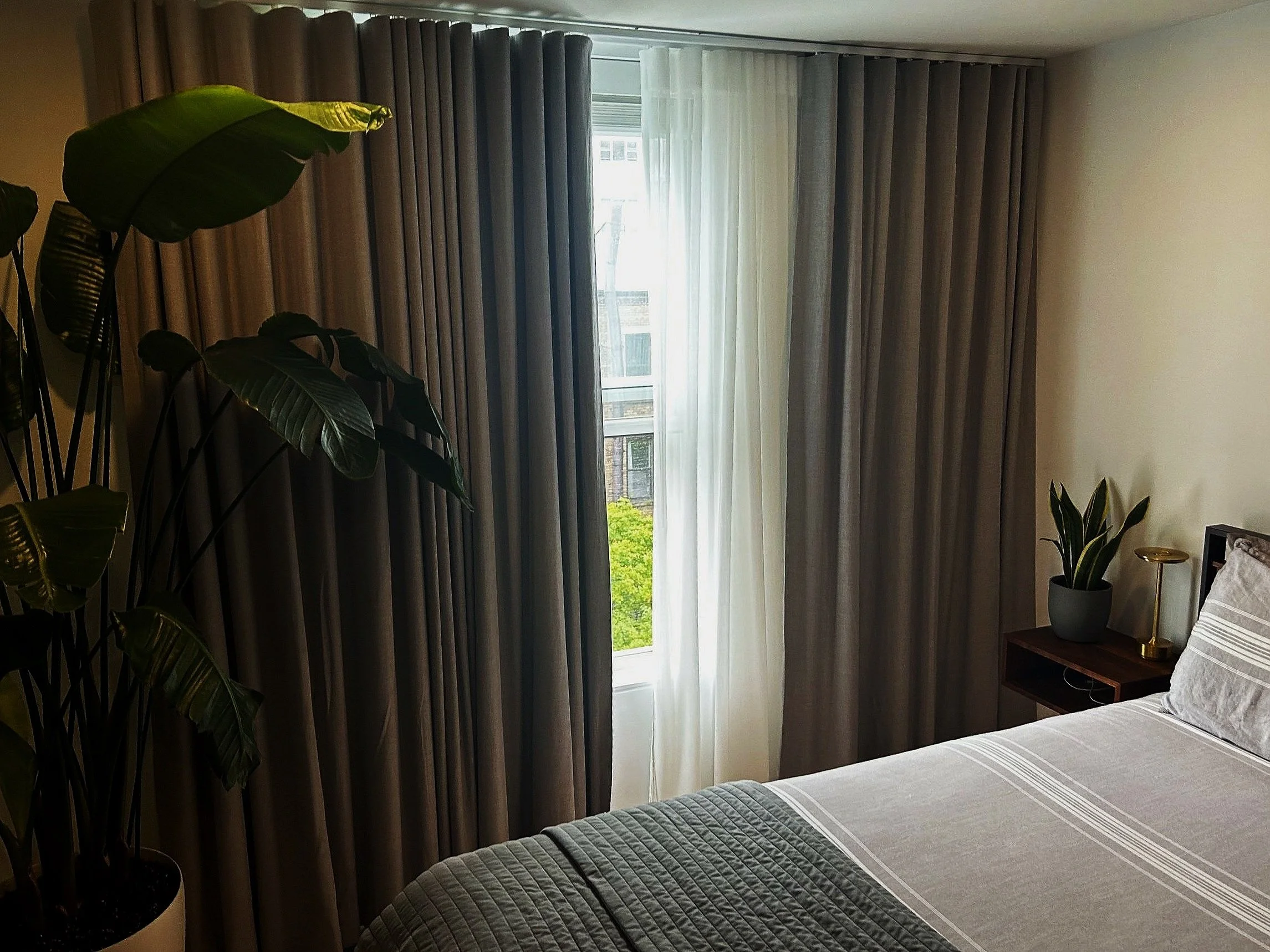
Sleep quality can determine how enjoyable the entire trip feels.
Check
- Bed size.
- Number of beds.
- Blackout curtains.
- Air conditioning or heating.
- Noise reviews.
- Pillow options if important.
- Room location away from elevators where possible.
A hotel with fewer luxury facilities but better sleep conditions may provide higher real value.
Noise Is a Hotel Feature, Not Just a Review Complaint
Street traffic, elevators, bars, weddings and thin walls can affect every night of the trip.
Search reviews for
- “quiet”
- “street noise”
- “music”
- “walls”
- “elevator”
- “construction”
Ask whether the hotel can assign a quieter room if sleep is a major priority.
Recent Reviews Matter More Than Old Reputation

A famous hotel can decline, and a newer property can improve quickly.
Focus on recent months
Look for patterns in cleanliness, maintenance, staff response, noise and Wi-Fi. Reviews from years ago may describe a different management team or renovation state.
Read Mid-Range Reviews
Five-star reviews can be enthusiastic, while one-star reviews may reflect unusual disputes. Mid-range reviews often explain both strengths and weaknesses.
Look for balanced details
A review that says “excellent location but small bathroom and street noise” is more useful than “best hotel ever.”
Evaluate Cleanliness Through Patterns
One complaint does not prove a hotel is dirty. Repeated recent reports about bathrooms, bedding or housekeeping deserve more attention.
Check management responses
Professional responses can show whether the property takes recurring issues seriously. Generic copy-paste replies provide less confidence.
Wi-Fi Needs Depend on the Traveler
Leisure travelers may only need messaging and maps. Remote workers need stable video calls and uploads.
Do not rely on a Wi-Fi icon
Search reviews for “Wi-Fi,” “internet,” “Zoom” or “work.” For an important work trip, ask the hotel directly.
Breakfast Is a Value Question
A large buffet can be useful for families or early sightseeing days but unnecessary in a cafe-rich neighborhood.
Compare
- Price difference between room-only and breakfast rate.
- Breakfast start time.
- Dietary options.
- Nearby alternatives.
- Whether you realistically eat breakfast.
Service Style Should Match Expectations
Some travelers want concierge service, luggage assistance and daily housekeeping. Others prefer privacy and self-check-in.
Different models can all be good
- Full-service hotel.
- Limited-service hotel.
- Boutique property.
- Aparthotel.
- Hostel private room.
Compare the model to your needs instead of assuming more service is always better.
Check Reception Hours
Small hotels may not have 24-hour reception.
This matters when
- Your flight lands late.
- You expect early checkout.
- You may need luggage storage.
- You want overnight assistance.
Self-check-in can work well when instructions are clear and an emergency contact exists.
Bathroom Details Can Change Comfort
Hotel photos often highlight the bedroom while hiding the bathroom layout.
Check
- Walk-in shower or tub.
- Private or shared bathroom.
- Hair dryer.
- Counter space.
- Accessibility features.
- Recent water-pressure reviews.
Air Conditioning and Heating Are Not Universal
Historic hotels may have limited climate control. Some systems operate seasonally.
Verify before extreme-weather trips
If summer heat or winter cold is a concern, read recent seasonal reviews and confirm whether the room has individual controls.
Accessibility Requires Specific Features
“Accessible hotel” can mean different things. Travelers should verify the exact feature they need.
Ask about
- Step-free entrance.
- Elevator dimensions.
- Roll-in shower.
- Grab bars.
- Door width.
- Accessible transport nearby.
- Hearing or visual assistance features.
Contact the hotel directly if the website is vague.
Family Facilities Need Detail
A “family-friendly” label can mean only that children are allowed.
Check actual features
- Cribs.
- Connecting rooms.
- Kids club ages and hours.
- Child pool depth.
- Breakfast options.
- Laundry.
- Stroller access.
TourLix’s family hotel checklist expands on these points.
Gym and Pool Photos Can Mislead
A wide-angle photograph can make a small gym look large. A rooftop pool may close seasonally.
Look for operational information
Check hours, age restrictions, maintenance notices and whether facilities require an additional fee.
Sustainability Claims Need Evidence
Many hotels use words such as eco, green and sustainable. Meaningful sustainability involves more than asking guests to reuse towels.
Look for specific practices
- Energy management.
- Water conservation.
- Waste reduction.
- Local procurement.
- Community employment.
- Credible third-party certification.
UNESCO’s sustainable tourism guidance emphasizes tourism that supports heritage and local communities, a useful lens when evaluating hotel claims.
TourLix’s sustainable hotel guide provides a full greenwashing checklist.
Hotel Comparison Table
| Factor | Importance 1–5 | Hotel A | Hotel B |
|---|---|---|---|
| Location | __ | __ | __ |
| Final price | __ | __ | __ |
| Sleep/noise | __ | __ | __ |
| Room size | __ | __ | __ |
| Breakfast | __ | __ | __ |
| Wi-Fi | __ | __ | __ |
| Accessibility | __ | __ | __ |
| Cancellation | __ | __ | __ |
| Service | __ | __ | __ |
Value Is Not the Same as Cheap
A cheap room with poor sleep, long transport and no cancellation flexibility can be worse value than a more expensive hotel that solves those problems.
Calculate value per usable benefit
Ask which hotel gives you the features you will actually use. Do not pay for a spa, club lounge or premium view if those features are not important.
Compare Direct Booking and Third-Party Platforms
Direct booking may offer loyalty benefits, clearer communication or flexible terms. Third-party platforms can offer competitive rates and useful comparison tools.
Compare the same room
- Room category.
- Meal plan.
- Taxes.
- Cancellation.
- Payment timing.
- Loyalty benefits.
Do not compare two rates with different conditions as if they are identical.
Check Renovation and Property Age
An older hotel can be excellent if maintained well. A new hotel can have opening-stage service problems.
Look for recent evidence
Review photographs and guest comments from the last few months. Maintenance matters more than age alone.
Hotel Type Comparison
| Hotel type | Typical strength | Possible trade-off |
|---|---|---|
| Chain hotel | Predictable standards | Less local character |
| Boutique hotel | Design and personal atmosphere | Fewer facilities |
| Aparthotel | Kitchen and long-stay comfort | Less daily service |
| Resort | On-site facilities | Remote location |
| Hostel private room | Social setting/value | Shared common spaces |
Use a Final Three-Hotel Shortlist
Comparing 30 properties creates decision fatigue.
Shortlist method
- Filter by neighborhood.
- Set your real total budget.
- Remove properties missing non-negotiable features.
- Choose the best three.
- Compare final terms line by line.
Frequently Asked Questions
Are five-star hotels always better?
They may offer more facilities and service, but “better” depends on your trip. Location, sleep and room functionality can matter more.
How many reviews should I read?
There is no fixed number. Read enough recent reviews to identify patterns across room quality, location, noise and service.
Should I trust sustainability labels?
Look for specific practices and credible certification rather than marketing language alone.
What matters most for a short city break?
Location, sleep, transport access and cancellation terms usually have more impact than large on-site facilities.
Actionable Conclusion
Star ratings can help organize a hotel search, but they should not make the final decision. Compare the property that will actually shape your trip: its neighborhood, room, sleep conditions, transport, service and final price.
Define your priorities first, shortlist three hotels and score them using the same criteria. The best hotel is not the one with the highest category. It is the one that fits your specific trip with the fewest compromises.







One Comment