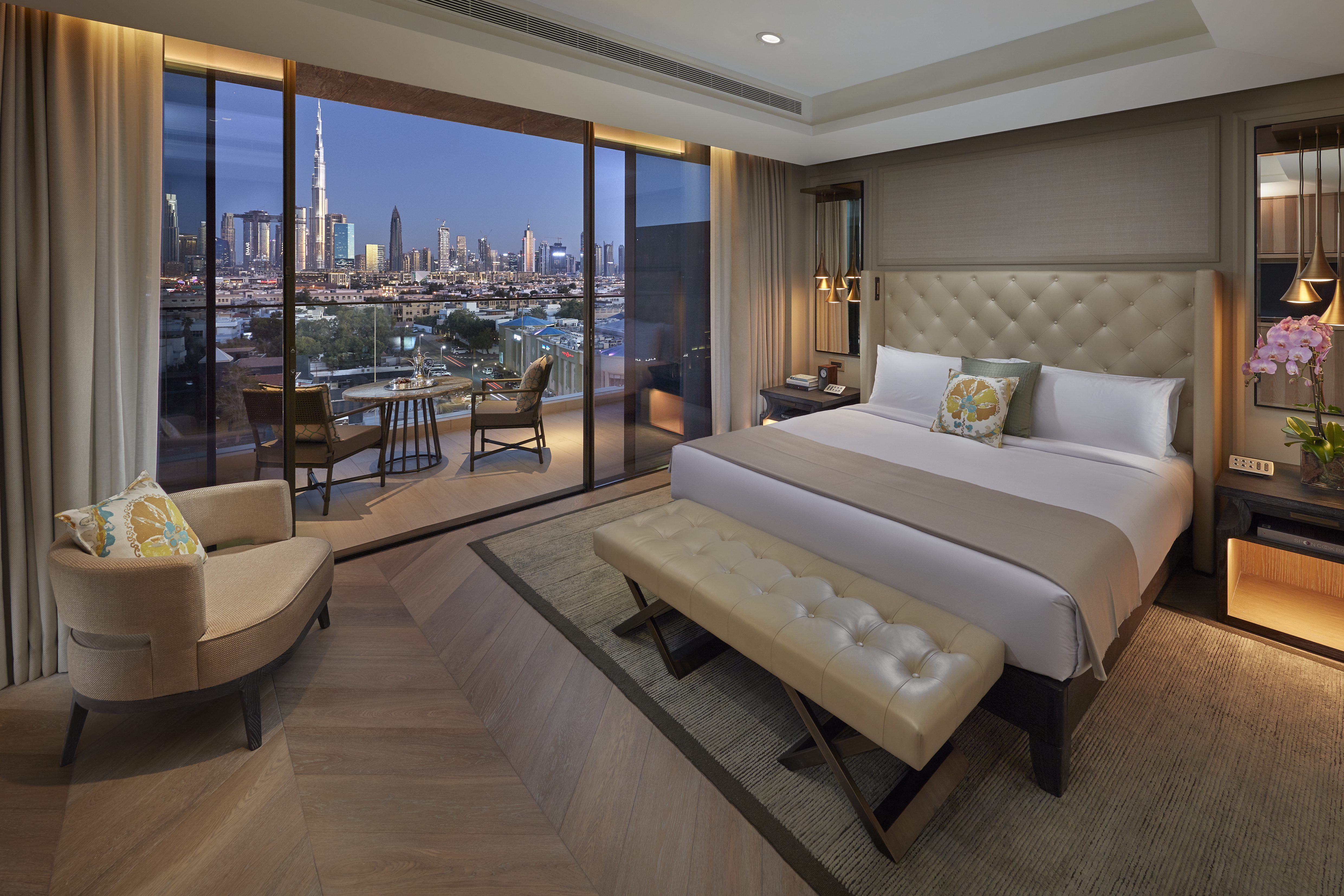
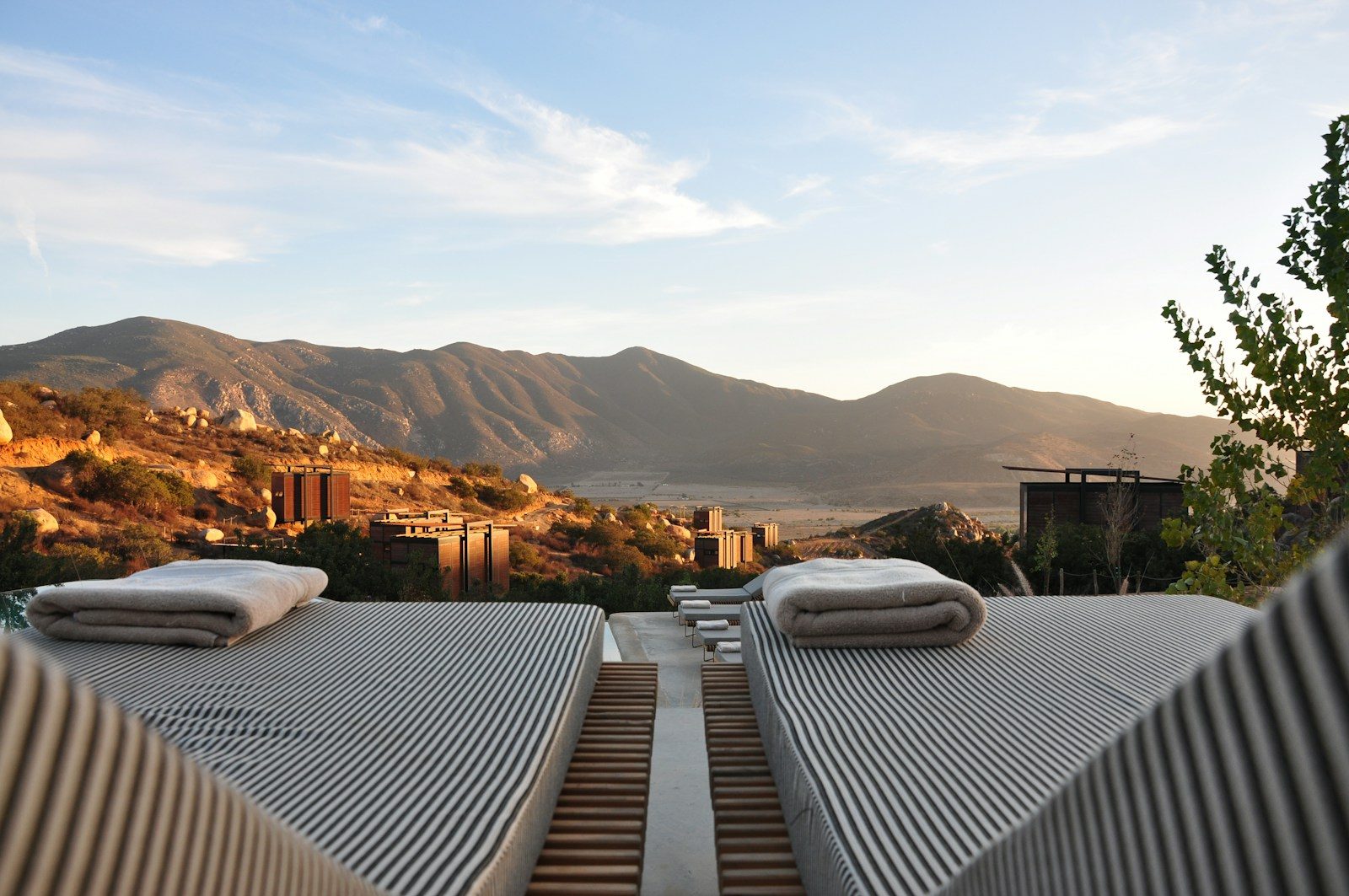
Luxury travel has changed a lot over the last few years. People still want comfort privacy and beautiful places but now they think more carefully before booking a resort. Travelers want to know how a hotel treats local people how it handles waste how it protects wildlife and where its energy comes from. In 2026 many travelers are also looking for quieter places slower trips and resorts that actually help nature instead of just using it for marketing. Recent travel reports show people are moving away from basic “eco friendly” labels and paying more attention to real regenerative tourism that supports local culture and restores the environment.
Luxury resorts have started adapting to this change in smart ways. Many now use local materials grow food nearby cut plastic waste and support reef restoration or wildlife projects. Some even invite guests to join conservation work during their stay. Instead of feeling overly polished or fake these places feel more relaxed personal and connected to nature.
This guide looks at the sustainable luxury resorts travelers are booking the most this year and explains why these places stand out. You will also see how to spot real sustainability avoid greenwashing and choose a resort that matches your travel style without giving up comfort.
Soneva Resorts Are Leading Quiet Luxury Travel
Why Travelers Keep Returning to Soneva
Soneva has become one of the biggest names in sustainable luxury travel because the brand keeps things simple calm and nature focused without making guests feel limited. Their resorts in the Maldives and Thailand attract travelers who want peaceful barefoot luxury instead of flashy crowded tourism. Villas are built with natural materials many have outdoor bathrooms and the resorts use solar power along with strong waste reduction systems.
The company is also known for its recycling and upcycling programs. Glass bottles get turned into artwork food waste is reused for gardens and many supplies come from local businesses nearby. Guests notice these things because they are part of the whole stay not just something written on a website for promotion.
What Makes the Experience Feel Different
People who stay at Soneva often talk about how peaceful and personal the resorts feel. Instead of loud entertainment areas the focus is more on open space marine life stargazing and wellness. Families like the resorts because kids can join nature activities while adults relax at the spa or go diving.
Why People Book So Early
Soneva also fits perfectly with the growing sleep tourism trend. Travelers now want places that help them rest mentally and physically instead of trips packed with nonstop schedules. Reports this year show sleep focused luxury travel growing quickly around the world.
For travelers planning a longer luxury escape booking early matters because villa availability gets limited fast especially in the Maldives during busy seasons.
Six Senses Resorts Focus on Wellness and Sustainability
The Rise of Wellness Led Resorts
Six Senses built its reputation around wellness travel mixed with sustainability. Many travelers today choose resorts based on how refreshed they feel after coming home instead of how impressive a hotel looks on social media. Six Senses understands that shift really well.
Its resorts in places like Bhutan Ibiza Fiji and Vietnam combine luxury with environmental responsibility in a natural way. Guests see refillable water bottles organic gardens local architecture and conservation work built into normal daily operations. The brand also shares sustainability information publicly which helps travelers trust them more.
Wellness Feels More Natural Here
Unlike traditional luxury spas that focus only on treatments Six Senses tries to build wellness into everyday life. Rooms are designed with natural airflow softer lighting and quiet spaces that help guests slow down and sleep better.
Travelers can join activities like:
- Forest walks with local guides
- Farm to table cooking classes
- Sound healing sessions
- Coral planting programs
- Digital detox experiences
Why Travelers Like This Style
A lot of people feel exhausted from busy cities crowded schedules and constant screen time. Resorts that encourage slower routines attract travelers who want recovery instead of rushing around checking tourist spots off a list.
That matches the bigger travel trends for 2026 where slow travel wellness trips and restorative experiences keep growing worldwide. The result feels luxurious without becoming wasteful or overly staged.
Costa Rica Resorts Continue to Dominate Eco Luxury Travel
Nature Has Become the Main Attraction
Costa Rica remains one of the strongest destinations for sustainable luxury travel because the country built its tourism industry around conservation long before eco travel became popular. Travelers booking high end stays here usually want rainforest experiences wildlife encounters and wellness retreats all in one trip.
Luxury properties like Nayara Resorts and Lapa Rios Lodge attract guests who prefer private villas surrounded by forests instead of giant hotel towers. Many resorts support wildlife protection reforestation projects and local employment programs.
Resorts Blend Comfort With Conservation
Travelers no longer think sustainability means giving up comfort. In Costa Rica luxury eco resorts still offer infinity pools private plunge villas spa treatments and fine dining while protecting the surrounding environment.
Many resorts include:
- Open air architecture that lowers energy use
- Rainwater collection systems
- Organic farming partnerships
- Wildlife conservation tours
- Plastic free guest programs
Why Costa Rica Fits 2026 Travel Trends
One of the biggest travel trends this year is people choosing destinations with lower tourism pressure and stronger environmental policies. Costa Rica fits perfectly because travelers can enjoy luxury experiences while supporting a country known for protecting biodiversity.
New hiking routes and rural tourism projects also help spread tourism income into smaller communities instead of overcrowding one area. That balance between comfort and conservation keeps Costa Rica near the top of eco luxury travel lists every year.
The Maldives Is Reinventing High End Island Tourism
Luxury Resorts Face Environmental Pressure
Maldives is still one of the world’s most desired luxury destinations but it also faces serious environmental pressure linked to climate change and overtourism. Because of this many resorts now invest heavily in marine conservation coral restoration and renewable energy.
Several luxury properties run coral nurseries reduce single use plastics and monitor marine biodiversity around their islands. Travelers now pay more attention to resorts that share measurable environmental goals instead of vague sustainability promises.
Guests Want More Than Overwater Villas
Overwater villas still attract travelers but now people want experiences that feel meaningful too. Marine biology programs reef education tours and conservation workshops have become major reasons people choose certain resorts.
Some resorts invite guests to:
- Help plant coral frames
- Join dolphin research trips
- Learn sustainable fishing methods
- Visit nearby island communities
Sustainability Is Now Part of the Business
Research on tourism in the Maldives shows sustainability is no longer optional for luxury resorts. Coral health waste management and local sourcing have become central business priorities because the future of tourism depends on protecting the environment.
That change helps travelers feel their money supports conservation instead of harming fragile ecosystems.
Safari Lodges in Africa Are Attracting Responsible Travelers
Conservation Tourism Keeps Growing
Luxury safari travel has changed a lot in recent years. Travelers still want wildlife experiences but now many prefer lodges connected to conservation programs and community support projects. Countries like South Africa Kenya and Botswana are leading this movement.
High end safari lodges often protect massive land areas that support elephants lions rhinos and other endangered species. Tourism income helps fund anti poaching efforts ranger training and local schools.
Luxury Feels More Connected to Nature
Unlike traditional city hotels safari lodges focus more on immersion in nature. Rooms blend into the landscape using wood stone and canvas instead of heavy concrete construction. Many lodges run on solar energy and manage water carefully.
Travelers enjoy:
- Guided wildlife drives
- Bush walks with local experts
- Outdoor dinners under the stars
- Cultural visits with nearby communities
- Photography focused safaris
Why Travelers Stay Longer
Many people now stay longer at safari lodges because they want slower more meaningful trips. Instead of rushing across several countries travelers prefer spending extra days learning about wildlife conservation and local ecosystems.
This fits perfectly with the growing regenerative tourism movement where travel supports environmental recovery and rural communities directly. For many guests safari tourism now feels more rewarding because the experience actively protects wildlife.
European Eco Luxury Hotels Are Moving Beyond Traditional Tourism
Heritage Buildings Are Becoming Sustainable Hotels
Across Europe many luxury hotels are restoring old historic buildings instead of constructing giant new developments. Travelers increasingly prefer places with character local identity and environmental responsibility.
This trend is especially strong in Italy Switzerland and France where old palaces countryside estates and alpine lodges now mix traditional design with modern sustainability systems. Recent travel reports also show rising demand for quieter destinations and train based travel across Europe.
Travelers Want More Local Experiences
Modern luxury travelers often avoid crowded tourist districts. Instead they choose villages countryside retreats and quieter coastal regions. Sustainable European hotels respond by working closely with local farms artisans and guides.
Guests may enjoy:
- Seasonal farm to table meals
- Local wine programs
- Electric bike tours
- Traditional craft workshops
- Low impact rail travel packages
Why Train Travel Is Popular Again
Luxury rail travel has made a strong comeback as part of the slow travel trend. Travelers now prefer scenic train rides over short flights for regional trips. Brands like Belmond have expanded luxury train experiences that connect travelers with smaller destinations that have lower environmental impact.
The result feels calmer more immersive and far less rushed than traditional fast paced tourism.
Desert Eco Lodges Are Becoming Premium Retreats
Remote Landscapes Now Define Luxury
Travelers today often connect luxury with silence privacy and open space instead of busy entertainment districts. Desert eco lodges benefit from this shift because they offer isolation and strong connections with nature.
One of the most talked about examples this year is Adrère Amellal in Egypt’s Siwa Oasis where guests stay in handmade structures built from salt and earth materials. The property avoids many modern distractions like televisions and heavy artificial lighting.
Sustainability Shapes the Whole Experience
Desert eco lodges usually rely on traditional architecture that naturally controls temperature and reduces energy use. Instead of copying global hotel trends these resorts use local building methods designed for desert climates.
Travelers often experience:
- Candlelit dinners
- Locally sourced food
- Minimal technology environments
- Astronomy programs
- Guided desert walks
Why Travelers Remember These Trips
Many luxury travelers feel tired from overstimulation and packed itineraries. Desert eco lodges offer the complete opposite. Guests naturally slow down because the environment encourages quiet reflection rest and simplicity.
This matches the larger global movement toward restorative travel and digital quiet experiences where people want a break from notifications crowded schedules and nonstop noise. For many guests the trip feels more like a personal reset than a normal vacation.
Regenerative Tourism Is Replacing Basic Sustainability
Travelers Expect Real Environmental Action
In the past hotels often promoted sustainability through towel reuse programs or by removing plastic straws. Travelers now expect much more than that. This has pushed luxury resorts toward regenerative tourism where properties actively improve ecosystems and support local communities.
Recent travel industry reports show regeneration becoming one of the biggest travel trends of 2026.
Resorts Are Investing in Restoration
Many luxury resorts now support projects such as:
- Mangrove restoration
- Reef rebuilding
- Wildlife rehabilitation
- Native tree planting
- Community farming programs
This changes how travelers think about luxury stays. Guests feel like they are contributing to something positive instead of worrying their trip is damaging the environment.
How Travelers Can Spot Real Regenerative Resorts
Greenwashing is still common in travel marketing so travelers should look for clear proof before booking. Strong resorts usually publish sustainability reports share measurable goals and work with respected conservation organizations.
Useful questions include:
- Does the resort publish environmental data
- Are local people employed in leadership roles
- Does tourism income directly support conservation
- Is the architecture designed for the local climate
Travelers who ask these questions usually end up finding resorts that feel more genuine and responsible.
Farm Based Luxury Resorts Are Growing Fast
Rural Tourism Feels More Real
Farm stays and agricultural retreats have become one of the fastest growing areas in sustainable luxury travel. Travelers increasingly want fresh food quiet scenery and hands on experiences that feel connected to local culture.
Recent travel trend reports show rising demand for rural tourism and farm based retreats around the world.
Luxury Farm Resorts Offer More Than Rooms
Modern luxury farm resorts mix wellness food and education into one experience. Guests may pick ingredients from gardens learn local cooking styles or visit vineyards with regional producers.
Common activities include:
- Organic farming tours
- Cheese and wine tastings
- Horseback riding
- Outdoor wellness programs
- Seasonal harvest events
Why Families and Couples Both Enjoy It
Farm based luxury works well because it fits different travel styles at once. Couples enjoy the privacy and wellness side while families like the educational outdoor activities for children.
This kind of travel also supports smaller rural economies instead of concentrating tourism money in big cities. Travelers often leave feeling more connected to local culture because they spend time directly with chefs farmers and producers. For many people those moments create stronger memories than standard resort entertainment.
Technology Is Quietly Improving Sustainable Luxury Hotels
Smart Systems Reduce Waste
Technology now plays a huge role in sustainable hospitality even when guests barely notice it. Luxury resorts increasingly use smart climate controls water monitoring systems AI based food waste tracking and energy management software.
Hotels want to lower costs but travelers also expect environmental responsibility. That pushes brands to invest in systems that reduce waste without lowering comfort.
Travelers Benefit From Better Operations
Modern systems help resorts predict energy use manage laundry loads and reduce unnecessary food production. Some hotels also use digital tools that suggest lower impact activities or quieter travel periods.
Travelers may notice:
- Faster room temperature control
- Less plastic packaging
- Smarter lighting systems
- Digital check in services
- Electric transport inside resorts
Technology Supports Nature Instead of Replacing It
The best sustainable luxury resorts use technology carefully. Guests still want authentic experiences and human connection. Resorts packed with screens and automation can lose the peaceful atmosphere many luxury travelers now want.
Some research groups are even exploring AI systems that help travelers choose more sustainable destinations while avoiding overcrowded tourism hotspots.
The goal is not futuristic travel. It is simply smoother easier and lower impact tourism.
Travelers Are Choosing Smaller Luxury Resorts Over Mega Hotels
Privacy Has Become More Valuable
Large resorts once dominated luxury tourism but now many travelers prefer smaller boutique properties with fewer rooms and quieter surroundings. This shift became stronger as travelers started prioritizing space wellness and more personal service.
Smaller resorts often handle sustainability better too because managing waste energy and local partnerships becomes easier on a smaller scale.
Boutique Resorts Feel More Personal
Guests increasingly want experiences designed around their own interests instead of standard hotel packages. Smaller luxury resorts can offer direct access to local guides customized wellness programs and regional food experiences.
Travelers usually appreciate:
- Fewer crowds
- Better interaction with staff
- Unique local architecture
- Customized itineraries
- Stronger community connections
Why Smaller Resorts Fit Sustainable Tourism Better
Large tourism developments can put pressure on water systems housing and local ecosystems. Smaller properties often create less environmental stress while spreading tourism income more evenly through local partnerships.
That does not automatically make every boutique hotel sustainable but many travelers feel smaller scale hospitality creates a healthier balance between tourism and local communities. That balance has become one of the biggest booking reasons in luxury travel this year.
How to Choose a Truly Sustainable Luxury Resort
Marketing Claims Can Be Misleading
A lot of hotels now describe themselves as eco friendly but not every sustainability claim means much. Travelers should look beyond marketing language and focus on practical proof.
A luxury resort does not become sustainable just because it removes plastic straws or plants a few trees. Real sustainability affects everything including construction staffing sourcing conservation and community relationships.
What Smart Travelers Check Before Booking
Experienced travelers often review sustainability reports before making reservations. Trusted resorts usually explain their goals clearly and provide regular updates with measurable results.
Important signs include:
- Renewable energy systems
- Local hiring programs
- Waste reduction plans
- Water conservation projects
- Certified sustainability partnerships
- Wildlife protection initiatives
Why Research Helps Avoid Disappointment
Luxury travel costs a lot more so travelers want confidence that the experience matches the price. Doing proper research helps avoid resorts that rely heavily on greenwashing while charging premium rates.
Reading recent guest reviews also helps because travelers usually mention whether sustainability efforts feel genuine or staged. Resorts that consistently receive praise for both comfort and responsibility usually provide the best overall experience.
Good sustainable luxury resorts do not force guests to sacrifice comfort. They simply make responsible travel feel natural enjoyable and easy.
Conclusion
The most booked luxury resorts this year succeed because they offer more than beautiful rooms. They provide privacy slower travel wellness focused design local culture and visible environmental action. Whether someone chooses a rainforest retreat in Costa Rica a safari lodge in Africa a farm resort in Europe or a marine focused property in the Maldives the goal is usually the same. People want travel that feels restorative instead of excessive.
Current travel trends show strong demand for regenerative tourism rural experiences sleep focused stays and low impact luxury. Travelers care more about how their trips affect destinations long after they return home.
The best sustainable luxury resorts understand this clearly. Sustainability is not treated like a side feature anymore. It shapes the entire experience from the moment guests arrive.