
Hotels are changing really fast in 2026. People don’t just want a clean room and polite service anymore. Now they expect quick check-ins smart room controls safer payments personal touches and a smoother stay from start to finish. Smart hotel technology has become a huge part of modern travel because it helps guests feel more comfortable while also saving time.
A lot of hotels now use artificial intelligence contactless systems smart room controls and digital services that make everything feel easier. Travelers can unlock rooms with their phones adjust lights using voice commands and order services through apps without even calling the front desk.
At the same time people also care about privacy and data safety. Travelers want technology that actually improves the stay not systems that make things more confusing. The best hotel tech usually works quietly in the background and simply makes travel feel less stressful.
This guide looks at the biggest smart hotel technology trends shaping travel in 2026. It explains how these systems work which hotel brands are leading the changes what travelers actually get from them and how guests can use these features in a smart way during trips.
Contactless Check-In Is Becoming the Standard
One of the biggest hotel technology trends right now is contactless check-in. Most travelers now prefer a fast and easy arrival instead of standing in long reception lines after flights or road trips.
Hotels use mobile apps digital kiosks and online verification systems so guests can complete check-in before they even arrive. It saves time and helps hotels manage guests more smoothly.
How Contactless Systems Work
Most modern systems now let travelers:
- Upload identification documents
- Complete payment verification
- Receive digital room keys
- Access hotel information through apps
In many hotels guests can walk straight to their rooms without stopping at the front desk.
Big hotel brands like Marriott International Hilton and Hyatt have expanded mobile check-in services across properties around the world.
Why Travelers Like This Technology
Contactless check-in saves time and removes a lot of travel stress. People arriving late at night or after long flights usually just want to get into their rooms quickly without paperwork or crowded lobbies.
Travelers also benefit from:
- Faster room access
- Less physical contact
- Easier payment handling
- More flexible arrival times
Still some guests prefer traditional reception service especially in luxury hotels where personal interaction still matters a lot.
The best hotels now offer both digital convenience and human support so travelers can choose the kind of experience they want.
Smart Rooms Are Changing the Hotel Experience
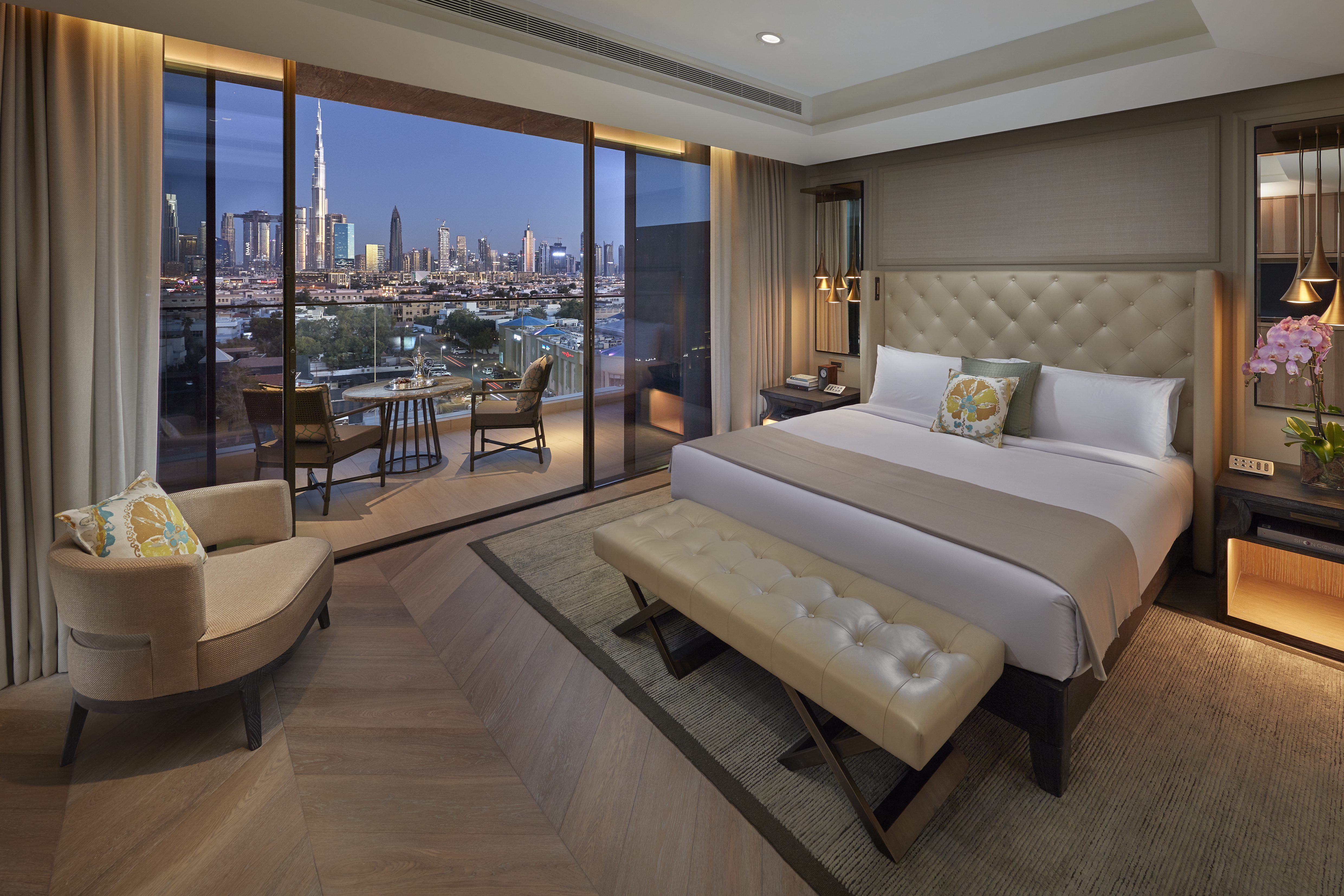
Smart rooms have become a major focus for hotels trying to improve comfort. These rooms use connected technology that lets guests control room features through phones tablets or voice systems.
Instead of dealing with old switches or calling hotel staff guests can adjust settings instantly through digital controls.
Features Commonly Found in Smart Rooms
Modern smart hotel rooms may include:
- Voice-controlled lighting
- Smart thermostats
- Automated curtains
- Motion-sensitive climate systems
- Streaming-enabled televisions
- Wireless charging stations
Some hotels even let guests customize room settings before arrival through hotel apps.
How Smart Rooms Improve Travel
Smart rooms help travelers create a more comfortable space based on personal preferences. Guests can dim lights change room temperature or activate sleep settings without leaving bed.
This becomes especially useful for:
- Business travelers recovering from flights
- Families managing children’s sleep schedules
- Travelers dealing with jet lag
Energy efficiency is another big advantage. Hotels now use occupancy sensors that reduce electricity use when rooms are empty which lowers costs and supports sustainability goals.
The best smart rooms feel simple and natural. Travelers don’t want complicated systems during vacations. They want technology that saves time and improves comfort without becoming frustrating.
Artificial Intelligence Is Personalizing Hotel Stays
Artificial intelligence now plays a huge role in how hotels manage guest experiences. Hotels use AI systems to understand traveler preferences automate support services and create more personalized stays.
Instead of waiting for guests to ask for things hotels can now predict certain needs in advance.
Where Travelers Notice AI Most
Many travelers interact with AI through:
- Hotel chatbots
- Virtual concierge services
- Personalized room suggestions
- Automated booking systems
- Smart pricing recommendations
Some hotel apps now recommend restaurants attractions spa appointments or transportation based on guest preferences and travel history.
The Benefits and Concerns
AI helps travelers save time because guests can ask questions through apps anytime instead of waiting for front desk staff.
Some of the biggest benefits include:
- Faster customer support
- Personalized recommendations
- Easier booking management
- More accurate travel information
At the same time some travelers worry that too much automation removes the human side of hospitality. Hotels still need to balance technology with personal service because many guests value real interaction.
Privacy also remains important. Travelers should understand how hotels store and use personal data collected through apps and digital systems.
The best hotels use AI quietly to improve convenience while still keeping the experience warm and personal.
Mobile Hotel Apps Are Becoming Travel Essentials
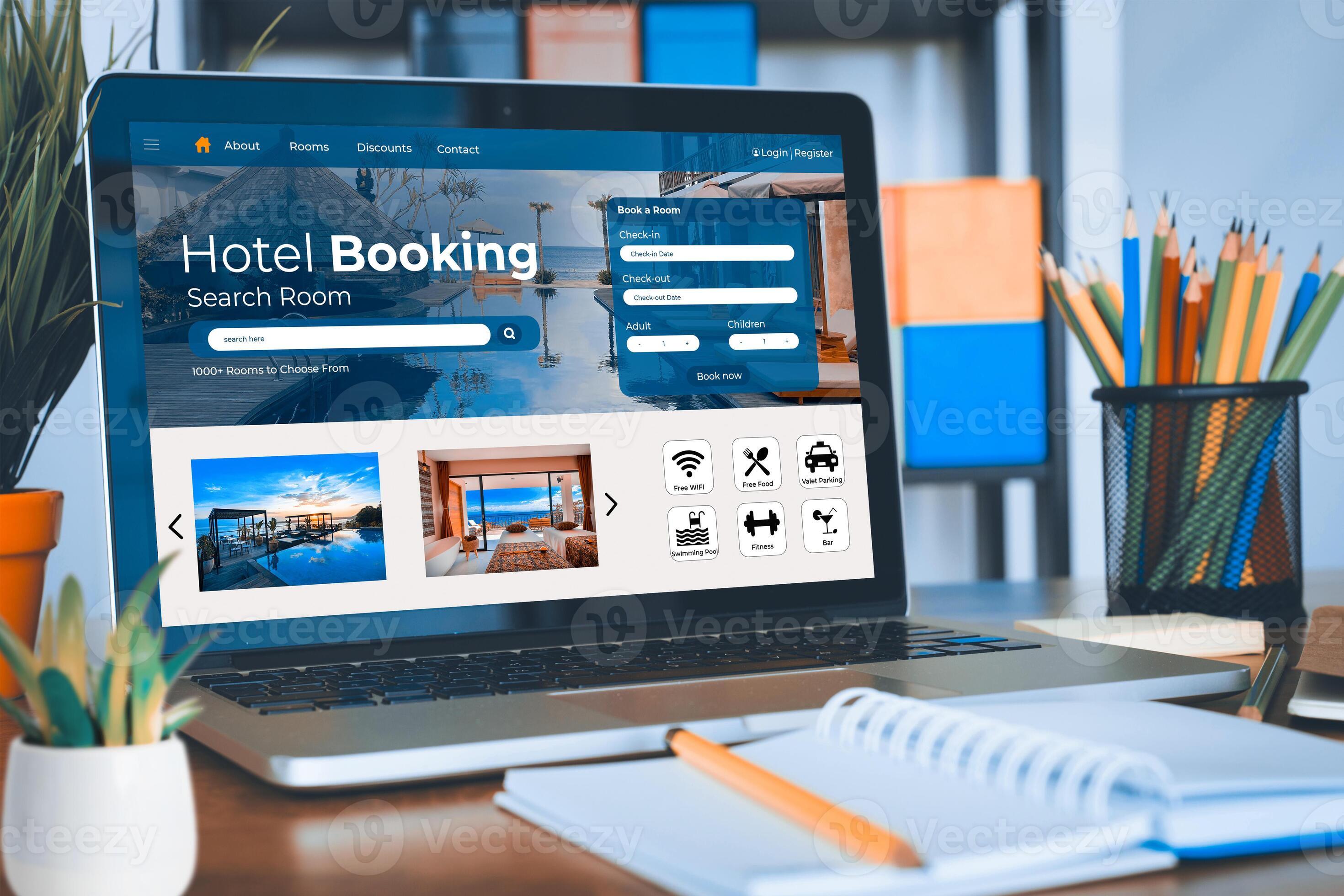
Hotel apps are no longer just booking tools. In 2026 many hotel brands use apps as complete travel management platforms that handle almost every part of the guest experience.
Travelers can now manage entire stays from phones without needing printed papers or repeated front desk visits.
What Modern Hotel Apps Can Do
Many hotel apps now support:
- Mobile room keys
- Room service orders
- Spa bookings
- Restaurant reservations
- Late checkout requests
- Digital payments
Some apps also let travelers chat directly with hotel staff in real time.
Why Travelers Use These Apps More Often
Hotel apps make things easier because guests can solve problems quickly without waiting in lines or making phone calls.
Business travelers benefit a lot because they often deal with packed schedules and frequent hotel stays. Families also appreciate faster access to services during busy trips.
Programs like Hilton Honors and Marriott Bonvoy continue adding new app features to improve loyalty and simplify travel.
Still not every traveler wants to spend vacations glued to a smartphone. Hotels need to avoid creating systems where guests feel forced to use apps for every basic service.
The best hotel apps support convenience while still letting travelers relax and enjoy the trip naturally.
Smart Security Systems Are Improving Guest Safety
Safety is still one of the biggest concerns for travelers. Hotels are investing heavily in smart security systems that improve protection without making guests feel uncomfortable.
Modern systems now combine digital monitoring biometric access and automated alerts to strengthen hotel security in a smoother way.
New Security Technologies Hotels Use
Hotels increasingly use:
- Digital room keys
- Facial recognition systems
- Smart surveillance cameras
- Motion sensors
- AI-powered threat detection
Some luxury hotels also use biometric systems for secure lounge or room access.
Why Travelers Benefit From Smart Security
Digital room keys reduce problems connected with lost keycards. Guests can unlock rooms securely through hotel apps or encrypted systems.
AI-powered monitoring also helps hotels react faster during unusual activity or emergencies.
Travelers often feel safer because:
- Unauthorized access becomes harder
- Lost keys are easier to deactivate
- Emergency responses improve
At the same time privacy concerns continue growing. Some travelers feel uncomfortable with facial recognition or constant tracking inside hotels.
Hotels need to explain clearly:
- What data they collect
- How information is stored
- Who can access the data
The best security systems protect guests without making them feel constantly watched.
Voice Technology Is Expanding Inside Hotels
Voice-controlled technology is becoming more common in hotel rooms. Travelers can now use voice assistants to control room settings request services or ask questions during stays.
Hotels use these systems to improve convenience and reduce pressure on staff during busy periods.
Common Voice-Controlled Features
Voice systems may let guests:
- Turn lights on or off
- Adjust room temperature
- Request housekeeping
- Play music
- Ask about hotel facilities
Some hotels also include multilingual support for international travelers.
Benefits for Different Types of Travelers
Voice technology can help:
- Business travelers multitask more easily
- Older guests avoid complicated controls
- International visitors access quick information
It also improves accessibility for guests with mobility limitations.
Still some travelers feel uneasy about voice-enabled devices listening inside rooms. Because of this many hotels now include privacy controls that let guests disable microphones during stays.
The most successful systems stay simple and optional. Travelers want convenience without feeling monitored all the time.
Hotels that respect this balance usually receive stronger guest satisfaction scores.
Robots Are Handling More Hotel Services
Robots are no longer unusual in hotels. Many properties now use robotic systems for cleaning room delivery luggage handling and customer assistance.
This trend grew quickly because hotels wanted better efficiency while reducing pressure on staff.
Tasks Hotels Commonly Automate
Hotel robots may handle:
- Delivering towels or food
- Vacuum cleaning hallways
- Transporting luggage
- Providing directions in lobbies
Some hotels in Japan Singapore and the United States have become famous for advanced robotic hospitality systems.
Do Travelers Actually Like Hotel Robots?
Reactions are mixed depending on the traveler and the hotel environment.
Some guests enjoy:
- Faster deliveries
- Fun experiences
- Reduced waiting times
Others feel robots remove warmth and personal connection during stays.
Robots work best when they handle repetitive tasks instead of replacing human hospitality completely. Travelers still value friendly staff especially during complicated situations or luxury stays.
Hotels that depend too much on automation risk making experiences feel cold and impersonal.
The future will probably involve hotels using both technology and human service together rather than full automation.
Smart Sustainability Technology Is Growing Fast
Sustainability has become a huge focus for hotels around the world. Smart technology now helps hotels reduce energy use water waste and operating costs while improving environmental performance.
Travelers increasingly prefer hotels that support sustainability without sacrificing comfort.
Technologies Supporting Sustainable Hotels
Many smart hotels now use:
- Energy-saving lighting systems
- Smart thermostats
- Water monitoring systems
- Automated energy management
- Solar integration technology
Occupancy sensors also help reduce electricity use when rooms are empty.
Why Travelers Care About These Systems
Sustainability technology benefits both hotels and guests. Travelers appreciate hotels that genuinely reduce waste instead of using environmental messaging only for marketing.
Guests often notice:
- Better air quality
- Efficient room temperatures
- Reduced plastic waste
- Smarter energy use
Younger travelers especially pay attention to sustainability policies before booking hotels.
Still guests expect comfort and convenience. Sustainable systems should improve efficiency without creating annoying restrictions or uncomfortable room conditions.
Hotels that combine sustainability with smart technology successfully are likely to stay competitive as environmental concerns continue growing.
Smart Wellness Technology Is Reshaping Hospitality
Wellness travel keeps growing and hotels now use technology to improve sleep relaxation and health-focused experiences. Smart wellness systems help travelers recover from stress and fatigue during trips.
Most of these technologies work quietly in the background instead of feeling overly technical.
Popular Wellness Technologies in Hotels
Modern wellness hotels may include:
- Circadian lighting systems
- Smart sleep tracking
- Air purification technology
- Noise reduction systems
- Digital meditation programs
Some luxury hotels also offer wellness apps connected directly to room settings.
Why Wellness Technology Matters
Travel often disrupts sleep and normal routines. Smart wellness systems help travelers recover faster by improving comfort and reducing stress inside rooms.
Guests may experience:
- Better sleep quality
- Lower travel fatigue
- Improved focus
- Reduced jet lag symptoms
Business travelers especially benefit because frequent travel often affects rest and energy levels badly.
The best wellness technology feels subtle. Guests usually prefer calm relaxing spaces instead of rooms packed with complicated gadgets.
Hotels that quietly support comfort and health through technology are becoming more popular in the wellness tourism market.
High-Speed Connectivity Is Now Expected Everywhere
Reliable internet access has become one of the most important hotel features for modern travelers. Guests now expect strong stable connectivity throughout hotels including rooms restaurants gyms and outdoor spaces.
Bad internet service can quickly ruin guest satisfaction especially for business travelers and remote workers.
Why Connectivity Matters More Than Ever
Travelers now depend on internet access for:
- Remote work
- Video meetings
- Streaming entertainment
- Navigation
- Travel planning
Many hotels now support hybrid work lifestyles by creating digital-friendly workspaces inside properties.
Technology Supporting Better Connectivity
Hotels increasingly invest in:
- Wi-Fi 6 systems
- Smart bandwidth management
- Secure guest networks
- Expanded device support
Some hotels also offer private work lounges for remote professionals.
Strong connectivity improves both productivity and entertainment during stays. Still travelers also want systems that protect privacy and data security.
Hotels that fail to maintain reliable digital infrastructure often struggle to meet modern expectations especially as remote work travel keeps growing worldwide.
Reliable internet is no longer considered a luxury feature. For most travelers it has become a basic requirement.
The Future of Smart Hotels and Traveler Expectations
The future of hotel technology will focus less on flashy gadgets and more on invisible convenience. Travelers want systems that improve comfort save time and reduce stress without adding extra complexity.
Hotels are starting to understand that guests value simplicity more than excessive automation.
What Future Smart Hotels May Include
Emerging hotel technologies may involve:
- AI-powered room customization
- Advanced sleep environments
- Personalized wellness systems
- Predictive guest services
- Touchless payment ecosystems
Hotels may also improve sustainability systems using smarter resource management technologies.
What Travelers Should Watch Carefully
Even though smart hotels offer many advantages travelers should still pay attention to:
- Privacy policies
- Data security
- Hidden technology fees
- Overdependence on apps
Technology should support hospitality not replace human care completely.
The best smart hotels of the future will likely combine:
- Efficient digital systems
- Strong personal service
- Wellness-focused design
- Sustainable operations
Travelers want convenience but they also want comfort trust and flexibility during stays.
Hotels that balance innovation with genuine hospitality will continue leading the industry as traveler expectations keep evolving.
Conclusion
Smart hotel technology is changing travel in a big way in 2026. Hotels now use digital systems artificial intelligence wellness tools smart security and mobile apps to make stays smoother and less stressful for guests.
The most successful hotel technologies are usually the least noticeable. Travelers prefer systems that quietly work in the background instead of complicated features that constantly demand attention.
Contactless check-ins smart room controls wellness-focused technology and fast internet have already become standard expectations for many travelers. At the same time concerns about privacy excessive automation and data security continue influencing how hotels build future systems.
The best smart hotels balance innovation with human hospitality. Travelers still care about personal interaction emotional comfort and flexible service even inside highly digital hotel environments.
As hotel technology keeps evolving travelers who understand these trends can make smarter booking decisions and choose hotels that genuinely improve comfort efficiency and the overall travel experience.