
Long-haul travel can turn an exciting arrival into a confusing first day. Your watch says morning, your body feels like midnight, meals arrive at unfamiliar times and the temptation is either to sleep for ten hours immediately or force yourself through a packed sightseeing schedule.

Jet lag is connected to the body’s internal timing system being out of sync with the destination. Travelers experience it differently. Direction of travel, number of time zones, sleep habits, age, health and flight schedule can all affect how someone feels. There is no single trick that guarantees a fast adjustment.
This guide focuses on practical comfort and scheduling habits rather than medical treatment. Travelers with health conditions, sleep disorders, pregnancy or medication questions should seek advice from a qualified health professional. The World Health Organization’s travel and health guidance discusses circadian disruption and other health considerations related to travel.
Understand What Jet Lag Changes
Your circadian rhythm helps regulate sleep, alertness and other body processes over a roughly 24-hour cycle. Crossing several time zones quickly can place that rhythm on a schedule different from the local clock.
Common experiences can include
- Sleepiness during the day.
- Difficulty sleeping at night.
- Waking unusually early.
- Reduced concentration.
- Digestive discomfort.
- Low energy or irritability.
These experiences are not identical for every traveler, and persistent or severe symptoms should not simply be assumed to be jet lag.
Start With the Flight Schedule
A thoughtful flight time can make arrival easier, especially when several options cost similar amounts.
Ask how the arrival fits local time
An early-morning arrival after little sleep may create a very long first day. A late-evening arrival can make it easier to eat, settle in and sleep at local time, although delays can make late transport more complicated.
There is no perfect schedule for everyone. Compare arrival time, hotel check-in, airport transfer and your normal sleep pattern.
Shift Your Schedule Gradually When Practical
For a major time-zone change, some travelers find it useful to move bedtime and wake time slightly before departure.
Keep changes modest
Trying to shift several hours in one night can make you sleep-deprived before the trip. If you adjust, do it gradually and only when it fits your work and family schedule.
Protect Sleep Before the Flight
Starting a long journey already exhausted makes adaptation harder. The night before an early flight is often destroyed by last-minute packing.
Finish preparation early
- Pack most items two or three days before departure.
- Check in online when available.
- Arrange airport transport.
- Charge devices before bedtime.
- Keep documents together.
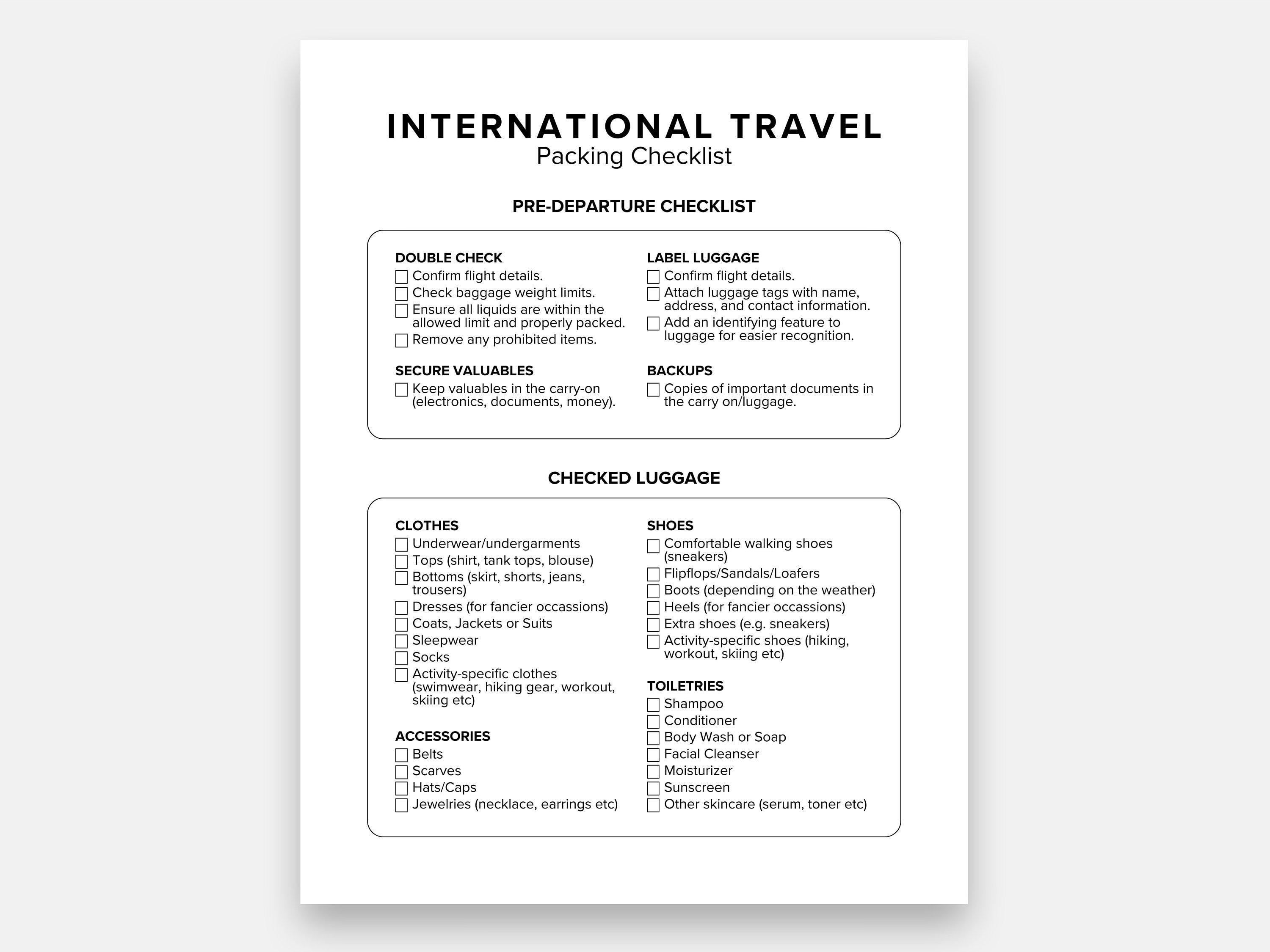
TourLix’s 30-day international travel checklist can reduce last-night stress.
Use the Destination Clock Once You Board
Changing your phone or watch to destination time can help you start thinking in the new schedule. This is psychological rather than a medical intervention, but it can make meal and sleep decisions simpler.
Ask one question
“What would I normally be doing at this local time?” If it is destination nighttime, create a quieter routine. If it is daytime, stay reasonably active when practical.
Sleep on the Plane Only When It Helps the Arrival
Some travelers try to sleep as much as possible on every long flight. That can backfire if the sleep period lands at the wrong time for the destination.
Build a flight sleep window
Consider when you will land. If arrival is morning, sleeping during the later part of the flight may be useful. If arrival is late evening, staying awake near the end of the flight may make bedtime easier.
Comfort, health and individual sleep ability matter, so treat this as a planning idea rather than a rule.
Make the Seat Environment More Sleep-Friendly
Aircraft cabins are noisy, bright and dry. Small items can improve comfort.
Useful flight sleep items
- Eye mask.
- Earplugs or noise-canceling headphones.
- Light neck support if comfortable.
- Warm layer.
- Water bottle used according to airport security rules.
Avoid buying a large collection of sleep gadgets you have never tested. Familiar, simple items are usually easier.
Hydration Supports Comfort
Aircraft cabins have low humidity, and travelers can feel dry or uncomfortable during long flights.
Simple hydration habits
- Drink water regularly.
- Do not wait until you feel extremely thirsty.
- Limit excessive alcohol.
- Use caffeine strategically rather than continuously.
Individual fluid needs vary, and people with medical fluid restrictions should follow professional advice.
Caffeine Can Help or Hurt Timing
Coffee or tea may improve alertness when you need to stay awake, but late caffeine can make destination bedtime more difficult.
Use local time as the guide
If you plan to sleep within a few hours, consider reducing caffeine. If it is local morning and you normally drink coffee, your usual amount may fit the schedule better than repeated cups throughout the flight.
Alcohol Is Not a Reliable Sleep Strategy
Alcohol can make some people feel sleepy, but it may reduce sleep quality and contribute to dehydration or discomfort. Using it as a jet-lag treatment is not a sound plan.
Travelers who drink should do so moderately and consider how alcohol interacts with medications or medical conditions.
Move During Long Flights
Long periods of sitting can cause stiffness and discomfort. When safe and permitted, stand, walk briefly or move your feet and ankles.
Keep movement simple
- Change sitting position.
- Walk the aisle when allowed.
- Stretch gently.
- Avoid blocking cabin service.
People at increased risk of blood clots should seek personalized medical advice before long flights.
Light Exposure Is Part of Time-Zone Adjustment
Natural light is an important signal for the body’s internal clock. The timing of light exposure can influence adjustment, but the ideal schedule depends on travel direction and individual circumstances.
Simple non-technical approach
After arrival, spend some time outdoors during local daytime and reduce bright light when preparing for local bedtime. Travelers seeking a precise light schedule for major time-zone changes should use qualified medical or sleep guidance rather than guessing.
Do Not Turn Arrival Day Into a Marathon
A packed first day is one of the most common long-haul mistakes. Travelers schedule a museum, walking tour and late dinner because they do not want to “waste” vacation time.
A better arrival day
- Check in or leave luggage.
- Eat a normal local-time meal.
- Take a short outdoor walk.
- Buy essentials.
- Keep one simple activity.
- Go to bed at a reasonable local time.
This creates structure without exhausting yourself.
If You Need a Nap, Keep It Strategic
A very long nap in the late afternoon can make nighttime sleep difficult. Some travelers prefer a short nap earlier in the day when they cannot stay awake safely.
Prioritize safety
If you are extremely sleepy, do not drive or participate in an activity that requires high alertness. Rest is more important than preserving a sightseeing schedule.
Eat According to the Destination Schedule
Meal timing can help create a sense of local routine even if appetite is unusual.
Keep meals simple at first
- Eat at normal destination meal times when comfortable.
- Choose familiar foods if your stomach feels unsettled.
- Avoid very heavy late-night meals if they disrupt sleep.
- Stay flexible if appetite is low.
Use the First Two Days for Lower-Stakes Activities
Even when you feel fine after landing, concentration may not be at its best. Put the most complicated driving, demanding hike or expensive all-day tour later in the trip when possible.
Good early-trip activities
- Neighborhood walking.
- Markets.
- Easy museums.
- Parks.
- Short guided tours.
Eastbound and Westbound Travel Can Feel Different
Many travelers report that advancing the body clock and delaying it do not feel the same. The exact experience depends on the number of time zones and individual sleep patterns.
Do not compare your recovery to someone else’s
One traveler may feel normal after a day while another needs several. Build flexibility rather than assuming a fixed recovery timeline.
Jet Lag Planning Table
| Travel stage | Helpful focus |
|---|---|
| 3–5 days before | Protect sleep; optional gradual schedule shift |
| Flight | Destination clock, hydration, planned sleep window |
| Arrival day | Light activity, local meals, outdoor light |
| First night | Reasonable local bedtime |
| Days 2–3 | Regular local schedule and flexible pacing |
Sleep Aids and Supplements Need Medical Caution
Prescription sleep medicines, over-the-counter products and supplements can have side effects, interactions or timing issues. They should not be treated as universal travel hacks.
If you are considering a sleep aid for long-haul travel, speak with a qualified health professional who can consider your medical history and current medications.
When Jet Lag Might Not Be the Only Issue
Severe illness, breathing problems, chest pain, persistent vomiting, unusual confusion or symptoms that concern you should not be dismissed as jet lag. Seek appropriate medical care.
The WHO advises travelers to prepare for destination-specific health risks before, during and after travel and to carry relevant health documentation.
Long-Haul Comfort Checklist
- Finish packing early.
- Choose a flight schedule with arrival in mind.
- Set devices to destination time.
- Carry eye mask and earplugs.
- Stay reasonably hydrated.
- Use caffeine thoughtfully.
- Move when safe.
- Keep arrival day light.
- Spend time outdoors during local daytime.
- Avoid high-risk activities when very sleepy.
Frequently Asked Questions
How long does jet lag last?
It varies. Number of time zones, direction, sleep habits and individual factors all matter. There is no guaranteed recovery schedule.
Should I stay awake until local bedtime?
Often that can support adjustment, but safety matters. If you are extremely sleepy, a short rest may be more sensible than forcing yourself through risky activities.
Does drinking lots of coffee fix jet lag?
No. Caffeine can support alertness temporarily but may interfere with sleep if used too late.
Is melatonin always safe for travel?
No supplement is appropriate for everyone. Dose, timing, medication interactions and health conditions matter. Seek professional medical advice.
Actionable Conclusion
Jet lag cannot be eliminated with one travel hack, but a thoughtful schedule can make long-haul trips more comfortable. Protect sleep before departure, think in destination time, use light and meals to build a local routine and keep the first day simple.
Most importantly, do not treat exhaustion as something to defeat. A flexible first 48 hours can protect the rest of the vacation. Good travel planning includes enough space for the traveler—not just the itinerary—to arrive.