
Public transport can be one of the easiest ways to save money and understand a destination, but the first ride in a new country can feel confusing. Ticket machines use unfamiliar words, platforms are crowded, bus stops look different and local commuters seem to know rules nobody explained.
The good news is that most transport systems become much easier after the first few journeys. You do not need to understand every line in the city. You need a reliable method for planning a route, buying the correct ticket and knowing what to do when something changes.
This guide explains the basics of trains, metros, trams and buses for international travelers. Rules vary by city and country, so always verify fares, validation requirements and service hours through the official transport operator. TourLix readers planning car-free trips can also use our walkable city guide.
Start With the Official Transport App or Website
Search engines and map apps are useful, but the local operator is the best source for current fares, maintenance notices and ticket rules.
Before arrival, find
- Official metro or transit website.
- Official mobile app if available.
- Airport transport page.
- Fare table.
- Service hours.
- Accessibility information.
Save the site or app before landing so you are not trying to identify a legitimate service on airport Wi-Fi.
Understand the Four Common Ticket Systems
Transit networks use different payment models, but most fall into a few common patterns.
1. Flat fare
One price applies to a ride or time period.
2. Zone fare
The price depends on how many geographic zones you cross.
3. Distance-based fare
The system calculates cost based on entry and exit stations.
4. Time-based ticket
A ticket allows transfers for a set number of minutes or hours.
Do not assume a ticket bought for one city works on every operator in the region.
Know the Difference Between Buying and Validating
In some systems, buying a ticket is not enough. Paper tickets may need to be stamped or validated before boarding. Failure to validate can lead to a fine even when you paid for the ticket.
Look for these clues
- Small validation machines near platforms.
- Instructions printed on the ticket.
- “Validate before travel” notices.
- Tap-in readers at station entrances.
If the rule is unclear, ask staff or use the official operator instructions.
Tap-In and Tap-Out Systems
Many cities use contactless cards, travel cards or bank cards. Travelers tap when entering and sometimes again when exiting.
Use the same payment method
If a system calculates fares from entry and exit, tapping in with one bank card and out with another can create two incomplete journeys. Use the same physical card or device unless the operator says otherwise.
Metro Systems: Learn Lines and Direction
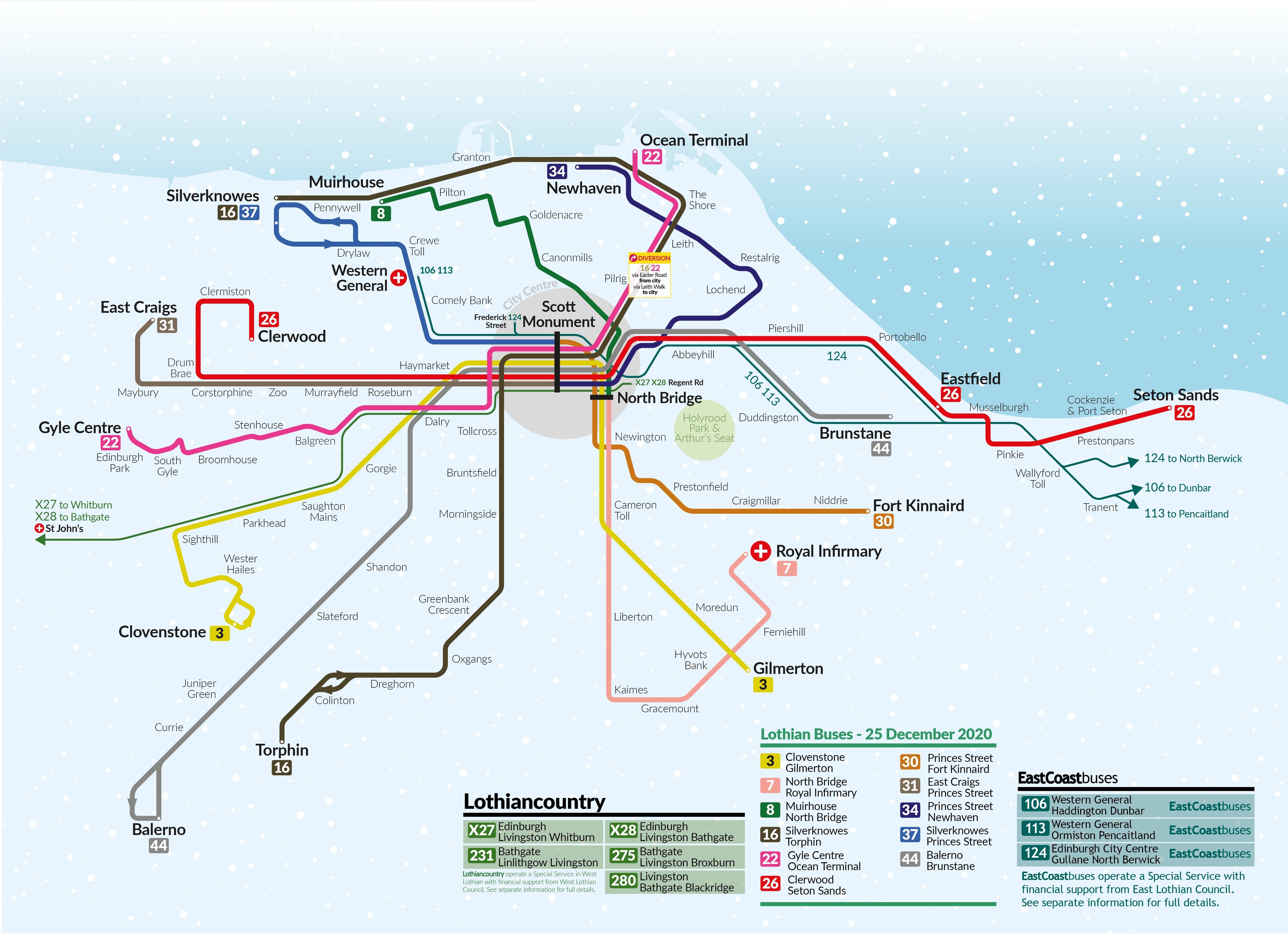
Metro maps can look complicated, but each trip requires only three pieces of information.
For every ride, know
- Your starting station.
- The line name or color.
- The final station in the direction you are traveling.
Platforms often use the end-of-line station to show direction. That is why knowing only your destination station may not be enough.
Transfers: Follow the Line, Not the Exit
Large stations may have signs for exits, rail lines, buses and connecting metro services. During a transfer, follow the symbol or color of the next line rather than signs pointing outside.
Allow extra time in major hubs
A “five-minute transfer” on a route planner may involve escalators, long corridors and busy platforms. Travelers with luggage or mobility needs should allow more.
Buses Require More Route Awareness
Buses are often excellent for neighborhoods not served by rail, but they can be harder for visitors because stops are less obvious.
Before boarding
- Confirm route number.
- Confirm direction.
- Know your stop name.
- Check payment method.
- Know whether you must signal the driver.
Keep a map open during the first few rides so you can follow progress.
Trams Combine the Best and Worst of Buses and Rail
Trams often follow visible tracks and fixed stops, which makes them easier to understand than buses. The challenge is street-level traffic and ticket validation rules.
Watch where you stand
Some tram stops are in the middle of roads. Follow marked pedestrian crossings and wait in designated areas.
Regional Trains Are Different From City Transit
A city metro ticket may not cover regional trains even when they stop at the same station.
Check operator and fare type
Airport trains, suburban rail and national services may use separate tickets. Read the station signs and official fare rules before boarding.
High-Speed and Intercity Trains Often Need Reservations
Long-distance rail can work differently from local transport. A specific train, time and seat may be printed on the ticket.
TourLix’s rail-friendly country guide explains passes, reservations and multi-city rail planning in more detail.
Airport Transport: Do Not Automatically Choose the Express Train
Airport express services are convenient but may not be the best value for every hotel. A local train or metro can sometimes reach the same area with one simple transfer.
Compare
- Travel time.
- Number of transfers.
- Fare.
- Luggage space.
- Operating hours.
- Walking distance from final stop.
Transit Pass or Pay-As-You-Go?
Tourist passes sound convenient, but they are not always cheaper.
Use simple math
Estimate how many rides you will take each day. Compare single fares or daily caps with the pass price. Include airport transport only if the pass actually covers it.
Public Transport Comparison Table
| Mode | Best for | Main beginner challenge |
|---|---|---|
| Metro | Fast city travel | Direction and transfers |
| Bus | Neighborhood coverage | Knowing stops and payment |
| Tram | Central routes | Street-level boarding |
| Regional train | Suburbs/day trips | Different fare systems |
| High-speed rail | Intercity travel | Reservations and ticket rules |
Traveling With Luggage
Rush hour with a large suitcase can be unpleasant for you and commuters.
Make luggage easier
- Avoid peak commuting periods when possible.
- Use elevators if carrying heavy bags.
- Keep aisles clear.
- Stand away from doors unless exiting.
- Do not leave bags unattended.
TourLix’s carry-on packing guide can help reduce luggage on multi-city trips.
Accessibility Planning
A network can be labeled accessible while individual stations have temporary elevator closures.
Check the exact route
- Elevator availability.
- Step-free entrance.
- Platform gap.
- Assistance booking.
- Accessible bus or tram information.
Use official accessibility pages and contact the operator when needed.
Late-Night Public Transport
Daytime routes may not operate the same way after midnight.
Before going out
- Check last train or bus time.
- Know the night-bus alternative.
- Save a reputable taxi or ride option.
- Keep enough phone battery for navigation.
Do not discover the last train ended 30 minutes ago while standing in an unfamiliar area.
Stay Aware in Crowded Vehicles
Busy stations and trains can attract pickpocketing in some destinations.
Practical habits
- Keep bags closed.
- Use front pockets or secure compartments.
- Do not place a phone loosely near a door.
- Keep passports secured.
- Move away from anyone creating unusual distraction around your belongings.
No city is risk-free, so use normal awareness without assuming every crowded system is dangerous.
Platform and Station Etiquette
Local habits differ, but a few behaviors work almost everywhere.
Good transit manners
- Let passengers exit before boarding.
- Do not block escalators.
- Keep audio private.
- Offer priority seating where appropriate.
- Move into the vehicle instead of standing at the door.
- Keep luggage under control.
What to Do if You Get on the Wrong Train
Do not panic or jump off as doors close. Get off safely at the next suitable stop, recheck the route and travel back if necessary.
Wrong direction is usually a small problem
Build extra time before important reservations so one transit mistake does not become a major crisis.
What to Do During a Service Disruption
Follow official announcements and transport apps. If the route is suspended, look for replacement buses, parallel lines or a nearby station.
Keep a backup transport budget
A small emergency amount for a taxi or alternate train can be useful, especially before a flight or late at night.
Rail Passenger Rights in the European Union
For EU rail journeys, the European Commission publishes official information on rail passenger rights, including rules around delays, cancellations and missed connections. The exact rights depend on the journey and ticket.
Offline Navigation Matters
Mobile data can fail in underground stations or after arrival.
Save offline
- Hotel location.
- Airport route.
- Key station names.
- Transit map screenshot.
- Emergency contact information.
Beginner Transit Checklist
- Download official app.
- Understand fare type.
- Check validation rule.
- Learn tap-in/tap-out method.
- Save hotel station.
- Check last service at night.
- Keep payment backup.
- Allow extra time for first ride.
Frequently Asked Questions
Should I buy a tourist transport pass?
Only if it matches your expected ride count and covers the routes you need. Compare it with pay-as-you-go fares.
Can I use a bank card directly?
Some cities allow contactless bank cards, others require a local transit card or ticket. Check the official operator.
What if I cannot read the local language?
Use station codes, line colors, route numbers and destination names. Translation apps can help, but official signage often includes symbols or English in major tourist systems.
Is public transport safe at night?
Conditions vary by city, line and time. Check local guidance, service frequency and the route from your stop to the hotel.
Actionable Conclusion
Using public transport abroad becomes much easier once you stop trying to understand the entire network. For each journey, know the ticket, line, direction, transfer and final stop. Verify rules through the official operator and keep a backup plan for late-night or disrupted service.
After a few rides, the system usually feels routine. That confidence can reduce taxi costs, make car-free travel practical and help you experience neighborhoods that many visitors never reach.