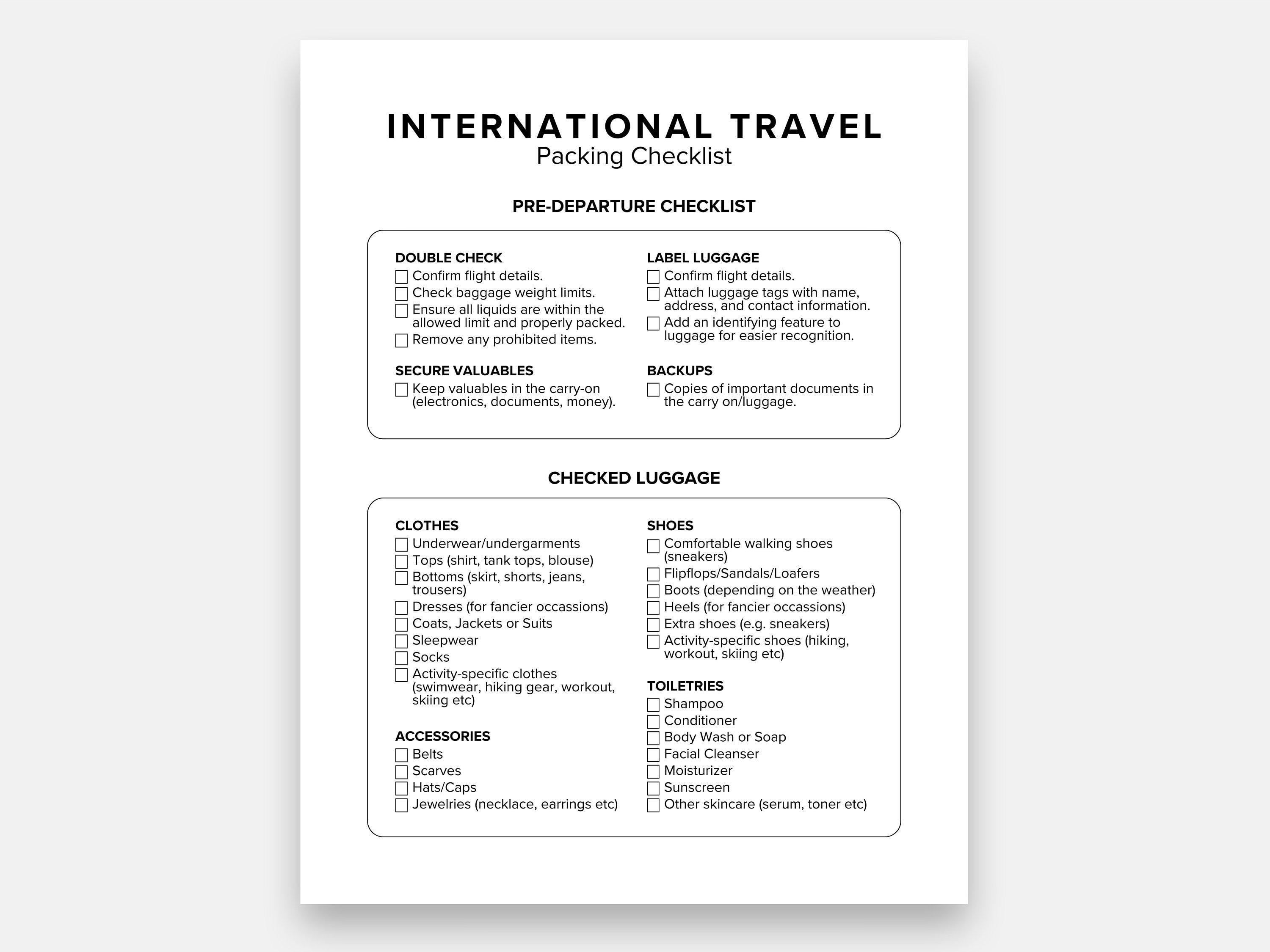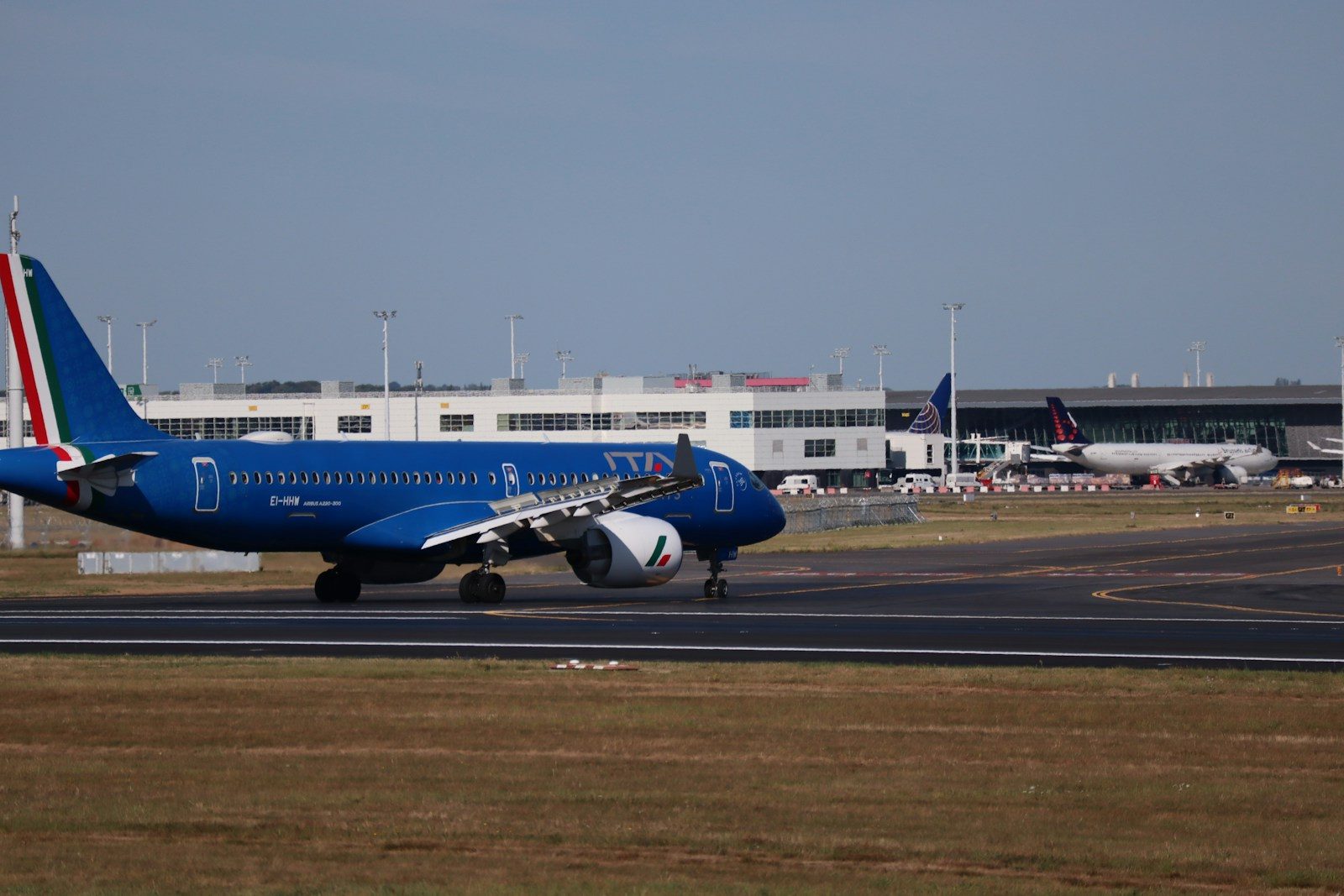

Airport travel becomes easier when you prepare for the parts you can control: documents, baggage, check-in, security rules, food, connections and ground transport. There is no universal hack that guarantees the cheapest fare or lets a traveler bypass airport procedures, but a few reliable habits can reduce unnecessary cost and stress.
Compare flights using the total price
The lowest headline fare may not be the cheapest itinerary after baggage, seat selection, airport transfers and connection costs are included. Compare the complete price for the way you actually plan to travel.
- Check cabin and checked-baggage allowances
- Compare direct and connecting flights
- Check whether different airports create extra transfer costs
- Review cancellation and change terms
- Confirm transit-visa requirements for international connections
Fare tools such as Google Flights can help compare dates and routes. Airline pricing changes dynamically, so avoid claims that one weekday, browser mode or fixed booking window always produces the lowest price.
Use fare alerts instead of guessing the perfect booking day
There is no single best day of the week to buy every flight. Route demand, holidays, events, remaining seats and airline pricing all matter. If your dates are flexible, compare several nearby dates and set price alerts rather than waiting for a mythical guaranteed discount.
Choose flight times for your priorities
Early flights can be useful for travelers who prefer arriving earlier in the day, but delay patterns vary by airport, route, weather and airline. Check the historical performance of your actual flight when that information is available rather than assuming every morning flight will be more reliable.
Check in online when your airline allows it
Online or app check-in can reduce time at the airport, especially for passengers without checked baggage. Still allow enough time for document checks, bag drop, security and immigration where applicable.
Use the airline’s official app or website for boarding passes, gate changes and disruption notices. Airport screens and staff instructions remain important because gate information can change.
Pack within the operating airline’s rules
Cabin-bag dimensions and weight limits differ between airlines, and codeshare flights can create confusion about which carrier’s rules apply. Check the operating airline before departure.
Keeping essential items in cabin baggage can be useful:
- Passport and required travel documents
- Prescription medicines in appropriate packaging
- Phone and essential chargers
- Valuables
- One basic change of clothes on longer trips
Always follow aviation rules for batteries, liquids and restricted items. Requirements can differ by country and airport.
Prepare for security instead of trying to bypass it
The safest time-saving strategy at security is simple: follow the current rules and organize your belongings before reaching the screening point. Do not use online “hacks” that claim to bypass screening, hide prohibited items or avoid required declarations.
For travel in the United States, current screening information is available from the Transportation Security Administration. In other countries, check the relevant airport or aviation authority.
Before entering the line
- Have your boarding pass and identification ready if required.
- Know the current liquids and electronics rules.
- Remove prohibited items before leaving home.
- Follow instructions from security staff even if they differ from a previous trip.
Plan connections realistically
A very short connection can save time on paper but become expensive if a missed onward flight is not protected by one ticket. Consider terminal changes, immigration, security re-screening and baggage collection.
When booking separate tickets, understand that the second airline may not be responsible if the first flight is late. Leave a larger buffer when the financial risk of missing the next flight is high.
Airport lounges: calculate value before paying
Lounges can provide seating, charging, food and a quieter space, but they are not automatically a money-saving choice. Compare the access price with what you would otherwise spend and check whether the lounge is open during your layover.
Credit-card, airline-status and membership benefits change, so confirm current access rules with the card issuer, airline or lounge network before relying on them.
Food and water
Airport food can be expensive, but outside food and liquids are subject to security, customs and biosecurity rules. Bring only items that are permitted on your route.
An empty reusable water bottle can often be taken through security and filled afterward where safe drinking water is available, but local airport rules should always be followed.
Ground transportation can change the total trip cost
Before landing, compare official airport trains, buses, licensed taxis, hotel transfers and approved ride-hailing services. The cheapest option may not be the best late at night or with heavy luggage.
- Save the hotel address offline
- Check the last train or bus time
- Use official taxi ranks where recommended
- Avoid unsolicited transport offers when the airport warns against them
- Confirm pickup zones for ride-hailing apps
Keep documents accessible but secure
Store passports and travel documents where you can reach them without exposing them unnecessarily. Keep secure digital copies of important documents, but avoid sharing passport images through untrusted sites or public links.
Use airport Wi-Fi carefully
Public networks can vary in security. Avoid entering sensitive financial or work credentials on networks you do not trust. Mobile data may be preferable for sensitive tasks. Keep devices updated and use multi-factor authentication on important accounts.
Know what to do during a delay
If a flight is delayed or cancelled, use the airline’s official channels first. Rebooking and compensation rights depend on the route, airline, reason for disruption and applicable law.
- Save the booking reference
- Keep receipts when an airline instructs you to arrange expenses
- Check whether your ticket or travel insurance provides coverage
- Do not pay strangers who claim they can guarantee priority rebooking
Airport money-saving myths to ignore
- “Incognito mode always gives cheaper fares.” Do not rely on this as a pricing strategy.
- “Tuesday is always the cheapest booking day.” Prices depend on the specific market and inventory.
- “Every early flight is less likely to be delayed.” Performance varies by route and conditions.
- “A lounge always saves money.” It depends on access cost and what you would otherwise buy.
- “Security rules are the same everywhere.” Always check the airport and country involved.
Conclusion
The most reliable airport “hacks” are really good preparation: compare the full fare, understand baggage rules, leave realistic connection time, follow security requirements and arrange ground transport before arrival.
Those habits may not sound dramatic, but they reduce the expensive mistakes that matter most. Use official airline, airport, immigration and security information whenever a rule affects whether you can board or enter a country.