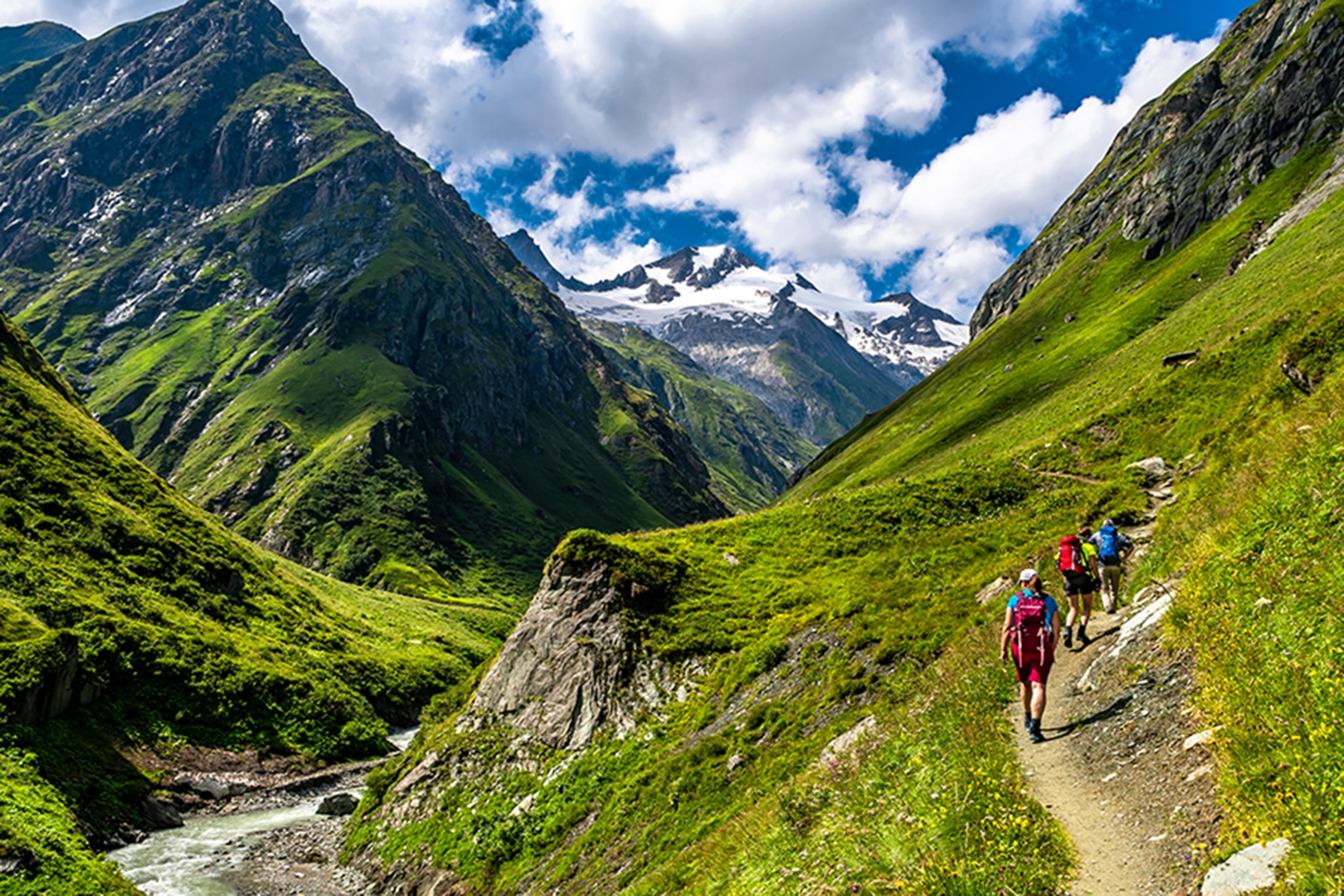
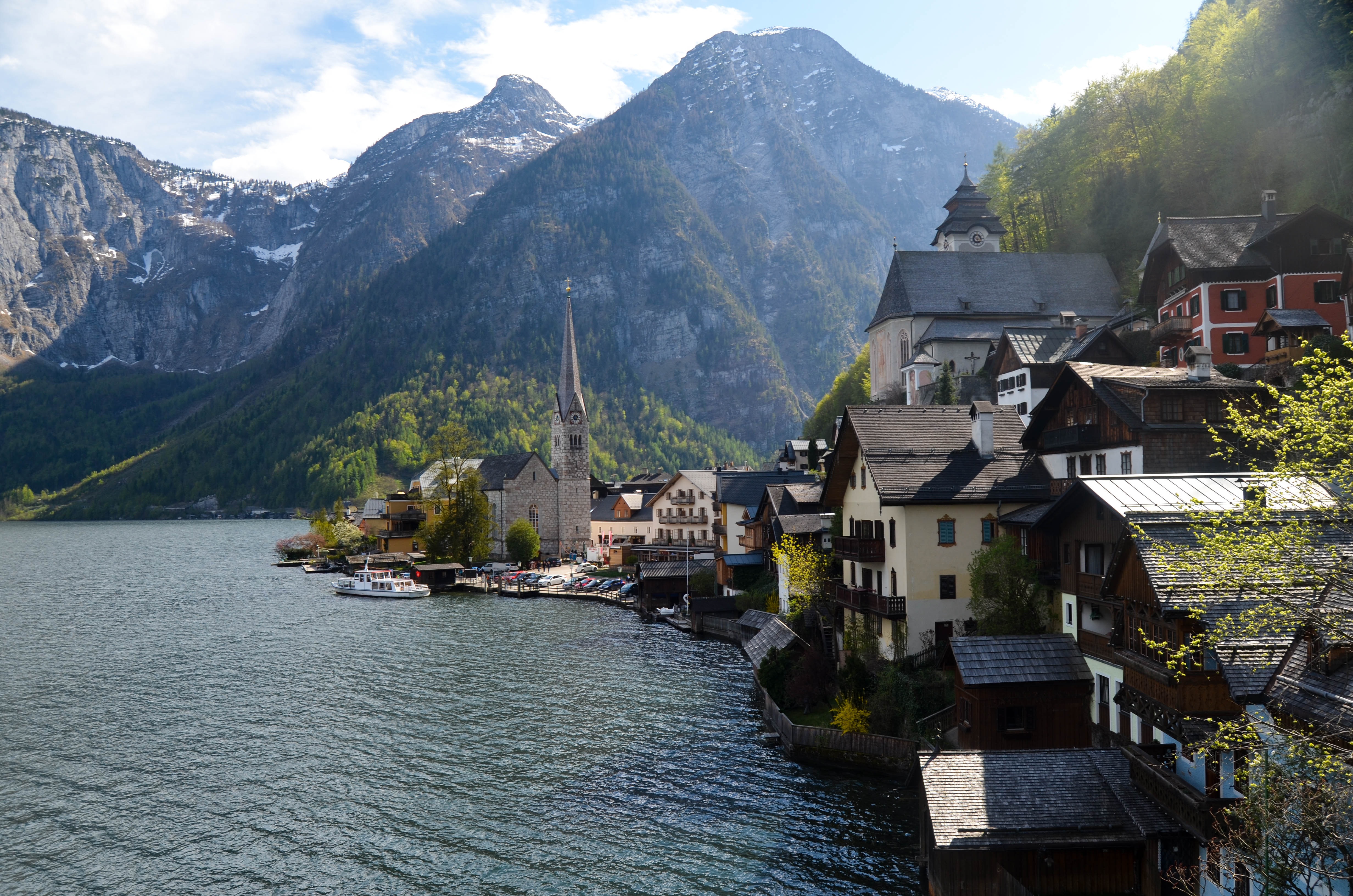
Mountain destinations are often associated with snow, ski lifts and winter holidays, but summer can reveal an entirely different side of the same places. Trails open, lakes become accessible, mountain railways run scenic routes, villages feel more walkable and travelers can spend long days outdoors without building a trip around skiing.
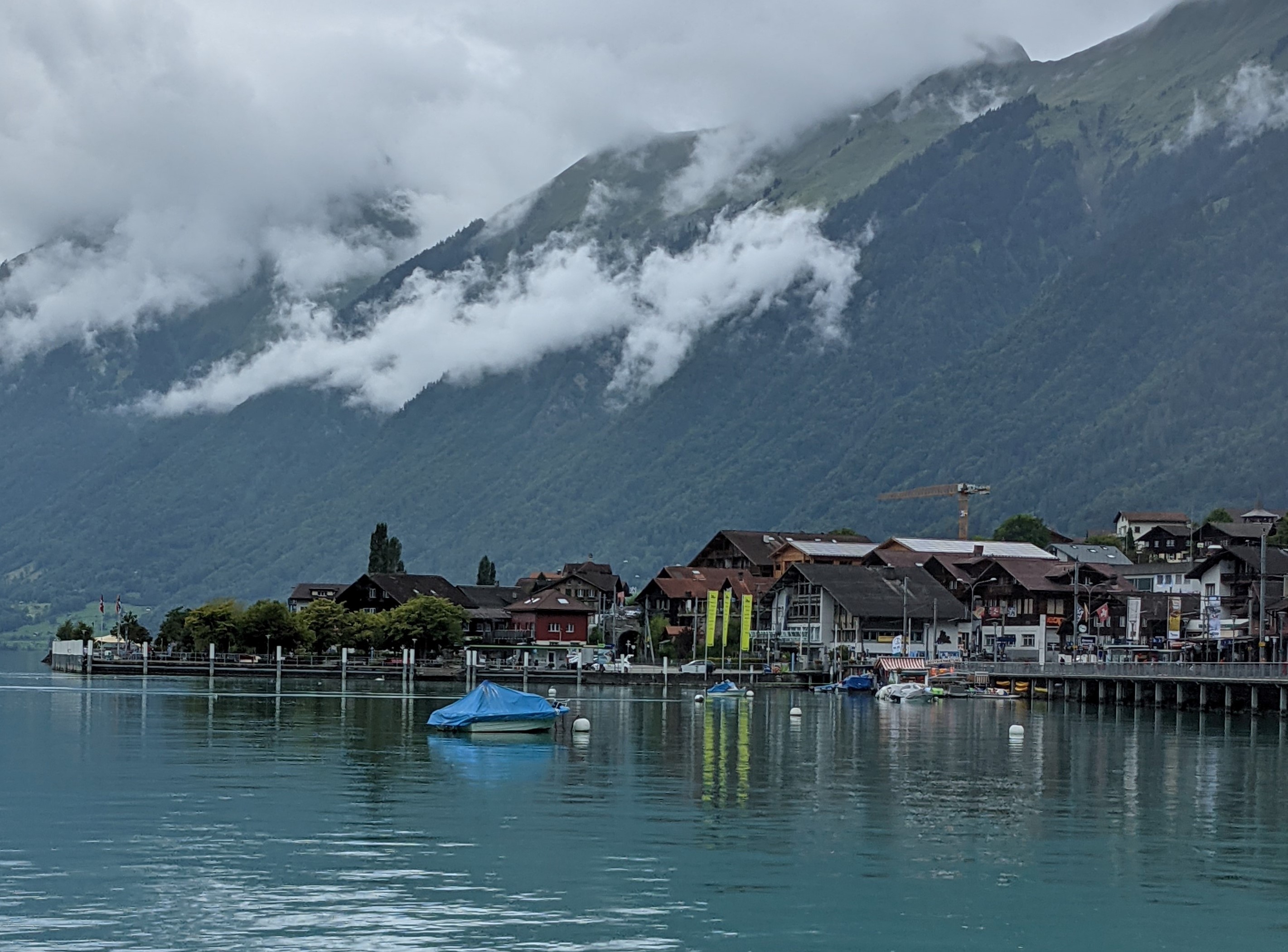
Summer mountain travel still needs careful planning. Weather can change quickly, high-altitude sun can be intense, afternoon storms may affect hiking and popular trailheads can become crowded. A good itinerary leaves room for changing conditions rather than locking every day into one outdoor activity.
This guide highlights mountain towns and regions that work well for scenic summer escapes. It is not a safety ranking or a guarantee of weather. Always check official trail, park and transport information close to your travel dates. TourLix readers planning active trips can also use our safe adventure travel guide.
What Makes a Mountain Town Good in Summer?
The best summer bases combine outdoor access with enough infrastructure to make the trip comfortable even when the weather changes.
Look for these qualities
- Marked trails with difficulty information.
- Public transport or mountain lifts that reduce dependence on a car.
- Indoor alternatives for rainy days.
- Reliable access to food, pharmacies and basic services.
- A range of activities beyond advanced hiking.
- Official safety information for altitude, wildlife and weather.
A destination that looks dramatic in photographs may still be a poor fit if every major experience requires technical hiking beyond your ability.
Interlaken, Switzerland: A Practical Base Between Lakes and Mountains
Interlaken works well as a base because it connects easily to lakes, rail routes and mountain villages. Travelers can plan scenic trains, boat rides, hiking or cable-car excursions without moving hotels every night.
Use public transport to simplify the trip
One advantage of the region is the ability to reach many surrounding areas by rail, bus, boat or mountain transport. That can make a car unnecessary for many itineraries. Check current transport timetables and mountain lift operations before each day because maintenance and weather can affect service.
Official visitor information is available through Interlaken Tourism.
Innsbruck, Austria: City Comfort With Mountain Access
Innsbruck offers a useful balance for travelers who want alpine scenery but do not want to stay in an isolated resort. The city has museums, restaurants, public transport and a walkable center, while mountain areas are accessible nearby.
Build a mixed-weather itinerary
Rather than planning outdoor activities every day, keep one cultural or city-focused day available. If mountain weather is poor, move the outdoor plan and use the city day instead. This simple flexibility can protect a short trip from becoming disappointing.
Use Innsbruck Tourism for current regional information.
Banff, Canada: National Park Scenery With Strong Visitor Infrastructure
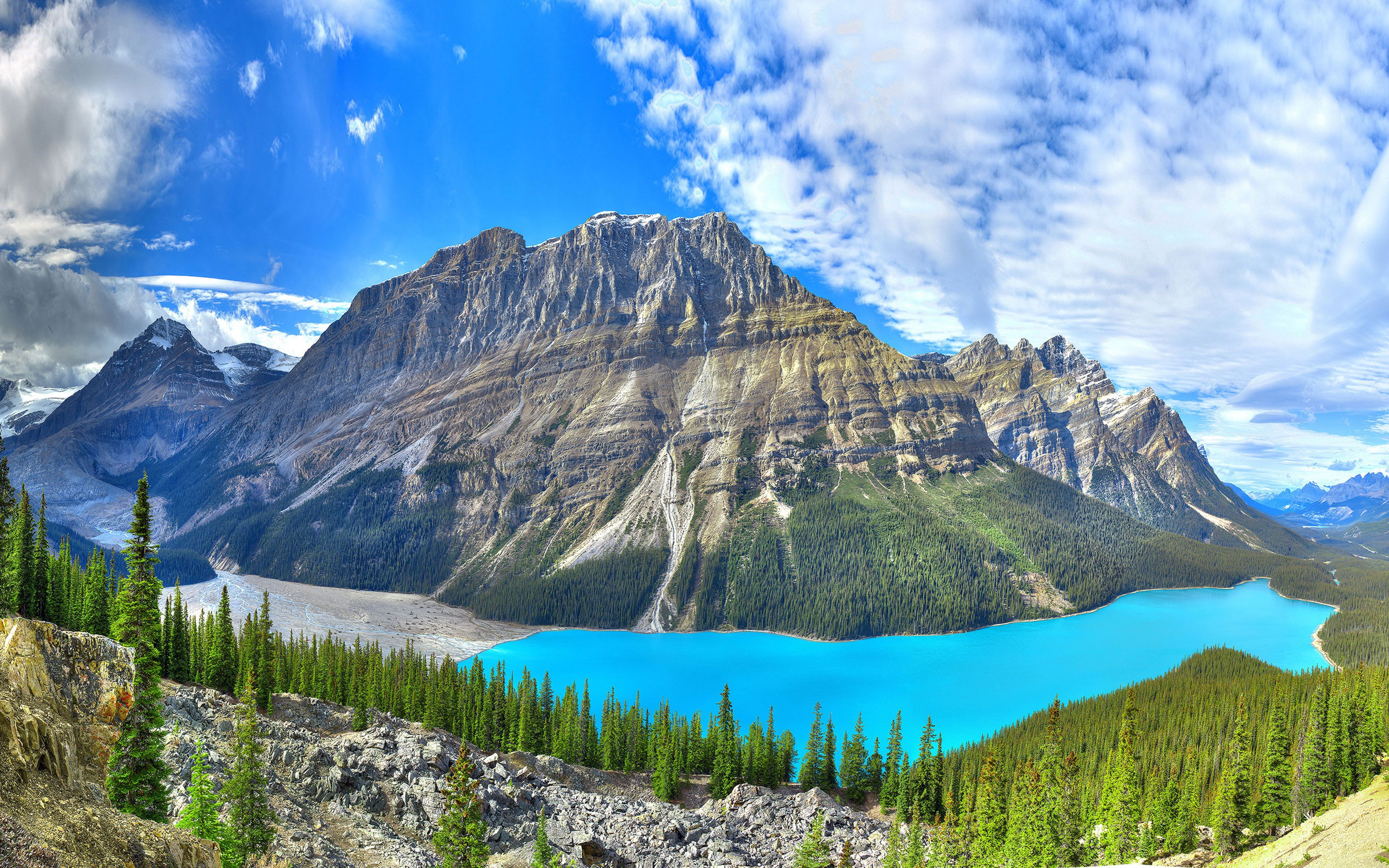
Banff offers lakes, mountain views, hiking and wildlife within a well-known national park setting. The same popularity that makes it easy to research can also create crowding and parking pressure in peak summer.
Plan around park rules, not social media
Trail conditions, road access, shuttle requirements and wildlife restrictions can change. Use Parks Canada as the primary source for current information. Do not approach wildlife for photographs or assume a roadside animal is safe to stand near.
Zermatt, Switzerland: Car-Limited Village With High-Alpine Scenery
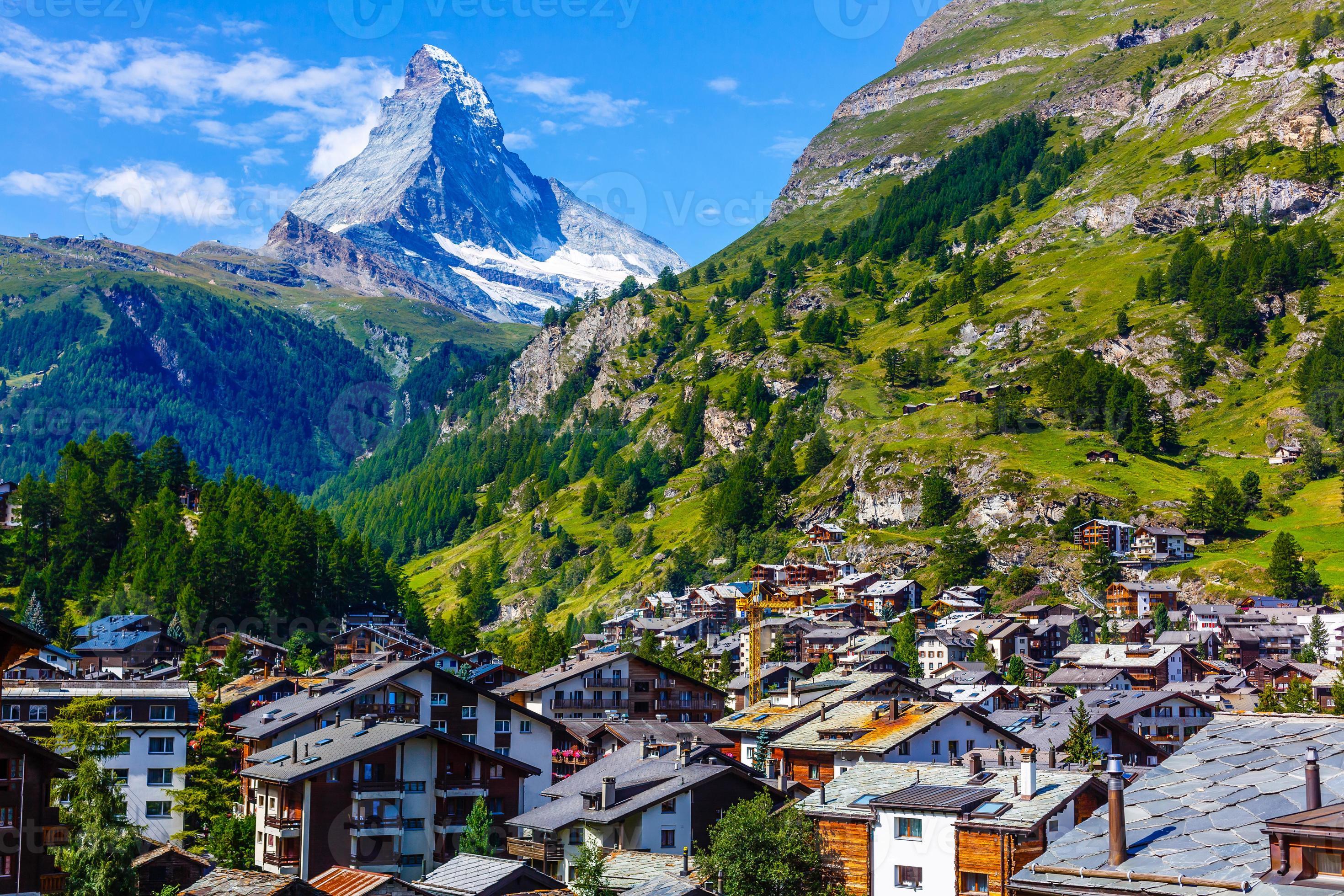
Zermatt is known for mountain views and a village environment where conventional private-car use is heavily limited. That gives the center a different feel from many alpine resorts and encourages rail-based access.
Choose activities by ability
Not every visitor needs a demanding hike. Mountain railways and lifts can provide scenic access, while easier walking routes offer lower-intensity alternatives. Check altitude, trail surface and return transport before starting a route.
Chamonix, France: Big-Mountain Atmosphere With a Wide Range of Activities
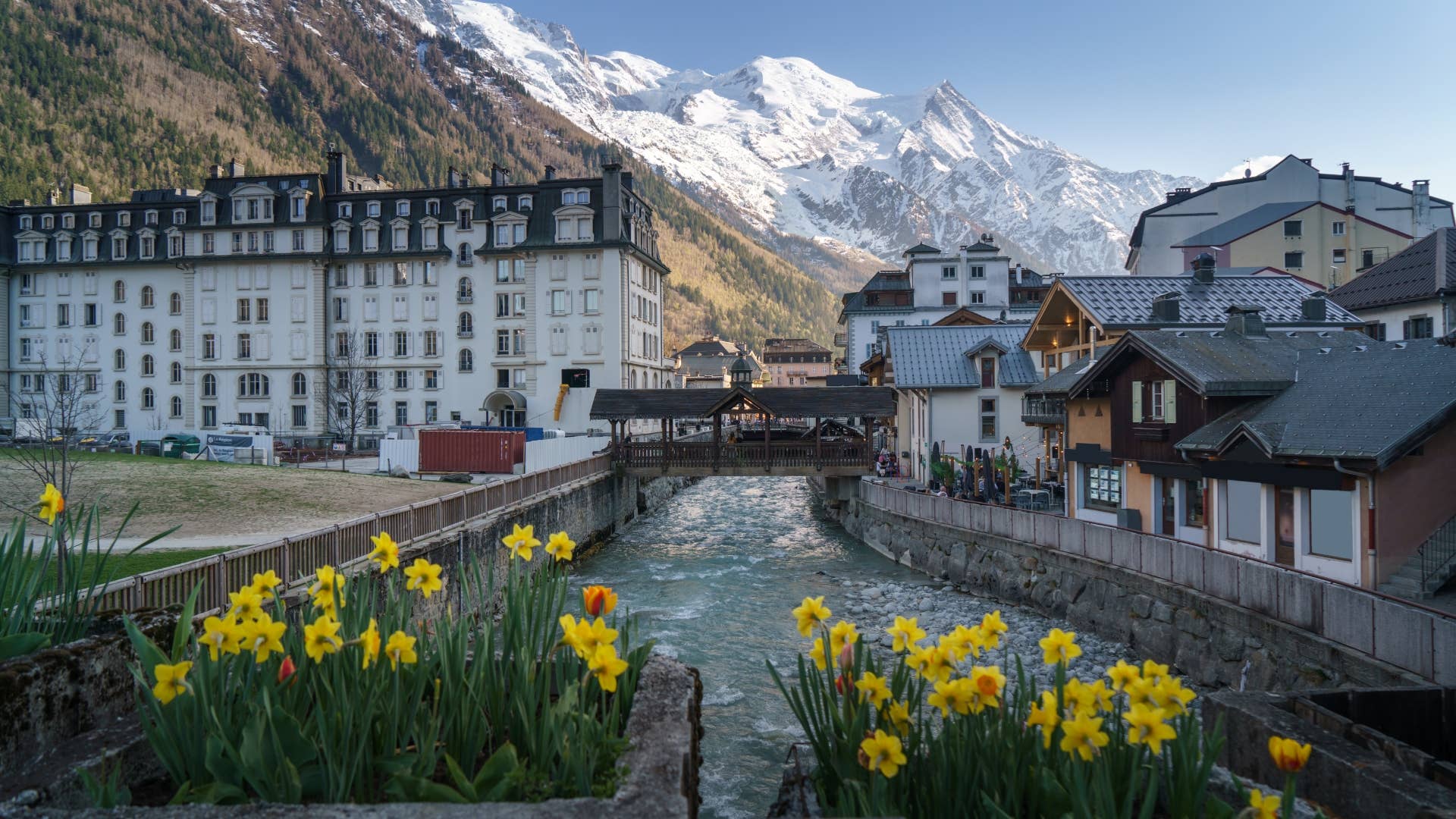
Chamonix sits in a dramatic alpine environment and attracts experienced mountaineers as well as ordinary visitors. That mix can create a misleading impression that advanced routes are suitable for everyone.
Separate sightseeing from mountaineering
A scenic lift ride or valley walk is very different from glacier travel, technical climbing or high-altitude routes. Travelers should never copy an itinerary simply because it appears popular online. Technical activities require qualified guidance, appropriate equipment and realistic fitness.
Check Chamonix-Mont-Blanc’s official tourism site for current information.
Queenstown, New Zealand: Outdoor Variety Beyond Adventure Sports
Queenstown is famous for adrenaline activities, but summer travelers can also enjoy lakeside walks, scenic drives, hiking, food and day trips. That makes it suitable for mixed groups where not everyone wants the same level of adventure.
Do not overbook expensive activities
Outdoor excursions can be weather-dependent. Leave enough space to move bookings when operators allow it, and avoid stacking several prepaid activities on consecutive days. A lake walk, viewpoint or casual town day can be valuable recovery time.
Use Destination Queenstown for current visitor information.
Leh, India: High-Altitude Landscapes That Require Respect
Leh offers a very different mountain environment from the Alps or Canadian Rockies. The altitude is a major part of the travel experience, and travelers should not treat arrival like an ordinary city break.
Build acclimatization into the schedule
People respond to altitude differently. Avoid planning strenuous activity immediately after arrival, stay hydrated and seek medical guidance if you have health concerns. The World Health Organization’s travel and health resources provide general guidance on preparing for travel-related health risks, but individual medical advice should come from a qualified professional.
Cortina d’Ampezzo, Italy: Dolomite Scenery and Village-Based Exploring
Cortina can work well for travelers who want access to the Dolomites with a comfortable town base. Summer brings hiking, scenic drives and lift-assisted mountain access, but trail difficulty varies significantly.
Read route details carefully
A short distance does not always mean an easy hike. Elevation gain, exposed sections, surface type and weather can make a route much more demanding than its length suggests. Use official local trail information and never rely on a social-media caption as a route description.
Mountain Town Comparison
| Destination | Summer strength | Main planning factor |
|---|---|---|
| Interlaken | Rail, lakes and mountain access | Transport/lift schedules |
| Innsbruck | City + alpine combination | Weather flexibility |
| Banff | National park landscapes | Park rules and crowds |
| Zermatt | Car-limited village and mountain rail | Altitude and route choice |
| Chamonix | Big-mountain scenery | Separating technical from casual activities |
| Queenstown | Wide outdoor activity range | Weather-dependent bookings |
| Leh | High-altitude landscapes | Acclimatization |
| Cortina d’Ampezzo | Dolomite access | Trail difficulty |
How to Plan a Mountain Day Without Overdoing It
Many travelers make the mistake of judging a day only by kilometers. In mountains, elevation gain, altitude, heat, trail surface and exposure matter just as much.
A simple outdoor-day framework
- Check the official weather forecast in the morning.
- Review trail status and lift schedules.
- Choose a route below your maximum ability rather than at it.
- Carry water, sun protection, layers and basic food.
- Set a turnaround time.
- Keep an easier alternative ready.
This approach reduces the pressure to continue when conditions are no longer good.
Altitude: A Planning Factor, Not a Challenge to Prove
High altitude can affect people regardless of fitness. Symptoms should not be ignored simply because a trip is short or expensive. Travelers with medical conditions, previous altitude problems or uncertainty should seek professional advice before the trip.
Do not schedule demanding activity immediately after a major altitude gain. Slower pacing can improve both safety and enjoyment.
Wildlife Etiquette in Mountain Regions
Mountain destinations can include bears, deer, mountain goats, marmots or other wildlife depending on the region. The correct response is observation from a safe distance, not approaching for photographs.
Basic wildlife rules
- Never feed wild animals.
- Follow park distance requirements.
- Keep food stored as required.
- Do not block roads when animals appear.
- Follow local guidance about bear spray or other precautions where relevant.
Choosing a Hotel for a Mountain Escape
A hotel that looks scenic may be inconvenient if it is far from public transport, trail access or evening food. Compare location with the experiences you actually plan to do.
Check before booking
- Distance to the main station or bus stop.
- Whether lifts or trailheads are walkable.
- Availability of breakfast before early starts.
- Late check-in if arrival depends on mountain transport.
- Laundry or gear-drying options for longer outdoor stays.
For broader accommodation planning, see TourLix’s boutique hotel guide.
Responsible Mountain Travel
Mountain environments can be sensitive to erosion, waste and visitor pressure. Stay on marked trails, carry waste out, respect seasonal closures and avoid creating unofficial shortcuts. UNESCO’s sustainable tourism guidance emphasizes balancing visitor experiences with protection of natural and cultural heritage.
Traveling outside the busiest hour, using public transport and supporting local guides can also reduce some pressure on popular areas.
Frequently Asked Questions
What is the best month for a summer mountain trip?
It depends on altitude and region. Snow can remain on high routes long after towns feel like summer, and storms vary by season. Check local trail status rather than using a universal month.
Do I need hiking experience?
Not for every destination. Many mountain towns offer easy walks, scenic transport and viewpoints. Choose activities that match your experience.
Are mountain towns expensive in summer?
Some can be, especially during holiday periods. Staying longer, using public transport and booking outside major event dates may improve value.
Can families enjoy mountain towns without difficult hikes?
Yes. Lakes, cable cars, scenic trains, easy paths and town-based activities can make mountain travel accessible to mixed groups, but always verify age and safety requirements.
Actionable Conclusion
Interlaken, Innsbruck, Banff, Zermatt, Chamonix, Queenstown, Leh and Cortina d’Ampezzo each offer a different version of a summer mountain escape. Some are ideal for rail-based sightseeing, others for hiking, and others for combining a comfortable town with dramatic outdoor scenery.
Choose the destination based on your actual ability and preferred activities, not the most dramatic photograph. Check weather and route conditions every day, build in flexible time and treat altitude and wildlife seriously. The best mountain trip is not the one with the hardest itinerary; it is the one that leaves you enough energy to enjoy where you are.