Europe’s famous capitals can be exciting, but they are not the only places that make a memorable city break. Smaller cities often give travelers something that is harder to find in major tourist hubs: time. Streets are easier to understand, daily distances are shorter, neighborhoods feel more connected, and a two- or three-night stay can feel complete without a packed schedule.
Slow travel does not mean doing nothing. It means building enough space into an itinerary to notice markets, local food, public spaces and everyday routines instead of moving from landmark to landmark. Smaller European cities are especially good for this style because many can be explored on foot and connected by rail to larger gateways.
This guide focuses on cities that work well for thoughtful short breaks, not as a strict ranking. Travel conditions, prices and seasonal demand change, so use official destination and transport sources before booking. For more car-free planning ideas, see TourLix’s guide to walkable cities.
Why Smaller Cities Can Be Better for Slow Travel
A large city can easily consume a trip with transit, queues and neighborhood transfers. In a smaller destination, the station, historic center, market and evening dining area may all be within a practical walking radius. That changes the rhythm of the day.
What slow travelers usually gain
- Less time spent commuting between attractions.
- More opportunities to return to the same cafe or neighborhood.
- Easier day planning with fewer reservations.
- Lower pressure to “see everything.”
- Better chances to explore nearby countryside or villages.
Smaller cities are not automatically cheaper or quieter. Festivals, university events and holiday weekends can create high demand, so check actual dates rather than assuming.
Ljubljana, Slovenia: A Compact Capital With a Relaxed Center
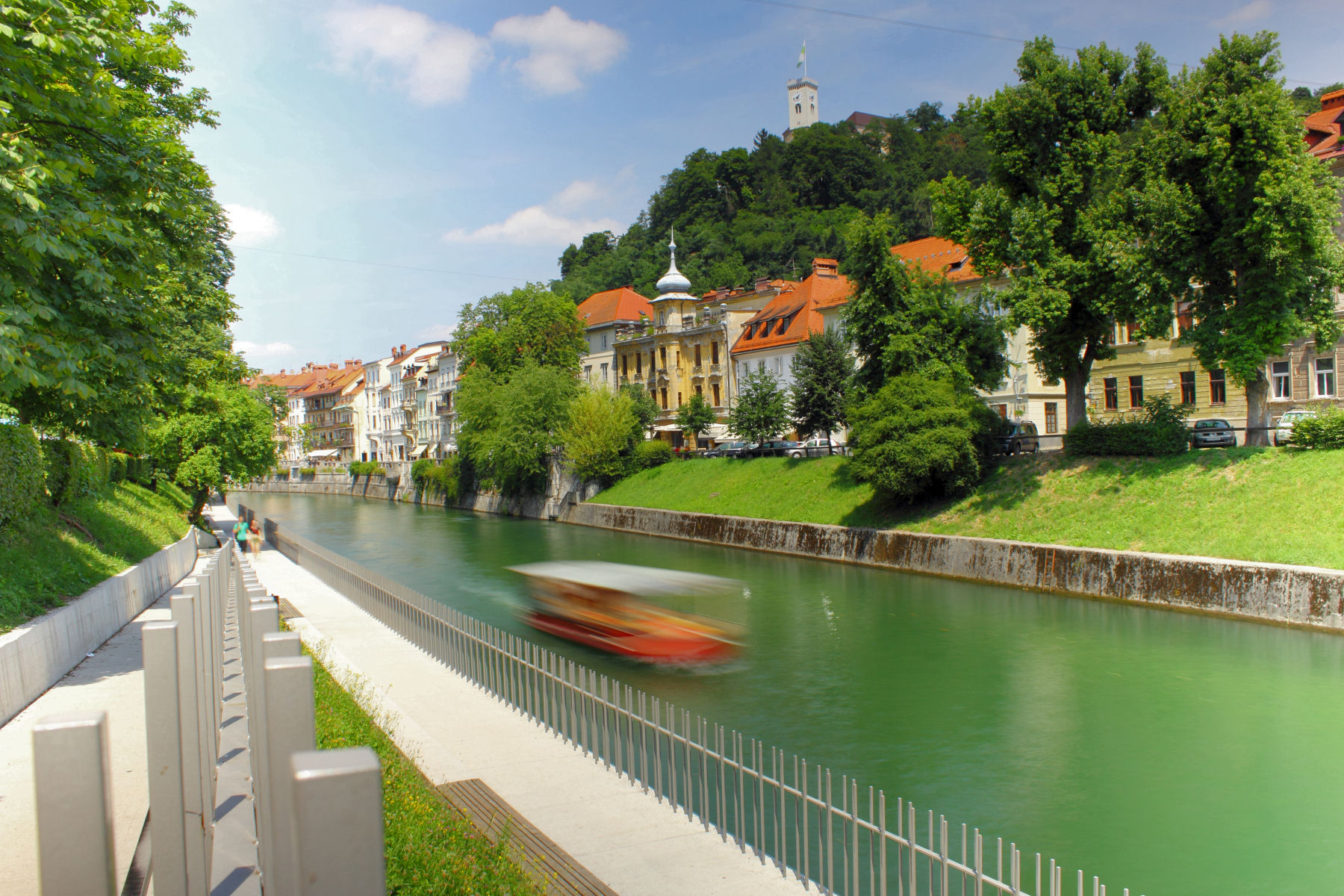
Ljubljana is one of Europe’s most approachable capitals for travelers who enjoy walking. The riverfront, central market, bridges, cafes and historic streets are close together, and the scale of the center encourages wandering rather than constant transit planning.
How to spend three days
Use the first day for the river and historic center, the second for parks, museums and residential areas, and keep the third flexible for a nearby excursion or a slower cafe-and-market day. This prevents the common mistake of trying to fill every hour simply because the city is compact.
Current visitor information is available through Visit Ljubljana.
Salzburg, Austria: Culture, River Walks and Easy Regional Connections
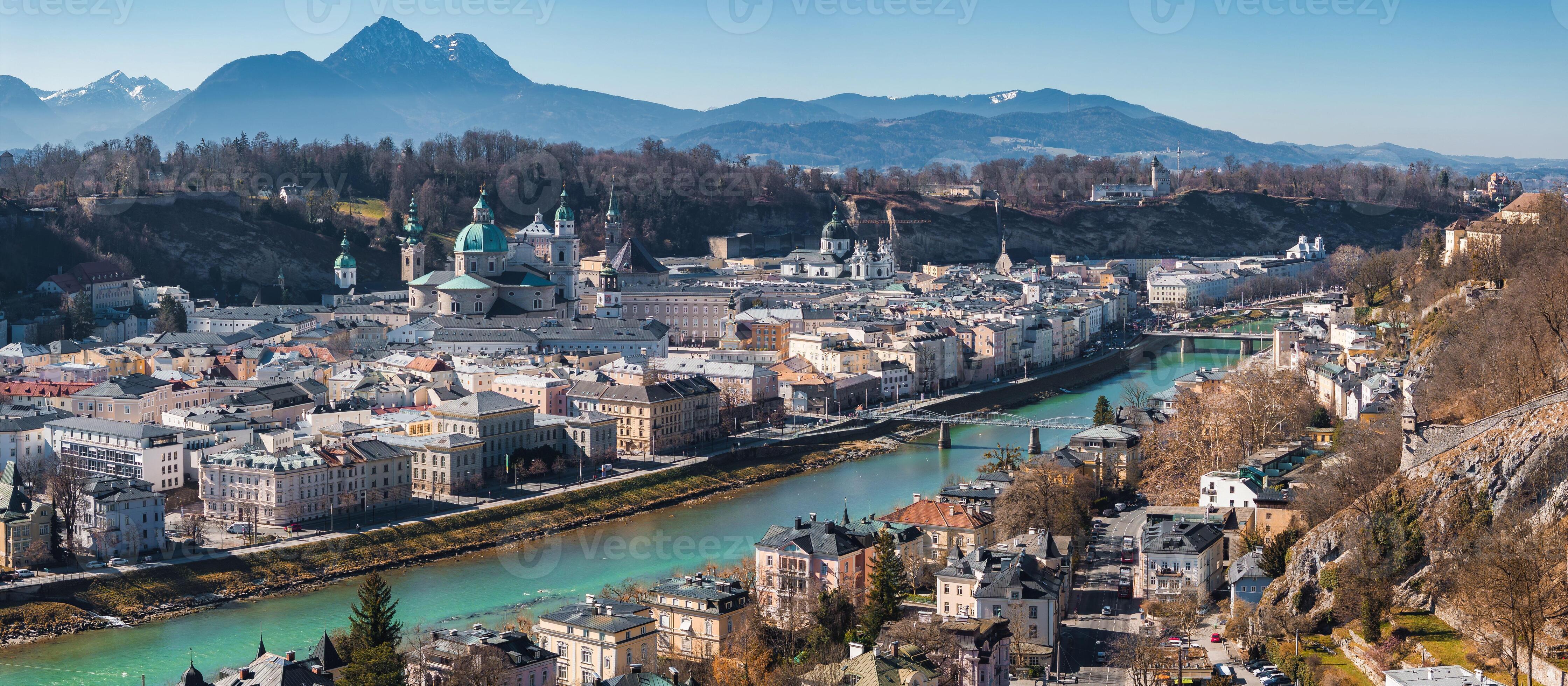
Salzburg combines a historic center, music heritage, fortress views and easy access to surrounding landscapes. The city is small enough to explore without a complicated transport plan, but rail and buses make it possible to expand the trip into nearby towns.
Do not build the whole visit around one attraction
Salzburg is more rewarding when travelers leave time for riverside walks, quieter streets and local food rather than scheduling every hour around major sights. If you are visiting during a festival period, accommodation can fill quickly, so compare dates early.
Use Salzburg’s official tourism site for current cultural and visitor information.
Ghent, Belgium: Historic Streets With a Lived-In Feel
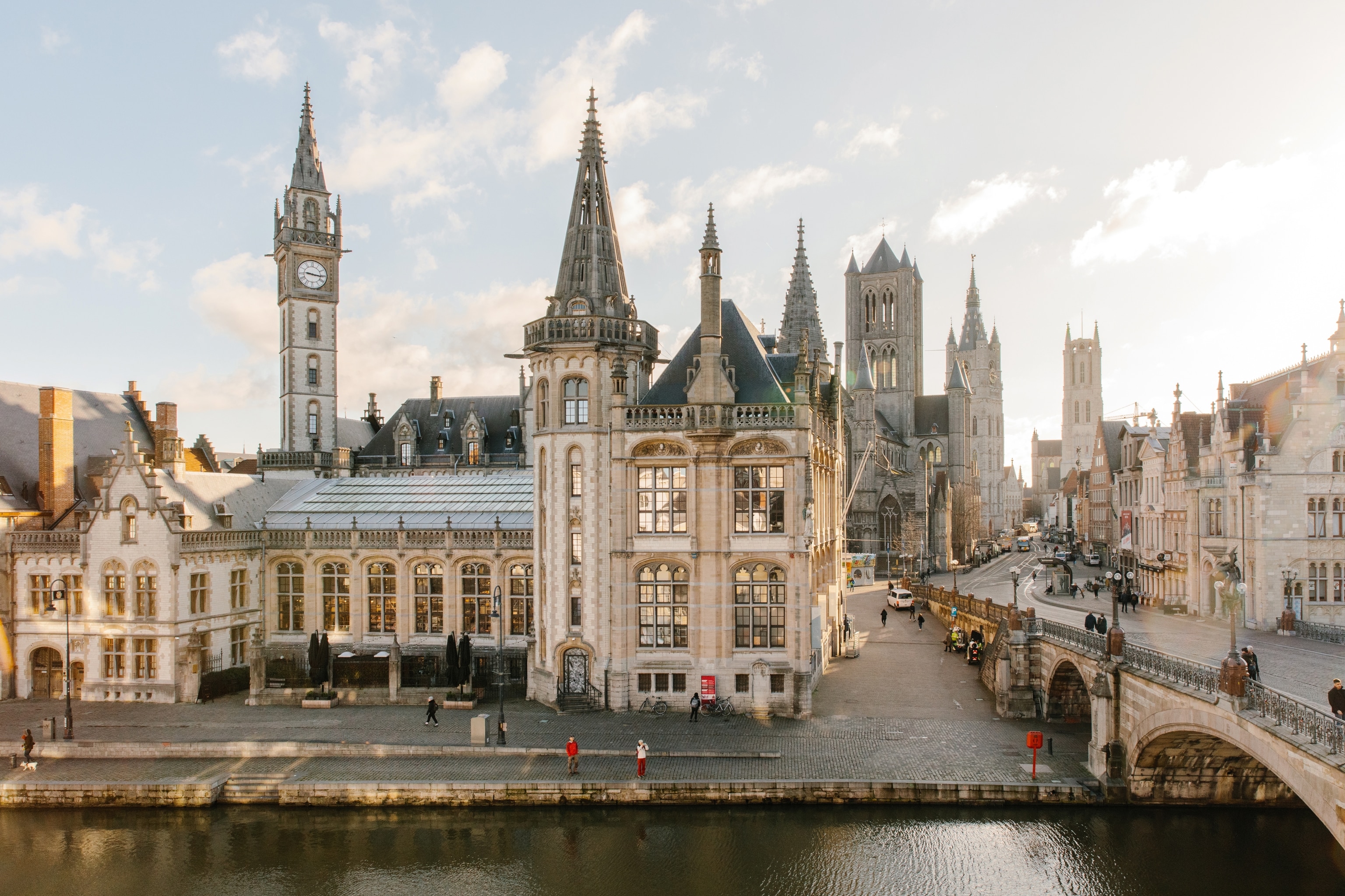
Ghent offers canals, historic architecture and museums while still functioning as a university city with strong everyday local life. That balance makes it a good alternative for travelers who want Belgian heritage without basing the whole trip on a single postcard district.
Stay overnight instead of treating it only as a day trip
Many visitors pass through quickly, but staying for two nights changes the experience. Early mornings and evenings can feel different from midday, and travelers have more time to explore neighborhoods outside the most photographed center.
Check Visit Gent for museums, local events and practical planning.
Bruges, Belgium: A City Best Experienced Outside the Busiest Hours
Bruges is compact and visually striking, which is also why it attracts large numbers of visitors. Slow travel here means planning around crowd patterns rather than trying to avoid popular areas completely.
Use mornings and evenings strategically
If you stay overnight, use early morning for central streets, then shift to museums, parks or quieter neighborhoods during peak daytime hours. Return to the center later when day-trip traffic decreases. This approach can make a famous destination feel more personal.
Tallinn, Estonia: Medieval Character With Modern Convenience
Tallinn’s Old Town provides the historic atmosphere many travelers want from a European city break, while the surrounding city adds contemporary food, design and creative districts. The compact core works well on foot, though winter conditions can make walking more demanding.
Pair heritage with modern neighborhoods
Do not spend the entire visit within the medieval walls. Add a contemporary district, market or waterfront area to see a broader side of the city. Visit Tallinn provides official destination information and seasonal planning ideas.
Bologna, Italy: A Food-Focused City Made for Wandering
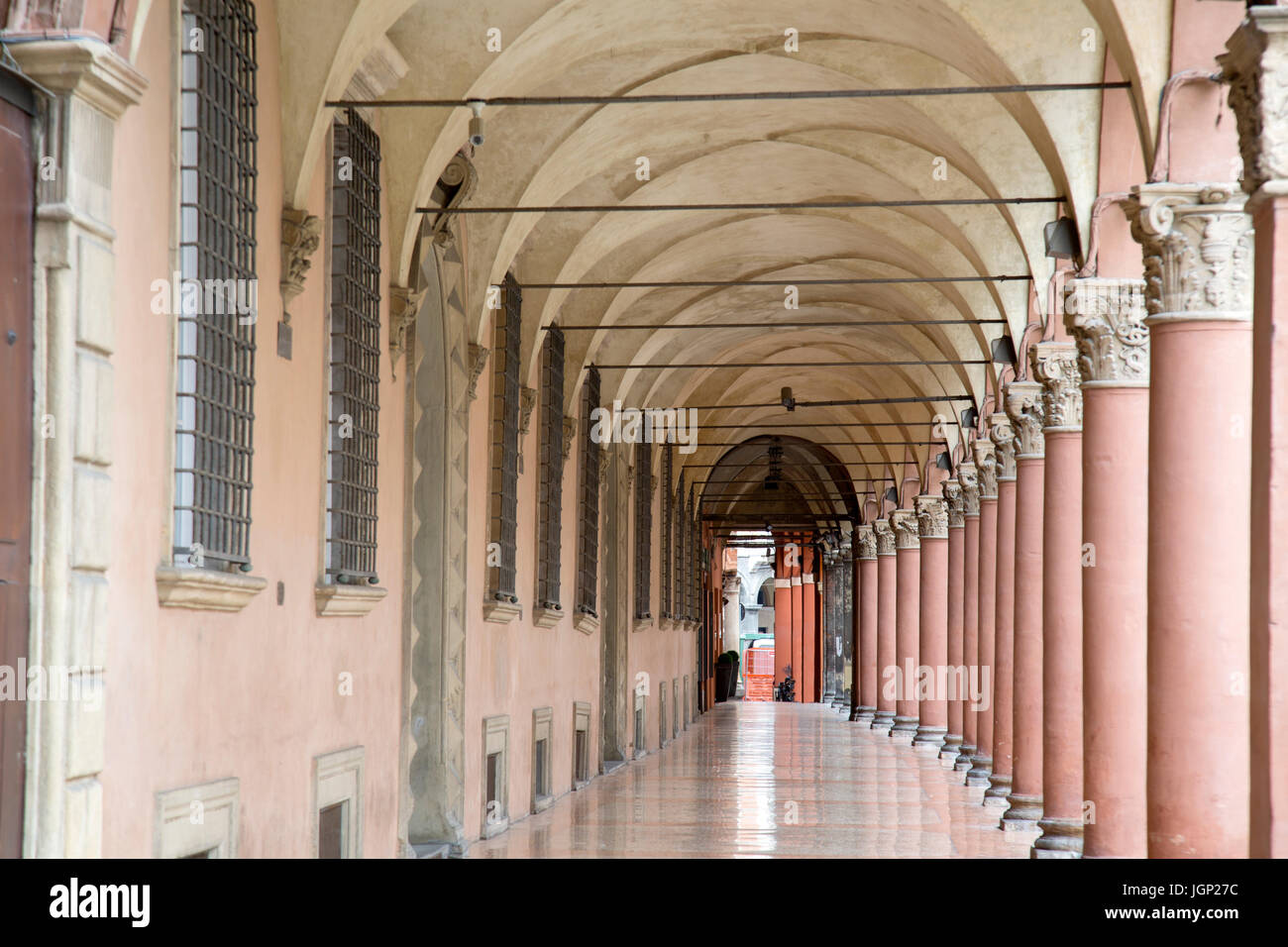
Bologna is larger than some cities on this list, but its historic center feels manageable and its covered porticoes make walking central to the experience. It is especially good for travelers who prefer food markets, local restaurants and street life over a checklist of globally famous monuments.
Build the itinerary around meals and neighborhoods
Food travel works best when every meal is not treated as a must-book event. Choose one or two important restaurant reservations, then leave space for markets, bakeries and casual local places. TourLix’s culinary travel guide can help with responsible food-focused planning.
For official city information, use Bologna Welcome.
Innsbruck, Austria: Small-City Ease With Mountain Access
Innsbruck combines a compact urban center with dramatic mountain surroundings. It suits travelers who want a city base but also value outdoor scenery. The main advantage is not that every excursion is walkable; it is that the city itself is easy to understand while regional transport opens access to wider landscapes.
Weather matters more than a fixed schedule
Mountain conditions can change quickly. Build at least one flexible block into the itinerary so a scenic or outdoor activity can move if necessary. Avoid prepaying every hour of a short trip when weather is central to the experience.
Strasbourg, France: A Walkable Historic Core With Regional Rail Options
Strasbourg offers canals, distinctive architecture, markets and strong rail connections. The historic center can be explored at a comfortable pace, while tram services and trains make it easy to reach other districts or nearby towns.
Use the city as a base, not just a stop
Instead of visiting for a few hours between larger cities, consider staying two or three nights. This gives time for neighborhoods, local food and an optional regional day trip without turning the itinerary into constant movement.
Comparison Table for Slow-Travel Planning
| City | Best for | Main planning consideration |
|---|---|---|
| Ljubljana | Relaxed walking and riverfront life | Allow time for nearby nature |
| Salzburg | Culture and regional scenery | Festival-period demand |
| Ghent | Historic city with local energy | Stay overnight for a fuller experience |
| Bruges | Architecture and canals | Midday crowd levels |
| Tallinn | Medieval heritage and design | Seasonal weather |
| Bologna | Food and street life | Restaurant demand |
| Innsbruck | City-and-mountain combination | Weather flexibility |
| Strasbourg | Walkable center and rail trips | Holiday-market crowds |
How Many Nights Should You Stay?
There is no perfect number, but smaller cities usually become more rewarding when travelers stop treating them as a race. Two nights may work for a focused break; three nights gives more flexibility; four or more nights can support day trips and slower routines.
A practical rule
If arrival and departure days are short, count them as partial days rather than full sightseeing days. A “three-day trip” with a late first arrival and early final train may really provide only one full day. This is one reason slow travelers often stay one night longer than the minimum.
Choosing Accommodation in a Smaller City
Do not automatically book beside the main landmark. Smaller cities often have excellent residential or mixed-use neighborhoods just outside the tourist core, sometimes with quieter evenings and better local dining.
Check these details
- Walking time from the main station with luggage.
- Nighttime transport frequency.
- Noise from bars, festivals or church bells.
- Access to breakfast, groceries and pharmacies.
- Whether the route involves steep hills or stairs.
TourLix’s hotel value guide offers more ideas for comparing accommodation beyond the headline price.
Use Rail to Connect Small Cities Without Overcomplicating the Trip
One of the best ways to build a slower European itinerary is to choose cities connected by direct or simple rail routes. This reduces airport transfers and can make arrival days much easier. However, train rules, reservations and passenger rights differ by country and service type.
For travel within the European Union, the European Commission’s rail passenger rights information is a useful official resource.
Slow Travel and Responsible Tourism
Staying longer in one place can create opportunities to spend more locally and reduce the pressure to rush through heritage sites, but slow travel is not automatically responsible. Behavior still matters. Respect residential areas, follow visitor rules, avoid blocking narrow streets for photographs and choose locally run experiences where appropriate.
UNESCO’s World Heritage and Sustainable Tourism Programme emphasizes tourism management that protects cultural and natural heritage while involving local communities.
A Three-Day Slow-City Template
Day 1: Orientation
Check in, walk one central area, visit a market or cafe and keep the evening local. Avoid booking a major timed attraction immediately after arrival.
Day 2: Depth
Choose one museum or cultural attraction, explore a neighborhood on foot, take a long lunch and use the afternoon for a park, waterfront or smaller site.
Day 3: Choice
Use the final full day for a short regional excursion or a second city district. If weather is poor, keep a museum or indoor option ready.
Frequently Asked Questions
Are smaller European cities always cheaper?
No. Accommodation can be expensive during festivals, holidays or major events. Compare real dates and total trip costs.
Do I need a car?
Many of the cities in this guide work well without one, especially if you stay near the center or rail station. Rural excursions may require different transport planning.
Can I combine several small cities in one week?
Yes, but avoid changing hotels every night. Two or three bases usually produce a more relaxed trip than five or six quick stops.
What is the biggest slow-travel mistake?
Trying to fill the extra time with more attractions. The value of slow travel comes from leaving room for local routines, rest and unexpected discoveries.
Actionable Conclusion
Ljubljana, Salzburg, Ghent, Bruges, Tallinn, Bologna, Innsbruck and Strasbourg each show why smaller European cities can be ideal for short breaks. Their scale makes it easier to walk, understand neighborhoods and enjoy culture without spending half the day in transit.
Choose two or three priorities, stay at least two nights when possible, use rail for simple connections and leave part of each day unscheduled. A smaller city does not need a bigger itinerary. It needs enough time for the destination to feel like a place rather than a stop.