Travel in 2026 feels a lot more personal now. People are slowly moving away from rushed sightseeing plans packed with famous spots and quick photo breaks. Instead they want trips that actually mean something where they can understand local life food traditions art and the people who live there.
In places like Kyoto, Marrakesh, and Lisbon travelers are spending more time in local neighborhoods family-run cafes small workshops and community spaces instead of staying only around tourist hotspots.
This change is also affecting how tourism businesses work. Hotels tour companies and local guides are creating smaller and more personal experiences instead of large commercial packages. Travelers care more about authenticity sustainability and real human connection now rather than luxury branding alone. Social media remote work flexibility and growing interest in cultural learning have pushed this trend even further.
Modern travelers also want experiences that feel natural not staged for tourists. They enjoy local cooking classes traditional music nights artisan workshops regional festivals and community-led tours that show everyday life honestly. Many people now build entire trips around culture itself instead of famous landmarks.
This guide looks at the authentic cultural experiences travelers are choosing most in 2026 and why these experiences keep becoming more popular around the world.
Living With Local Families Instead of Staying Only in Hotels
Travelers in 2026 are choosing local family stays more often because these experiences give them a much more real understanding of everyday life. Hotels can still be comfortable but homestays usually create deeper emotional connections and better cultural learning.
In countries like Vietnam and Peru many travelers now stay in village homestays where hosts cook local food explain traditions and share stories about their culture. Guests often join farming cooking or evening family gatherings instead of following strict tourist schedules.
Why Travelers Prefer Homestays
A lot of travelers feel disconnected in big commercial hotels. Homestays create direct interaction with local people and allow visitors to see daily routines that guidebooks rarely talk about.
Sometimes the smallest moments become the most memorable part of a trip. Sharing breakfast with a host family or learning a few local words during dinner can feel far more meaningful than standing in crowded tourist places all day.
What Makes a Good Homestay Experience
Travelers usually enjoy homestays more when they:
- Respect local house customs
- Learn simple greetings in the local language
- Join shared meals with the family
- Ask questions about traditions and everyday life
- Support small local businesses directly
Homestays also help tourism money reach local communities instead of staying only with large hotel chains.
Traditional Cooking Experiences Beyond Tourist Restaurants
Food is still one of the best ways to understand culture and travelers in 2026 want cooking experiences that feel local and genuine instead of commercial. Rather than joining huge tourist cooking schools many people now prefer small workshops led by families village cooks or local chefs.
In Bologna visitors learn handmade pasta techniques from local residents while travelers in Chiang Mai often visit farms before cooking traditional dishes using local herbs and spices.
Why Cooking Experiences Feel More Authentic
Cooking helps travelers understand ingredients traditions and social customs all together. Meals become more than just food because they reflect history climate and family life.
Many local hosts also explain why certain dishes are connected to festivals weddings or seasonal celebrations which makes the experience feel much deeper and more personal.
Experiences Travelers Now Look For
Travelers in 2026 often choose cooking activities that include:
- Visits to local markets
- Seasonal ingredients
- Small group experiences
- Traditional family recipes
- Hands-on cooking instead of only watching demonstrations
These experiences also help preserve local food traditions that might slowly disappear over time.
Exploring Neighborhood Markets With Local Guides
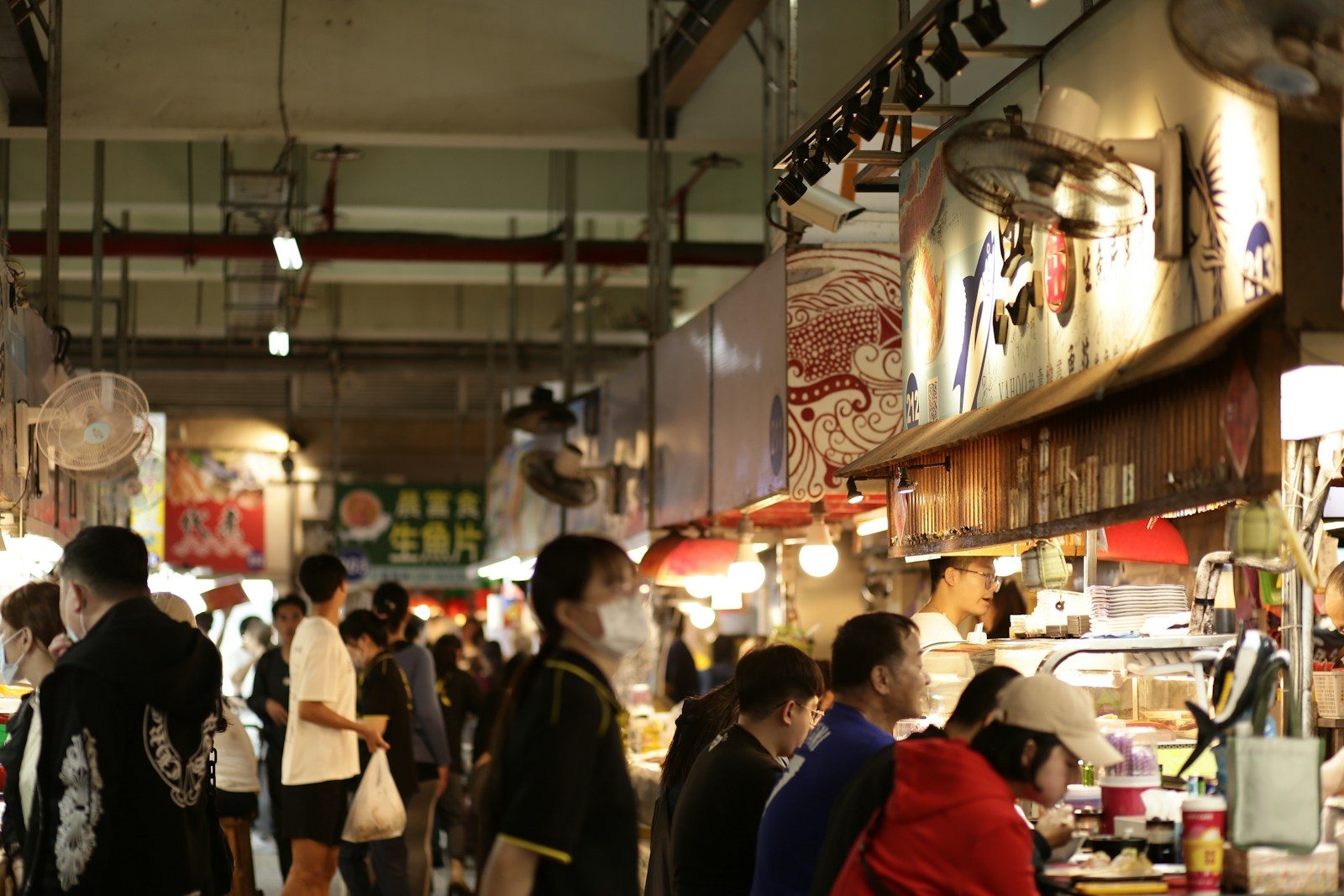
Travelers are now choosing neighborhood market tours over standard sightseeing trips because markets show how local communities actually live. Fresh produce spices street food crafts and daily shopping habits all reveal culture in a very natural way.
Places like La Boqueria and Tsukiji Outer Market are still popular but many travelers are now searching for smaller local markets away from tourist crowds.
Why Markets Feel More Real Than Attractions
Markets show everyday life without feeling staged. Visitors watch locals bargain buy ingredients prepare meals and interact with each other in ways museums and landmarks usually cannot show.
Local guides often explain regional ingredients cultural habits and traditions connected to the market which gives travelers a much better understanding of the place.
Smart Ways to Experience Local Markets
Travelers usually enjoy market visits more when they:
- Arrive early in the morning
- Taste local seasonal food
- Carry cash for small vendors
- Watch how local residents shop
- Ask vendors questions about products
Markets also help travelers support small independent sellers directly instead of spending only inside major tourist businesses.
Learning Traditional Arts and Craftsmanship
Cultural travelers in 2026 are becoming more interested in experiences where they can create something with their own hands. Artisan workshops allow visitors to learn skills connected to local identity while supporting traditional craftspeople.
In Kyoto travelers join pottery and textile workshops based on centuries-old traditions. In Mexico visitors learn weaving ceramics and folk art techniques from local artisans.
Why Handmade Experiences Matter More Now
Modern travel often feels too fast and too digital. Craft workshops slow people down and create stronger memories through direct participation.
Travelers also start appreciating the work history and skill behind handmade products which changes how they see souvenirs and local craftsmanship afterward.
Cultural Workshops Travelers Prefer
Popular hands-on experiences include:
- Pottery making
- Textile weaving
- Traditional painting
- Wood carving
- Jewelry crafting
Many travelers now prefer fewer but deeper cultural experiences instead of trying to visit too many places in one trip.
Joining Local Festivals Instead of Watching From Outside
Festival tourism keeps growing because travelers want to experience local celebrations directly instead of just watching from tourist areas. Festivals bring together music food religion dance and social traditions all in one place.
Events like Gion Matsuri and Day of the Dead attract travelers looking for true cultural immersion rather than simple entertainment.
Why Festival Participation Creates Strong Memories
Festivals involve local families neighborhoods and traditions that often go back hundreds of years. Travelers experience emotions sounds energy and community spirit that are difficult to recreate anywhere else.
These moments also create natural interaction with local people instead of formal tourist conversations.
How Travelers Can Respect Local Festivals
Responsible travelers usually:
- Learn festival etiquette before attending
- Dress respectfully for cultural settings
- Support local vendors and performers
- Avoid interrupting ceremonies for photos
- Follow instructions from local organizers
Respectful participation helps festivals stay authentic while still welcoming visitors from around the world.
Slow Village Tourism Becoming More Popular
Many travelers in 2026 are moving away from crowded cities and exploring small villages where traditions are still deeply connected to everyday life. Slow village tourism focuses on relaxation local interaction and cultural understanding instead of packed schedules.
Regions in Portugal and Indonesia are promoting community-based tourism programs that encourage visitors to stay longer and become part of local routines.
Why Travelers Want Slower Experiences
Constant movement can make travel exhausting. Village tourism offers peaceful environments where visitors can walk cook farm and spend time with local communities without pressure.
These experiences also reduce overtourism in major cities and help smaller communities benefit from tourism income.
Activities Common in Village Tourism
Travelers often take part in:
- Farming activities
- Traditional fishing
- Community cooking
- Local storytelling nights
- Regional music gatherings
Village tourism works best for people who enjoy patience conversation and meaningful cultural connection more than fast sightseeing.
Music and Dance Experiences Rooted in Local Traditions
Travelers are now looking for cultural performances that protect real local traditions instead of commercial tourist shows. Music and dance create emotional understanding of a place in a way words often cannot.
In Seville flamenco performances connected to local heritage continue attracting visitors. In Ireland traditional folk music sessions inside neighborhood pubs create warm intimate cultural experiences.
Why Live Cultural Performances Feel Meaningful
Music and dance connect history identity and community together. Travelers often remember the atmosphere and emotions more strongly than facts from regular tours.
Smaller venues also allow closer interaction between performers and audiences which makes the experience feel less commercial and more personal.
What Travelers Appreciate Most
Visitors usually value performances that include:
- Historical background and storytelling
- Local musicians instead of tourist productions
- Community participation
- Traditional instruments
- Small audience settings
Authentic performances focus more on preserving culture than creating flashy entertainment.
Community-Led Walking Tours Replacing Large Group Tours
Travelers in 2026 are choosing walking tours led by local residents instead of scripted mass-tourism operators. Community guides often share personal stories neighborhood history and hidden spots that larger tours completely miss.
In cities like Lisbon and Istanbul tours led by artists historians and local residents have become especially popular.
Why Small Local Tours Feel Better
Large group tours can feel rushed and impersonal. Smaller community-led tours encourage conversation flexibility and genuine interaction.
Local guides also recommend cafes markets bookstores and cultural spaces that travelers might never discover online.
Features Travelers Look For
Popular walking tours often include:
- Small group sizes
- Personal storytelling
- Hidden neighborhood locations
- Food or market stops
- Flexible pacing
Travelers now care more about meaningful interaction than checking famous landmarks off a list.
Cultural Wellness Experiences Connected to Tradition
Wellness travel in 2026 includes much stronger cultural elements now. Travelers are no longer interested in generic spa treatments alone. Many want wellness experiences connected to local healing traditions and community history.
In India Ayurvedic retreats continue attracting travelers interested in holistic wellness traditions. In South Korea temple stays offer meditation and mindfulness experiences connected to Buddhist practice.
Why Cultural Wellness Is Growing
Travelers want experiences that improve mental balance while also teaching them something meaningful about local culture.
Traditional wellness systems often focus on slow living nature mindfulness and healthy routines which strongly appeal to people trying to escape digital overload.
Experiences Popular Among Travelers
Cultural wellness activities now include:
- Meditation retreats
- Herbal healing workshops
- Traditional bathing rituals
- Forest walks
- Tea ceremonies
These experiences stay memorable because they combine relaxation with cultural understanding.
Ethical Wildlife and Indigenous Community Experiences
Modern travelers are becoming more careful about how tourism affects local people and the environment. In 2026 many travelers avoid exploitative attractions and instead support ethical community-led experiences.
In parts of Canada and New Zealand indigenous tourism programs allow travelers to learn local history storytelling and environmental knowledge directly from community members.
Why Ethical Travel Matters More Now
Travelers increasingly research whether experiences genuinely support local communities. Many want their tourism spending to protect culture instead of damaging it.
Community-led tourism also provides much more honest cultural understanding compared to heavily commercialized experiences.
Responsible Travel Habits Travelers Follow
Ethical travelers often:
- Choose verified local operators
- Respect photography rules
- Avoid staged cultural performances
- Learn basic community etiquette
- Support locally owned businesses
This shift is encouraging tourism companies to become more transparent and community-focused.
Regional Train Journeys That Highlight Local Life
Train travel is becoming popular again in 2026 because travelers want slower transportation that allows deeper cultural observation. Regional train routes pass through villages farms and small towns that flights completely skip.
Routes through Switzerland and Japan continue attracting travelers who enjoy scenery comfort and cultural immersion together.
Why Travelers Prefer Train Experiences
Train journeys usually feel less stressful than airports and they give travelers more chances to observe landscapes local routines and everyday life.
Passengers also interact more naturally with local residents especially during slower regional routes.
Ways Travelers Make Train Trips More Meaningful
Many travelers now:
- Stop in smaller towns between big cities
- Carry local snacks for the journey
- Use regional rail passes
- Choose daytime routes for better scenery
- Explore train stations with local food vendors
Transportation itself becomes part of the travel experience instead of just a way to reach the destination.
Cultural Night Experiences Beyond Tourist Entertainment
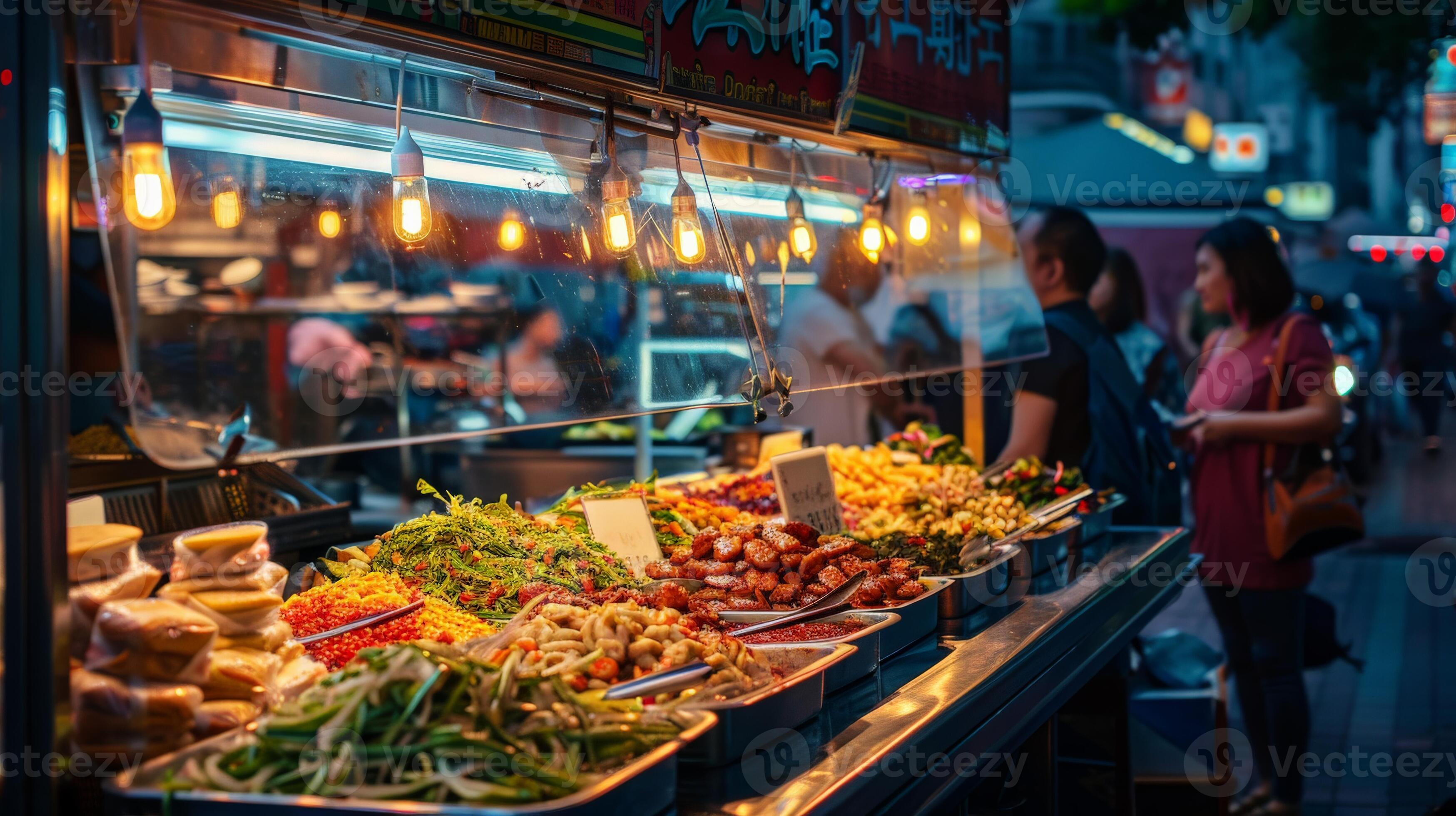
Evening cultural activities are changing beyond commercial nightlife and tourist shows. Travelers now search for authentic local experiences after sunset including storytelling events traditional music gatherings community food markets and late-night cultural walks.
In Marrakesh night markets create social experiences centered around food conversation and local culture. In Seoul late-night cultural districts combine modern creativity with traditional street culture.
Why Night Culture Feels Different
Cities often show a completely different personality after dark. Travelers notice evening habits social traditions and gathering spaces that daytime tourism sometimes misses.
Night experiences also encourage slower exploration because people stop focusing on packed sightseeing schedules.
Experiences Travelers Now Search For
Popular evening cultural experiences include:
- Traditional storytelling sessions
- Local music nights
- Community food markets
- Rooftop cultural gatherings
- Artisan night bazaars
Travelers increasingly value experiences that feel social local and community-centered rather than overly commercialized.
Conclusion
Authentic cultural travel in 2026 is all about connection participation and understanding instead of rushed tourism. Travelers are choosing experiences that allow them to engage with local communities traditions and daily life in a more honest way.
From village stays and cooking workshops to local festivals artisan classes and neighborhood tours these experiences create stronger memories because they involve real human interaction. Travelers now want slower more meaningful journeys that support local businesses and help preserve cultural identity.
This shift is also improving tourism in many destinations. Communities receive more direct economic benefits travelers enjoy deeper experiences and local traditions gain stronger visibility and support.
As travel keeps evolving authenticity will probably remain one of the biggest factors shaping global tourism. More people now want trips that feel personal respectful and culturally meaningful instead of simply popular online.