
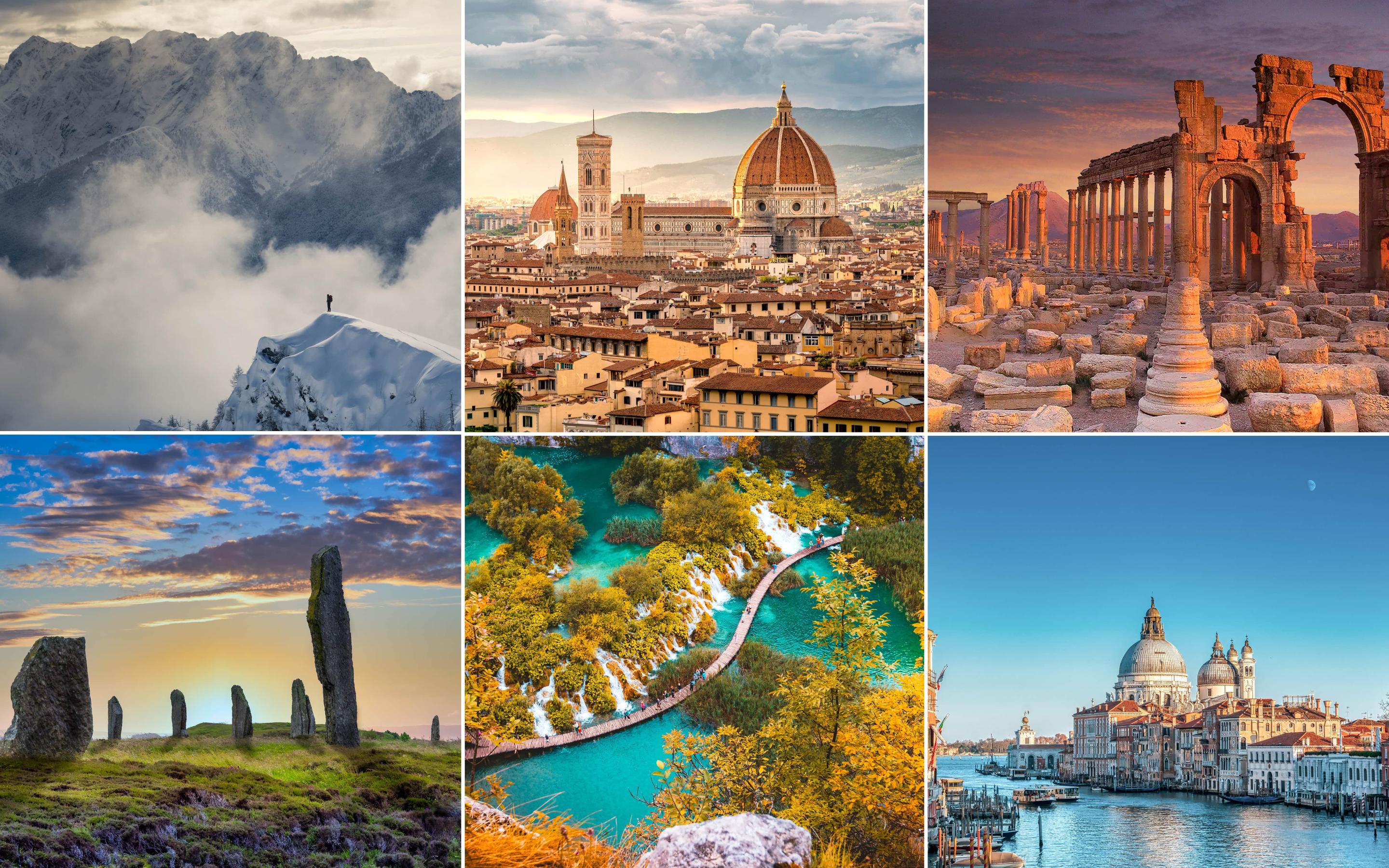
Great museum and heritage visits are rarely the ones where travelers see the highest number of rooms. They are the visits where people understand enough context to remember what they saw after leaving. A huge collection can become visual noise when every object receives ten seconds of attention, while a smaller site can be unforgettable when the visitor understands the story behind it.
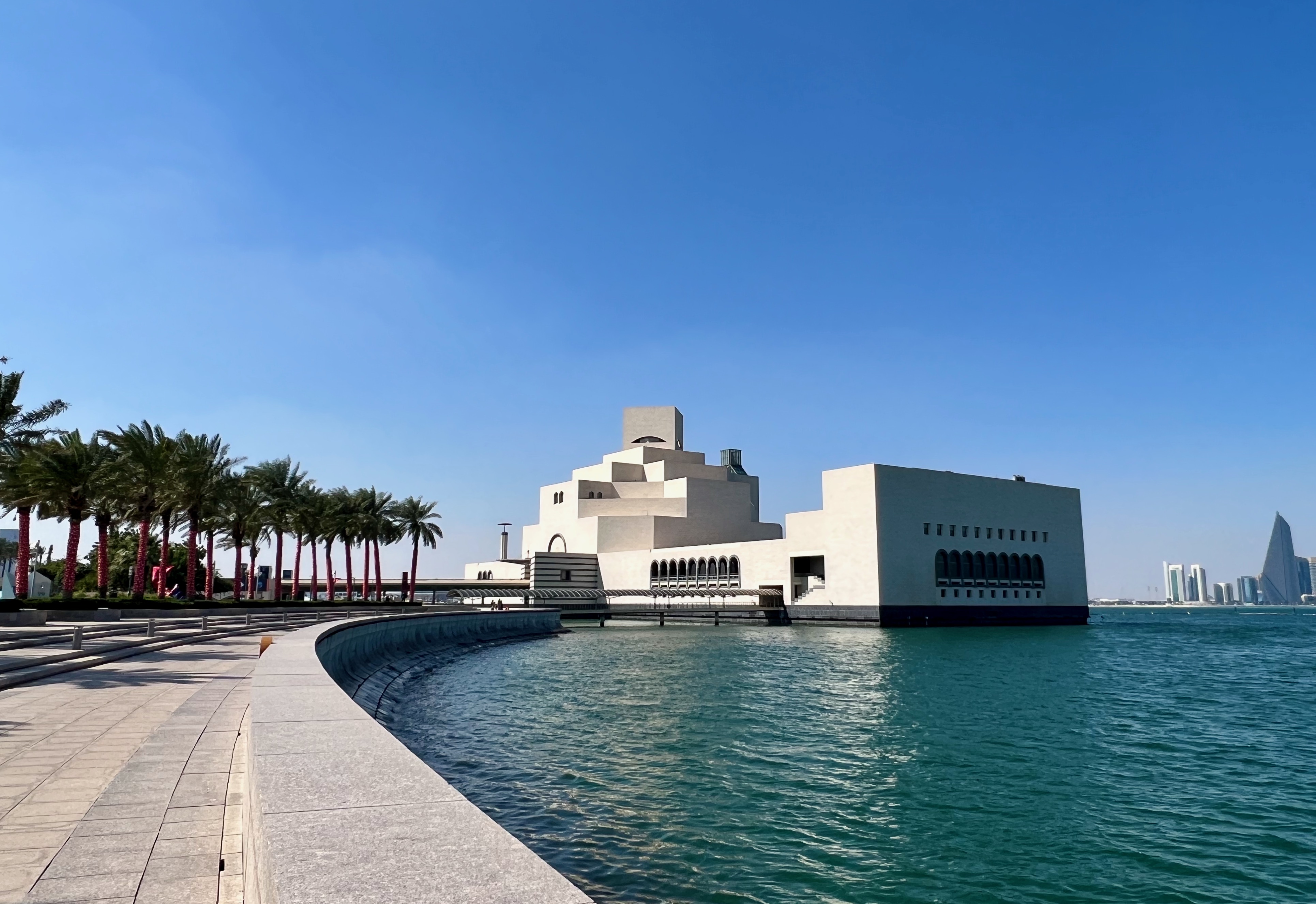
Cultural travel also comes with responsibilities. Historic buildings, archaeological sites, religious spaces and living neighborhoods are not simply tourist products. Some contain fragile objects, active worship, community memory or traditions that local people continue to practice today.
This guide explains how to get more from museums and heritage sites without turning the day into a checklist. UNESCO’s sustainable tourism work emphasizes heritage protection, local community involvement and visitor management, while its work on intangible cultural heritage reminds travelers that culture includes living skills, traditions and social practices—not only monuments.
Choose Fewer Major Sites Per Day
Museum fatigue is real. Large collections require attention, walking and standing, and the quality of a visit often drops long before the traveler realizes they are tired.
A practical cultural day
- One major museum or heritage site.
- One neighborhood walk.
- One meal or cafe break.
- One smaller flexible stop.
This creates time to process what you see rather than racing toward another reservation.
Research the Story Before the Visit
You do not need to study for hours. Ten minutes of context can transform the experience.
Learn
- Why the site exists.
- When it was built or established.
- Who created or used it.
- Why it matters locally.
- What major changes affected it.
Start with the museum or heritage site’s official website rather than a random social-media summary.
Check Closure Days Before Building the Itinerary
Museums in many cities close one day each week, and holiday schedules can differ from normal hours.
Verify close to the visit
- Opening hours.
- Weekly closure day.
- Last admission.
- Temporary gallery closures.
- Holiday hours.
- Security or bag restrictions.
A perfect itinerary fails quickly when its main museum is closed on Monday.
Use Official Ticket Channels
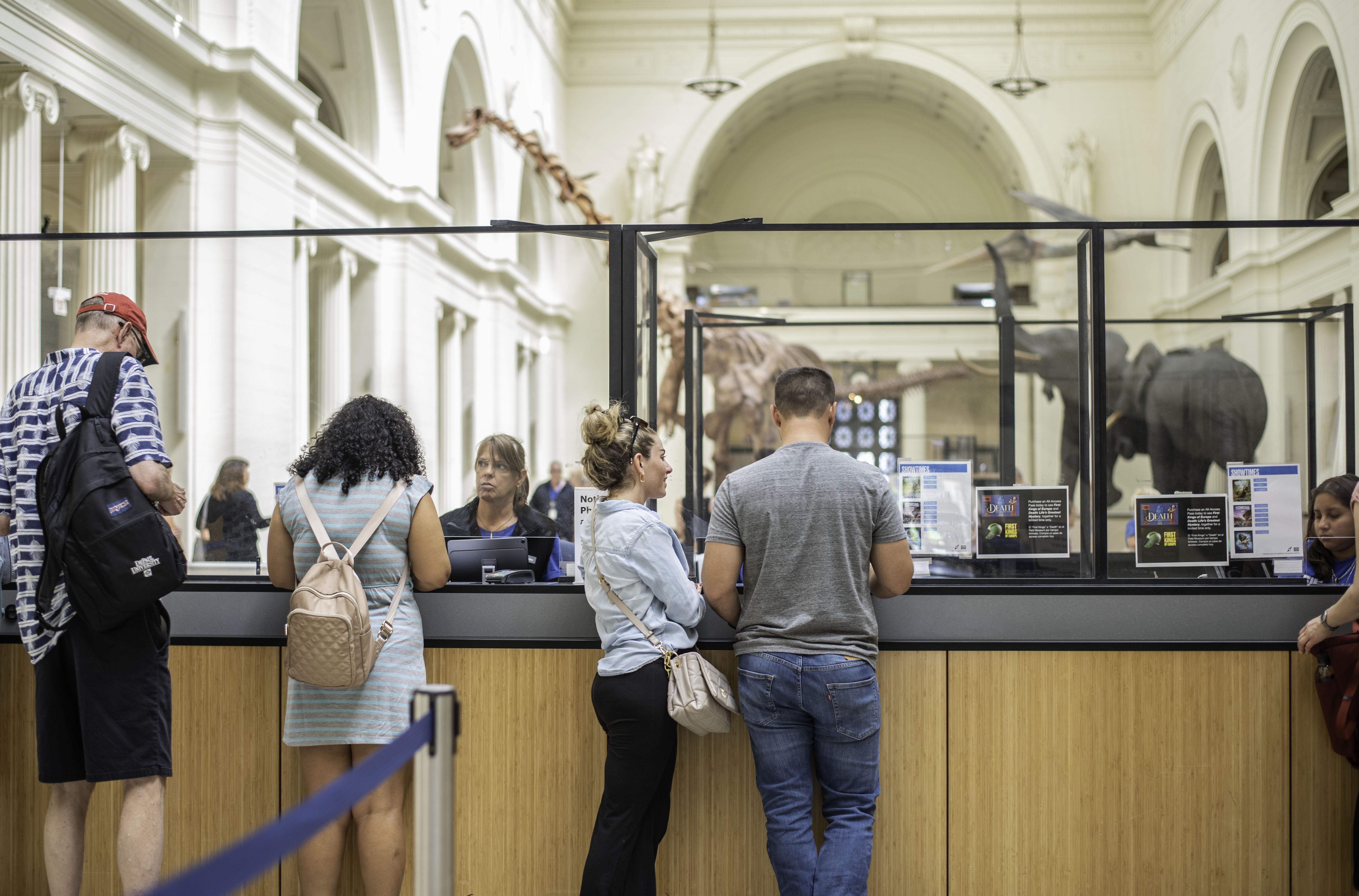
Popular sites attract unofficial ticket sellers and confusing reseller listings.
Before paying
- Confirm you are on the official site.
- Check timed-entry rules.
- Read cancellation conditions.
- Check whether children or students need identification.
- Verify what is included in a guided-tour ticket.
A cheaper unofficial listing can become expensive if the ticket is invalid or includes unnecessary fees.
Timed Entry Does Not Mean You Must Rush
A timed ticket usually controls entry, not necessarily the entire length of the visit.
Read the conditions
Know how early you should arrive and whether late entry is permitted. Do not stack another fixed reservation immediately after a major museum unless travel time is realistic.
Know the Difference Between a Museum and a Living Heritage Site
Some cultural places remain part of active community or religious life.
Examples include
- Temples and churches.
- Mosques and shrines.
- Markets.
- Traditional workshops.
- Historic residential neighborhoods.
- Festival spaces.
UNESCO defines intangible cultural heritage as living traditions, knowledge and skills recognized and transmitted by communities. Cultural respect should therefore extend beyond objects behind glass.
Use the “Three Priorities” Museum Method
Before entering a large museum, choose three collections, galleries or objects you most want to see.
Why it works
Visit your priorities while energy is high. Everything after them becomes optional rather than an obligation. This reduces the urge to rush through every floor.
Read the Museum Map Before Walking
Large institutions can occupy several buildings or floors.
Use the first five minutes strategically
- Locate your three priorities.
- Find toilets.
- Check elevators.
- Identify cafe or seating areas.
- Note temporary closures.
This prevents unnecessary backtracking later.
Audio Guide, Human Guide or Self-Guided?
| Format | Strength | Trade-off |
|---|---|---|
| Audio guide | Flexible pace | Can feel isolated |
| Human guide | Context and questions | Fixed pace and higher cost |
| Self-guided | Complete freedom | Requires more preparation |
Choose based on the complexity of the site. Archaeological ruins often become more meaningful with expert explanation, while a design museum may be easy to explore independently.
Evaluate Guides Carefully
A good guide provides context rather than repeating dates.
Look for
- Official licensing where required.
- Transparent qualifications.
- Small-group options.
- Clear duration and route.
- Reviews that mention knowledge, not only friendliness.
Private Guides Can Be Better for Specialized Interests
Travelers interested in architecture, archaeology, religious history or family learning may gain more from a specialist guide than a general sightseeing tour.
Ask about customization
A private guide can often slow down, skip inaccessible areas or focus on one theme, which may justify the higher price for a small group.
Respect Photography Rules
Photography can be restricted because of conservation, copyright, privacy, worship or crowd management.
Follow signs even when others do not
Do not use flash where prohibited, cross barriers for a better angle or photograph restricted ceremonies. A visitor breaking the rule does not create permission for everyone else.
Do Not Touch Objects or Historic Surfaces
Oil, dirt and repeated physical contact can damage fragile material over time.
Barriers are part of conservation
Stay behind ropes, avoid leaning on historic walls and do not place bags on display surfaces.
Religious Sites Need Additional Respect
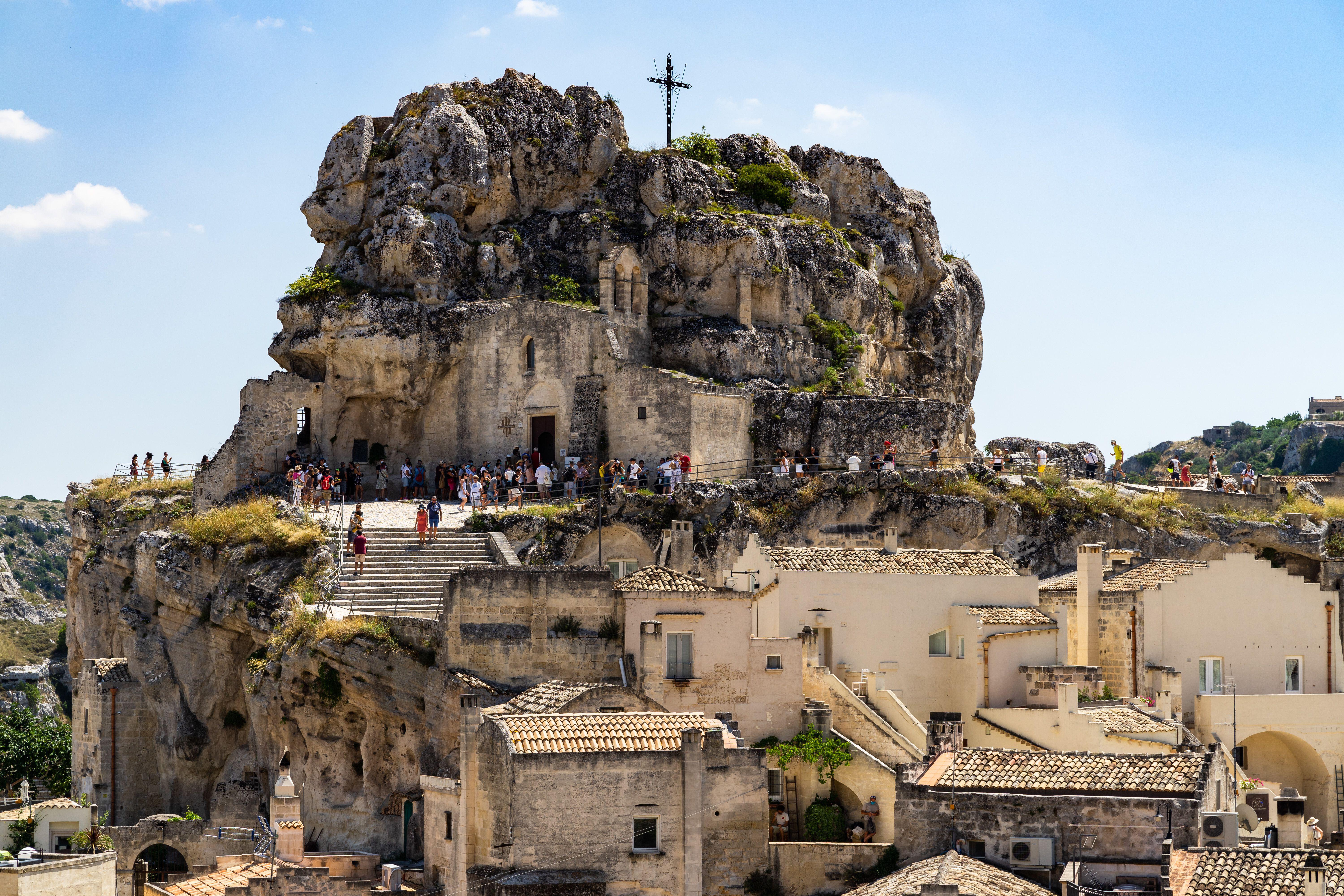
A famous cathedral or temple may still function primarily as a place of worship.
Basic etiquette
- Follow clothing requirements.
- Keep voices low.
- Respect prayer areas.
- Do not block worshippers.
- Observe photography restrictions.
- Do not treat rituals as performances staged for visitors.
Heritage Neighborhoods Are People’s Homes
Tourism pressure can be especially difficult in narrow historic districts.
Avoid
- Blocking residential doorways.
- Entering private courtyards.
- Speaking loudly late at night.
- Using homes as photo props.
- Flying drones without authorization.
UNESCO’s World Heritage and Sustainable Tourism Programme emphasizes destination management that involves local communities rather than treating heritage only as a visitor attraction.
Build Rest Into Large Museums
Many travelers stop absorbing information long before they leave.
Take a deliberate break
After roughly one major section, sit, drink water or use the museum cafe if available. A short reset can make the second half more meaningful.
Read Less, Notice More
Trying to read every wall label can be exhausting.
Use selective attention
Choose objects that genuinely interest you. Read those labels carefully and let other works be visual experiences. A museum visit is not an exam.
Use Museum Apps Selectively
Official apps can provide maps, audio guides and accessibility information.
Avoid staring at the phone all day
Download useful content before the visit, then use the app as a tool rather than making the screen the main experience.
Accessibility Should Be Planned Before Arrival
Historic sites may have stairs, uneven surfaces or limited elevator access.
Check
- Step-free entrance.
- Elevators.
- Accessible toilets.
- Wheelchair loans.
- Seating availability.
- Audio-description or sign-language services.
- Quiet hours or sensory accommodations where offered.
Family Museum Visits Need Different Pacing
Children do not need to see the entire collection.
Better family strategy
- Choose one theme.
- Use interactive galleries.
- Take snack breaks.
- Keep the visit shorter.
- Let children choose one object to learn about.
Teenagers Often Benefit From Choice
Instead of forcing every gallery, let older children select one section or exhibition that interests them.
Build shared ownership
A family cultural day works better when every traveler contributes one priority.
Do Not Overschedule Timed Tickets
Three timed attractions in one day create a chain reaction when the first visit runs late.
One anchor booking per half-day
Use flexible neighborhoods and public spaces around major reservations.
TourLix’s multi-city planning guide uses the same principle for broader itineraries.
Understand Repatriation and Contested Heritage Context
Museum collections can have complicated histories involving colonialism, excavation, conflict and ownership disputes.
Use curiosity rather than assumptions
Read the institution’s provenance information and credible scholarship when a collection raises questions. Cultural institutions increasingly publish more context about how objects were acquired.
Support Local Culture Beyond Major Museums
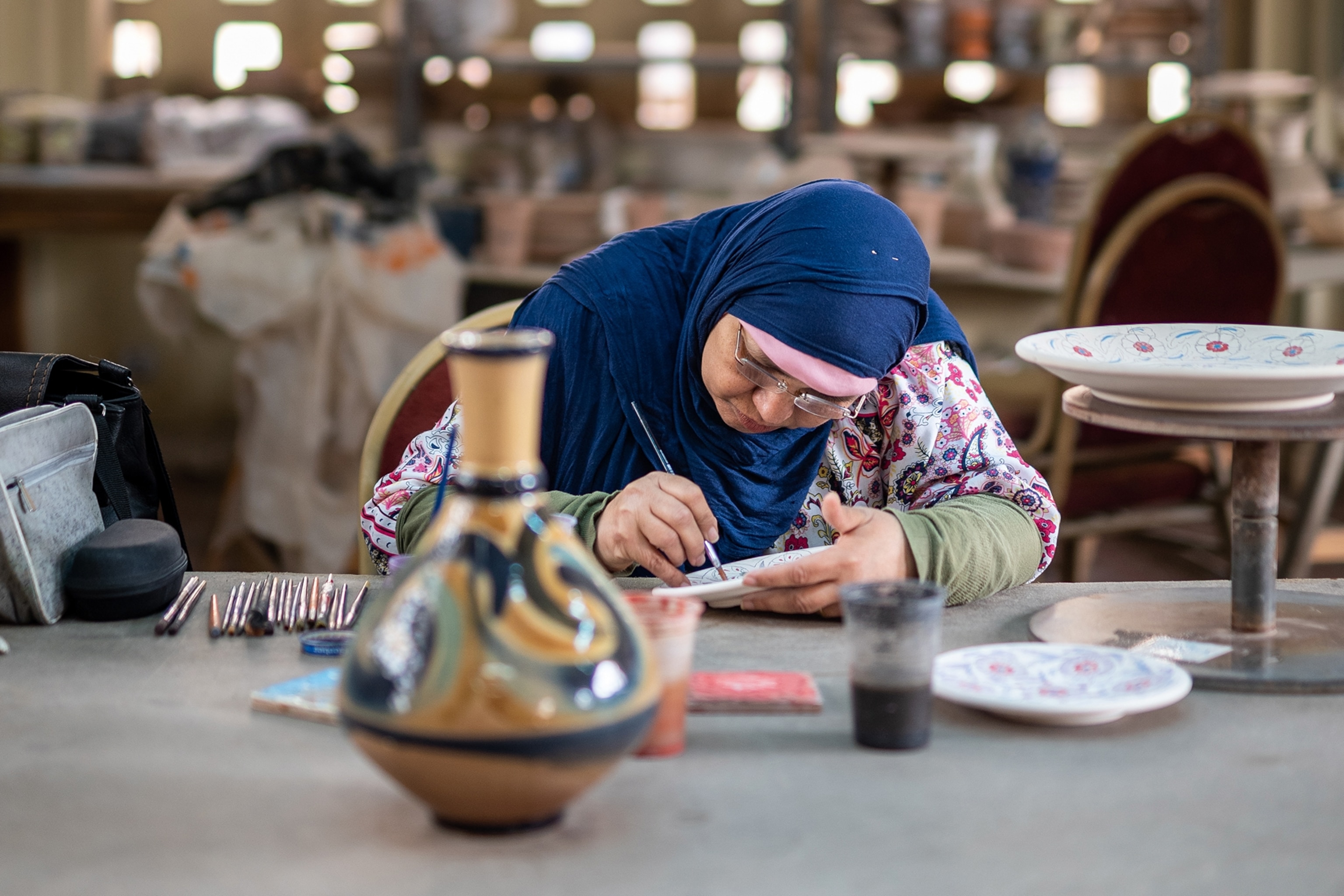
Large institutions receive most visitor attention, but culture also lives in small galleries, workshops, local theaters and community museums.
Consider adding
- Small local museum.
- Craft workshop.
- Independent gallery.
- Community-led walking tour.
- Traditional performance with clear local stewardship.
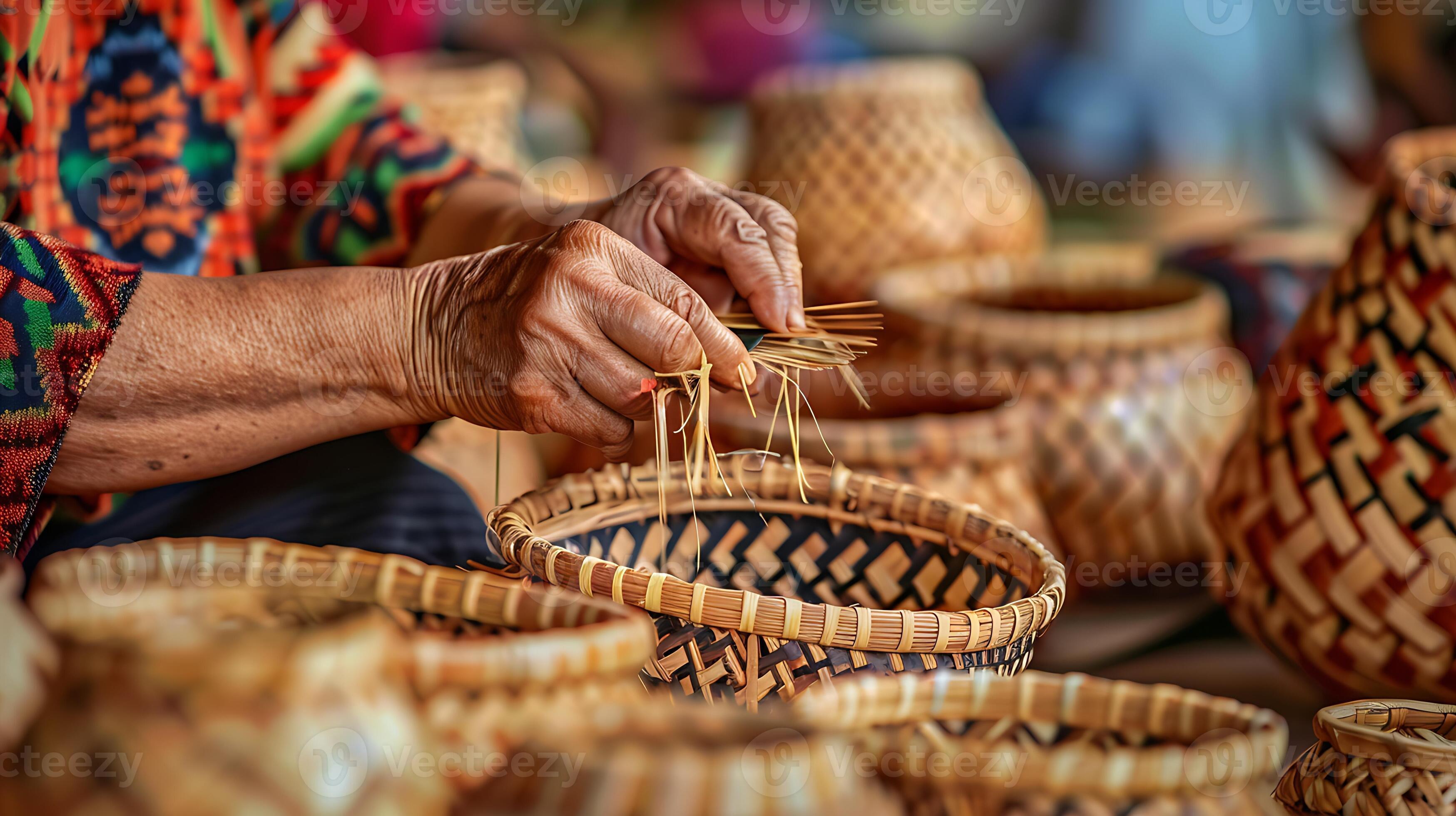
UNESCO’s community heritage work in Taj Ganj, Agra has highlighted a model where artisans and residents become interpreters of their own living heritage rather than invisible background to monuments.
Combine Museums With Neighborhood Context
A museum visit often makes more sense when followed by a walk through the district connected to the story.
Examples
- Art museum plus artists’ quarter.
- Maritime museum plus historic harbor.
- Industrial museum plus former factory district.
- Food museum plus traditional market.
This turns objects into part of a larger place-based story.
Museum Shop Purchases Can Support Institutions—but Shop Thoughtfully
Museum shops often fund institutional activities and can offer locally produced goods.
Check product origin
When buying craft-inspired items, look for transparent information about the maker and source rather than assuming every souvenir supports local artisans.
Do Not Eat or Drink Where It Is Prohibited
Food can attract pests and damage collections.
Use designated spaces
Even a small water bottle may be restricted in certain galleries. Follow site rules.
Heritage Site Clothing and Weather
Outdoor archaeological sites can involve far more sun and walking than expected.
Bring
- Comfortable shoes.
- Sun protection.
- Water where permitted.
- Weather layer.
- Small bag that complies with site rules.
Cultural Visit Planning Table
| Visit type | Ideal planning focus |
|---|---|
| Large museum | Three priorities + rest break |
| Archaeological site | Context, weather, guide quality |
| Religious site | Dress, worship etiquette, photo rules |
| Historic neighborhood | Resident privacy and local businesses |
| Living craft site | Community-led interpretation and fair purchasing |
Before-Visit Checklist
- Check official opening hours.
- Buy tickets from a legitimate source.
- Read bag and photography rules.
- Check accessibility.
- Learn basic historical context.
- Choose three priorities.
- Plan a break.
- Respect living cultural and religious use.
- Leave flexibility after the visit.
Frequently Asked Questions
How long should I spend in a museum?
It depends on size and interest. Two focused hours can be better than five exhausted hours. Large institutions may reward multiple visits.
Are guided tours worth it?
They are particularly valuable at complex historical and archaeological sites when the guide is qualified and the group size is manageable.
Can I photograph museum objects?
Only where the institution permits it. Rules can vary by gallery or exhibition.
How many museums should I visit in one day?
For most travelers, one major museum plus a smaller cultural stop is enough. More can work if museums are your primary interest and you pace yourself.
Actionable Conclusion
The best cultural visits are built around attention, not quantity. Choose fewer sites, learn a little context, use official tickets and follow conservation, photography and worship rules. Give yourself enough time to notice what makes a place important.
Then look beyond the famous monument. Small museums, local guides, artisans and living traditions can reveal the cultural story that major landmarks alone cannot tell. Heritage travel becomes richer when visitors see culture as something communities continue to create—not something that ended in the past.








One Comment