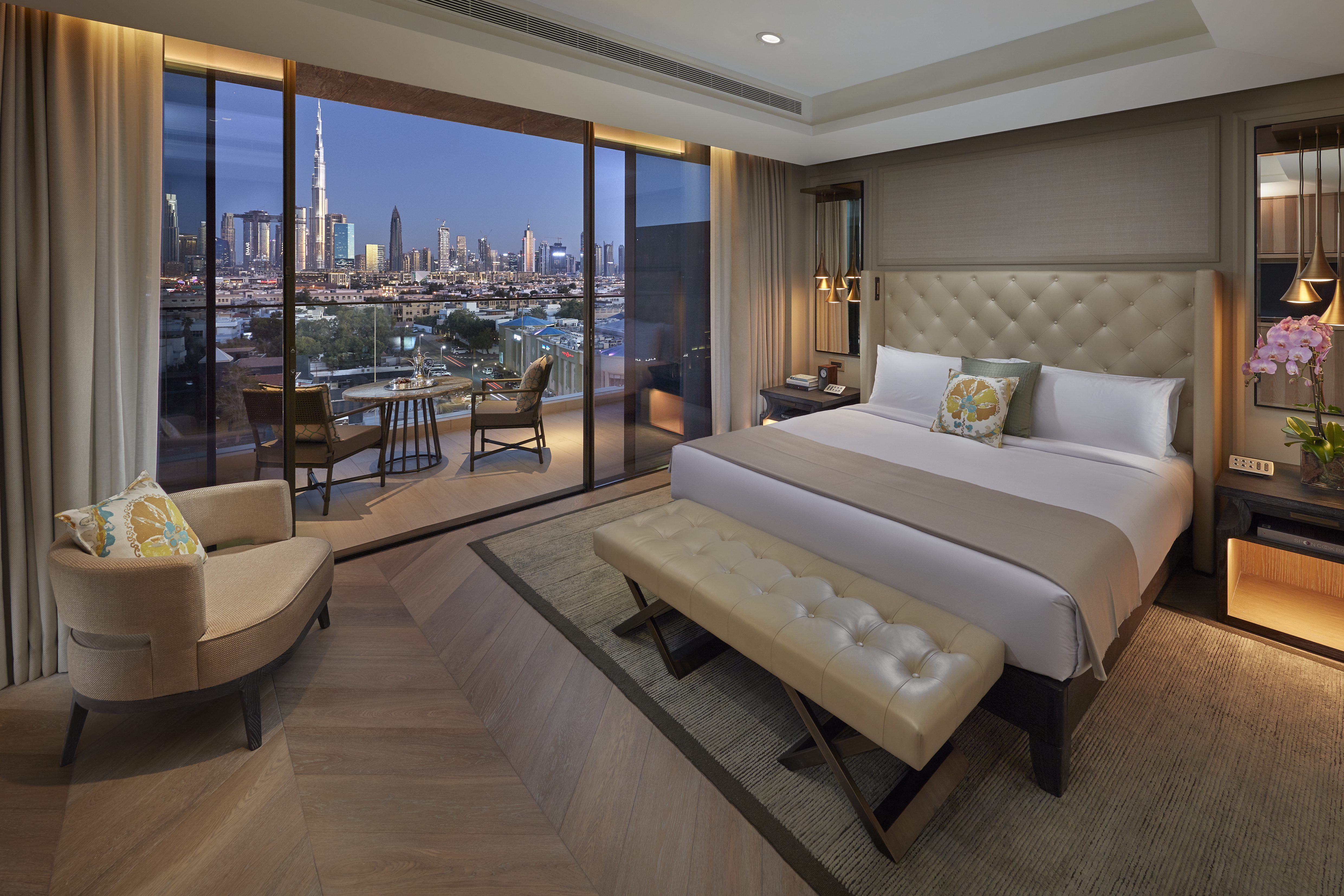

Travelers often describe boutique hotels as more authentic and chain hotels as more predictable. Both ideas can be true, but neither tells the whole story. A small independent property can offer memorable design and personal service while struggling with accessibility, late-night staffing or standardized room features. A large chain hotel can feel familiar while providing reliable bedding, loyalty benefits, business support and a front desk that solves problems at 2 a.m.

The right choice depends on the trip. A honeymoon, business conference, family vacation, workcation and one-night airport stop do not need the same kind of hotel. Instead of choosing a category first, compare the features that will affect your actual stay.
This guide compares boutique and chain hotels using practical criteria rather than stereotypes. TourLix readers can also use our hotel comparison framework and boutique hotel trends article.
What Is a Boutique Hotel?
Boutique hotels are generally smaller properties with distinctive design, local character or a more individualized service style. There is no universal definition applied across every country or booking platform.
Common boutique features
- Smaller room count.
- Distinctive interiors.
- Neighborhood-focused location.
- Independent or small-brand identity.
- Personalized service.
- Local food, art or design references.
Not every small hotel is boutique, and not every boutique property is independently owned. Large hotel groups increasingly operate boutique-style collections.
What Is a Chain Hotel?
A chain hotel belongs to a larger brand or hotel group with multiple properties. Standards, reservation systems, corporate policies and loyalty programs may be shared across locations.
Common chain features
- Standardized room categories.
- Central booking system.
- Loyalty program.
- Brand service standards.
- Business facilities.
- Broader geographic network.
Consistency: Chains Often Have the Advantage
Travelers frequently choose chains because they know roughly what to expect. A familiar brand can reduce decision fatigue during a complicated itinerary.
Consistency can include
- Bed quality.
- Room amenities.
- Check-in process.
- Wi-Fi systems.
- Breakfast format.
- Accessibility standards.
- Complaint and service procedures.
Consistency is particularly valuable during business travel or late arrivals when surprise is not desirable.
Character: Boutique Hotels Often Feel More Distinctive
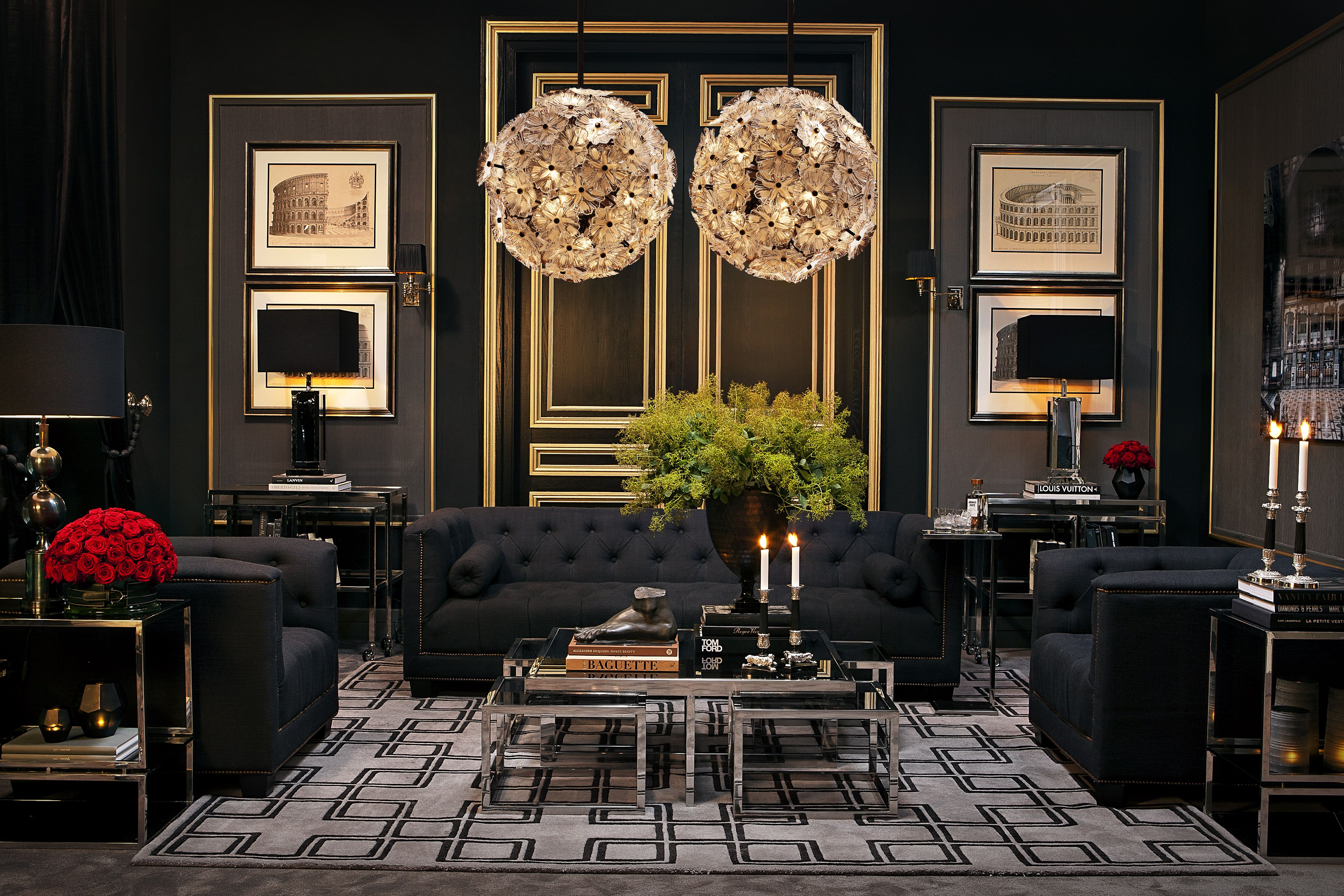
A boutique property can feel connected to the architecture and culture of its neighborhood. Historic buildings, local art, smaller restaurants and regional design can make the hotel part of the destination.
The trade-off is variation
Rooms in converted historic buildings may differ in size, ceiling height, bathroom layout and elevator access. Read the exact room description rather than assuming every room matches the main photographs.
Location Matters More Than Hotel Type
Boutique hotels are often found in historic or creative districts, while chains can cluster near business areas, transport hubs, airports and shopping centers. Either can have an excellent or inconvenient location.
Choose based on your daily route
A unique boutique hotel is not useful if it creates a long commute to every planned activity. TourLix’s hotel neighborhood guide can help evaluate location using arrival, sightseeing and evening routes.
Room Size: Do Not Assume
Historic boutique hotels can have compact rooms, but modern chain hotels can also be very small in expensive city centers.
Compare measurable details
- Square meters or square feet.
- Bed dimensions.
- Storage.
- Desk space.
- Bathroom layout.
- Window or view type.
Marketing names such as “superior” or “executive” are not universal size standards.
Service Style Can Feel Very Different
Boutique service can feel personal because staff work with fewer guests. Chain hotels may have more formal departments and service procedures.
Boutique strengths
- Local recommendations.
- Personal recognition.
- Flexible small-team service.
- Distinctive welcome experience.
Chain strengths
- 24-hour staffing at many properties.
- Formal complaint processes.
- Dedicated concierge or business desk.
- Brand-level support.
Loyalty Programs Favor Chains
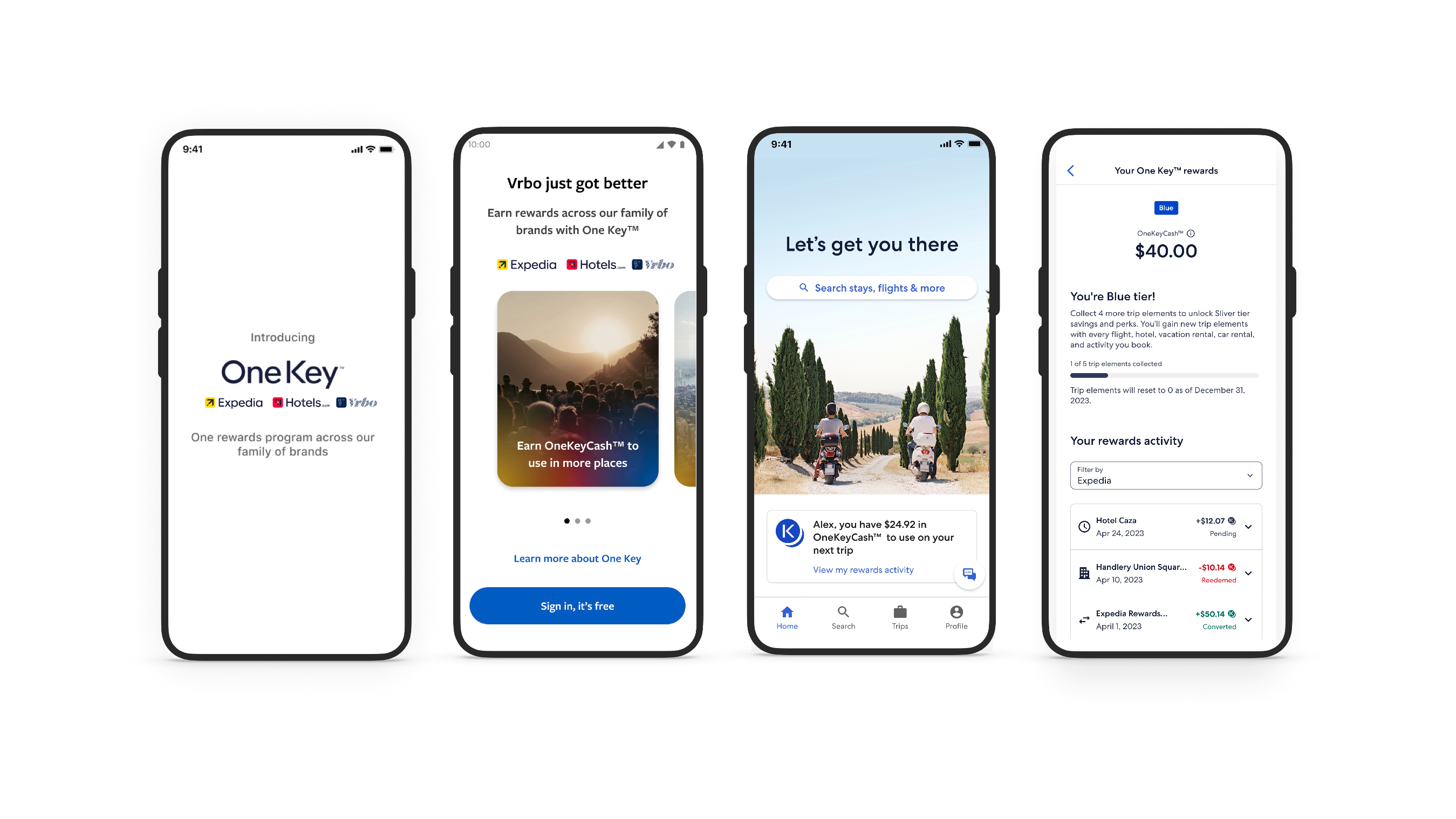
Frequent travelers can benefit from points, upgrades, late checkout, free breakfast or elite status depending on the program.
Ask whether loyalty actually matters to you
If you travel only once or twice a year, local experience may matter more than points. Frequent business travelers can get significant value from repeatedly staying within one network.
Direct Booking Benefits Can Differ
Chain websites may offer member rates or points, while independent boutique hotels may provide flexible communication, room preferences or local extras for direct bookings.
Compare the same conditions
- Room category.
- Breakfast.
- Taxes and fees.
- Cancellation.
- Payment timing.
- Loyalty benefits.
Do not compare a refundable direct rate with a nonrefundable third-party rate as though they are identical.
Breakfast: Local Character vs Predictability
A boutique breakfast may emphasize local products and a smaller menu. A chain buffet may provide wider choice and predictable opening hours.
Value depends on your schedule
Early business travelers and families may value a reliable buffet. Leisure travelers in a cafe-rich neighborhood may prefer room-only rates and local breakfast.
Business Travel Often Favors Chains
Business travelers frequently need reliability more than atmosphere.
Useful chain features
- Meeting rooms.
- Business center.
- Early breakfast.
- Airport transport.
- Corporate rates.
- Loyalty benefits.
- Predictable invoicing.
Boutique hotels can still be excellent for work when Wi-Fi, desk space and transport are strong.
Leisure Travel Can Favor Boutique Properties
For a romantic or cultural city break, the hotel itself may be part of the memory.
Useful boutique strengths
- Distinctive neighborhood.
- Design and atmosphere.
- Local bar or restaurant.
- Smaller common areas.
- Personal recommendations.
Families Need Practical Features More Than Identity
A boutique property can be charming but lack connecting rooms, cribs or elevators. A chain can have strong family facilities but be located in a business district with little nearby food.
Families should compare
- Bed layout.
- Cribs.
- Elevator access.
- Breakfast.
- Laundry.
- Pool safety.
- Connecting rooms.
Use TourLix’s family hotel checklist for a full comparison.
Accessibility Can Favor Modern Buildings—but Verify
Large modern hotels may be more likely to have standardized accessible rooms, while historic boutique buildings can face structural constraints. However, category alone proves nothing.
Ask about the exact feature you need
- Step-free entrance.
- Elevator dimensions.
- Accessible bathroom.
- Door width.
- Parking or drop-off access.
- Accessible public transport nearby.
Facilities: Chains Often Offer More
Larger properties may have gyms, pools, club lounges, multiple restaurants and conference spaces.
Ask whether you will actually use them
Paying indirectly for a pool and large gym provides little value if you spend every day exploring the city. A boutique hotel with no gym can be better value when the location is excellent.
Boutique Hotels Can Integrate More Closely With Neighborhoods
Smaller properties may work with local cafes, guides, artists and suppliers.
Look for evidence
- Local art identified by maker.
- Regional food suppliers.
- Neighborhood guides.
- Locally led tours.
- Community partnerships.
This can support more locally connected travel when partnerships are genuine rather than decorative marketing.
Chains Can Support Local Communities Too
A large brand is not automatically disconnected from its destination. Local hiring, regional food sourcing and community programs can vary substantially from one property to another.
Judge the individual hotel
Look for specific local purchasing and employment information rather than assuming ownership structure determines community impact.
Sustainability: Judge Evidence, Not Size
Both boutique and chain hotels can have strong or weak sustainability practices.
Compare
- Energy management.
- Water use.
- Waste reduction.
- Local sourcing.
- Certification.
- Transparent reporting.
TourLix’s sustainable hotel guide explains how to evaluate green claims without relying on labels.
Problem Resolution Can Be Different
Chains often have central customer-service systems and escalation paths. Boutique hotels may allow direct communication with managers or owners.
Review management responses
How a hotel handles recent complaints can be more revealing than the brand type. Look for specific, professional responses rather than generic apologies.
Price Does Not Follow a Simple Rule
Boutique hotels are not always expensive, and chains are not always budget-friendly. Location, season, events and room supply matter more.
Compare final value
- Final room price.
- Breakfast.
- Transport.
- Parking.
- Resort fees.
- Loyalty benefits.
- Cancellation.
Boutique vs Chain Comparison Table
| Factor | Boutique hotel | Chain hotel |
|---|---|---|
| Consistency | Varies | Usually stronger |
| Local character | Often stronger | Varies by property |
| Loyalty benefits | Limited | Often strong |
| Facilities | Usually fewer | Often more |
| Room uniformity | Can vary | Usually predictable |
| Personal service | Often strong | Depends on property |
| Business support | Varies | Often strong |
Which One Should You Choose?
Choose boutique when
- The hotel experience is part of the trip.
- You value design and local atmosphere.
- You prefer smaller properties.
- You want neighborhood recommendations.
Choose chain when
- You value consistency.
- You travel for work.
- Loyalty benefits matter.
- You need specific facilities.
- You arrive late and want 24-hour support.
A Simple Seven-Point Decision Test
- Which hotel has the better location?
- Which room fits your needs?
- Which has better recent review patterns?
- Which final price includes more useful benefits?
- Which cancellation policy suits your risk?
- Which property supports sleep and daily routine better?
- Which removes more trip friction?
If one hotel wins most of those questions, the boutique-versus-chain label matters much less.
Frequently Asked Questions
Are boutique hotels always independent?
No. Some belong to larger hotel groups or collections while maintaining a distinctive identity.
Are chain hotels boring?
Not necessarily. Many chains operate design-led or locally inspired properties. Judge the individual hotel.
Which is better for families?
The property with the right beds, room size, location and family facilities—regardless of category.
Which is better for business travel?
Chains often provide predictable business services, but a boutique hotel with strong Wi-Fi, desk space and location can work equally well.
Actionable Conclusion
Boutique and chain hotels offer different strengths, but the difference should not control the decision. A boutique stay can provide atmosphere and personal service; a chain can provide consistency, facilities and loyalty value.
Compare the actual property, not the label. If the location, room, sleep quality, service, cancellation terms and total price fit your trip, you have found the right hotel—whether it belongs to one international brand or one local owner.