A lot of people no longer want packed schedules loud tourist places or crowded beaches during the hottest part of the day. Instead travelers are starting to enjoy slower and more meaningful experiences after sunset. Because of this noctourism has become one of the biggest travel trends right now.
It focuses on nighttime experiences like stargazing moonlit walks night safaris astronomy stays cultural festivals and after dark city tours.
Major travel reports now show strong interest in nighttime travel. Surveys from global booking platforms found that more than half of travelers want dark sky trips and activities built around the night. Travel companies have also reported steady growth in guided night tours especially in places known for clear skies peaceful surroundings and cooler weather.
The reason is pretty simple. Nights feel cooler quieter and less stressful. Travelers avoid heat crowds and nonstop noise while still exploring culture nature and local life. Destinations across India Iceland Japan Finland and Australia are now creating tourism experiences around darkness instead of daylight.
This trend is not really about nightlife or partying. It reflects a bigger need for calm rest and emotional connection while traveling. For many people the night itself has become part of the destination.
Travelers Want Calm Instead of Constant Activity
Modern travel can feel exhausting. Airports stay crowded famous attractions become packed and many itineraries leave almost no time to relax. Noctourism offers a slower pace that feels easier both mentally and physically.
Why Slower Travel Feels More Meaningful
Many travelers now prefer experiences where they can slow down instead of rushing from one attraction to another. Evening activities naturally create that slower feeling. Sitting quietly under desert stars or walking beside a calm river at night feels much more personal than joining a crowded daytime tour.
Travel companies have noticed this shift too. Reports from 2025 and 2026 show growing interest in wellness travel quiet trips and nature focused experiences after dark.
The Emotional Side of Night Travel
Nighttime changes the way places feel. Cities become softer. Historic buildings feel more atmospheric. Forest sounds become clearer. People often feel more connected because there are fewer distractions around them.
For example visitors in Jaipur now book illuminated heritage walks at night instead of daytime fort tours. In Varanasi travelers gather for evening rituals along the ghats because the atmosphere feels calmer and more emotional after sunset.
Some dark sky resorts even encourage guests to disconnect from phones and spend more time outside. Travelers are starting to value silence and darkness in the same way people once valued luxury spas or beach clubs.
As travel becomes more stressful in crowded destinations nighttime experiences are starting to feel like a practical solution instead of just another trend.
Climate Change Is Changing Travel Hours
Extreme heat has changed the way people explore destinations. In many countries daytime temperatures now make sightseeing uncomfortable for long hours. Travelers are adjusting by moving activities into the evening and nighttime.
Cooler Nights Create Better Experiences
Heat waves across Europe the Middle East and parts of Asia pushed travelers toward cooler schedules. Night tours evening food markets and late night cultural events now attract bigger crowds because temperatures feel more manageable after sunset.
Destinations in India are seeing this change clearly. Travelers exploring desert areas in Rajasthan or heritage cities in central India often choose nighttime activities to avoid the harsh afternoon heat.
Tourism Businesses Are Adjusting Quickly
Hotels safari operators and travel companies are redesigning schedules around evening experiences. Some national parks now offer regulated night safaris. Museums in Europe host late night viewing hours. Desert camps in the Middle East organize astronomy evenings instead of daytime excursions.
Travel businesses see this as both practical and profitable. Evening tourism spreads visitors across more hours and creates new experiences without needing completely new attractions.
Real examples already show this shift:
- Night safaris near Indian national parks now attract wildlife photographers
- Midnight food tours in Singapore keep growing because travelers avoid daytime humidity
- Moonlight kayaking tours are becoming more common in eco tourism destinations
Climate conditions will probably push this trend even further in the future. Night travel is becoming a smart response to changing weather patterns not just a fashionable travel idea.
Stargazing Has Become a Huge Tourism Industry
One of the biggest reasons behind noctourism is the rise of astrotourism. Travelers now plan entire vacations around dark skies meteor showers eclipses and astronomy experiences.
Darkness Has Become Rare
Light pollution has made clear night skies difficult to see in most cities. Because of this places with natural darkness now feel rare and valuable. Travelers actively search for destinations with low light pollution and certified dark sky areas.
Darkness itself has become the attraction.
Hotels and Resorts Now Build Around the Night Sky
Luxury resorts and eco lodges increasingly offer astronomy based experiences like:
- Telescope sessions with experts
- Glass roof cabins
- Stargazing decks
- Guided meteor shower events
- Night photography workshops
Places like Ladakh Spiti Valley and Iceland have become famous for dark sky tourism.
Travel reports also show that many travelers now check moon phases before booking trips. Some even plan vacations around new moon periods to get the clearest skies possible.
This creates a very different kind of travel planning. Instead of choosing destinations only for beaches or landmarks people now choose based on astronomy conditions and night visibility.
The growth of ISRO missions and rising public interest in space has also increased awareness in India. Younger travelers increasingly see stargazing as both relaxing and educational.
Social Media Helped Make Night Experiences Popular
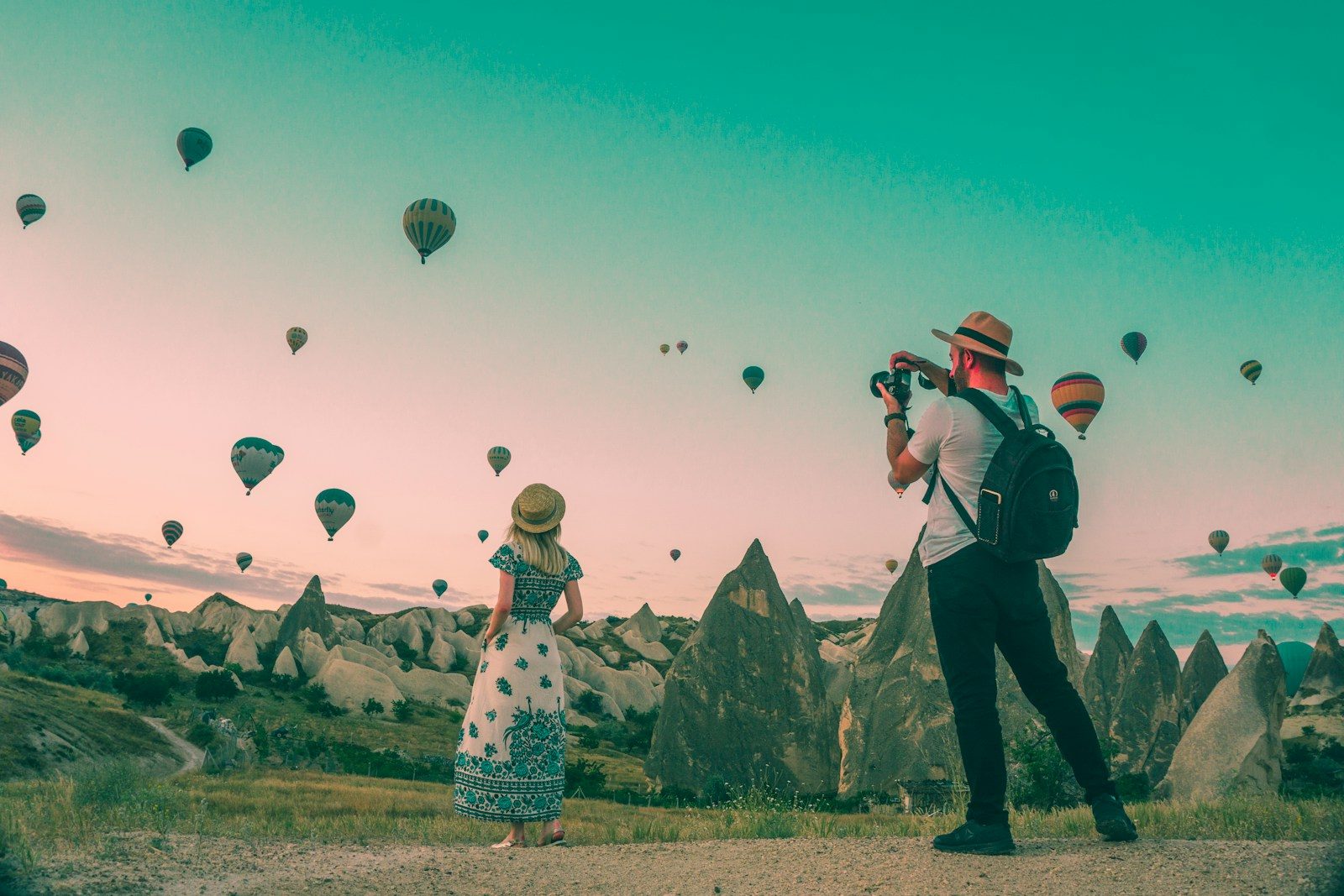
Travel trends often grow through visual storytelling and noctourism fits perfectly into social media culture. Night skies glowing cities lantern festivals and moonlit landscapes create strong visual appeal.
Night Photography Feels More Personal
Travelers want experiences that feel different instead of repetitive. A crowded beach photo usually looks like thousands of others online. A Milky Way photo above a mountain village feels more unique and memorable.
Platforms like Instagram and YouTube helped popularize:
- Aurora trips in Scandinavia
- Bioluminescent beaches
- Desert night camps
- Night markets
- Rooftop astronomy sessions
- Moonlit wildlife tours
These experiences create emotional images instead of typical tourist photos.
Travelers Now Chase Rare Moments
Modern travelers increasingly prefer experiences that cannot happen every day. Meteor showers lunar eclipses northern lights and seasonal night festivals create a feeling of urgency and exclusivity.
Tourism around the Northern Lights in Finland and Norway keeps growing because travelers want experiences that feel temporary and difficult to repeat.
Night tourism also works especially well for content creators because low light creates dramatic visuals. But the trend goes beyond social media. Many travelers say nighttime experiences feel more immersive because people focus more on sound atmosphere and conversation instead of rushing between attractions.
That emotional connection makes noctourism feel more lasting than many short lived viral travel trends.
Night Tourism Creates Better Wildlife Experiences
Wildlife tourism is another major reason noctourism keeps growing. Many animals become active only after sunset which makes nighttime exploration much more exciting in certain ecosystems.
Night Safaris Show a Different Side of Nature
Daytime safaris usually focus on large animals resting in open areas. Night safaris reveal a completely different world:
- Owls hunting
- Leopards moving quietly
- Nocturnal insects
- Jungle sounds
- Glowing animal eyes in forests
These moments feel more intimate and unpredictable.
National parks across India Africa and Australia now organize controlled nighttime wildlife drives in buffer zones and protected areas.
Travelers Want Nature Without Huge Crowds
Night safaris usually involve smaller groups and quieter surroundings. This attracts travelers who dislike crowded daytime tours.
Buffer zone safaris near Pench Tiger Reserve and Satpura National Park now attract travelers looking for peaceful wildlife experiences.
Guides also say visitors ask more questions during nighttime tours because the environment feels slower and less rushed. People pay closer attention to sounds tracks and animal behavior.
This trend also supports conservation tourism. Some dark sky parks and wildlife reserves now promote responsible lighting policies to protect nocturnal ecosystems.
As travelers become more environmentally aware nighttime nature experiences may continue growing faster than traditional sightseeing tourism.
Cities Are Reinventing Themselves After Dark
Noctourism is not only about forests mountains or deserts. Big cities are also redesigning tourism around evening culture and after dark exploration.
Cities Feel Better at Night
Many cities become easier to explore after sunset. Temperatures drop traffic slows slightly and illuminated buildings create a completely different atmosphere.
Travelers increasingly book:
- Night cycling tours
- Evening food walks
- Midnight museum access
- Rooftop music sessions
- Cultural performances after sunset
Cities like Tokyo Bangkok and Dubai already thrive on nighttime energy.
Local Economies Benefit Too
Night tourism helps restaurants guides artists transport services and markets earn money beyond daytime hours.
Some cities now actively promote evening tourism to reduce daytime crowd pressure around famous landmarks. Night entry systems at museums and heritage sites also help spread tourism more evenly.
Examples include:
- Evening palace tours in Rajasthan
- Night food districts across East Asia
- Cultural light festivals in Europe
- Open air concerts in public squares
These experiences often feel more local because residents themselves take part in evening culture.
Instead of treating nighttime as downtime between activities many destinations now see the night as a major tourism product.
Wellness Travel and Noctourism Now Overlap
Wellness travel has expanded far beyond spas and yoga retreats. Travelers increasingly connect mental recovery and emotional health with peaceful nighttime environments.
Darkness Helps People Slow Down
Modern life exposes people to nonstop brightness screens and digital stimulation. Natural darkness completely changes that environment.
Travel experts now connect noctourism with:
- Better sleep
- Lower stress
- Quiet reflection
- Digital detox
- Slower breathing patterns
Many travelers describe nighttime trips as mentally restorative instead of traditionally exciting.
Sleep Tourism Is Influencing Hotels
Some hotels now design rooms and experiences around sleep quality and circadian health. These properties reduce artificial lighting improve blackout conditions and encourage nighttime relaxation routines.
Wellness resorts also combine:
- Stargazing meditation
- Sound healing under open skies
- Silent moonlit walks
- Forest night stays
In places like Rishikesh evening spiritual rituals already attract travelers looking for emotional calm instead of entertainment.
This overlap between wellness tourism and noctourism explains why the trend appeals to both luxury travelers and younger backpackers. At the core people simply want rest from overstimulation.
Travel no longer focuses only on seeing more places. More travelers now want experiences that help them feel mentally lighter after returning home.
Technology Made Night Travel Easier and Safer
Noctourism could not grow this quickly without modern technology. Travelers now feel much safer and more confident exploring after dark.
Better Equipment Helps Night Exploration
Modern travel gear makes nighttime activities easier:
- Smartphone night photography
- Portable astronomy apps
- GPS based hiking tools
- Safer LED lighting
- Improved transport tracking
Travelers can now identify stars planets and constellations directly from mobile apps during trips.
Destinations Are Investing in Safety
Many tourism boards understand that safety concerns can limit night tourism. Because of this organized nighttime experiences now focus heavily on structure and supervision.
Examples include:
- Guided astronomy tours
- Regulated safari timings
- Certified night trekking routes
- Well lit cultural zones
- Emergency support systems
Destinations that balance darkness with proper safety planning usually perform best in this market.
In India organized heritage walks and night tourism programs have grown because travelers feel safer joining professional groups instead of exploring alone.
Technology also helps people plan around weather moon phases and visibility forecasts. Apps now provide detailed stargazing predictions cloud tracking and aurora alerts.
This mix of convenience and safety helped turn noctourism from a niche hobby into a mainstream travel category.
Luxury Travel Has Shifted Toward Exclusive Experiences
Luxury tourism is changing quickly. Wealthy travelers now value rare experiences more than obvious extravagance and noctourism fits perfectly into that shift.
Quiet Luxury Fits Night Tourism
Modern luxury travelers often look for privacy silence and emotional connection instead of crowded attractions. Nighttime experiences naturally support those goals.
High end resorts now offer:
- Private observatories
- Remote desert camps
- Astronomy chef table experiences
- Full moon wellness retreats
- Exclusive nighttime wildlife drives
Luxury travel brands increasingly market darkness itself as a premium experience.
Remote Destinations Feel More Valuable
Remote places with very little light pollution now attract luxury tourism investment. Travelers willingly spend more money for:
- Clear skies
- Silence
- Isolation
- Personalized guides
- Limited visitor numbers
This explains the rise of luxury astronomy lodges in deserts mountains and protected reserves worldwide.
For example travelers visiting remote parts of Australia or Chile often book observatory experiences months in advance.
Luxury travel companies understand that people increasingly remember emotions rather than hotel interiors. Watching a meteor shower in complete silence creates a stronger memory than traditional luxury sightseeing.
Travelers Want More Meaningful Trips
Many travel trends disappear quickly because they depend only on novelty. Noctourism feels different because it connects with deeper emotional needs.
People Want Presence Instead of Constant Consumption
Travelers increasingly reject overpacked itineraries filled with nonstop photo stops. Instead people prefer moments that feel personal memorable and emotionally real.
Nighttime naturally encourages mindfulness:
- Conversations last longer
- Sounds become clearer
- Attention slows down
- Distractions reduce
This helps travelers feel more connected to places and people.
Cultural Experiences Feel More Authentic at Night
Many destinations reveal their strongest traditions after sunset:
- Temple ceremonies
- Night markets
- Folk music
- Lantern festivals
- Community gatherings
These experiences often feel more authentic than daytime commercial tourism.
For example evening rituals in Kyoto or cultural night markets in Taipei attract travelers because they combine local life with slower exploration.
Travelers also increasingly value trips that create stories instead of checklists. A silent night in the mountains under a clear sky often leaves a deeper emotional impact than visiting multiple landmarks in one day.
That emotional depth explains why noctourism continues growing across different age groups and travel styles.
Dark Sky Conservation Is Becoming Part of Tourism
As noctourism grows conversations about light pollution and environmental protection are becoming more important too.
Light Pollution Is a Real Problem
Artificial lighting affects:
- Wildlife behavior
- Human sleep cycles
- Energy use
- Astronomical visibility
Many travelers now understand that protecting dark skies requires real conservation efforts.
Organizations promoting dark sky protection continue growing around the world.
Tourism Can Help Conservation
Some destinations now protect darkness as part of environmental policy. Hotels reduce unnecessary lighting parks create low light zones and communities limit skyglow.
Dark sky tourism creates economic value around conservation because travelers visit specifically for natural nighttime environments and clear skies.
Places like Hanle increasingly attract astronomy tourism because their remote conditions preserve natural darkness.
Travelers also become more environmentally aware after seeing truly dark skies for the first time. Many people living in big cities rarely see the Milky Way clearly.
That emotional reaction often creates stronger support for conservation than traditional awareness campaigns.
Noctourism Will Probably Keep Growing Beyond 2026
The rise of noctourism reflects several bigger changes happening at once. Climate shifts wellness tourism digital fatigue conservation awareness and the search for meaningful experiences all support its growth.
The Trend Fits Modern Travel Needs
Unlike short lived viral travel ideas noctourism solves real travel problems:
- Avoiding extreme heat
- Escaping crowds
- Reducing stress
- Creating emotional memories
- Supporting slower travel
Because of this many tourism experts expect the sector to keep growing during the next decade.
Destinations Will Keep Building Night Experiences
Hotels tourism boards and travel companies are already investing heavily in nighttime tourism. Travelers will likely see more:
- Astronomy resorts
- Night heritage tours
- Moonlight festivals
- Evening eco tourism
- Dark sky protected regions
Technology will also improve the experience further through better travel planning tools and safer nighttime infrastructure.
Travelers now understand that some of the world’s best moments happen after sunset. The night is no longer just a gap between activities. For many people it has become the experience itself.
Conclusion
Noctourism became popular because it answers modern travel needs in both practical and emotional ways. Travelers want cooler temperatures fewer crowds better rest stronger memories and experiences that feel meaningful instead of rushed.
From dark sky astronomy stays in Ladakh to moonlit city tours in Tokyo nighttime travel experiences now attract travelers across every budget level. Hotels tourism boards and wildlife parks continue adapting because demand keeps growing worldwide.
The trend also reflects a deeper cultural shift. People increasingly value calm silence and presence in a world filled with nonstop stimulation. Night travel creates space for reflection in ways daytime tourism often cannot.
Most importantly noctourism changes how people think about travel itself. Instead of chasing only famous landmarks travelers now search for atmosphere emotion and rare moments under open skies.
For many people the future of travel may not look brighter. It may simply look darker quieter and much more memorable.