A workcation sounds simple: take a laptop somewhere attractive, work during the day and enjoy the destination after hours. In practice, the hotel can determine whether the idea feels flexible or exhausting. Weak Wi-Fi, an uncomfortable chair, a noisy corridor or a poor time-zone match can turn a beautiful destination into a difficult workplace.

The best workcation hotel is not necessarily the most luxurious property. Remote professionals need function: reliable internet, a real work surface, access to food, quiet sleep, backup connectivity and enough space to separate work from rest. A pool and rooftop bar are useful only if the basic workday already functions well.
This guide explains how to choose a hotel for a workcation lasting a few days to several weeks. If you are planning longer location-independent travel, TourLix’s digital nomad travel guide provides a broader framework.
Start With the Workday You Actually Have
A destination can be perfect for vacation and terrible for your work schedule. Before comparing hotels, convert your normal meetings into local time at the destination.
Map your required hours
- Team time zone.
- Client calls.
- Deep-work periods.
- Expected evening work.
- Weekend availability.
If your workday ends at 2 a.m. local time, the destination may not support the lifestyle you imagined. Late hours can also change which hotel facilities matter: 24-hour reception, quiet corridors and late food may become more useful than an early breakfast buffet.
Wi-Fi Is the First Non-Negotiable
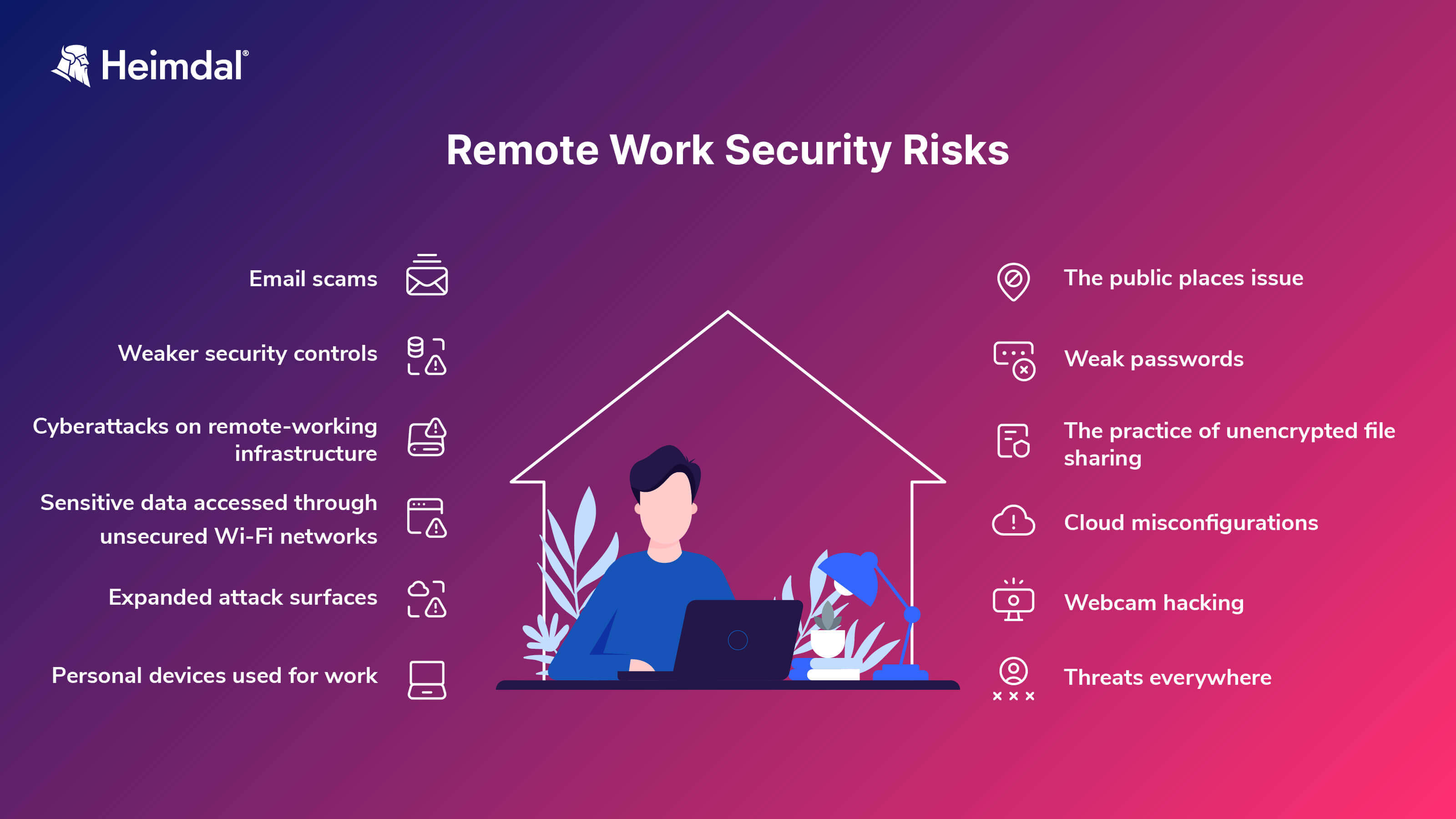
A Wi-Fi icon on a booking page tells you almost nothing about speed, stability or room coverage. A connection that is fine for messaging may fail during video calls or large uploads.
Look for real evidence
- Recent reviews mentioning video meetings.
- Hotel speed information where available.
- Coworking or business-center connection.
- Mobile network coverage.
- Backup connection options.
If your job depends on stable video, contact the property directly and ask whether rooms—not only the lobby—have reliable service.
Always Have Backup Internet
Even a strong hotel network can fail because of maintenance, weather or local outages. A professional workcation needs a Plan B before the first important call.
Backup options
- Local SIM.
- eSIM.
- Mobile hotspot.
- Nearby coworking space.
- Reliable cafe for emergencies.
Do not use unknown public Wi-Fi for sensitive work without following appropriate company security policies.
Check the Desk, Not Just the Room
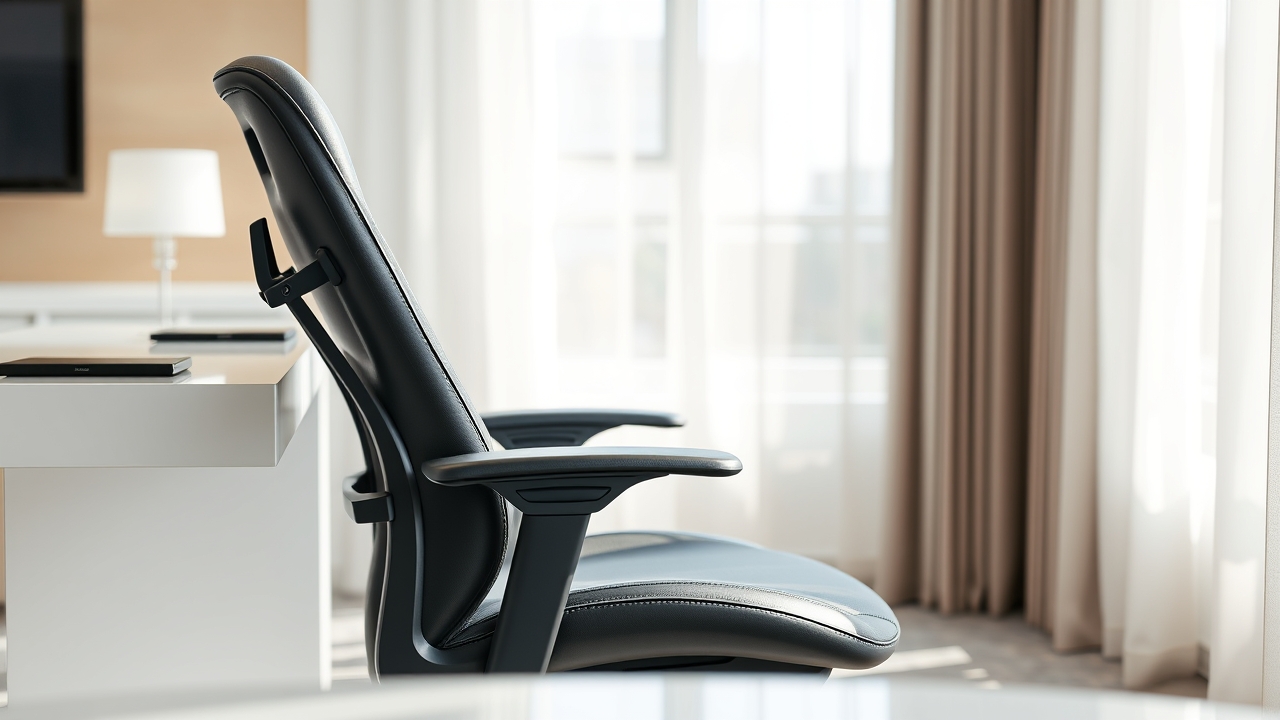
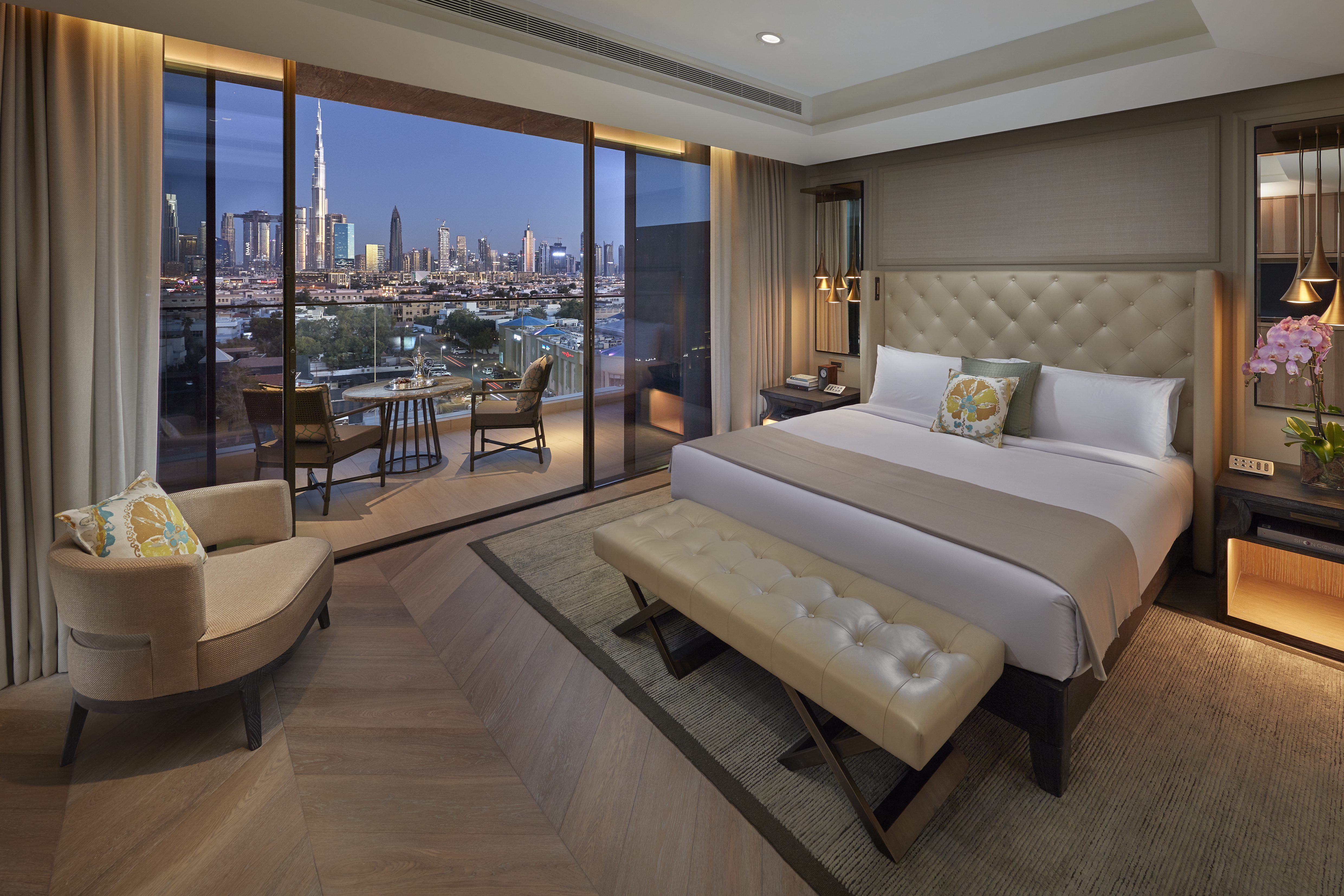
A decorative console table is not a comfortable workstation. Hotel photographs often focus on the bed and view while hiding the desk setup.
Look for
- Proper desk height.
- Chair with back support.
- Power outlet near the desk.
- Natural or task lighting.
- Enough surface for a laptop and notes.
Ask for a desk photo if the website is unclear. For a stay of two weeks or more, paying slightly more for a usable work area can be more valuable than a premium view.
Room Size Matters More on a Workcation
A compact room can feel fine when you leave after breakfast and return only to sleep. It feels very different when you spend eight working hours inside.
Longer stays benefit from zones
A separate sitting area, balcony, kitchenette or even a clear desk corner can create psychological separation between work and rest. If the bed becomes the desk, dining table and relaxation space, work-life boundaries become harder to maintain.
Noise Can Destroy Productivity and Sleep
Beachfront bars, elevators, street traffic, weddings and pool music can interrupt calls and delay sleep.
Search reviews for
- “noise”
- “work”
- “calls”
- “walls”
- “street”
- “music”
Ask for a room away from elevators, bars, event spaces and service areas when possible. A hotel can be energetic and enjoyable for a weekend yet unsuitable for a Monday morning presentation.
Coworking Space Can Be More Valuable Than a Pool
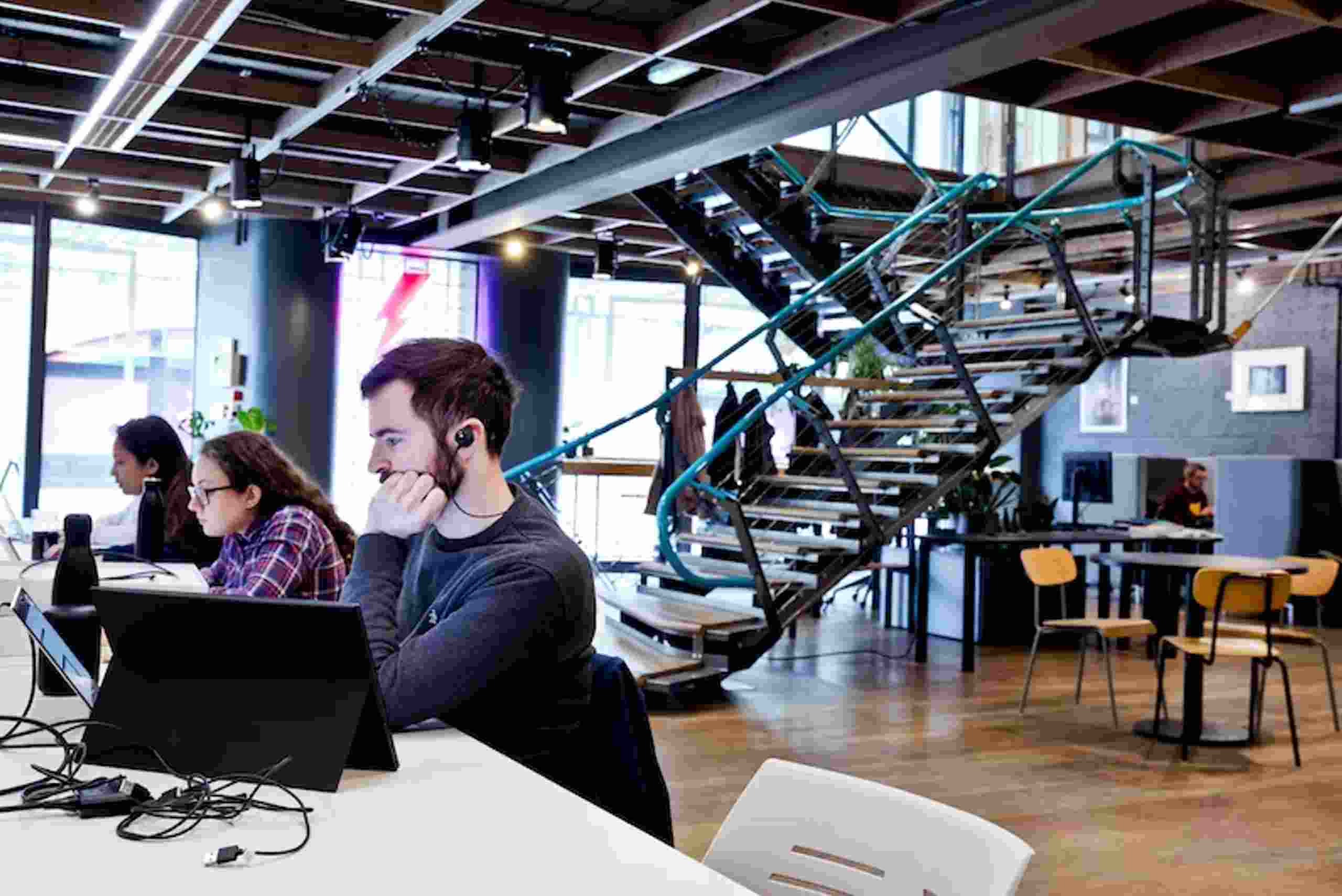
Some hotels now provide work lounges, meeting rooms or coworking areas. These can help separate professional time from the bedroom.
Verify before booking
- Opening hours.
- Call booths.
- Reservation requirements.
- Extra fees.
- Guest-only access.
- Whether phone calls are allowed.
TourLix’s remote work travel experiences guide explores coworking culture in more detail.
A Kitchen Can Improve Weekday Routine
Eating restaurant food three times a day can be expensive and tiring on longer stays. A kitchenette can make breakfast and ordinary weekday meals easier.
Useful kitchen features
- Refrigerator.
- Microwave.
- Kettle.
- Basic cookware.
- Dining surface.
This is one reason aparthotels can be strong workcation choices. See TourLix’s accommodation comparison guide.
Laundry Matters After the First Week
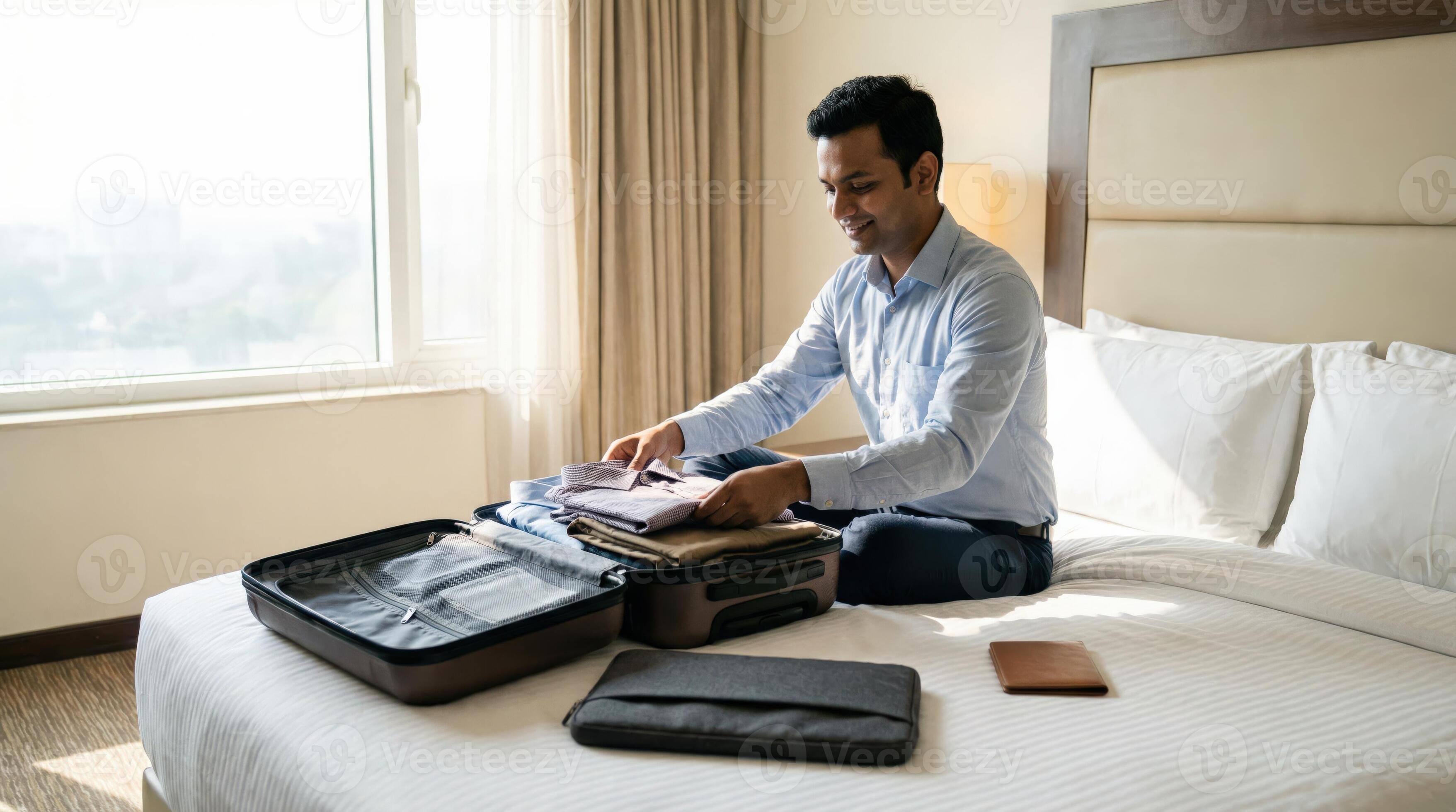
A workcation is not a normal vacation wardrobe. Easy laundry reduces packing and keeps a longer stay practical.
Compare laundry options
- In-room washer.
- Self-service hotel laundry.
- Paid laundry service.
- Nearby laundromat.
Location Should Support Workday Life
Remote workers need ordinary services more than tourists do. A famous sightseeing district may be less useful than a mixed-use neighborhood with groceries, cafes and reliable transit.
Stay near
- Grocery store.
- Cafe.
- Gym or walking route.
- Pharmacy.
- Public transport.
- Coworking space.
TourLix’s hotel neighborhood guide provides a practical location test.
Time Zone Can Change Hotel Priorities
If you work late local hours, you may need room service, 24-hour reception and quiet corridors more than breakfast. If you work very early, a kitchenette and reliable coffee setup may matter more than evening nightlife.
Build a sample workday before booking
Write down wake time, first meeting, meal breaks, last call and preferred exercise or sightseeing time. Then check whether the hotel and neighborhood support that routine.
Check Air Conditioning and Heating
Working all day in a room makes climate comfort important. Some historic hotels operate heating or air conditioning seasonally rather than on individual guest demand.
Verify individual control
Read reviews from the same season you plan to visit and ask the hotel directly when extreme heat or cold could affect comfort.
Housekeeping Should Fit Work Hours
Daily housekeeping can interrupt calls if staff arrive during work. Many hotels can clean during a preferred window or provide service less frequently on longer stays.
Set expectations at check-in
Tell reception when you usually work and when the room is available. This is easier than repeatedly declining service during meetings.
Long-Stay Rates Need Total Comparison
A discounted weekly or monthly rate may have stricter cancellation rules or reduced housekeeping.
Compare
- Total rate.
- Taxes.
- Cleaning fees.
- Breakfast.
- Laundry.
- Cancellation.
- Deposit.
- Utility or facility fees where applicable.
Hotel vs Aparthotel vs Coliving for Work
| Stay type | Work strength | Trade-off |
|---|---|---|
| Business hotel | Reliable service and desk | Small rooms |
| Aparthotel | Kitchen and long-stay space | Less daily service |
| Resort | Wellness and leisure | May be remote |
| Coliving | Community and coworking | Less privacy |
| Boutique hotel | Atmosphere and location | Work facilities vary |
Security Matters for Remote Workers
A workcation may involve client information, financial accounts and company systems. The hotel should not be treated like a trusted office network by default.
Basic digital security
- Use device encryption.
- Use strong authentication.
- Avoid unknown shared computers.
- Follow employer VPN and security policy.
- Lock devices when leaving the room.
- Keep current backups.
Employer and Immigration Rules Can Matter
Working from another country can create tax, immigration, employment or security issues. “Remote” does not automatically mean “work from any country.”
Check before paying for a long stay
- Employer international-work policy.
- Destination immigration rules.
- Maximum permitted stay.
- Insurance requirements.
- Potential tax or payroll implications for long stays.
Use official government sources and professional advice for legal or tax questions rather than relying on generic digital-nomad posts.
Test the Hotel for One Week Before a Long Commitment
If the rate allows it, a short initial booking can reveal noise, internet quality and neighborhood fit before you commit to a month.
A one-week test can answer
- Does Wi-Fi survive peak evening hours?
- Can you sit comfortably for a full workday?
- Is food convenient on weekdays?
- Is the room quiet at your sleep time?
- Does the neighborhood still feel useful after the novelty wears off?
Create a Backup Work Location
Identify one coworking space or business lounge before you need it. Save its opening hours, day-pass price and route from the hotel.
Why this matters
A hotel outage during an important client presentation becomes a manageable inconvenience if you already know where to move.
Work-Life Boundaries Need to Be Designed
A workcation can become “work in a smaller hotel room” if the schedule has no separation.
Create a shutdown ritual
- End work at a fixed time when possible.
- Close the laptop.
- Leave the room.
- Take a walk or meal outside.
- Avoid checking messages continuously.
Use Weekends for Larger Experiences
Do not force major sightseeing into every weekday evening. A sustainable rhythm may be work, local dinner and short walk on weekdays, with museums, hikes or day trips reserved for weekends.
Workcation Hotel Scorecard
| Factor | Score 1–5 |
|---|---|
| Wi-Fi | __ |
| Backup mobile signal | __ |
| Desk/chair | __ |
| Noise | __ |
| Room size | __ |
| Kitchen/food | __ |
| Laundry | __ |
| Transport | __ |
| Long-stay terms | __ |
Frequently Asked Questions
How long should a workcation be?
It depends on work flexibility and destination. A week feels more like remote work with sightseeing; several weeks allow routines to develop.
Is a resort good for remote work?
It can be if Wi-Fi, desk space and food access are reliable. Remote locations need backup internet and transport planning.
Should I pay extra for a larger room?
For a long workcation, more space can significantly improve comfort. Compare the upgrade cost with the number of hours you will spend inside.
Can I work internationally on a tourist stay?
Rules vary. Check official immigration requirements and employer policy. Do not rely on generic digital-nomad advice.
Actionable Conclusion
A successful workcation hotel needs to function as both accommodation and workplace. Prioritize reliable internet, a real desk, quiet sleep, useful local services, backup connectivity and a schedule that fits your time zone.
Then protect the “cation” part. Choose a neighborhood you can enjoy after work, create a shutdown routine and leave bigger experiences for days when you are not balancing them with meetings. The best workcation feels like a sustainable routine—not a vacation constantly interrupted by a laptop.