
Choosing accommodation is easier when you stop asking which type is “best” and start asking which type fits the trip. A traditional hotel can be ideal for a short city break, an aparthotel can make a two-week stay much easier, and a hostel can offer both budget value and social opportunities that a private hotel room cannot.
The labels can also be confusing. Some hostels sell private rooms that feel similar to budget hotels. Some aparthotels offer daily housekeeping and reception, while others operate more like serviced apartments. The details matter more than the category name.
This guide compares aparthotels, hotels and hostels across privacy, cost, kitchens, service, social atmosphere, work needs, families and longer stays. For a broader accommodation-evaluation method, see TourLix’s hotel comparison guide.
What Is a Traditional Hotel?
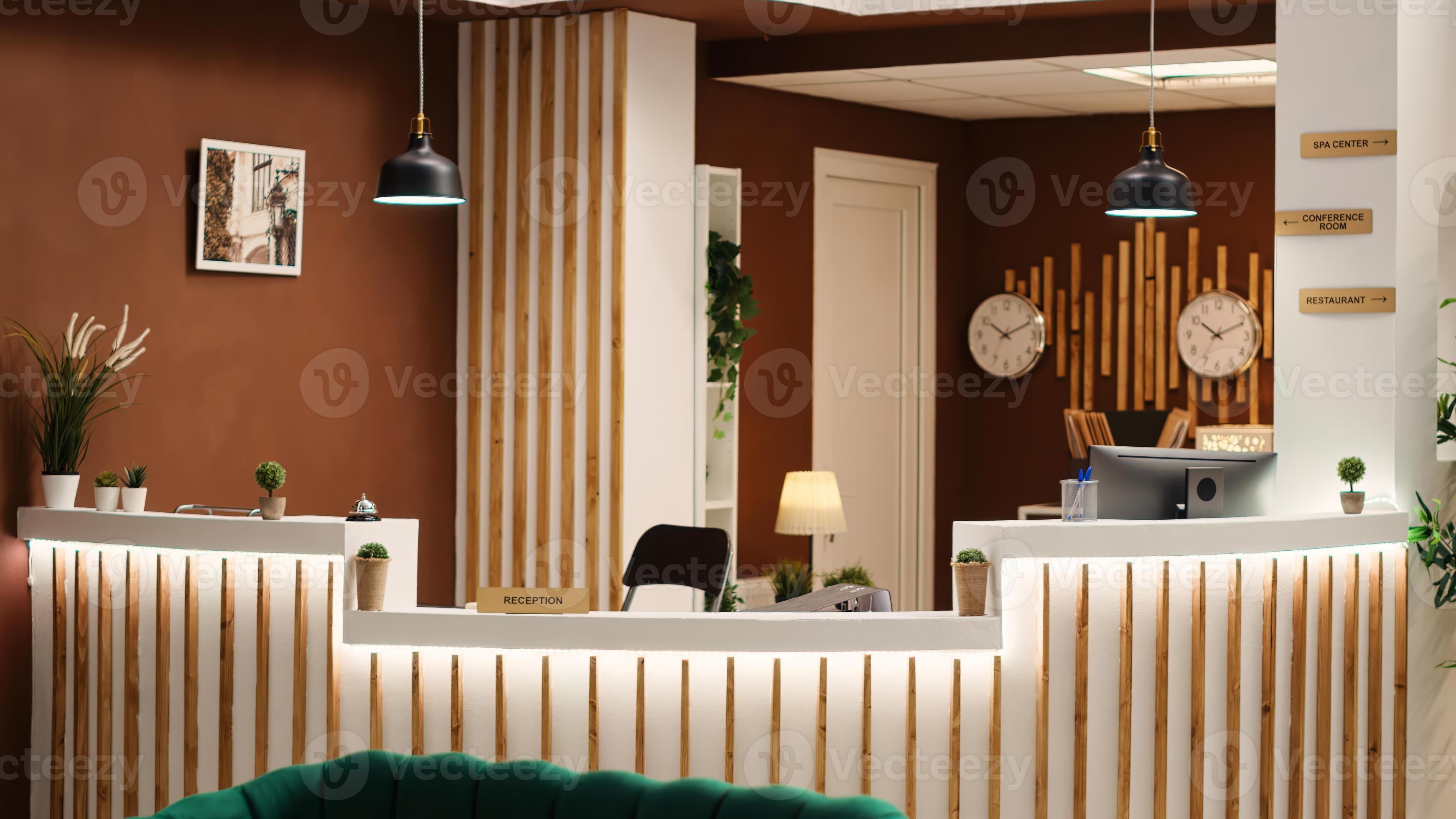
A traditional hotel typically provides private guest rooms, reception, housekeeping and a range of services that may include breakfast, room service, gym facilities or concierge support.
Hotels are strongest when you value convenience
- Regular housekeeping.
- Front-desk support.
- Simple short-stay check-in.
- Private bathroom in most room categories.
- On-site breakfast or restaurant options.
The trade-off is that rooms may be smaller and cooking facilities limited.
What Is an Aparthotel?
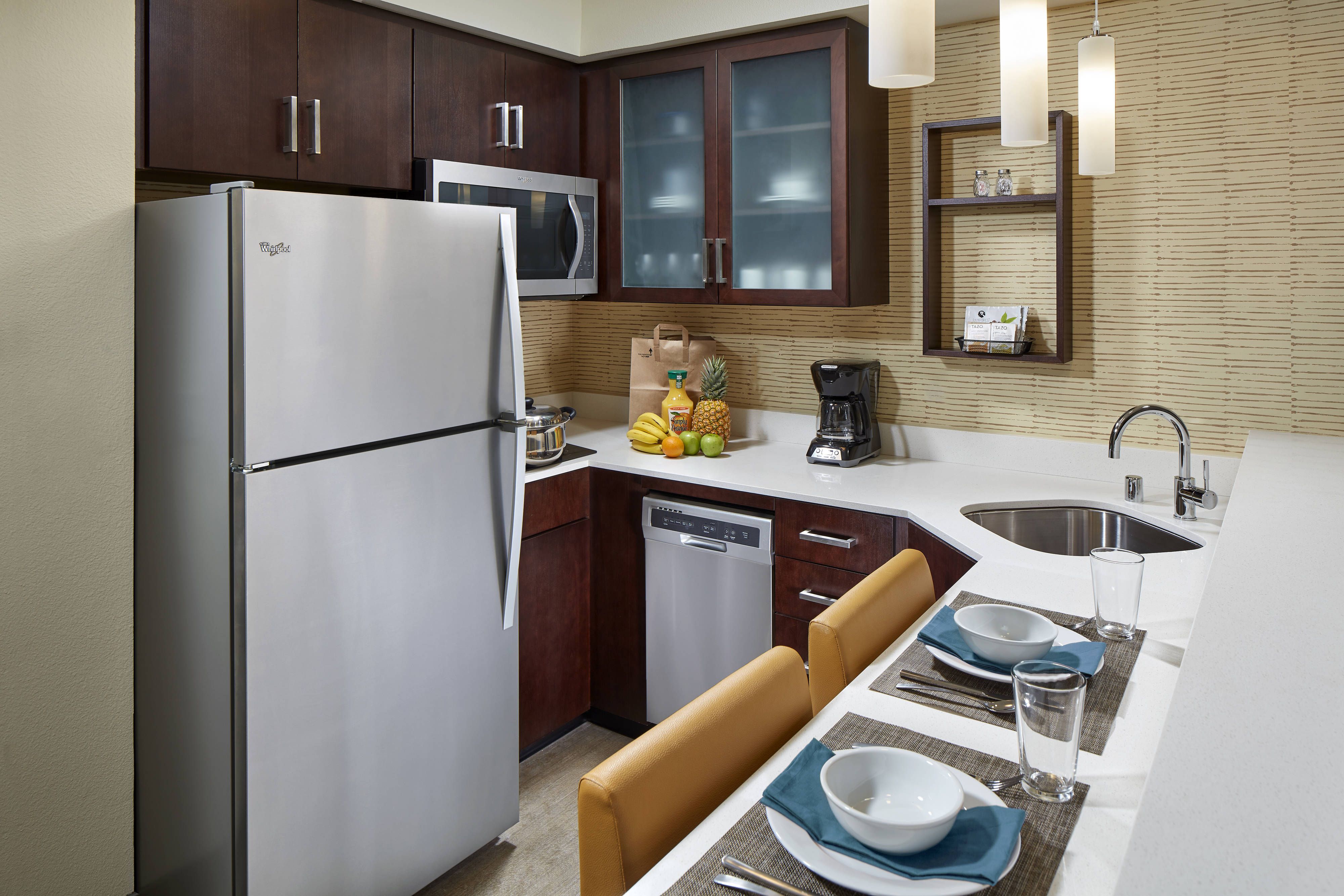
An aparthotel combines elements of a hotel and an apartment. Rooms or studios often include a kitchenette, more living space and longer-stay features while retaining some hotel services.
Common aparthotel features
- Kitchenette or full kitchen.
- Dining or living area.
- Reception or self-check-in.
- Periodic housekeeping.
- Laundry access in some properties.
- Long-stay rates.
Service frequency varies, so read the exact property description rather than assuming it functions like a full-service hotel.
What Is a Hostel?
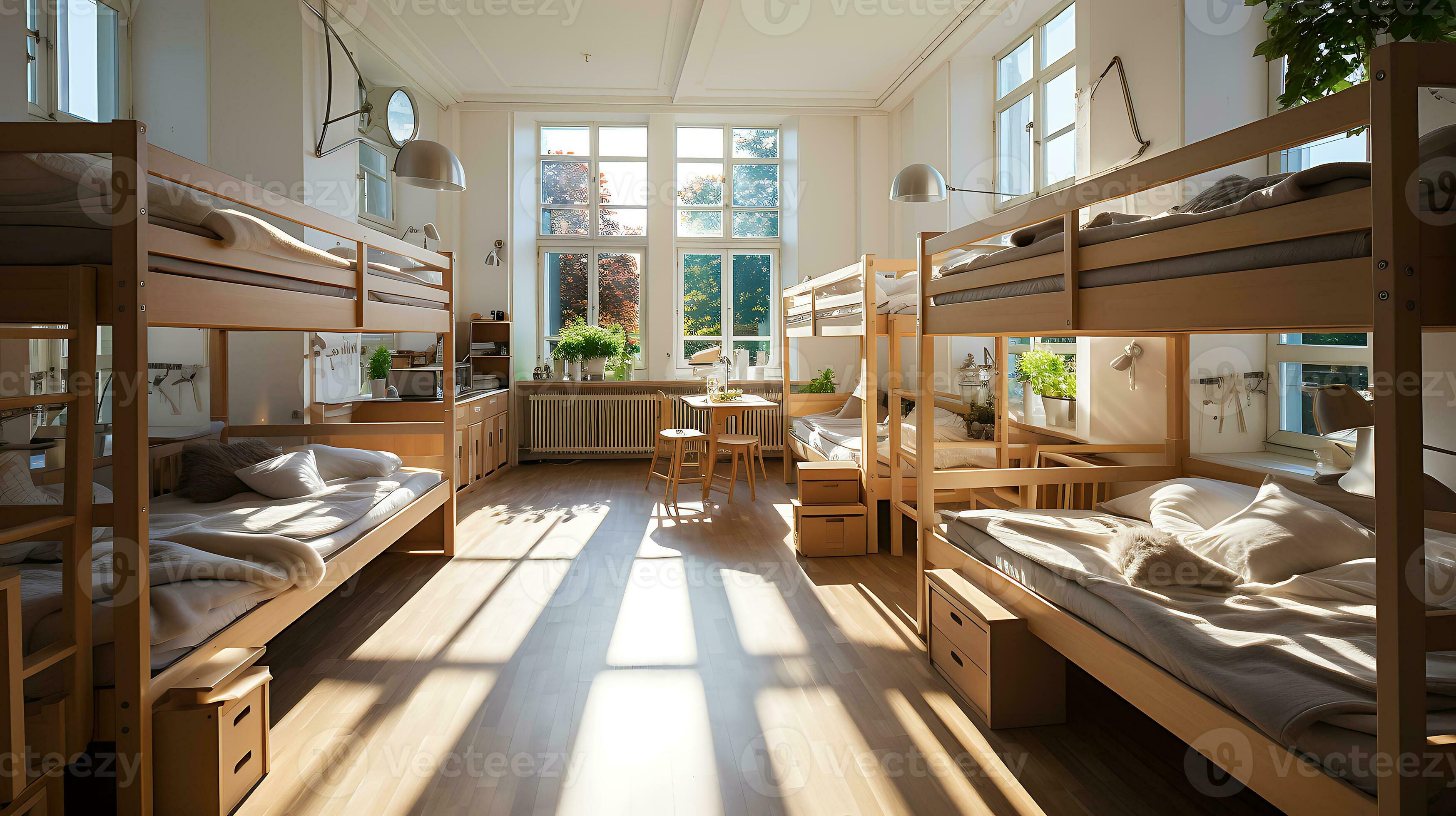
Hostels are usually built around shared accommodation and social common areas, but many now offer private rooms too.
Hostel options can include
- Dormitory beds.
- Female-only dorms.
- Private single or double rooms.
- Shared kitchens.
- Common lounges.
- Group events or tours.
A private hostel room can cost more than a basic hotel in some cities, so do not assume hostel always means cheapest.
Privacy Comparison
| Stay type | Typical privacy level | Best for |
|---|---|---|
| Hotel | High | Couples, business, short stays |
| Aparthotel | High | Families, long stays, remote work |
| Hostel dorm | Low | Budget/social travelers |
| Hostel private room | Medium to high | Social travelers wanting privacy |
Shared bathrooms can reduce privacy even when the bedroom itself is private, so check room details carefully.
Kitchen Access Can Change the Budget
Food is one of the biggest daily travel costs. A kitchenette lets travelers prepare breakfast, store leftovers and cook occasional meals.
A kitchen matters most when
- The stay is longer than a week.
- You have dietary needs.
- You travel with children.
- You work remotely.
- Restaurants are expensive.
For a two-night city break, the kitchen may provide little real value.
Housekeeping and Service
Traditional hotels usually provide the most frequent housekeeping. Aparthotels may clean every few days, and hostels often have limited service for private rooms or dorms.
Ask what “housekeeping included” means
Check towel changes, trash removal, linen changes and frequency. Longer-stay properties may charge for extra cleaning.
Front Desk Support
A 24-hour reception can be useful when a flight arrives late, luggage is delayed or a traveler needs local help.
Self-check-in is convenient but has trade-offs
Aparthotels and hostels may use codes or apps. Make sure instructions work offline and that there is an emergency contact if the code fails.
Which Is Best for Families?

Families often benefit from space more than luxury.
Aparthotel strengths for families
- Separate sleeping areas.
- Kitchen.
- Refrigerator.
- Laundry.
- More floor space.
Traditional hotels can still be better when they provide connecting rooms, kids clubs or resort facilities.
TourLix’s family hotel checklist helps parents compare the details that matter most.
Which Is Best for Solo Travelers?
Hostels can make it easier to meet people through common rooms, tours and group events. Solo travelers who want quiet can choose a private room while still using social spaces.
Check the hostel atmosphere
Some hostels are party-focused, others are quiet and work-friendly. Read recent reviews and look at event descriptions before booking.
TourLix’s solo travel guide has additional planning advice.
Which Is Best for Couples?
Couples may prefer hotels for privacy and service or aparthotels for space and a more residential routine.
Hostel private rooms can still work
They are useful for couples who value social common areas, but check noise, bathroom setup and whether the property has a party atmosphere.
Which Is Best for Remote Work?
Aparthotels can be particularly useful for remote workers because they combine a private room, kitchen and longer-stay space.
Work features to verify
- Desk and chair.
- Reliable Wi-Fi.
- Quiet room location.
- Kitchen for weekday meals.
- Laundry.
- Monthly rate.
Hostels with coworking areas can work for social remote workers, while business hotels may offer stronger meeting services. TourLix’s workcation hotel guide provides a full remote-work checklist.
Which Is Best for a Two-Night City Break?
Traditional hotels often win short stays because check-in is simple and travelers do not need to think about cleaning or cooking.
Location matters more than kitchen access
For a 48-hour visit, a hotel beside public transport may be more valuable than an apartment-style room farther away.
Which Is Best for a Two-Week Stay?
Longer stays change the priorities.
More important features
- Laundry.
- Kitchen.
- Storage.
- Living space.
- Work surface.
- Long-stay discount.
An aparthotel often becomes more competitive once these needs are included.
Which Is Best for a Multi-City Trip?
When travelers change accommodation every two or three nights, simplicity becomes valuable.
Hotels can reduce moving-day friction
Fast reception, luggage storage and predictable rooms can make repeated transfers easier. A large aparthotel kitchen provides less value when you leave after two nights.
Hostel Safety and Security
Shared accommodation requires more attention to belongings.
Look for
- Lockers large enough for valuables.
- Key-card access.
- 24-hour reception.
- Separate dorm options if preferred.
- Recent security reviews.
Bring a small lock if the property does not provide one, but verify locker design first.
Shared-Kitchen Etiquette
Hostel and aparthotel kitchens create value only when guests use them responsibly.
Basic habits
- Label food where required.
- Wash dishes promptly.
- Do not use other guests’ food.
- Keep cooking times reasonable.
- Follow waste and recycling rules.
Noise Differences
Hostels can be social and noisy, but hotels can also have street noise, weddings or thin walls.
Search reviews for
- “quiet”
- “party”
- “street”
- “walls”
- “bar”
- “sleep”
Bathroom Comparison
A private bathroom is standard in many hotels and aparthotels but not every hostel room.
Check
- Private vs shared.
- Number of bathrooms per dorm.
- Shower privacy.
- Towel fees.
- Hair dryer availability.
Laundry Can Matter More Than Room Service
For long trips, laundry access can reduce packing and save time.
Compare
- In-room washer.
- Shared laundry room.
- Paid hotel laundry.
- Nearby laundromat.
TourLix’s carry-on packing guide explains how one laundry point can extend a small travel wardrobe.
Breakfast and Food Options
Hotels are most likely to offer a full breakfast. Hostels may provide a simple breakfast or shared kitchens. Aparthotels often expect guests to prepare or buy their own food.
Compare the neighborhood
A room without breakfast is not a problem if cafes and groceries are next door. A remote property makes self-catering harder if no store is nearby.
Accessibility Can Vary More Than Category Suggests
A modern hotel may have standardized accessible rooms, while a small hostel in a historic building may involve stairs. Aparthotels can be excellent or difficult depending on design.
Verify the exact feature
- Step-free entrance.
- Elevator.
- Bathroom access.
- Door width.
- Accessible public transport route.
Age Policies Matter in Hostels
Some hostels have minimum or maximum ages for dorms, while others welcome travelers of all ages.
Families and older travelers should check before booking
Do not assume a private room automatically removes every age restriction.
Cleaning Fees Can Change Aparthotel Value
Apartment-style stays can show an attractive nightly rate before a cleaning fee is added.
Compare final stay total
For a two-night stay, a fixed cleaning fee can make an aparthotel more expensive than a hotel. For a month-long stay, that same fee may be minor.
Deposits and Damage Holds
Aparthotels and hostels may use security deposits differently from traditional hotels.
Before booking
- Check deposit amount.
- Check payment method.
- Understand refund timing.
- Read damage policies.
Cost Comparison Should Include More Than Room Price
| Cost factor | Hotel | Aparthotel | Hostel |
|---|---|---|---|
| Room rate | Medium–high | Medium–high | Low–medium |
| Food savings | Low | High | Medium–high |
| Laundry savings | Low | Often high | Often medium |
| Social activities | Low | Low–medium | High |
| Service | High | Medium | Low–medium |
Actual prices vary by city and season, so use this as a decision framework rather than a price prediction.
Cancellation Rules Vary by Property
Accommodation type does not determine flexibility. A hostel can have strict terms and an aparthotel can offer free cancellation, or vice versa.
Read the rate conditions
Compare the exact room and cancellation deadline. TourLix’s hotel booking mistakes guide explains why refundable rates can be valuable when plans are uncertain.
How to Choose in Eight Questions
- How many nights am I staying?
- Do I need a kitchen?
- How much privacy do I want?
- Do I value social interaction?
- How much daily service do I want?
- Do I need laundry?
- Will I work from the room?
- How important is 24-hour reception?
Quick Decision Guide
Choose a hotel if
You want short-stay convenience, regular service and a private room.
Choose an aparthotel if
You want more space, a kitchen and long-stay comfort.
Choose a hostel if
You value budget, social atmosphere and shared facilities—or want a private room with community spaces.
Frequently Asked Questions
Are aparthotels cheaper than hotels?
Not always. They can offer better value on longer stays because kitchens and laundry reduce daily costs.
Are hostels only for young backpackers?
No. Many hostels serve travelers of different ages and offer private rooms, though some properties have age policies.
Do aparthotels provide housekeeping?
Usually some level is available, but frequency varies. Check whether cleaning is daily, weekly or paid separately.
Can families stay in hostels?
Some hostels have family rooms and welcome children, while others have age limits or party-focused environments. Verify the policy before booking.
Actionable Conclusion
Hotels, aparthotels and hostels solve different travel problems. A hotel is often easiest for short stays, an aparthotel can be excellent for families, remote workers and longer trips, and a hostel can combine affordability with a social experience.
Ignore the label at first. Compare privacy, kitchen access, service, location, laundry, noise, cancellation and total cost. The right accommodation type is the one that supports the way you actually plan to live during the trip.