
Travel insurance is one of the least exciting parts of trip planning, but it becomes extremely important when something goes wrong. A missed connection, medical emergency, stolen bag or cancelled trip can turn a manageable inconvenience into a major financial problem if the traveler assumed coverage that was never actually included.

The biggest mistake is comparing travel insurance only by price. Two policies that cost similar amounts can have very different medical limits, cancellation rules, deductibles, exclusions and claims procedures. The correct policy is the one that matches the trip you are actually taking—not the one with the longest list of benefits in an advertisement.
This guide explains how to compare travel insurance in practical terms. It is general educational information, not a recommendation to buy a specific policy. Coverage, regulation and contract language vary by country and insurer, so read the current policy wording and use your local regulator or licensed adviser when needed.
What Travel Insurance Is Designed to Do
Travel insurance generally helps protect against specified financial losses connected to a trip. Exactly what is covered depends on the contract. The U.S. National Association of Insurance Commissioners notes that travel insurance policies define specific covered situations, limits and exclusions, and consumers should ask what a policy does and does not cover before buying.
For travelers in India, the Insurance Regulatory and Development Authority of India (IRDAI) recognizes overseas travel policies within the insurance market and provides policyholder information through its official consumer resources.
Start With the Trip You Need to Insure
Before comparing policies, write down the trip details. Insurance needs for a five-day city break are different from a one-month hiking trip or a family holiday with expensive prepaid hotels.
List these details
- Destination or destinations.
- Trip length.
- Total prepaid nonrefundable cost.
- Traveler ages.
- Existing health conditions that may affect coverage.
- Adventure or sporting activities.
- Rental car use.
- Value of luggage and electronics.
This prevents buying a generic policy that does not match the real risk.
Medical Coverage Is Usually the First Major Comparison
Medical care abroad can be expensive, and your domestic health insurance may not work the same way outside your home country. The World Health Organization advises travelers to obtain appropriate travel insurance and prepare for destination-specific health risks.
Check more than the headline limit
- Emergency hospitalization limit.
- Outpatient treatment rules.
- Emergency medical evacuation.
- Repatriation coverage where included.
- Deductible or excess.
- Pre-existing condition terms.
- Direct billing or reimbursement process.
A high medical limit can still be less useful if important situations are excluded or the deductible is impractical for your budget.
Emergency Evacuation Can Be a Separate Issue
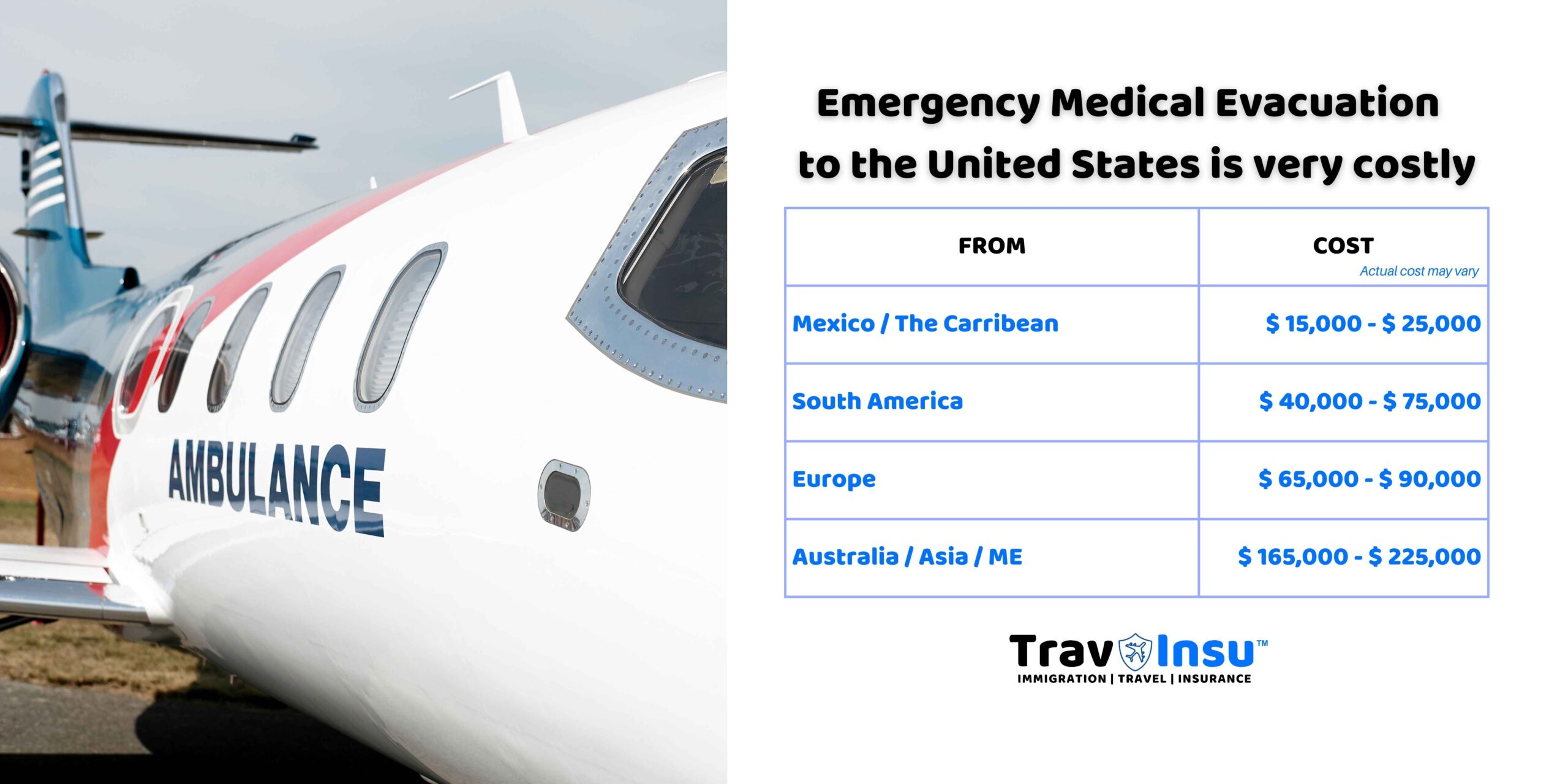
Medical evacuation is different from ordinary treatment. If a traveler becomes seriously ill in a remote area, transportation to an appropriate medical facility can be costly.
Questions to ask
- Who decides whether evacuation is medically necessary?
- Is evacuation to the nearest suitable hospital or to your home country?
- Is prior authorization required?
- What emergency assistance number must be contacted?
Do not assume “medical coverage” automatically includes unlimited evacuation.
Trip Cancellation Coverage Has Specific Triggers
Cancellation insurance usually does not mean “I changed my mind.” Policies normally cover specific listed reasons, and documentation may be required.
Common areas to compare
- Serious illness or injury.
- Death of a covered traveler or qualifying family member.
- Natural disaster affecting the trip.
- Carrier-related situations if included.
- Home emergencies if included.
- Government or destination events depending on wording.
Read the exact covered reasons and exclusions. Do not rely on the phrase “trip cancellation” without understanding its definition.
Trip Interruption Is Different From Cancellation
Cancellation happens before departure. Interruption generally concerns a trip that has already started and must be shortened or changed for a covered reason.
Why the distinction matters
An interruption claim may involve unused hotel nights, additional transport home or other costs. Policy wording determines which expenses qualify and what documentation is required.
Delay Coverage Needs Time Thresholds
Travel delay benefits often begin only after a specified number of hours. A two-hour delay may not qualify even if it is frustrating.
Check these details
- How long the delay must last.
- Which reasons are covered.
- Daily reimbursement limit.
- Total maximum limit.
- Whether meals, hotels and local transport are eligible.
- What receipts are required.
Baggage Coverage Is Often Misunderstood
A policy may cover lost or stolen baggage, but expensive items can have separate sub-limits. Electronics, jewelry, cash and business equipment may be treated differently.
Read the item limits
A total baggage benefit of a large amount does not mean one laptop is covered for the full replacement price. Check per-item limits and excluded categories.
Also confirm whether airline compensation must be claimed first before insurance responds.
Adventure Activities Can Change the Policy Completely
Travelers often assume hiking, skiing, scuba diving or other activities are automatically covered. Some policies exclude them or require an additional sports option.
Ask activity-specific questions
- Is the activity covered at all?
- Are altitude or depth limits applied?
- Must a guide be licensed?
- Is competitive activity excluded?
- Is rented equipment covered?
If adventure is a major reason for the trip, verify coverage before booking the activity. TourLix’s adventure travel guide offers broader planning advice.
Pre-Existing Medical Conditions Need Careful Reading
Policies define pre-existing conditions differently. Some may offer waivers or coverage under conditions, while others exclude related claims.
Do not hide medical information
Answer application questions accurately. If you are unsure how a condition affects coverage, ask the insurer or licensed adviser in writing before purchase. A cheap policy is not useful if a later claim is denied because important information was missing.
For travelers in India, IRDAI publishes official health-insurance and policyholder information, including explanations of insurance concepts and regulated insurers at IRDAI.
Deductible or Excess Can Change the Real Value
The deductible is the amount the traveler may need to pay before insurance responds, depending on policy terms. A lower premium can come with a higher deductible.
Compare the cost you could actually pay
If a policy saves a small amount upfront but creates a large out-of-pocket burden for every claim, it may not fit your budget. Look at premium and deductible together.
Read Geographic Coverage
Policies can limit or exclude certain destinations. Some plans are priced by region, while others may have special conditions for countries with high medical costs.
Multi-country travelers should verify every stop
Do not assume a policy bought for the main destination automatically covers side trips. Check transit countries and planned extensions too.
Travel Advisories Can Affect Coverage
Government travel warnings and known events may affect whether certain claims are covered, especially when a problem was already public before the policy was purchased.
Timing matters
Insurance is designed for unforeseen events. Buying coverage after a storm, strike or other disruption has already been announced may not create protection for that event.
Check 24-Hour Assistance, Not Just Claims
During a serious emergency, travelers may need help finding a hospital, arranging payment or understanding next steps.
Evaluate assistance services
- 24-hour international phone number.
- Languages supported.
- Medical provider network.
- Direct payment arrangements.
- Emergency evacuation coordination.
Save the assistance number offline before departure.
Credit Card Coverage May Overlap—but Do Not Assume
Some premium cards include travel protections when the trip is purchased using the card. Coverage can be useful, but it may have lower limits or narrower definitions than a separate policy.
Compare card benefits line by line
Check medical coverage, cancellation, baggage, rental cars and delay benefits. If the card covers only a small part of the risk, you may still need separate insurance.
Travel Insurance Comparison Table
| Feature | What to compare | Common mistake |
|---|---|---|
| Medical | Limit, deductible, exclusions | Looking only at limit |
| Evacuation | Destination, approval rules | Assuming it is automatic |
| Cancellation | Covered reasons | Assuming any cancellation qualifies |
| Delay | Time threshold and daily limit | Ignoring waiting period |
| Baggage | Per-item sub-limits | Assuming full replacement value |
| Activities | Sports exclusions | Buying before checking itinerary |
| Pre-existing conditions | Definitions and waivers | Not disclosing information |
How to Compare Two Policies Step by Step
- Match both policies to the same trip dates and destinations.
- Compare medical and evacuation coverage.
- Compare cancellation and interruption limits.
- Check deductibles.
- Read baggage sub-limits.
- Check activity exclusions.
- Read pre-existing condition terms.
- Compare claims and assistance processes.
- Check insurer/regulator information.
- Save the policy wording before purchase.
Claims Preparation Starts Before the Trip
A traveler should not wait for an emergency to learn the claims process.
Keep these records
- Policy number.
- Emergency assistance number.
- Receipts for prepaid travel.
- Medical documentation if relevant.
- Copies of baggage receipts for expensive items.
- Police report requirements for theft.
Store copies offline and in secure cloud storage.
Use Regulators and Official Consumer Information
Consumers should verify that an insurer is properly regulated in their jurisdiction and understand complaint channels. Indian travelers can use IRDAI’s policyholder protection resources. U.S. consumers can use the NAIC travel insurance consumer guide.
Different countries have different insurance systems, so use the regulator that applies to where your policy is issued.
Travel Insurance Checklist Before You Buy
- Trip cost listed.
- All destinations included.
- Medical limit understood.
- Evacuation terms understood.
- Cancellation reasons read.
- Activity exclusions checked.
- Pre-existing condition rules checked.
- Baggage sub-limits checked.
- Deductible understood.
- Emergency assistance saved.
- Claims documents understood.
- Policy wording downloaded.
Frequently Asked Questions
Is the cheapest travel insurance enough?
Not necessarily. The best value depends on coverage, exclusions, limits and deductible—not premium alone.
Does travel insurance cover every cancelled flight?
No. Coverage depends on the reason, policy wording and other compensation available from the carrier.
Will insurance cover a pre-existing condition?
It depends on the policy and jurisdiction. Some policies may exclude it, while others may offer coverage under specific conditions.
When should I buy travel insurance?
Policy benefits can depend on purchase timing. Review the insurer’s rules and consider coverage soon after major nonrefundable bookings if appropriate for your trip.
Actionable Conclusion
Travel insurance should be compared like a contract, not a travel accessory. Start with medical and evacuation needs, then review cancellation, delay, baggage, activities, deductibles and exclusions. Make sure the policy matches every destination and important activity.
Read the wording before purchase, save emergency contact details and keep supporting documents. The goal is not to buy the most expensive policy. It is to understand exactly what protection you are paying for before you need to use it.