
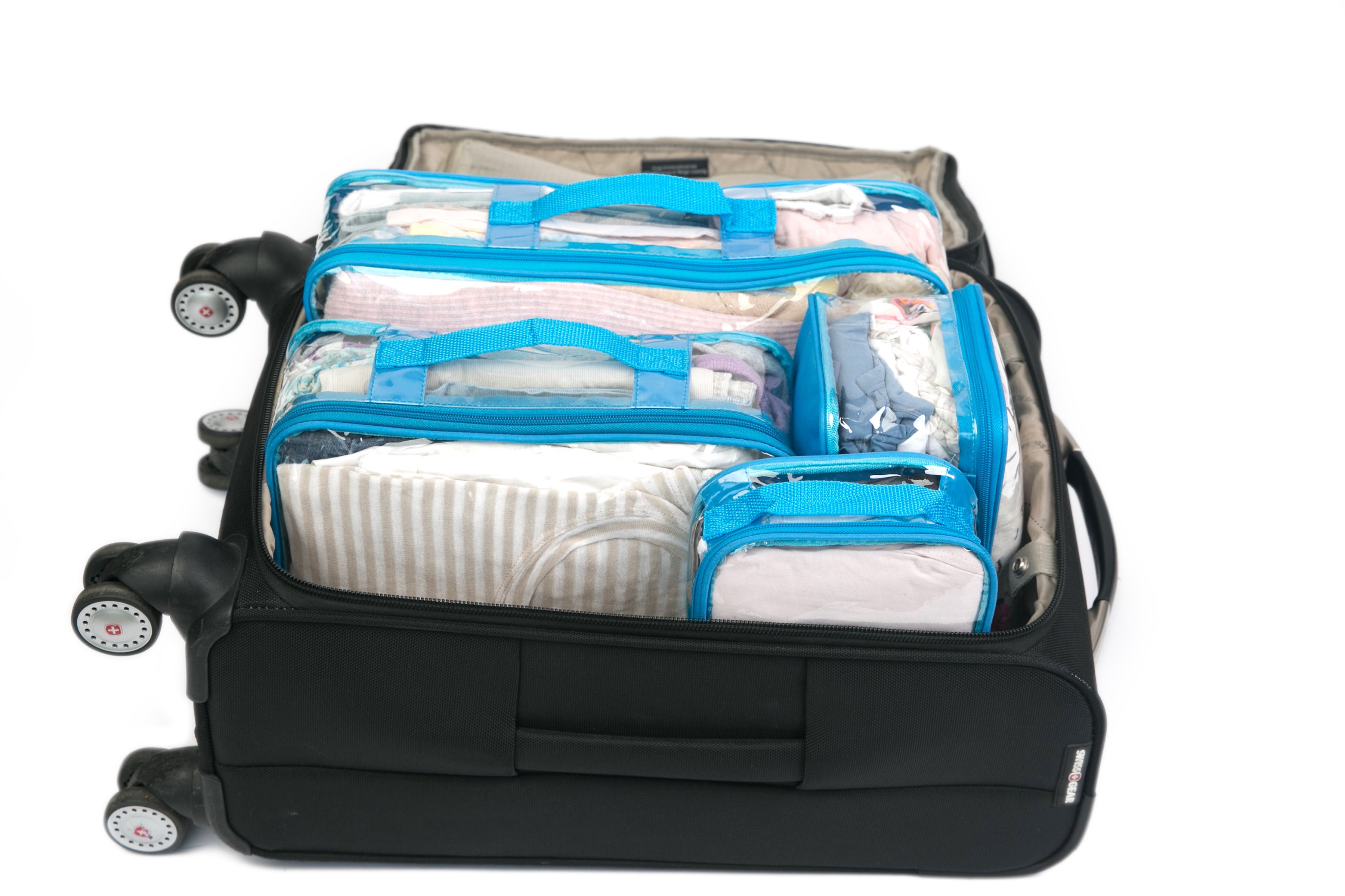
Packing for a seven- to ten-day trip sounds simple until a small suitcase has to handle changing weather, airport rules, daily sightseeing, evening plans and the fear of forgetting something important. Many travelers solve that anxiety by adding more items. The result is often a heavy bag filled with clothes that never get worn.
A better carry-on strategy starts with systems rather than endless lists. Build a small wardrobe that mixes together, separate essentials from replaceable items, plan one laundry moment and verify the airline’s actual baggage limits before leaving home. The goal is not extreme minimalism. It is to carry enough without making every train, staircase and airport transfer harder.
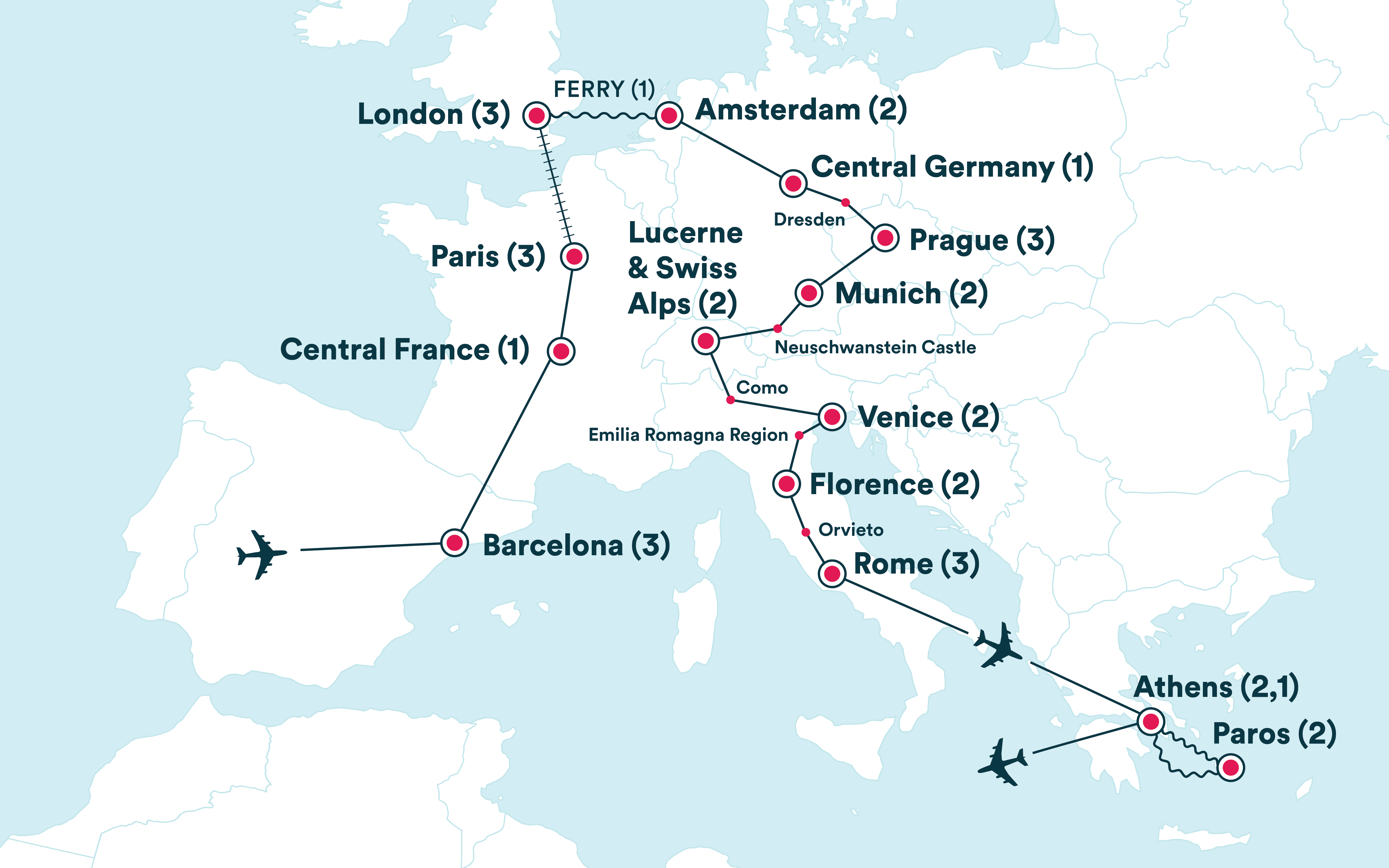
This guide gives a realistic packing framework for a one-week to ten-day leisure trip. Airline size, weight, liquid, battery and medicine rules differ, so always check your carrier and departure airport. TourLix readers planning multiple hotel changes should also see our multi-city itinerary guide.
Start With the Airline, Not Your Closet
Carry-on limits vary widely. One airline may allow a roller bag plus a personal item, while another fare includes only a small under-seat bag. Weight limits can also be stricter than travelers expect.
Check four rules before packing
- Maximum cabin-bag dimensions.
- Maximum cabin-bag weight.
- Whether a personal item is included.
- Restrictions on liquids, batteries and special equipment.
Do not rely on an old screenshot or a travel influencer’s bag size. Read the rules for your specific ticket and route. If multiple airlines are involved, pack to the strictest limit unless you plan separate baggage arrangements.
Choose the Bag for the Trip Style
A backpack can be easier on stairs and cobblestones, while a small wheeled suitcase may be more comfortable in airports and modern hotels.
Backpack works well when
- You change trains often.
- You expect stairs.
- You can carry the loaded weight comfortably.
- You want both hands free.
Roller bag works well when
- Most surfaces are smooth.
- You have back or shoulder concerns.
- You stay in hotels with elevators.
- You prefer structured organization.
Choose comfort over fashion. A beautiful bag that is painful to carry is a poor travel tool.
Use a 5-4-3-2-1 Clothing Framework
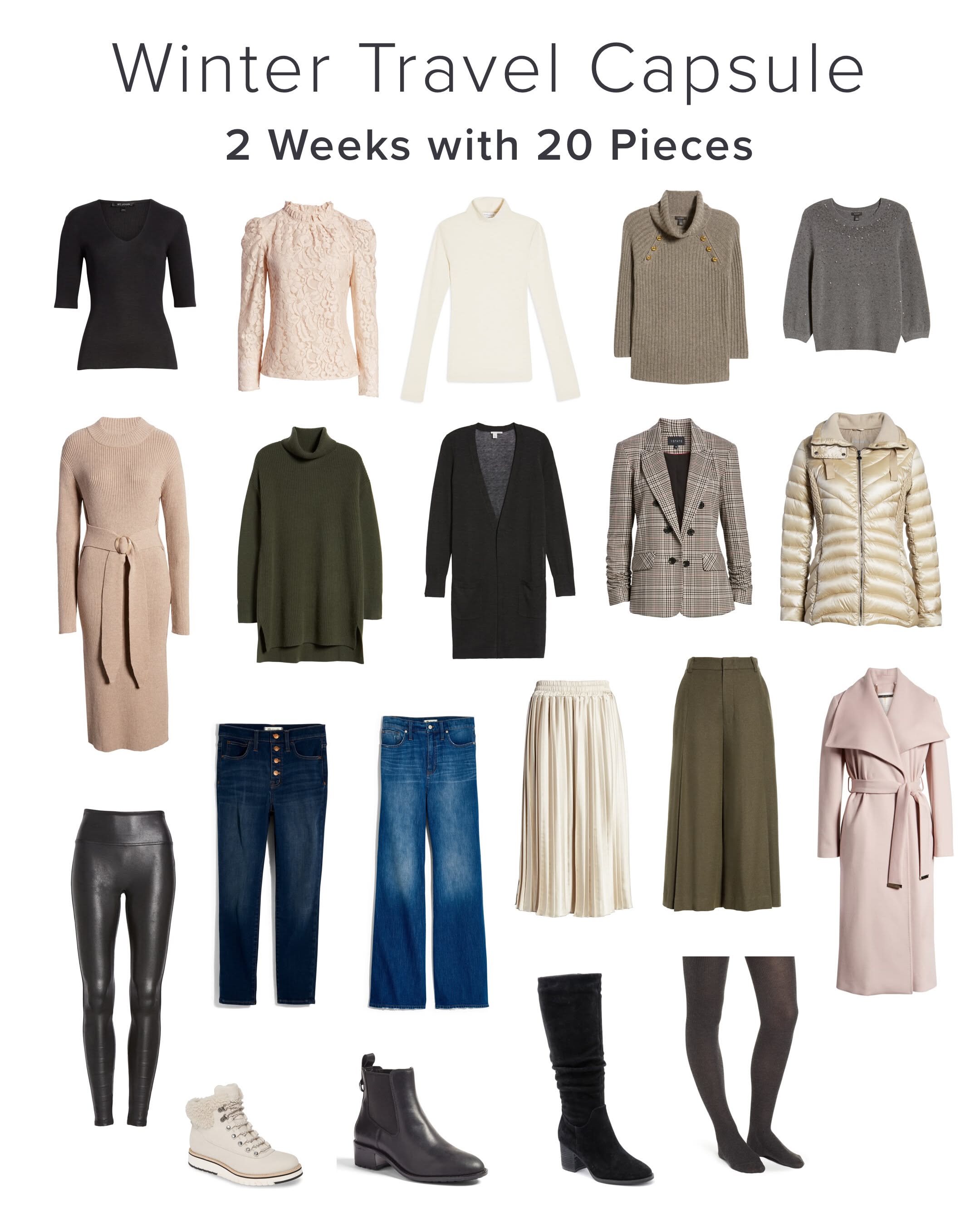
A simple formula helps stop overpacking. Adjust it for climate and personal style rather than treating it as a strict rule.
Example base wardrobe
- 5 tops: a mix of short- and long-sleeve options.
- 4 bottoms: trousers, shorts, skirt or other versatile pieces.
- 3 layers: light sweater, overshirt and weather layer.
- 2 pairs of shoes: one main walking pair and one lighter alternative.
- 1 nicer outfit: only if the trip genuinely needs it.
The important part is compatibility. Every top should work with most bottoms. Clothes that require one specific matching item create packing waste.
Plan to Rewear Clothes
Travel clothing does not need to be worn once. Outer layers, trousers and sweaters can often be repeated, especially when undershirts are changed regularly.
Think in outfits, not items
Before packing, place clothes on the bed and build at least seven combinations. If an item works with only one outfit, reconsider it. Photograph the combinations if that helps you remember them.
Build One Laundry Point Into the Trip
Laundry is the easiest way to turn a seven-day wardrobe into a ten- or fourteen-day wardrobe. A hotel laundry service may be expensive, but self-service laundromats, apartment washers or simple hand-washing can work.
Choose the right laundry day
Do it around the middle of the trip, preferably during a slower evening. Do not plan laundry the night before an early flight when wet clothes create stress.
Pack a tiny laundry kit
- Small amount of detergent or laundry sheets where appropriate.
- Lightweight laundry bag.
- Stain-removal wipe or pen.
- Two small clips for hand-washed items if useful.
Pack Shoes Ruthlessly
Shoes are one of the biggest sources of wasted space. Most city trips need one comfortable walking shoe and perhaps one lighter or slightly smarter option.
Wear the bulkiest pair in transit
If boots or larger shoes are necessary, wear them on the flight unless doing so creates discomfort. Stuff clean socks or small items inside packed shoes and use a washable shoe bag.
Do not take brand-new shoes on a walking-heavy trip without testing them first.
Create a Layering System for Weather Changes
Instead of packing a heavy item for every weather possibility, use layers that work together.
A flexible three-layer approach
- Breathable base layer.
- Warm mid-layer.
- Light wind- or rain-resistant outer layer.
This works better for shoulder-season travel than one bulky coat that becomes useless when the day warms up. For seasonal destination ideas, see TourLix’s shoulder-season guide.
Pack for the Specific Activities, Not Imaginary Possibilities
A city break, beach holiday and mountain trip need different items. Write down the actual activities before adding specialty clothing.
Ask before packing an item
- Will I definitely use this?
- Can another item do the same job?
- Can I rent it?
- Can I buy it cheaply if needed?
- Is the activity confirmed?
This prevents “just in case” hiking boots, formalwear and gadgets from filling half the bag.
Toiletries: Pack the Routine You Actually Use
Travelers often pack samples and backup products they never use at home. Start with the daily routine and reduce from there.
Useful toiletry categories
- Dental care.
- Basic skincare.
- Deodorant.
- Hair care.
- Sun protection.
- Shaving or grooming essentials.
- Small amount of makeup if used.
Liquid rules vary by security authority and route. Use travel-size containers where required and verify current airport rules.
Solid Alternatives Can Reduce Liquid Space
Some travelers use solid shampoo, soap or deodorant to reduce liquid volume. They are useful only if you already know the product works for you.
Do not test everything during the trip
A ten-day vacation is not the best time to discover that a new skincare product irritates your skin. Test unfamiliar products at home first.
Medicines Deserve More Care Than Toiletries
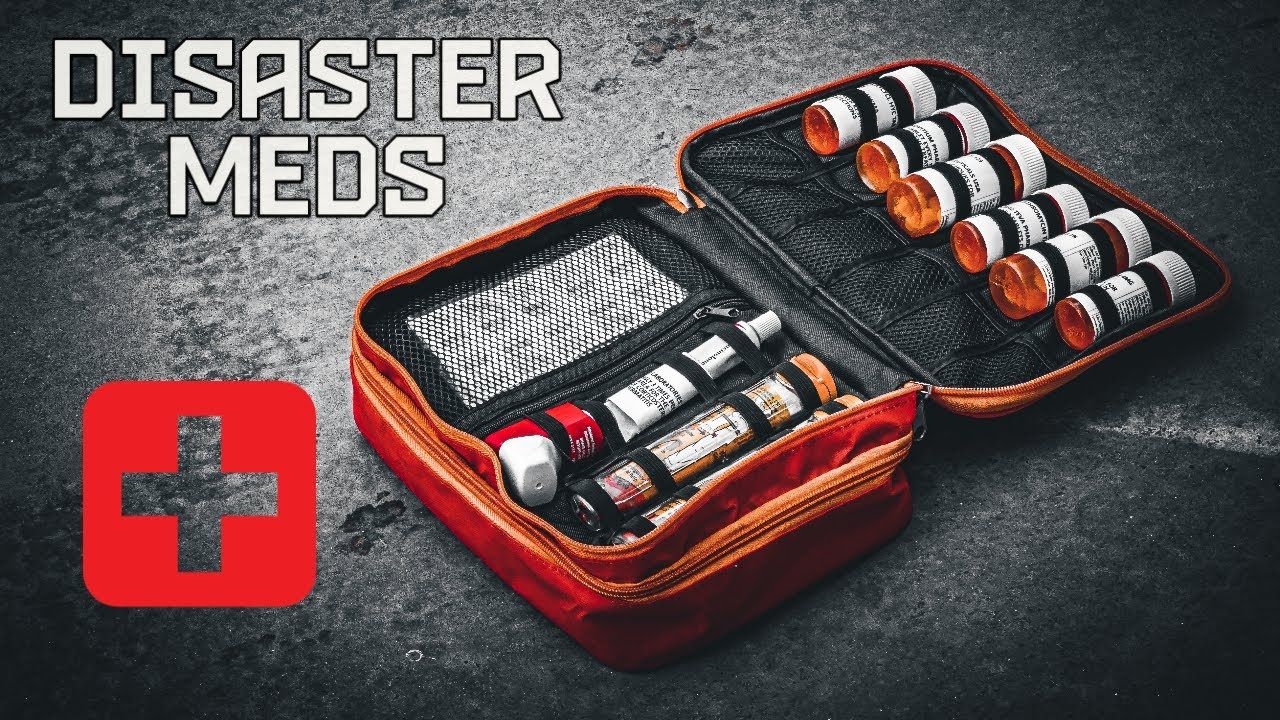
Prescription medicines should not be treated like replaceable travel products. Carry enough for the trip plus a reasonable delay buffer when appropriate, keep original labels where possible and bring supporting documentation if required.
The World Health Organization’s travel and health guidance notes that some medicines may be restricted in certain countries and advises travelers to carry appropriate documents. Check destination rules before departure and seek medical advice for personal needs.
Build a Tiny Health and Comfort Kit
Do not carry a portable pharmacy unless medical needs require it.
Common non-prescription travel items can include
- Bandages.
- Hand sanitizer.
- Personal pain relief if normally used and permitted.
- Motion-sickness product if appropriate for you.
- Electrolyte product when useful.
- Prescription copies.
Personal medical needs differ. Follow professional advice and destination rules.
Electronics: Reduce Duplicate Functions
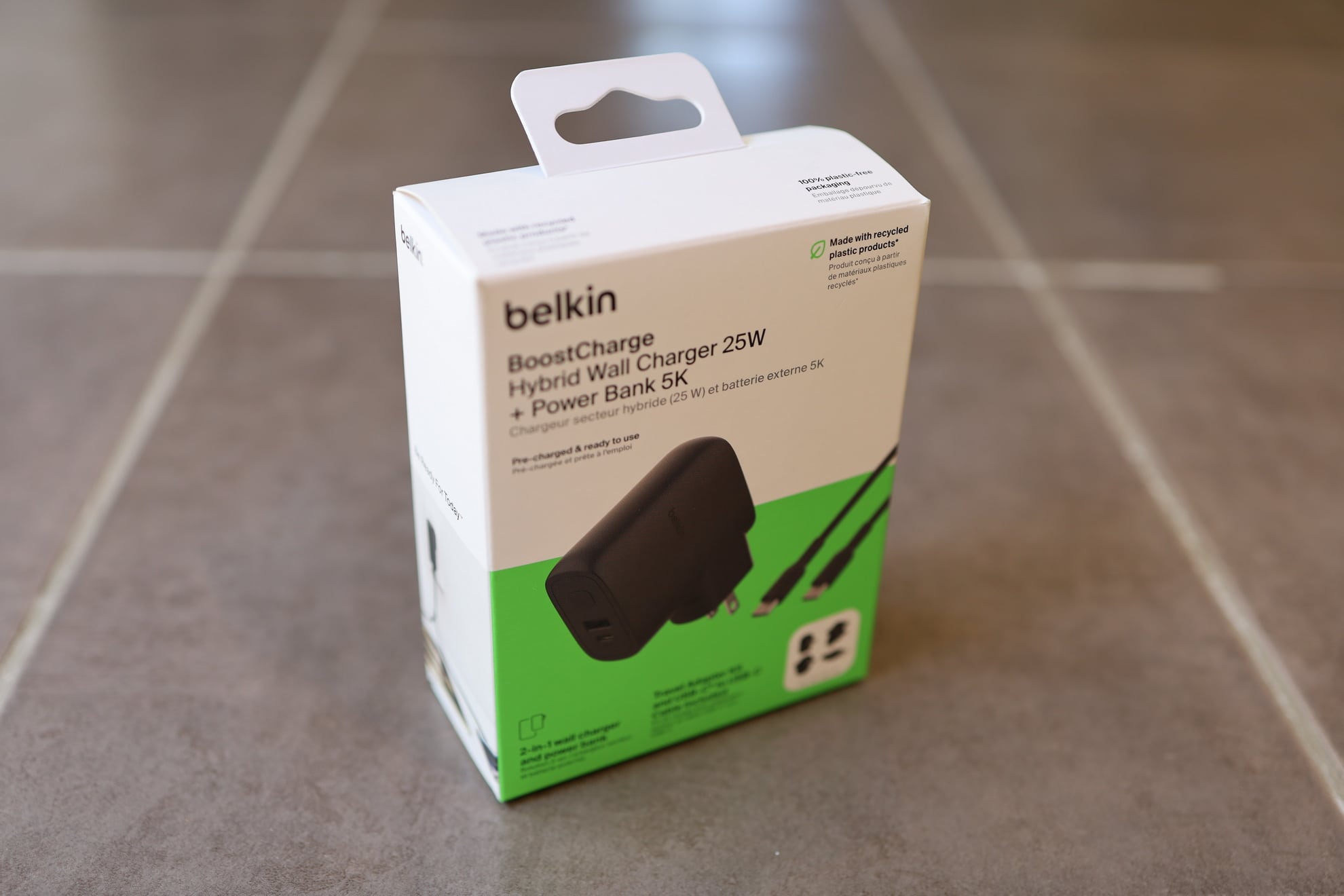
Many bags become heavy because travelers carry a laptop, tablet, camera, e-reader, headphones, power bank and multiple chargers without considering which devices overlap.
Ask what each device adds
- Phone: maps, camera, tickets, payments and communication.
- Laptop: only if work is necessary.
- Tablet or e-reader: useful for long travel, but optional.
- Camera: worth the weight if photography is a major purpose.
- Power bank: useful during long transit days.
Choose one multi-port charger when compatible instead of several bulky adapters.
Batteries and Power Banks Need Special Attention
Lithium-battery rules are safety-related and can differ by battery size and airline. Power banks are commonly subject to cabin-baggage restrictions rather than checked-bag storage.
For general international aviation safety context, the International Civil Aviation Organization publishes dangerous-goods information, but your airline’s instructions control what you should do for a specific flight.
Use One Travel Adapter Strategy
Check plug type and voltage for the destination. A plug adapter changes the shape of the connection; it does not necessarily convert voltage.
Before using appliances
Read the voltage label on chargers or devices. Hair tools and heating appliances deserve particular attention because not all are dual voltage.
Documents: Keep Digital and Physical Backups
Your passport, visas, insurance details and bookings should never exist in only one place.
Use a three-copy system
- Original documents carried securely.
- Offline digital copies on your phone.
- Secure cloud copies accessible from another device.
Do not store sensitive documents in a public photo album or unsecured shared folder.
Organize the Bag by Access Frequency
A perfectly folded suitcase can still be frustrating if the item you need is buried at the bottom.
Top-access items
- Passport and travel documents.
- One charging cable.
- Medication.
- Light layer.
- Headphones.
- Empty water bottle.
- Small snack.
Items needed only at the hotel can sit deeper in the bag.
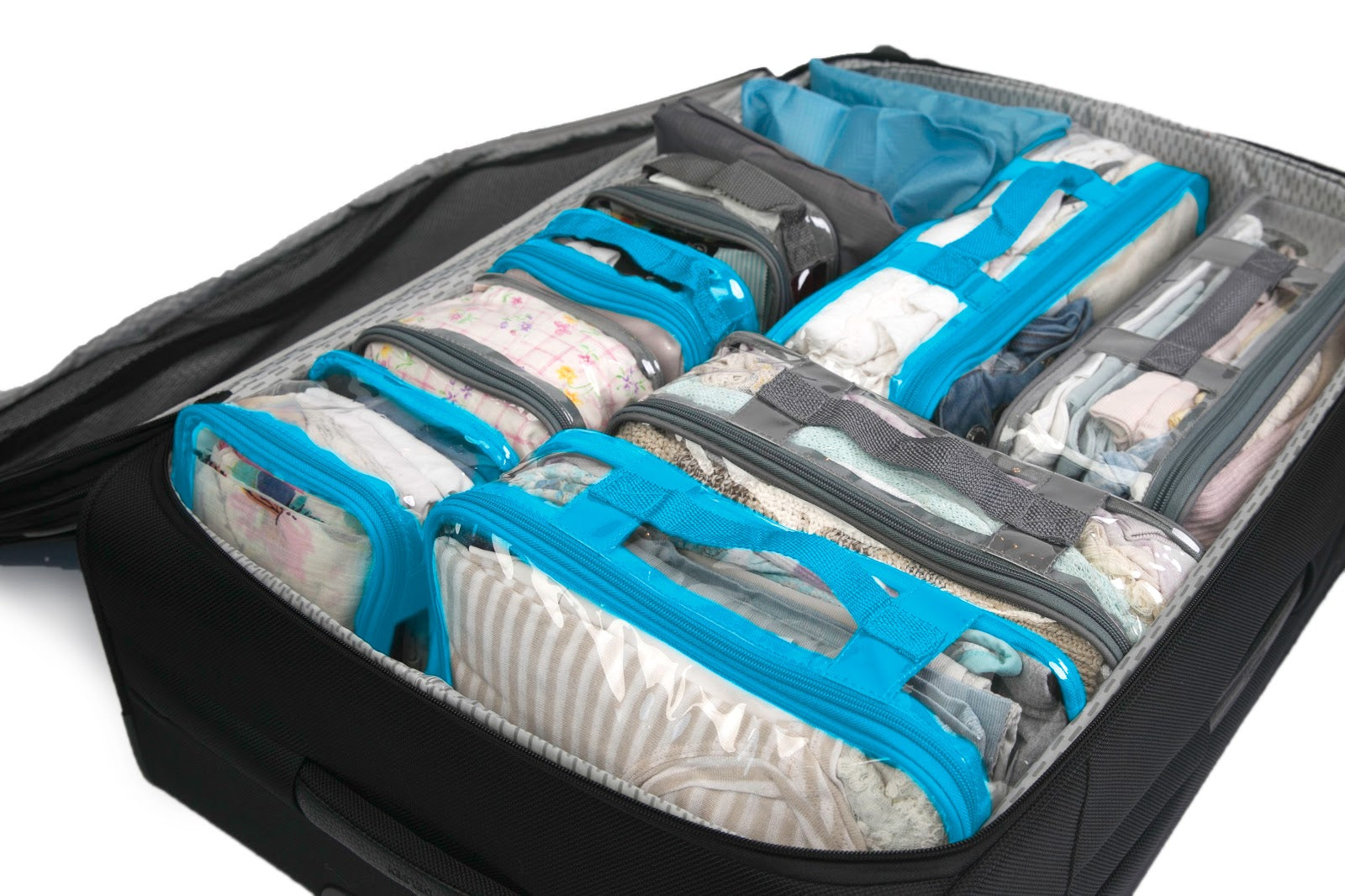
Packing Cubes: Useful, but Not Magic
Packing cubes improve organization but do not reduce the weight of belongings. They can even encourage overpacking because everything looks compressed.
Best use
Use one cube for tops, one for bottoms and one small cube for underwear or sleepwear. Leave room in the bag for souvenirs or shifting layers.
Personal Item Strategy
The personal item should contain anything you would need if the main cabin bag were unexpectedly gate-checked or delayed.
Keep these with you
- Passport and wallet.
- Phone and chargers.
- Prescription medicines.
- Valuable electronics.
- One basic change of clothing if practical.
- Keys and important documents.
Carry-On Packing Table
| Category | Suggested amount | Key principle |
|---|---|---|
| Tops | 4–5 | Mix with every bottom |
| Bottoms | 3–4 | Rewear between washes |
| Layers | 2–3 | Adapt to temperature |
| Shoes | 2 pairs | Comfort first |
| Underwear | 5–7 sets | Laundry extends the trip |
| Electronics | Necessary devices only | Avoid duplicate functions |
| Toiletries | Small routine | Follow security rules |
What Not to Pack
Common “just in case” mistakes
- More than two pairs of optional shoes.
- Full-size bottles when smaller amounts will work.
- Several heavy books.
- Large hair tools unless essential.
- Too many formal outfits.
- Duplicate chargers.
- Items easily available at the destination.
Leave 10–15 Percent of the Bag Empty
A completely full bag is difficult to repack and leaves no room for small purchases or a jacket that was worn on the outbound trip.
Empty space improves the trip
You do not need to fill every corner simply because it exists. A little spare space reduces morning packing stress on multi-city routes.
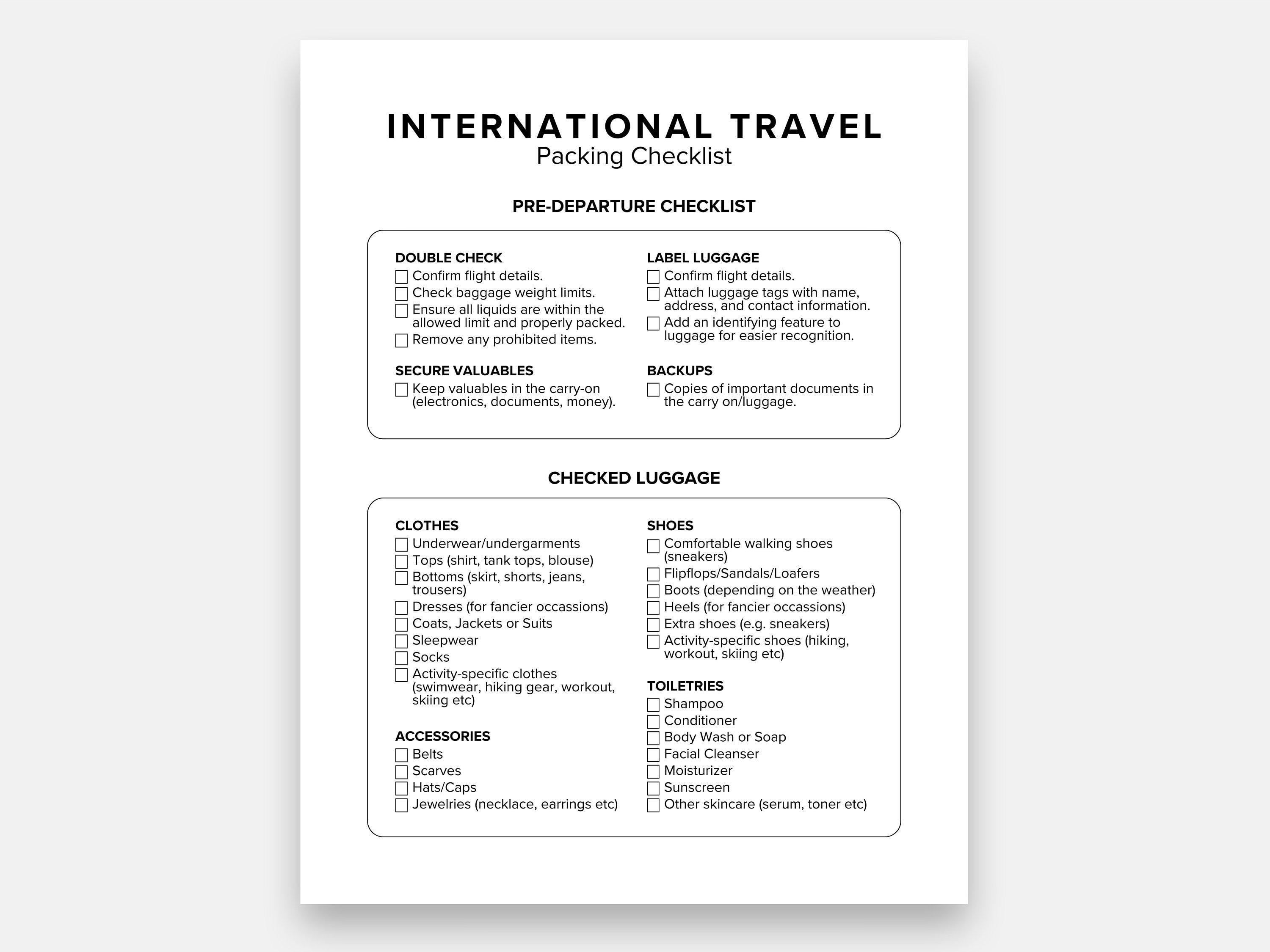
Final 24-Hour Packing Checklist
- Confirm airline size and weight limits.
- Weigh the bag at home.
- Check passport, visa and entry documents.
- Verify liquids and battery rules.
- Move medicines and valuables to the personal item.
- Download offline bookings and maps.
- Charge devices.
- Leave some free space in the bag.
Frequently Asked Questions
Can I really travel ten days with carry-on only?
Yes, many travelers can, especially with a small laundry plan and mix-and-match clothing. Climate, activities and personal needs may require more.
How many outfits should I pack?
Pack enough pieces to create multiple combinations rather than ten separate outfits. Rewearing outer layers is normal.
What if my airline weighs cabin bags?
Follow the published limit. A bag that physically fits may still be rejected if it exceeds the airline’s weight rule.
Should I use compression bags?
They can save volume but not weight. They are useful for bulky soft items, but do not let them tempt you into exceeding airline limits.
Actionable Conclusion
A good carry-on for a seven- to ten-day trip is built around versatile clothing, one laundry point, two practical pairs of shoes, a compact toiletry routine and only the electronics you will actually use. The most important step happens before packing: check the exact airline rules.
Pack for movement, not for every imaginable scenario. If you can lift the bag, find what you need quickly and create enough outfits without thinking about clothes every morning, the system is working.


2 Comments