

Remote work has completely changed how people travel now. A lot of professionals don’t wait all year for a short vacation anymore because work can move with them wherever they go. Designers developers writers consultants marketers and startup founders are working from different countries while still handling full-time jobs or freelance clients. Because of that there’s been a huge rise in travel experiences made especially for remote workers.
Hotels apartments coworking spaces and travel companies are now creating services that actually fit the needs of digital professionals. Fast internet quiet work areas flexible stays and healthy routines matter just as much as comfort now. Reports from places like Airbnb and Statista keep showing that work-from-anywhere travel is still growing as more companies move toward remote and hybrid work setups.
Remote workers also travel differently compared to normal tourists. Most of them stay longer build daily routines manage different time zones and look for places where they can stay productive while still enjoying life outside work. Some people choose beach towns in places like Thailand or Bali while others prefer structured city life in Lisbon Dubai or Singapore.
The best remote work travel experiences usually mix comfort strong infrastructure community and a healthy work-life balance. People want places where they can focus during work hours and still have meaningful experiences after they close the laptop. This guide looks at the travel trends destinations challenges and lifestyle changes shaping remote work travel this year.
Work-Friendly Cities Are Becoming Global Remote Work Hubs
A lot of cities are now competing to attract remote workers because long-stay travelers spend money steadily and help local businesses grow. Governments hotels and coworking brands are putting more effort into creating better infrastructure and flexible living options for digital professionals.
Cities That Balance Work and Lifestyle
Most remote workers choose destinations based on internet quality safety affordability weather and how easy daily life feels. Cities that offer these basics keep attracting long-term remote workers from all over the world.
Popular remote work hubs this year include:
- Lisbon
- Bali
- Dubai
- Bangkok
- Medellín
- Chiang Mai
These places usually have good coworking spaces healthy food options café culture and active communities full of freelancers founders and remote employees.
Remote Workers Stay Longer Than Tourists
Unlike regular tourists remote workers often stay in one place for weeks or even months. That’s why furnished apartments monthly rentals and flexible hotel packages have become much more popular.
Cities that support long-term living usually do better than destinations focused only on quick tourism. Remote workers care about simple everyday things like nearby gyms grocery stores quiet neighborhoods and reliable transport because they’re trying to build routines not just take photos.
A lot of destinations now market themselves directly to digital professionals because remote work tourism has become a serious economic trend.
Coworking Spaces Have Become Social and Professional Centers
Coworking spaces now play a huge role in remote work travel. People use them for work of course but also for networking collaboration and meeting others while traveling.
Reliable Workspaces Reduce Travel Stress
Working from cafés every day sounds nice at first but it gets difficult quickly because of noise uncomfortable seating unstable internet and lack of charging points. Coworking spaces fix many of those problems by giving people structured work environments built for productivity.
Common coworking features include:
- Fast Wi-Fi
- Video call rooms
- Quiet work zones
- Community events
- Networking meetups
- Coffee and snacks
- Printing facilities
Companies like WeWork and Outsite keep expanding services for digital professionals who travel often.
Community Matters for Long-Term Remote Travelers
One of the hardest parts of remote work travel is loneliness. A lot of people spend long periods away from family friends and office teams. Coworking communities help with that because they create social connections naturally through shared workspaces and events.
For example a freelance designer arriving alone in Bangkok can quickly meet writers developers founders and marketers through coworking meetups. Those connections often turn into friendships collaborations or even business partnerships.
For many remote professionals coworking culture is one of the biggest reasons they continue traveling instead of going back to traditional office life.
Long-Stay Hotels Are Adapting to Remote Professionals
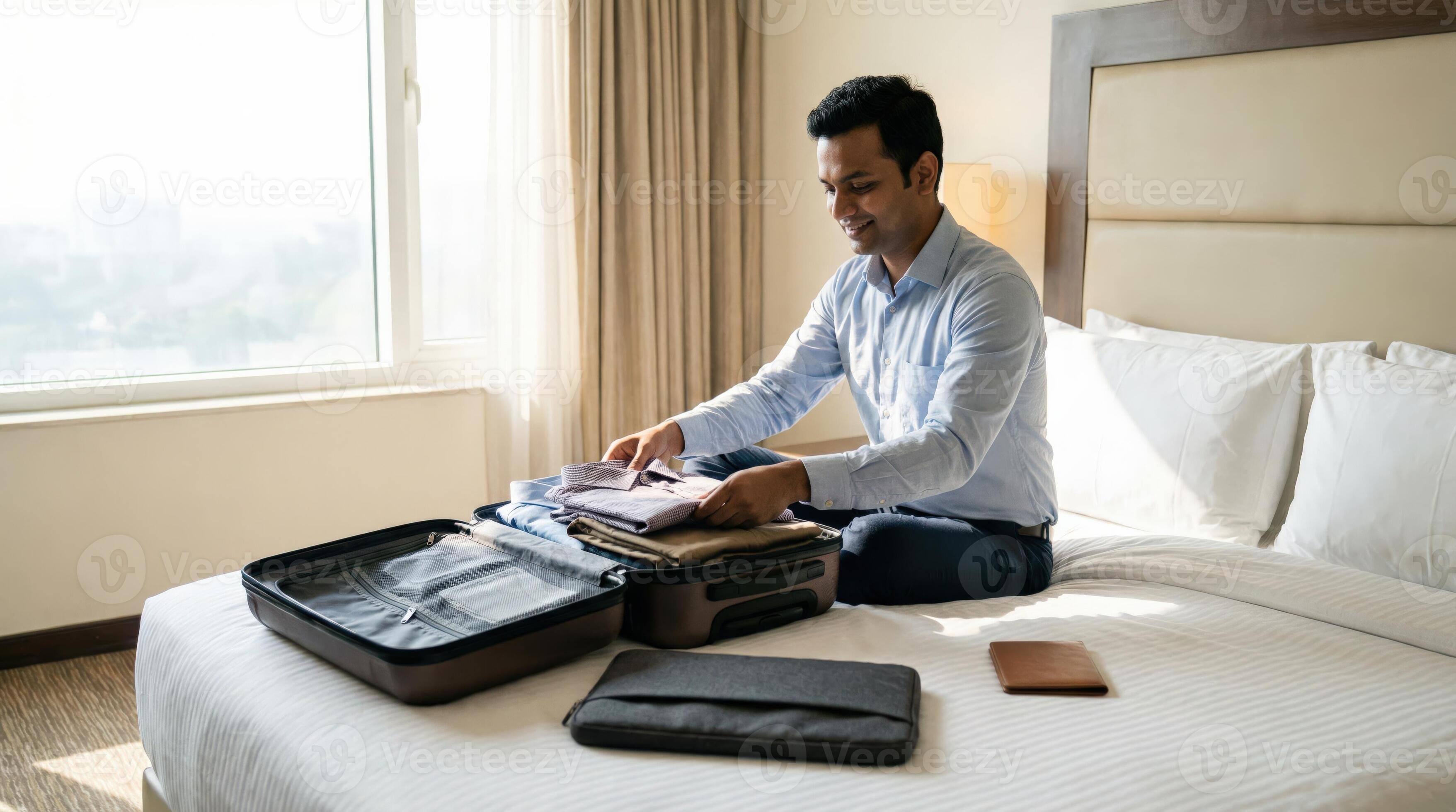
Hotels have changed a lot because of remote work trends. Many properties are no longer focused only on short vacations and are now designing spaces for longer working stays.
Modern Travelers Need Functional Spaces
Most digital professionals care more about practical setups than luxury decoration. A strong internet connection comfortable desk and quiet room usually matter more than fancy extras.
Hotels are now offering things like:
- Ergonomic work desks
- Coworking lounges
- Soundproof meeting rooms
- Long-stay discounts
- Kitchen facilities
- Laundry services
- Flexible check-in options
Big hospitality companies like Marriott International and Accor have expanded work-friendly and extended-stay programs because of this shift.
Work-Life Balance Shapes Booking Decisions
Remote workers spend much more time inside accommodations compared to vacation tourists and that completely changes how they choose places to stay.
For example a software developer working remotely for two months may care more about natural light kitchen access and quiet surroundings than nightlife or tourist attractions.
Hotels that understand this are creating hybrid spaces where guests can work comfortably while still relaxing after work. Some even organize wellness classes networking dinners and local experiences designed for remote professionals.
This shows how the hospitality industry is adapting to longer slower and more lifestyle-focused travel habits.
Remote Workers Increasingly Choose Slower Travel
A lot of remote professionals are moving away from fast tourism now. Instead of rushing through multiple countries they stay longer in fewer places. People usually call this slow travel.
Slow Travel Supports Better Productivity
Constant flights hotel changes and packed travel schedules make remote work stressful. Slow travel gives people more stability and helps reduce mental exhaustion.
Benefits of slower travel include:
- Predictable routines
- Less transportation stress
- Better sleep schedules
- Stronger local connections
- Better focus during work hours
When people stay longer they usually stop behaving like tourists and start building healthier everyday habits.
Local Experiences Become More Meaningful
Someone spending three months in Lisbon experiences the city very differently from someone visiting for four days. Long-term travelers learn café routines discover local markets and slowly become part of the neighborhood atmosphere.
A lot of remote workers in Bali join fitness groups language classes or volunteer activities while continuing full-time online work.
Slow travel also reduces burnout because people spend less energy constantly planning flights hotels and transport changes. For many professionals this lifestyle creates a healthier balance between work travel and personal wellbeing.
Internet Quality Now Shapes Travel Decisions
Reliable internet is now one of the biggest factors in remote work travel. Digital professionals depend on stable connections for meetings cloud platforms communication tools and file transfers every single day.
Poor Connectivity Can Damage Productivity
Remote workers usually research internet quality before choosing accommodations or destinations. Even the most beautiful place becomes frustrating if video calls keep failing or uploads take forever.
Most travelers check:
- Average Wi-Fi speed
- Backup internet options
- Mobile coverage
- Power outage frequency
- Coworking reliability
Places with weak infrastructure often struggle to attract long-term remote professionals even if they are affordable or visually stunning.
Countries Are Investing in Digital Infrastructure
Many governments now understand how valuable remote workers are for local economies. Some countries have improved broadband systems and public coworking infrastructure to attract international professionals.
Countries like Portugal Estonia and Thailand continue promoting remote-friendly infrastructure and digital nomad visa programs.
A lot of remote software engineers now prioritize internet reliability even more than sightseeing because without stable connectivity the entire lifestyle becomes difficult.
As remote work keeps growing internet access is starting to feel more like basic travel infrastructure instead of a luxury feature.
Wellness and Productivity Are Becoming Connected
Remote professionals are increasingly mixing travel with wellness-focused lifestyles. Long work hours online combined with constant movement can easily lead to burnout without healthy routines.
Travelers Want Better Daily Balance
Many remote workers now choose places that support healthier living instead of nonstop nightlife or crowded tourist zones.
Popular wellness-focused activities include:
- Morning yoga
- Walking meetings
- Beach workouts
- Healthy meal prep
- Meditation sessions
- Hiking after work
Places like Bali Costa Rica and Phuket attract remote workers partly because wellness culture already feels natural there.
Burnout Prevention Is Becoming More Important
Working remotely while traveling sounds exciting but too much flexibility can blur the line between work and personal life. Some people actually end up working longer hours because there’s no separation between office time and personal time.
A lot of remote workers now build routines on purpose like:
- Fixed work hours
- Phone-free evenings
- Scheduled workouts
- Weekly rest days
- Social activities outside work
For example a remote marketer staying in Chiang Mai might spend mornings working from a coworking space and evenings attending fitness or meditation classes.
That kind of structure helps make the lifestyle feel sustainable instead of exhausting.
Digital Nomad Visas Are Expanding Worldwide
Governments around the world are introducing digital nomad visas to attract remote professionals who stay longer and spend consistently in local economies.
Visa Flexibility Encourages Longer Stays
Traditional tourist visas often create uncertainty for remote workers staying several months. Digital nomad visas solve that problem by offering clearer legal status and longer stays.
Countries offering remote work visa programs include:
- Portugal
- Spain
- Croatia
- Indonesia
- United Arab Emirates
- Estonia
These visas usually require proof of remote income health insurance and minimum earning requirements.
Countries See Economic Value in Remote Workers
Remote professionals spend money steadily over long periods instead of making quick tourist purchases. They rent apartments work from cafés join gyms and support local businesses every day.
That’s why many governments now see remote workers as valuable contributors to local economies without competing directly for traditional jobs.
For example remote worker programs in Portugal helped increase demand for coworking spaces rentals and service businesses in cities like Lisbon and Porto.
Remote Work Travel Creates New Financial Challenges
Even though remote work travel gives people freedom it also comes with financial responsibilities that many travelers underestimate in the beginning.
Daily Costs Can Increase Over Time
Short vacations and long-term travel are very different financially. Remote workers need to manage ongoing expenses carefully.
Common costs include:
- Accommodation
- Coworking memberships
- Healthcare
- Travel insurance
- Transportation
- Currency exchange fees
- Taxes
Sometimes a city that feels cheap for a short trip becomes expensive during a six-month stay once deposits workspace costs and visa fees are added.
Income Stability Matters More Than Luxury
Experienced remote workers usually focus more on financial stability than luxury experiences. Many build emergency savings before starting long-term travel lifestyles.
Freelancers especially deal with extra pressure because income can change month to month while traveling.
A lot of travelers reduce expenses by:
- Booking monthly rentals
- Using public transport
- Cooking at home
- Traveling during off-season periods
Good financial planning makes remote work travel feel freeing instead of stressful.
Time Zone Management Has Become a Core Skill
Remote professionals often work with teams and clients spread across different countries which means time zone management has become one of the most important remote work skills.
Work Hours Can Shift Dramatically
Someone living in Bali while working for a company in New York City may have to attend late-night meetings several times every week. That affects sleep routines social life and overall productivity.
Common challenges include:
- Early morning meetings
- Overnight calls
- Delayed communication
- Less personal time
- Sleep disruption
Experienced remote workers usually choose destinations that align at least partly with their company’s work hours.
Smart Scheduling Reduces Burnout
A lot of professionals now build systems that help them manage global schedules more effectively.
Useful strategies include:
- Blocking focus hours
- Limiting late-night meetings
- Using scheduling apps
- Planning recovery time after travel
- Setting communication expectations with clients
For example a consultant living in Portugal while working with European clients will usually have a much healthier routine compared to someone constantly adjusting to multiple global time zones.
Remote Professionals Increasingly Travel in Small Communities
A lot of digital professionals are no longer traveling completely alone. Co-living spaces and small remote work communities have become much more popular recently.
Shared Living Creates Structure and Support
Co-living spaces combine accommodation coworking and social activities in one setup which helps people settle into routines faster after arriving somewhere new.
Common co-living features include:
- Shared kitchens
- Group dinners
- Coworking areas
- Weekly events
- Fitness activities
- Local tours
Brands like Selina and Outsite helped make this model popular across remote work destinations.
Community Helps Reduce Loneliness
Long-term travel can feel emotionally draining without stable social interaction. Co-living environments help people form friendships much faster.
For example a product designer arriving alone in Medellín might quickly connect with developers founders and creatives living in the same space.
These communities also help people maintain routines around work wellness and social life which makes long-term travel feel more balanced and sustainable.
Remote Work Travel Is Influencing Career Choices
Travel freedom is now affecting how many professionals think about careers employers and long-term lifestyle goals.
Workers Increasingly Value Flexibility
A lot of employees now choose remote-friendly jobs over higher-paying office-based roles because flexibility gives them more control over where and how they live.
Companies trying to attract global talent are increasingly supporting:
- Hybrid work
- Remote-first teams
- Flexible schedules
- International work policies
Companies like Airbnb publicly expanded remote work flexibility policies which influenced wider workplace trends.
Travel Changes Personal Priorities
Many remote professionals say travel completely changes the way they think about life and work. Some leave expensive cities while others move toward freelancing entrepreneurship or slower living environments.
For example someone who spends several months working remotely in Portugal may eventually decide to adopt a location-independent lifestyle permanently.
Remote work travel is no longer only about tourism. It’s changing how people define career success productivity and personal wellbeing.
Conclusion
Remote work travel has grown from a niche lifestyle into a major global movement for digital professionals. People across different industries are now combining careers with long-term travel flexible living and location independence.
The best remote work experiences usually balance productivity with wellbeing. Reliable internet supportive communities healthy routines coworking spaces and stable daily habits matter far more than luxury tourism alone.
Cities governments hotels and hospitality brands are adapting quickly because remote professionals are becoming an important part of the global travel economy. Digital nomad visas long-stay accommodations and remote-friendly infrastructure will probably continue expanding over the next few years.
At the same time this lifestyle still requires discipline. Financial planning time zone management emotional balance and structured routines all play a big role in whether remote work travel feels sustainable long term.
For many digital professionals remote work travel is no longer just about visiting new places. It has become a completely different way of living and working where flexibility meaningful experiences and better work-life balance matter more than traditional ideas of success.





One Comment