
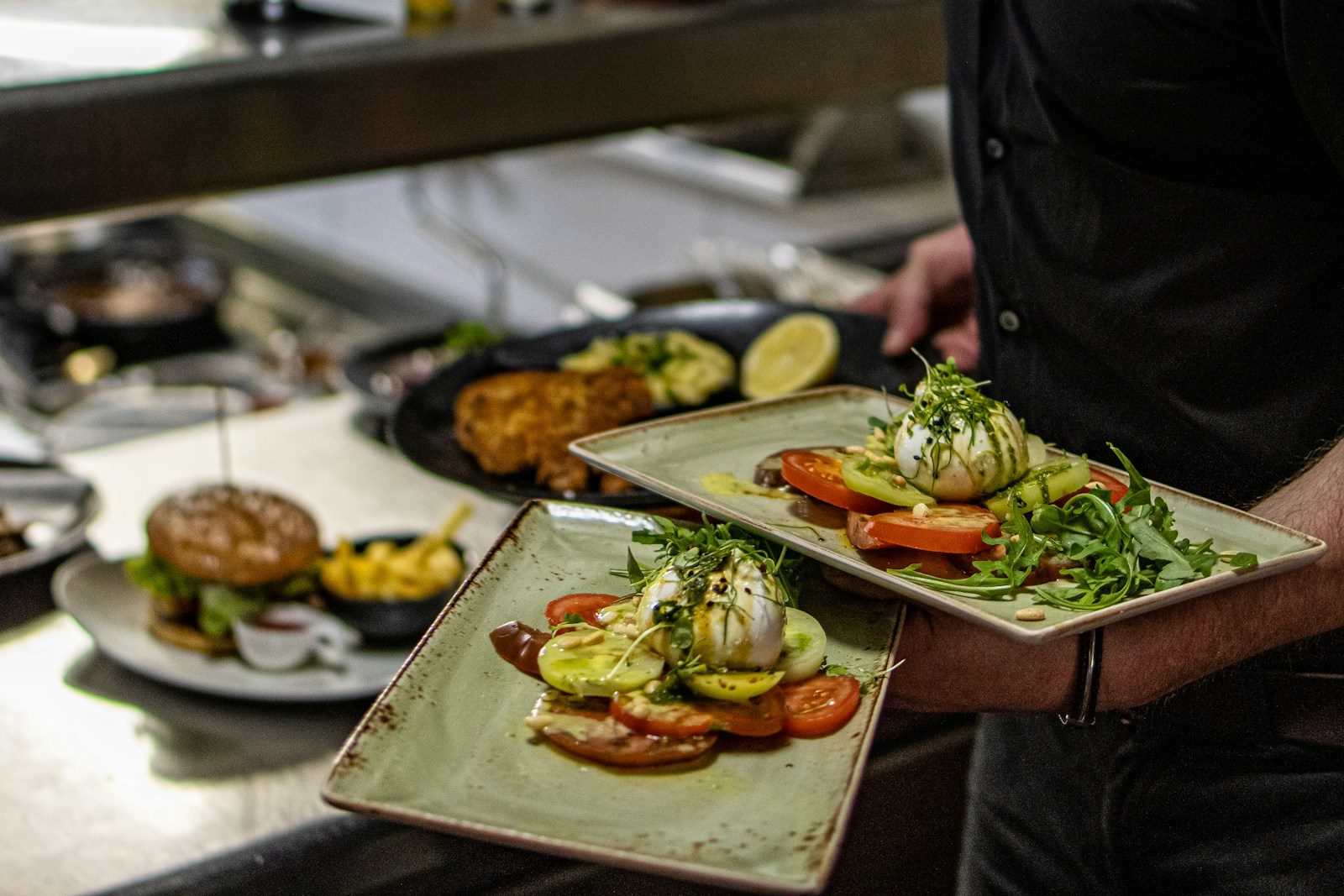
Food has become one of the biggest reasons people travel now. Travelers are no longer choosing destinations only for famous landmarks beaches or luxury hotels. A lot of people now plan trips around local dishes street food traditions and unique dining experiences.
Cities like Tokyo, Bangkok, and Istanbul have seen huge growth in culinary tourism because travelers want food that feels real local and personal.
Modern food travel is not only about eating in expensive restaurants every day. For many travelers it means learning how local people cook visiting crowded food markets joining small family-run cooking classes and tasting regional dishes that are difficult to find outside their home country. Food also helps people understand history migration climate and culture in a much more natural way.
Social media has changed food travel a lot too. Platforms like YouTube and Instagram help travelers discover hidden cafes local bakeries and regional specialties before they even arrive. At the same time more travelers are thinking carefully about sustainability local sourcing and supporting small food businesses instead of global chains.
This guide explores some of the most rewarding food travel experiences that every food lover should try at least once.
Street Food Tours That Reveal Real Local Culture
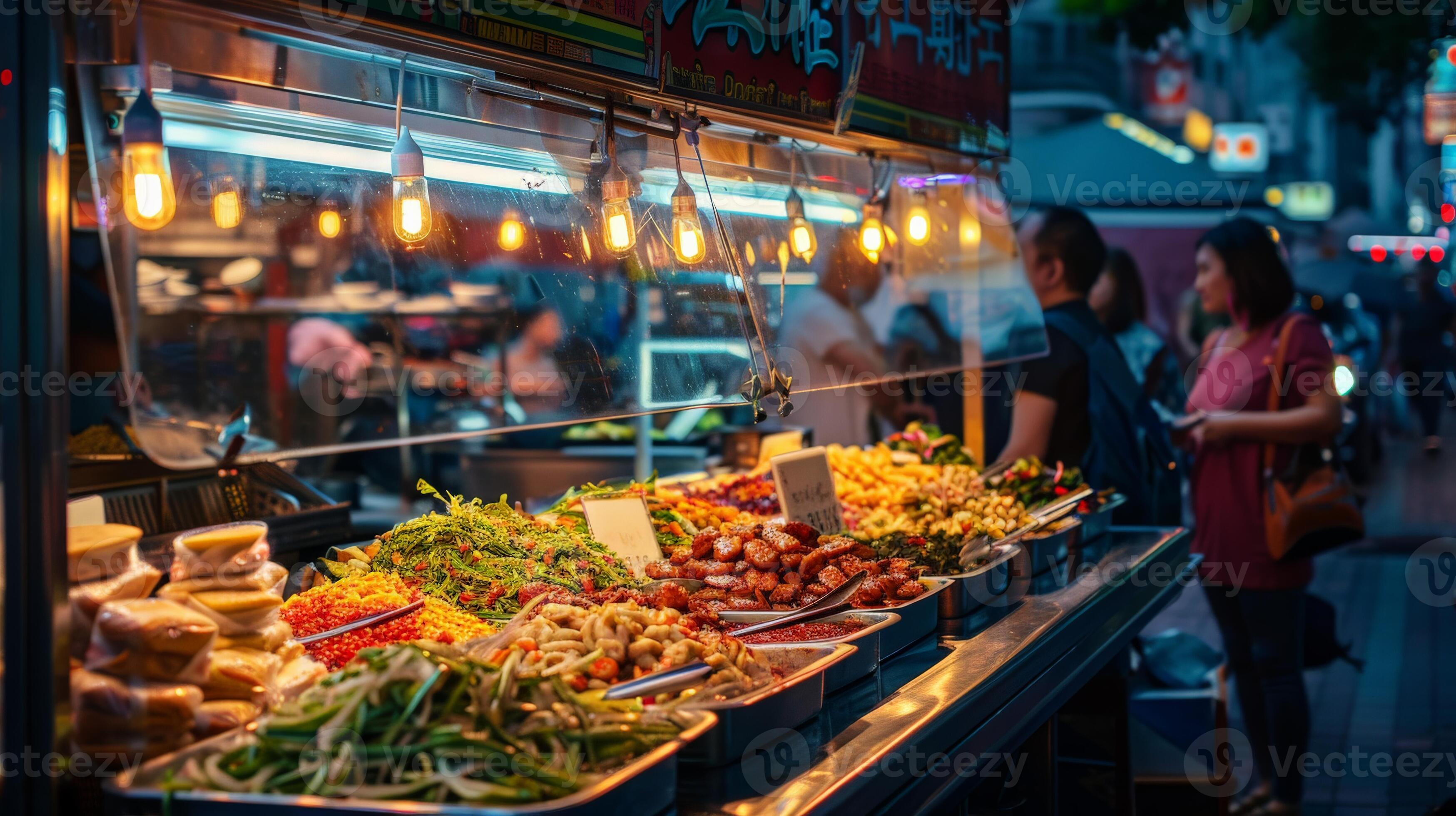
Street food gives travelers one of the quickest and most honest ways to understand a city. Unlike fine dining restaurants street vendors often serve recipes passed down through generations. These dishes reflect local habits weather ingredients and daily life.
Cities like Bangkok and Mexico City have built strong food identities around street cuisine. Travelers can try grilled meats noodles soups fresh fruit and local desserts within just a few streets. The whole experience feels lively and social because food is cooked right in front of customers.
Why Guided Food Walks Work Well
A guided street food tour helps travelers avoid common problems like language barriers tourist traps or food safety concerns. Local guides usually explain cooking methods traditions and the story behind different dishes.
In places like Hanoi many travelers join evening food walks where they try pho bun cha egg coffee and grilled seafood. These tours also help visitors explore neighborhoods they might never discover alone.
What Smart Travelers Usually Do
Experienced food travelers often follow a few simple habits:
- Eat where local crowds gather
- Choose stalls with fresh cooking activity
- Carry cash for small purchases
- Try smaller portions from multiple vendors
- Visit markets during busy meal times
Street food tours work best when travelers stay curious and willing to try something new. Some of the best dishes come from tiny roadside kitchens not famous restaurants.
Cooking Classes That Teach More Than Recipes
Cooking classes have become one of the most meaningful travel experiences because they create a deeper connection with local culture. Instead of only tasting dishes travelers learn how ingredients techniques and traditions come together inside everyday kitchens.
In Chiang Mai travelers often visit farms before cooking Thai curries and noodle dishes. In Bologna visitors learn handmade pasta from local chefs and home cooks. These classes give people practical skills they can continue using long after the trip ends.
The Value of Hands-On Learning
Watching someone cook can be interesting but preparing dishes yourself creates much stronger memories. Travelers understand how spices balance flavors how dough texture changes and why fresh ingredients matter so much in regional cuisine.
Many cooking schools also explain cultural traditions connected to meals. In Japan some classes teach the importance of seasonality and presentation in dishes like sushi and kaiseki dining. That deeper understanding helps travelers appreciate food beyond taste alone.
Choosing the Right Culinary Class
Not every cooking class feels the same. Travelers usually enjoy programs more when they include:
- Local market visits
- Small group sizes
- Traditional family recipes
- Fresh local ingredients
- Hands-on preparation instead of demonstrations only
A good cooking class often becomes one of the most personal memories from a trip because it combines learning conversation and food in a relaxed environment.
Visiting Local Food Markets Before Sunrise
Food markets show how a city really works. Early morning visits let travelers see chefs buying seafood families choosing produce and vendors preparing fresh ingredients before tourists arrive. It feels authentic because everything happens naturally before the city becomes crowded.
Markets like Tsukiji Outer Market and La Boqueria attract travelers who want to see local ingredients at their freshest stage. The atmosphere feels noisy fast and exciting all at once.
Why Morning Visits Matter
Food quality is usually best early in the day. Fresh fish vegetables bread and meat arrive before restaurants begin service. Travelers also get better conversations with vendors because markets feel less crowded during those hours.
In cities like Marrakesh morning spice markets are filled with strong aromas colorful displays and traditional products that are difficult to find elsewhere. Travelers can learn how herbs and spices are used in daily cooking.
Ways to Explore Markets Successfully
Travelers often enjoy food markets more when they:
- Arrive before 8 a.m.
- Carry reusable bags and water
- Taste small samples from different stalls
- Ask vendors simple questions about ingredients
- Observe how locals shop and negotiate prices
Markets also help travelers understand seasonal eating habits because fresh ingredients usually reflect local farming traditions and climate.
Dining at Family-Owned Restaurants Instead of Tourist Chains
Big restaurant chains offer comfort and predictability but family-owned restaurants usually create much stronger cultural experiences. These places often protect recipes cooking methods and hospitality traditions that large businesses cannot easily copy.
In Naples small pizza shops still use techniques developed generations ago. In Istanbul family-run kebab restaurants prepare dishes based on regional traditions instead of international food trends.
Why Small Restaurants Leave Stronger Memories
Independent restaurants usually care more about flavor and local reputation than perfect presentation for social media. Meals may look simple but they often reflect local identity much better.
Owners and chefs also interact directly with guests. Travelers sometimes hear local stories get dish recommendations or even try off-menu specialties that create a more personal experience.
Signs of a Reliable Local Restaurant
Travelers often notice a few simple signs:
- Local families eat there regularly
- Menus stay focused instead of oversized
- Staff explain dishes confidently
- Food preparation remains visible
- Reviews mention consistency more than trends
Many experienced travelers say their best meals happened in small places with basic interiors instead of luxury restaurants.
Wine and Vineyard Experiences Beyond Traditional Tastings
Wine tourism has changed a lot over the years. Modern vineyard experiences now include farm stays vineyard walks food pairings harvest activities and conversations with winemakers. These experiences help travelers understand how geography climate and farming affect flavor.
Regions like Tuscany and Napa Valley are still very popular but newer wine regions in Argentina and Portugal are getting more attention because travelers want quieter and less crowded experiences.
Understanding the Story Behind Wine
Good vineyard tours explain much more than tasting notes. Travelers learn about soil grape varieties weather conditions and production methods. That deeper understanding changes how people experience wine later.
Some vineyards also focus heavily on sustainability. Organic farming water conservation and local sourcing attract travelers who care about environmental impact along with quality.
Experiences That Add Real Value
Travelers often enjoy vineyard visits more when they include:
- Walking through vineyards with local guides
- Pairing wines with regional cheeses
- Staying overnight on wine estates
- Watching small-batch production methods
- Joining seasonal harvest celebrations
These experiences create a slower style of travel that feels relaxing and personal instead of rushed.
Seafood Journeys in Coastal Fishing Towns
Coastal food experiences feel very different from city dining because freshness shapes almost every meal. Fishing towns often serve seafood only hours after it is caught which completely changes flavor and texture.
Places like Busan and Lisbon attract travelers looking for grilled fish shellfish and local seafood dishes prepared in simple traditional ways.
Why Coastal Cuisine Feels Unique
Fishing communities build food traditions around local waters and seasonal catches. That creates dishes which are difficult to recreate elsewhere because ingredients vary from region to region.
Travelers often visit fish auctions harbor markets or dockside restaurants to understand how seafood moves from ocean to plate. These experiences feel educational without becoming too formal.
Practical Tips for Seafood Travelers
Food lovers usually improve their seafood experiences by:
- Asking about seasonal catches
- Trying lesser-known local fish species
- Visiting working fishing harbors
- Eating near ports for maximum freshness
- Learning simple local seafood names
In many places simple grilled fish with olive oil lemon or herbs tastes better than heavily processed dishes. Freshness becomes the main attraction.
Exploring Dessert Traditions Around the World
Desserts tell important stories about trade migration religion and celebration. Ingredients like chocolate sugar nuts and spices traveled across continents for centuries shaping sweets in different cultures.
Travelers visiting Paris often explore pastry shops for croissants and macarons while visitors to Istanbul discover baklava and Turkish delight connected to Ottoman food history.
The Emotional Side of Sweet Foods
Desserts are strongly connected to family traditions and festivals. Many recipes appear during weddings religious celebrations and seasonal events. Travelers who explore sweets often gain insight into local customs that normal sightseeing misses.
Small bakeries also preserve techniques that huge commercial brands rarely maintain. Handmade pastries regional cakes and traditional candies often require skills developed over decades.
How to Explore Dessert Culture Well
Travelers usually enjoy dessert-focused trips more when they:
- Visit historic bakeries
- Try seasonal specialties
- Learn how sweets pair with tea or coffee
- Explore neighborhood pastry shops
- Taste local ingredients like pistachio or saffron
Dessert tourism works especially well for travelers who enjoy slow relaxed exploration.
Farm-to-Table Travel Experiences in Rural Regions
Farm-to-table travel helps people understand where food truly begins. Instead of seeing meals only as restaurant products travelers experience farming harvesting and local food production directly.
Rural regions in New Zealand and Spain now offer culinary farm stays where visitors collect vegetables make cheese bake bread and prepare meals using nearby ingredients.
Why Rural Food Travel Feels Different
Cities often separate people from food production. Rural experiences reconnect travelers with agriculture seasonal eating and local farming traditions. Guests see how weather soil and labor influence the final meal.
This type of travel also supports smaller communities instead of focusing tourism only around major cities.
Experiences That Create Lasting Memories
Popular farm-based food experiences include:
- Olive oil tastings in Mediterranean regions
- Cheese-making workshops
- Fruit harvesting during seasonal festivals
- Open-fire outdoor cooking
- Shared meals with farming families
Travelers often leave with more respect for ingredient quality and reduced food waste because they understand the work behind every product.
Learning Through Traditional Tea and Coffee Cultures
Tea and coffee experiences have become a major part of culinary tourism. Travelers now visit plantations tea houses and coffee farms to understand how beverages shape local culture and social life.
In Kyoto traditional tea ceremonies teach patience presentation and hospitality. In Colombia coffee farm tours explain harvesting roasting and brewing methods that influence global coffee culture.
Why Beverage Tourism Keeps Growing
Tea and coffee experiences connect travelers to slower daily rituals. Unlike rushed meals these moments encourage observation conversation and relaxation.
Specialty coffee culture has also changed city travel. Independent cafes now attract travelers searching for local roasting styles neighborhood culture and creative drinks.
What Travelers Should Pay Attention To
A strong tea or coffee experience often includes:
- Learning sourcing methods
- Watching preparation techniques
- Understanding local etiquette
- Tasting regional varieties side by side
- Visiting farms or plantations when possible
These experiences help travelers appreciate quality differences while supporting local producers and small businesses.
Festival Food Experiences Worth Planning Around
Food festivals bring together chefs farmers local vendors and travelers in one place. They give visitors an easy way to taste regional specialties while also experiencing local celebrations and traditions.
Events like Oktoberfest and Salon du Chocolat attract visitors because they combine food music culture and community gatherings together.
Why Festivals Create Better Food Variety
Food festivals often showcase dishes from different regions within one country. Travelers can compare flavors ingredients and cooking styles without traveling across multiple cities.
Seasonal timing matters too. Seafood festivals harvest fairs and street food events usually feature ingredients at peak freshness which improves overall quality.
How to Plan a Festival Food Trip
Travelers often prepare successfully by:
- Booking hotels early
- Researching peak event dates
- Wearing comfortable shoes
- Carrying small cash amounts
- Prioritizing local vendors over commercial chains
Festival travel works best when people stay flexible because unexpected discoveries often become the highlight of the trip.
Fine Dining Experiences That Reflect Local Identity
Fine dining becomes much more meaningful when restaurants reflect local culture instead of copying international trends. The best culinary destinations combine technical skill with local ingredients and storytelling.
Restaurants connected to chefs like Massimo Bottura and René Redzepi became famous because they reinterpret traditional cuisine while still protecting local identity.
Why Modern Fine Dining Has Changed
Many luxury restaurants now focus less on formality and more on authenticity. Menus often highlight seasonal produce local farms and forgotten regional recipes.
Travelers increasingly choose tasting menus because they offer structured ways to understand local ingredients through multiple smaller dishes.
How to Choose a Meaningful Restaurant
Travelers usually look for restaurants that:
- Use local ingredients
- Explain cultural influences clearly
- Change menus seasonally
- Support nearby farms and producers
- Balance creativity with tradition
Fine dining feels most valuable when travelers learn something new about a destination instead of only seeing expensive presentation.
Food Souvenirs That Preserve Travel Memories
A lot of travelers now prefer edible souvenirs over decorative products because food creates stronger emotional memories. Tea spices sauces coffee chocolates and regional snacks help people reconnect with places after returning home.
Markets in Seoul and Marrakesh attract visitors searching for packaged local specialties and unique ingredients.
Choosing Souvenirs That Stay Useful
Good food souvenirs should travel well reflect local culture and remain practical. Travelers usually avoid oversized decorative products and buy items they can cook with share or enjoy later.
Regional ingredients also encourage travelers to recreate dishes at home which extends the travel experience naturally.
Smart Shopping Habits for Food Travelers
Helpful practices include:
- Checking customs rules before buying
- Choosing sealed products for transport
- Buying directly from local producers
- Asking vendors about shelf life
- Packing fragile products carefully
Food souvenirs create memories long after trips end because they connect taste smell and emotion together.
Conclusion
Culinary travel offers much more than good meals. It helps travelers understand culture history geography and community through everyday experiences. From crowded street markets to peaceful rural farms food creates connections that traditional sightseeing often cannot provide.
The best food trips rarely depend on luxury alone. Authentic experiences usually come from curiosity local interaction and willingness to try unfamiliar dishes. Travelers who explore food thoughtfully often return home with stronger memories practical skills and deeper appreciation for different cultures.
As global travel keeps evolving culinary tourism will probably continue growing because people want experiences that feel personal meaningful and real. Whether someone joins a cooking class in Italy explores seafood markets in Portugal or drinks tea in Japan food remains one of the easiest and most powerful ways to connect with the world.



2 Comments