Ultimate Budget Travel Guide for International Trips in 2026

International travel in 2026 feels very different now compared to a few years back. Flight prices go up and down all the time hotels change rates almost daily and a lot of travelers now use AI tools to plan trips in a smarter way. At the same time more airlines are adding direct routes budget-friendly countries are getting more attention and flexible travelers are finding deals that were hard to get before.

Reports from Mastercard and Amadeus show that people now care more about exchange rates lower daily costs and smart planning instead of only chasing famous tourist spots.

The best part is that international travel is no longer just for luxury travelers. Students families solo travelers and remote workers are now visiting different countries without spending huge amounts. A properly planned trip to Vietnam Georgia Indonesia Turkey or parts of Eastern Europe can easily cost less than a fancy weekend in many big cities.

This guide is focused on simple things that actually work in real life. You will learn how to find cheaper flights avoid hidden charges choose affordable places use AI travel tools handle currency exchange travel safely and make your money last longer without ruining the fun of the trip. The idea is simple travel more and spend less.

Choosing Destinations Where Your Money Goes Further

A budget trip usually starts with choosing the right country. A lot of travelers spend too much before the trip even begins because they only think about famous cities like Paris London or New York City during peak tourist months. In 2026 smarter travelers are choosing places where food transport and hotels cost less and where their currency gives better value.

Why exchange rates matter more now

Recent travel reports show that more people now pick destinations based on affordability and currency value. A stronger exchange rate can reduce hotel food and transport expenses by a huge amount compared to expensive countries.

For travelers from India countries like these often give much better value:

  • Vietnam
  • Thailand
  • Indonesia
  • Georgia
  • Turkey
  • Albania
  • Malaysia

In places like Hanoi or Bali you can still get a full local meal cheaper than a single coffee in central London.

How to compare destinations before booking

Before booking anything compare things like:

  • Average food costs
  • Public transport prices
  • Visa fees
  • SIM card costs
  • Hotel or hostel rates
  • Tourist attraction prices

Websites like Numbeo Google Travel and Skyscanner help compare total trip costs instead of only flight tickets.

A real example

Someone with a budget of around ₹1.2 lakh may only manage about 5 or 6 days in Japan on a tight budget while the same amount could comfortably cover 12 to 15 days in Vietnam.

At the end it depends on what kind of trip you want not what social media says is trending. Flexible travelers usually end up staying longer and seeing more real local life.

Finding Cheap Flights Without Falling for Fake Deals

Flights still take up the biggest chunk of most travel budgets. In 2026 airline prices change very fast because of fuel costs demand and seasonal rush. That is why flexibility matters more now than loyalty programs.

Flexible dates save more than loyalty points

Travelers who only want fixed dates usually end up paying the highest prices. Flying in the middle of the week using nearby airports and avoiding school holiday periods can save a lot.

Many experienced travelers now do things like:

  • Track prices for a few weeks
  • Use flexible date searches
  • Compare one-way tickets
  • Travel during shoulder seasons

Flights on Wednesdays and Thursdays are often cheaper than weekend departures.

Best tools for finding cheaper flights

Some of the most useful tools right now are:

A lot of these platforms now use AI to predict whether ticket prices may rise or fall soon.

Hidden costs that ruin savings

Cheap flight deals sometimes become expensive later because of:

  • Cabin bag charges
  • Airport transfer costs
  • Seat selection fees
  • Long layovers
  • Transit visa requirements

One simple trick that works

Instead of searching for direct popular routes like Mumbai to Paris try searching for places like:

  • Mumbai to Milan
  • Mumbai to Brussels
  • Mumbai to Budapest

Then use trains or budget airlines inside Europe. Many travelers save a surprising amount this way.

Using AI Travel Tools the Smart Way

AI travel planning became very normal by 2026. Travelers now use AI for comparing routes building itineraries checking prices and avoiding planning mistakes.

AI saves money by helping avoid bad choices

The biggest savings do not always come from cheaper flights. AI tools can help avoid mistakes like:

  • Booking hotels far from transport
  • Picking bad layover routes
  • Paying expensive airport taxi fares
  • Missing cheaper local transport options

Small mistakes like these quietly increase your trip cost.

Useful AI tools for travelers

Popular travel tools include:

Some travelers now use AI to build full daily plans based on budget transport time and weather.

Where AI still gets things wrong

AI tools are useful but they still make mistakes sometimes. Always double-check:

  • Visa rules
  • Hotel reviews
  • Train schedules
  • Local safety updates

A practical example

Someone planning a 10-day Southeast Asia trip can ask AI to:

  • Suggest the cheapest route
  • Find budget night buses
  • Balance sightseeing and travel time
  • Avoid tourist trap restaurants

It saves time reduces stress and still keeps the trip flexible.

Planning Around Seasons Instead of Trends

A lot of travelers spend extra money because they travel at the exact same time as everyone else. Budget travelers usually think differently. They pay attention to seasons and pricing patterns instead of viral travel trends.

Shoulder season is usually the best time

Shoulder season means the weeks just before or after peak tourist months. During this time:

  • Flights are cheaper
  • Hotels lower their prices
  • Tourist places are less crowded
  • The weather is often still good

Examples include:

  • Europe during April and May or September and October
  • Japan in late autumn
  • Thailand during early rainy season
  • Turkey during spring

Problems during peak season

Peak season usually brings:

  • Long waiting lines
  • Expensive hotels
  • Crowded attractions
  • Higher taxi fares
  • Limited transport availability

Even budget hostels raise prices heavily.

Why weather research matters

Do not trust only social media photos. Always check things like:

  • Rainfall
  • Humidity
  • Air quality
  • Heat waves
  • Hurricane periods

For example cherry blossom season in Japan looks beautiful but prices rise sharply. Autumn in Japan often feels calmer cheaper and less crowded.

In Bali wet season usually lowers hotel prices but many cafés and attractions still stay open.

Good timing often matters more than chasing a cheap deal.

Building a Realistic Daily Budget

A lot of travelers only think about flights and hotels while forgetting daily expenses like snacks internet transport and emergency costs.

Start with a simple formula

A good travel budget should include:

  • Accommodation
  • Food
  • Transport
  • Activities
  • Emergency backup
  • Shopping money

It also helps to make:

  • A planned budget
  • A maximum emergency budget

The 60 20 20 rule

Many experienced travelers follow a simple split:

  • 60% for fixed costs
  • 20% for experiences
  • 20% for emergencies

This helps avoid panic spending later.

Track spending daily

Apps that help with daily tracking include:

Checking expenses every day is much better than waiting until the trip ends.

Real example

A traveler in Vietnam may spend roughly:

  • Hostel around $10
  • Food around $12
  • Transport around $5
  • Attractions around $10

That comes to about $37 daily while a similar travel style in Switzerland could easily cross $120 per day.

The destination changes everything.

Choosing Budget Accommodation Without Regret

Cheap accommodation can either make your trip easier or completely ruin it. The goal is not finding the absolute lowest price. The real goal is getting good value.

Location matters more than luxury

A cheaper hotel far from the city center often increases:

  • Taxi costs
  • Travel time
  • Stress
  • Food expenses

Sometimes spending slightly more near metro stations actually saves money overall.

Best low-budget stay options

Travelers in 2026 commonly use:

  • Hostels
  • Capsule hotels
  • Guesthouses
  • Airbnb rooms
  • Co-living spaces
  • University stays during holidays

What to check before booking

Always read reviews for:

  • Cleanliness
  • Noise levels
  • Wi-Fi quality
  • Safety
  • Public transport access

Photos alone are never enough.

A useful hostel trick

Many solo travelers now mix shared hostel rooms for meeting people with occasional private rooms for rest during longer trips.

Some hostels also include extras like:

  • Free breakfast
  • Walking tours
  • Kitchen access
  • Laundry facilities

Those small things can save a lot over time.

Eating Well While Spending Less

Food can either become one of the best parts of travel or one of the biggest expenses. Travelers who only eat in tourist areas usually pay much more.

Local food usually gives better value

Travel reports show that younger travelers now prefer local food experiences over expensive restaurants. Street food local bakeries and neighborhood markets often give better meals for far lower prices.

Smart food habits while traveling

Useful habits include:

  • Eat near offices and universities
  • Buy snacks from grocery stores
  • Carry a reusable water bottle
  • Look for lunch specials
  • Avoid airport meals

Helpful food apps

Some useful apps include:

Real example from Southeast Asia

In Bangkok someone may spend just $2 or $3 for local noodles while tourist restaurants may charge $15 to $20 for a similar meal.

Most travelers enjoy trips more when they mix occasional fancy meals with affordable local food.

Managing Money and Avoiding Currency Mistakes

Currency exchange mistakes quietly waste a lot of money during trips. Many travelers lose money through airport exchanges poor ATM choices and hidden card charges.

Avoid airport exchange counters

Airport exchange booths usually offer terrible rates. Instead:

  • Withdraw smaller amounts locally
  • Use international debit cards
  • Carry backup emergency cash

Best payment methods in 2026

A lot of travelers now use:

Digital payments are becoming more common almost everywhere.

ATM mistake many travelers still make

A common mistake is accepting the conversion rate offered directly by foreign ATMs. Many experienced travelers prefer declining that option and letting their own bank process the exchange.

Emergency planning matters

Always keep:

  • Two cards
  • Backup cash
  • Separate storage locations

Losing access to money abroad creates huge stress very quickly.

Traveling Light to Save More

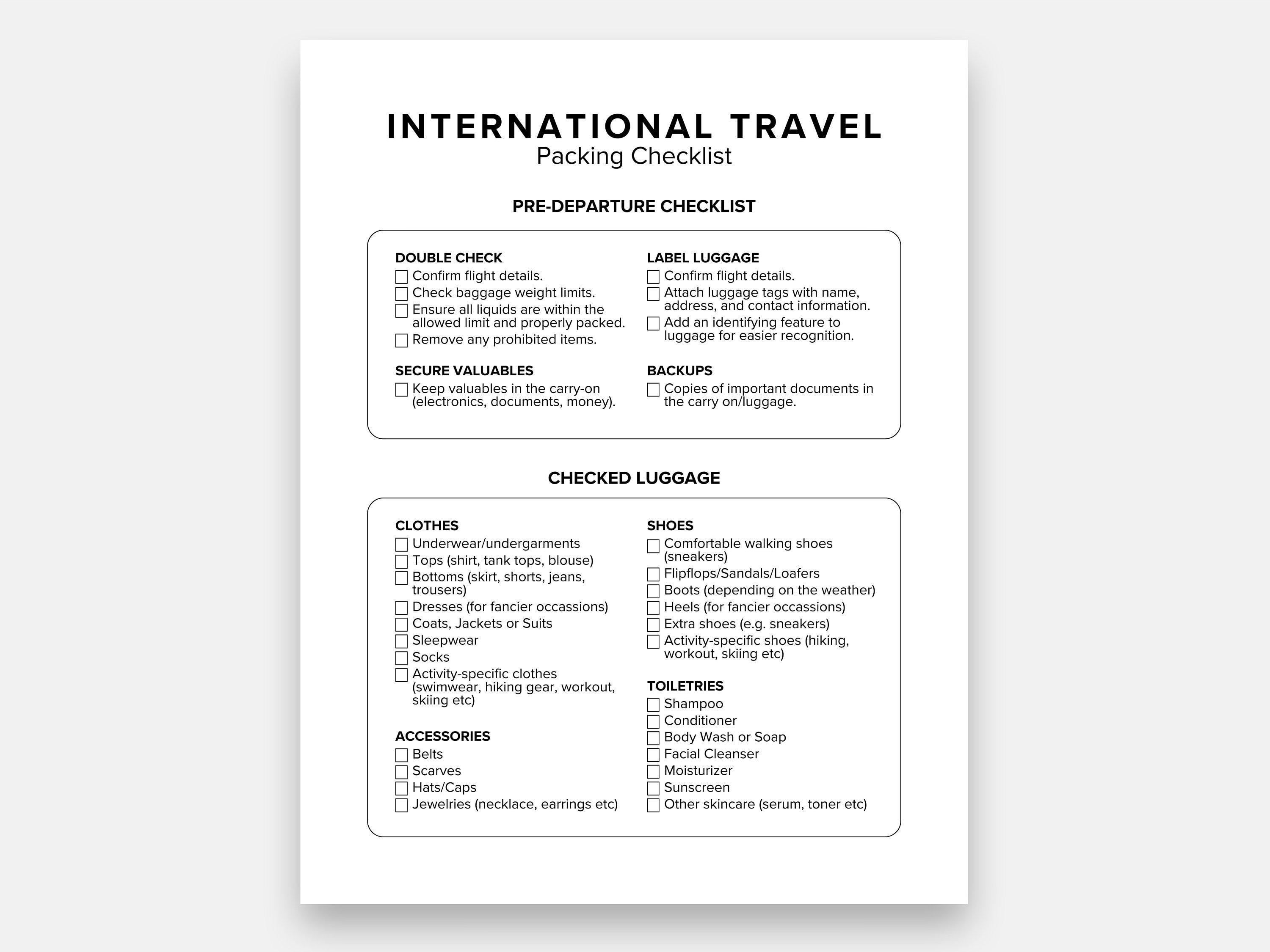
Packing light directly saves money. Budget airlines charge a lot for checked baggage and moving around airports becomes much easier with smaller bags.

Why carry-on travel works well

One backpack makes it easier to:

  • Avoid baggage fees
  • Skip lost luggage problems
  • Use public transport easily
  • Move faster between cities

What travelers actually need

Most people pack too many clothes and forget useful essentials.

Helpful items include:

  • Power bank
  • Universal adapter
  • Basic medicines
  • Reusable bottle
  • Light jacket
  • Comfortable shoes

Packing mistakes that waste money

Try avoiding things like:

  • Too many shoes
  • Large toiletries
  • Heavy electronics
  • Extra outfits you never wear

A simple rule

If you cannot comfortably carry your bag for 20 minutes it is probably too heavy.

Many backpackers now travel for months with only one 40-liter backpack.

Using Public Transport Like a Local

Transport costs grow fast during international trips. Travelers who depend only on taxis usually end up overspending.

Public transport saves huge amounts

Cities with strong transport systems help travelers save a lot including:

  • Tokyo
  • Seoul
  • Singapore
  • Budapest
  • Berlin

Metro rides often cost less than a single taxi trip.

Best transport apps

Useful transport apps include:

Night buses and sleeper trains

Budget travelers often use:

  • Overnight buses
  • Sleeper trains
  • Long-distance budget routes

This saves both transport money and one hotel night.

Example from Europe

Instead of flying between nearby cities many travelers now use:

The slower route often becomes part of the experience itself.

Staying Safe Without Spending Too Much

Budget travel should never mean unsafe travel. Most problems during trips happen because of poor planning not because someone spent less money.

Cheap scams exist everywhere

Common tourist scams include:

  • Fake taxis
  • Currency tricks
  • Tourist menu pricing
  • Ticket fraud
  • Pickpocketing areas

Research local scams before arriving in a new country.

Simple safety habits work best

Good habits include:

  • Avoid showing large amounts of cash
  • Use hotel lockers
  • Share live location with family
  • Download offline maps
  • Keep passport copies online

Why travel insurance still matters

Medical emergencies abroad can destroy savings very quickly. Even budget travelers should still carry travel insurance for:

  • Medical emergencies
  • Flight cancellations
  • Lost baggage

Real example

Missing an international connection can easily cost hundreds in hotels and rebooking fees. Insurance often helps cover those situations if the paperwork is correct.

Good safety planning protects both your money and your peace of mind.

Making Budget Travel Sustainable Long-Term

Many people save for one trip but never build long-term travel habits. Sustainable budgeting makes it easier to keep traveling again and again without financial stress.

Travel funds work better than random saving

Opening a separate travel account helps a lot. Even adding small amounts monthly slowly builds a strong travel budget over time.

Remote work and slow travel are growing

More travelers now:

  • Stay longer in one country
  • Work remotely
  • Rent monthly apartments
  • Use co-working spaces

This often lowers transport costs and creates a better local experience.

Loyalty systems still help

Airline miles hotel rewards and travel credit cards can still be useful if used carefully. The important thing is avoiding unnecessary spending just to earn points.

A healthier travel mindset

Budget travel does not mean suffering or cutting all comfort. It simply means choosing priorities carefully.

Some travelers spend less on hotels so they can:

  • Stay longer
  • Eat better local food
  • Visit more places
  • Enjoy unique experiences

That balance often creates stronger memories than luxury trips focused only on comfort.

Conclusion

International travel in 2026 rewards travelers who stay flexible practical and informed. Cheap travel is no longer only about finding the lowest airfare. It now depends on choosing smart destinations traveling in the right seasons using AI tools wisely handling currency carefully and avoiding small mistakes that slowly increase total trip costs.

The best budget travelers are not always the people spending the least money. They are usually the people making smarter choices. They know when paying extra makes life easier when public transport saves money and when tourist traps are simply not worth it.

Technology has made international travel easier than before. AI tools price prediction apps digital banking and flexible booking platforms now help regular travelers plan trips that once needed travel agents and very large budgets.

The world is still full of affordable experiences local culture beautiful landscapes and meaningful journeys. With careful planning realistic expectations and smart choices international travel in 2026 can fit into far more budgets than most people think.

Leave a Reply

Your email address will not be published. Required fields are marked *