

Many travel budgets fail before the trip begins because they start with one number: the flight price. A cheap ticket can create the illusion of an affordable trip even when hotels, local transport, food, visas, insurance and activities make the final cost much higher than expected.
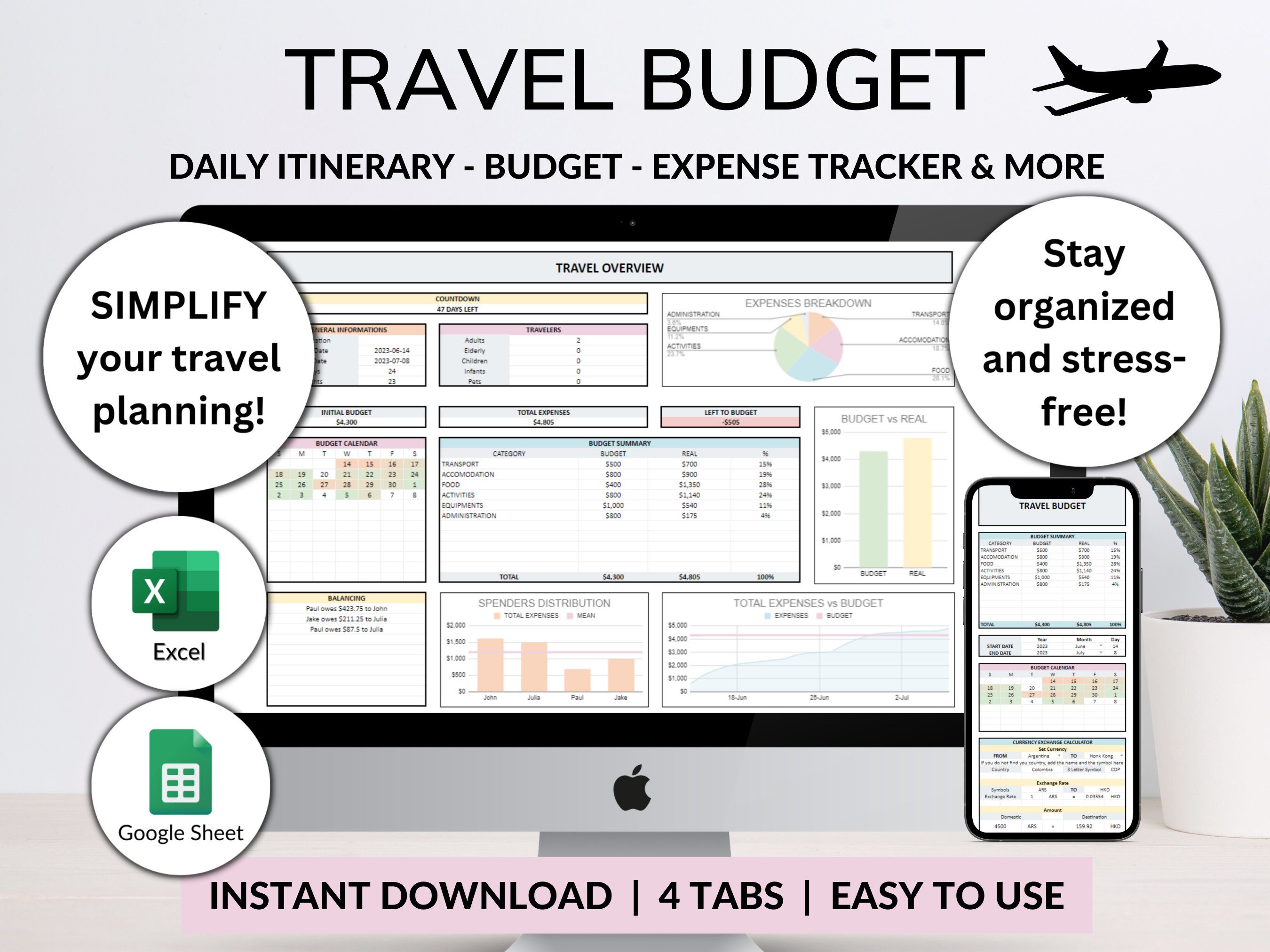
A realistic travel budget works in the opposite direction. Start with the total trip, not one attractive deal. Estimate the major cost categories, add a buffer for uncertainty and decide what matters enough to spend more on. Only after that should you compare flights and hotels.
This guide provides a practical budgeting method that works for city breaks, family holidays, long international trips and multi-city itineraries. Prices change constantly, so the goal is not to predict an exact total months in advance. The goal is to understand the likely cost range before committing money. TourLix’s international budget travel guide offers additional ways to reduce costs after the destination is chosen.
Step 1: Define the Trip Before Pricing It
A budget is meaningless without a clear trip shape. Six nights in one city and six nights across four cities have completely different transport and accommodation costs.
Write down these basics
- Number of travelers.
- Number of nights.
- Destination or route.
- Expected travel season.
- Accommodation level.
- Main activities.
- Preferred transport style.
- Any fixed dates or events.
Do not price a luxury-style itinerary with backpacker assumptions. Decide the comfort level honestly.
Step 2: Set a Maximum Comfortable Total
Before looking at deals, decide what you can spend without creating financial stress afterward. This is a personal number, not an amount suggested by social media.
Separate “can afford” from “want to spend”
You may technically have enough money for a premium hotel, but that does not mean it is the right priority. A good budget protects normal financial responsibilities outside the trip.
Travel is optional spending. Avoid using money needed for rent, debt payments, emergency savings or essential bills simply to match someone else’s vacation style.
Step 3: Create a Per-Person and Whole-Trip View
Group travel can make some categories cheaper per person while making others more expensive overall.
Split costs into two types
- Shared costs: hotel room, taxi, rental car.
- Individual costs: flights, attraction tickets, insurance, meals.
A family should not simply multiply a solo-traveler budget by four because accommodation and local transport may be shared differently.
Step 4: Estimate Transportation Door to Door
Flight cost is only one part of transportation. Include the journey to the departure airport, baggage, seat fees, airport transfers and any intercity transport.
Transportation checklist
- Flights or long-distance rail.
- Checked or cabin baggage fees.
- Seat selection if important.
- Airport train, taxi or shuttle.
- Intercity trains, buses or ferries.
- Rental car, fuel, tolls and parking if relevant.
- Local public transport.
- Potential overnight transit hotel.
On multi-city trips, transfer days can add more cost than expected. TourLix’s multi-city planning guide explains why every hotel change should be treated as a real travel day.
Step 5: Compare Flights Using Total Fare, Not Base Fare
Low-cost tickets can become expensive after baggage, seats and payment fees.
Compare the same travel product
- Same baggage allowance.
- Same refundability.
- Same airport region.
- Similar departure time.
- Similar connection risk.
A slightly more expensive direct flight can provide better value when vacation time is limited.
Step 6: Budget Accommodation by Total Stay, Not Nightly Rate
A hotel advertised at a low nightly rate may add taxes, resort charges, cleaning fees or breakfast costs. Compare the final booking total.
Questions to ask
- Are taxes included?
- Is breakfast included?
- Is there a city or resort fee?
- Are there cleaning charges?
- Does the hotel require a deposit?
- Is cancellation flexible?
- Is parking extra?
Location also affects budget. A cheaper hotel far from the center may require daily taxis. Compare combined accommodation and transport cost.
Step 7: Calculate the Cost of Hotel Location
Travelers often treat location as a convenience issue when it is also a money issue.
Add hidden location costs
- Daily transit passes.
- Late-night taxi rides.
- Airport transfers.
- More expensive dining because alternatives are far away.
- Time lost commuting.
TourLix’s hotel neighborhood guide can help compare locations practically.
Step 8: Build a Daily Food Range
Food spending varies more by travel style than many people realize. A traveler who buys breakfast from a bakery, eats a casual lunch and chooses one restaurant dinner has a very different budget from someone booking hotel restaurants three times a day.
Create three meal levels
| Meal type | Budget approach | Mid-range approach | Premium approach |
|---|---|---|---|
| Breakfast | Grocery/bakery | Cafe | Hotel/full-service restaurant |
| Lunch | Market/street food | Casual restaurant | Destination dining |
| Dinner | Simple local meal | Restaurant | Fine dining |
Choose the column that reflects your real habits, then check current menu prices for the destination.
Step 9: Include Snacks, Drinks and Coffee
Small purchases can add up over a week.
Do not ignore
- Airport meals.
- Coffee.
- Bottled water where needed.
- Snacks during day trips.
- Alcohol or nightlife.
- Delivery fees.
A daily “small spending” line prevents these costs from disappearing from the plan.
Step 10: List Activities Before Estimating Them
Activities become a hidden budget problem when travelers discover after booking that major attractions require expensive tickets.
Separate activities into three groups
- Must do: the reason you chose the destination.
- Nice to do: worthwhile if budget and time allow.
- Free alternatives: parks, neighborhoods, markets and viewpoints.
Price the must-do items first. If the budget is already uncomfortable, the trip needs adjustment before booking.
Step 11: Budget Tours and Tips Properly
A guided activity may list one price while excluding transport, entry fees, meals or customary gratuity.
Before booking, check
- What the tour includes.
- What tickets are separate.
- Hotel pickup.
- Meal inclusion.
- Local tipping practice.
Do not assume your home-country tipping custom applies everywhere.
Step 12: Include Travel Insurance
Insurance is often ignored because it feels less exciting than hotels or activities. The right policy depends on destination, age, health, trip value and planned activities.
Compare more than the premium
- Medical coverage.
- Trip cancellation or interruption.
- Baggage coverage.
- Activity exclusions.
- Deductibles or excess.
- Pre-existing condition rules.
- Emergency assistance.
The World Health Organization’s travel and health guidance advises travelers to obtain appropriate travel insurance and prepare for destination-specific health risks.
Step 13: Budget for Documents and Entry Costs
Passport renewals, visas, electronic authorizations, permits and required documents can add cost. Rules can change, so verify them using official government or immigration sources rather than old travel posts.
Do not book based on a “visa-free” headline
Easy entry may still require a return ticket, proof of accommodation, an online authorization or a passport with minimum validity. TourLix’s easy-entry guide for Indian travelers explains why official verification matters.
Step 14: Add Connectivity Costs
International roaming can be expensive, while a local SIM or eSIM can be cheaper.
Budget for
- Roaming plan.
- SIM/eSIM.
- Portable Wi-Fi if needed.
- Work-related connectivity for remote travelers.
Compare data allowance and hotspot rules rather than headline price alone.
Step 15: Create an Emergency Buffer
A budget with no flexibility is not realistic. Delayed transport, a lost charger, an unexpected taxi or a price change can happen even on a well-planned trip.
How much buffer?
There is no universal percentage. A short city break may need less than a remote multi-country trip. The important point is that emergency money should exist separately from normal daily spending.
Do not plan to spend the buffer. Its purpose is to absorb problems without forcing you to use essential money.
Step 16: Convert Everything Into One Currency
Comparing costs across euros, dollars, yen and local currencies can make a trip look cheaper than it is. Convert all estimated costs into your home currency using a current exchange rate.
Use a range, not one exact rate
Exchange rates move. If the trip is months away, add some margin rather than assuming today’s rate will remain unchanged.
Step 17: Check Card and ATM Fees
Payment costs can quietly increase a trip.
Review
- Foreign transaction fee.
- ATM withdrawal fee.
- Dynamic currency conversion choices.
- Cash advance rules.
Use regulated banking information and your issuer’s fee schedule rather than generic card advice.
A Simple Travel Budget Table
| Category | Estimated amount | Booked amount | Notes |
|---|---|---|---|
| Flights/rail | ___ | ___ | Baggage included? |
| Accommodation | ___ | ___ | Taxes/fees? |
| Local transport | ___ | ___ | Transit pass? |
| Food | ___ | ___ | Daily range |
| Activities | ___ | ___ | Must-do first |
| Insurance | ___ | ___ | Coverage checked? |
| Documents | ___ | ___ | Visa/permit |
| Connectivity | ___ | ___ | SIM/roaming |
| Shopping | ___ | ___ | Optional |
| Emergency buffer | ___ | ___ | Do not pre-spend |
Use Three Budget Scenarios
One estimate creates false confidence. Build low, expected and high scenarios.
Example logic
- Low: good flight price, simple meals, no disruptions.
- Expected: realistic hotels and normal daily spending.
- High: higher fares, extra transport and more paid activities.
If the high scenario would create serious financial stress, reduce the trip before booking.
Decide What You Will Spend More On
Good budgeting is not about choosing the cheapest option every time. It is about spending intentionally.
Examples of smart splurges
- A better hotel location that saves daily transport.
- A direct flight that protects limited vacation time.
- A knowledgeable local guide at an important heritage site.
- A special meal connected to the destination.
- A room with features that matter to your family.
Cut costs in categories you value less rather than making every part of the trip mediocre.
Watch for False Savings
The cheapest option can create expensive side effects.
Common examples
- Remote airport with costly transfer.
- Cheap hotel requiring taxis.
- Ultra-low fare with expensive baggage.
- Nonrefundable room that becomes unusable after a plan change.
- Short connection that creates missed-transport risk.
Book in the Right Order
A practical sequence
- Verify entry rules.
- Estimate the full budget.
- Check flight or rail price range.
- Confirm hotel availability.
- Book major transport.
- Book accommodation with suitable cancellation terms.
- Reserve must-do attractions.
- Buy appropriate insurance.
The order can vary, but avoid buying a cheap flight before checking whether the rest of the trip is affordable.
Review the Budget One Week Before Departure
Update exchange rates, booked totals and expected daily spending. Make sure the emergency buffer still exists and has not been absorbed by optional purchases.
Recheck
- Airport transfer.
- Unpaid hotel taxes.
- Activity balances.
- Insurance documents.
- Cash needs.
- Card limits.
Frequently Asked Questions
How accurate should a travel budget be?
It should be accurate enough to show whether the trip is financially comfortable. Use ranges for uncertain categories rather than pretending every amount is fixed.
What is the biggest budgeting mistake?
Ignoring non-flight costs. Accommodation, local transport, food and activities often determine whether a trip is truly affordable.
Should I include shopping?
Yes, if you realistically expect to shop. Keep it separate from essential travel costs so it can be reduced without affecting the trip.
How often should I update the budget?
Update it whenever a major item is booked and again shortly before departure when exchange rates and local prices are clearer.
Actionable Conclusion
A realistic travel budget is a decision tool, not a restriction. Start with the full trip, estimate every major category, create a buffer and compare low, expected and high scenarios before committing money.
Once the numbers are visible, you can make better choices: fewer cities, a different season, a more convenient hotel or one meaningful splurge. The goal is to return from a trip with good memories—not financial stress caused by costs that were predictable from the beginning.









2 Comments