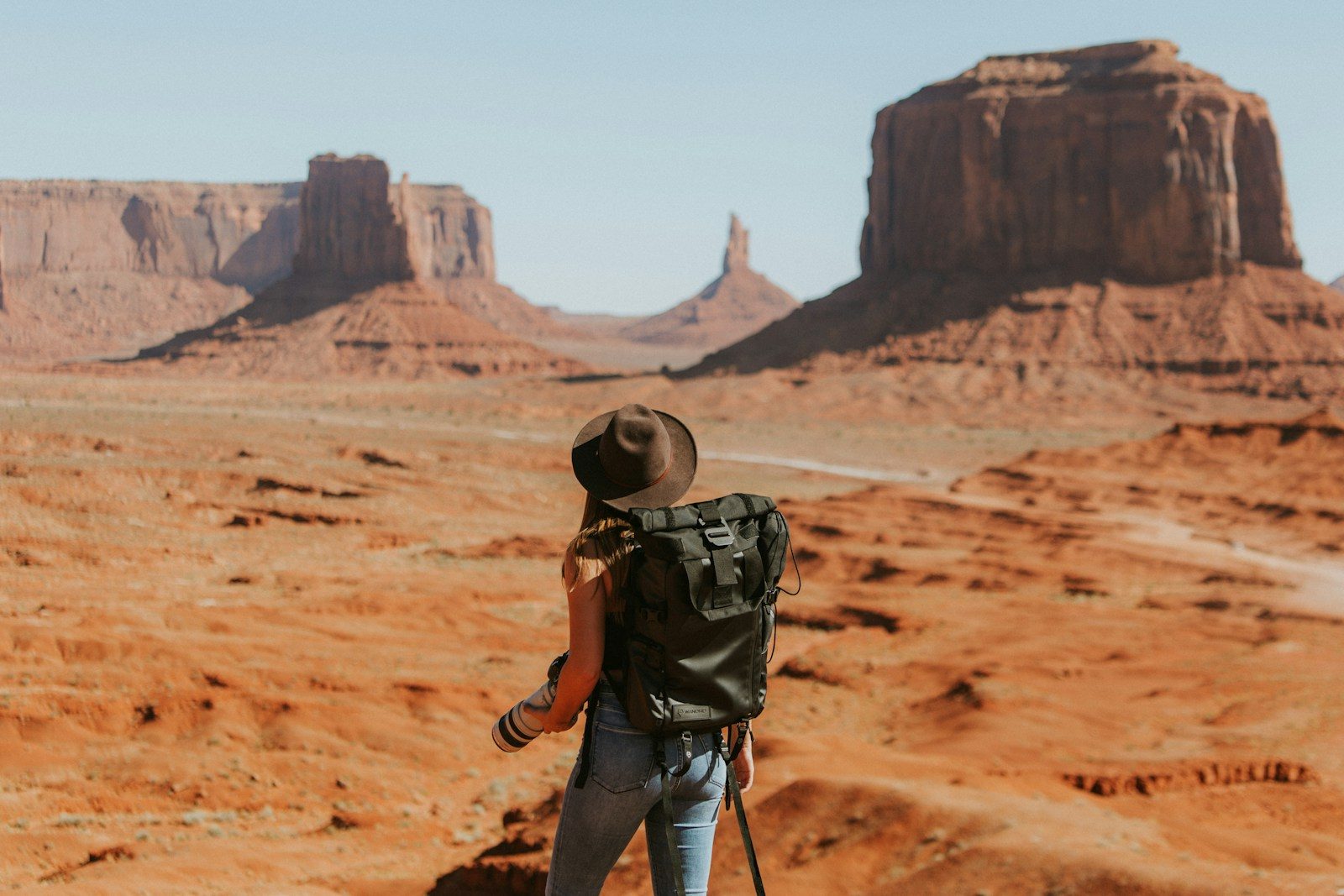
Solo travel has gone from being something only a few people did to something a lot of people now want to try. More first-time travelers are choosing to go alone because it gives them freedom flexibility and a chance to grow on their own.
Thanks to things like remote work budget airlines travel apps and online booking sites like Airbnb and Booking.com planning a trip by yourself feels much easier now than it did a few years ago. Still most beginners worry about the same things safety loneliness planning mistakes language problems or spending more money than expected.
And honestly those worries are completely normal. Your first solo trip can feel exciting one minute and stressful the next. But solo travel is not only for super confident people or expert travelers. Most people who travel alone successfully are just prepared stay aware of what’s happening around them and make smart choices while they travel.
This guide covers simple practical things that help beginners travel safely and feel more comfortable while doing it. It talks about planning budgeting accommodation transport communication health digital safety and small habits that slowly build confidence. A lot of this advice reflects what travelers are already doing in places like Japan Portugal Thailand and Vietnam where solo travel keeps growing among students young professionals and first-time international tourists.
The goal is simple help beginners enjoy solo travel with less stress and more confidence right from the first trip.
Choose the Right Destination for Your First Solo Trip
Your first destination really shapes the whole experience. A lot of beginners choose places only because they saw them on social media but comfort safety and how easy it is to move around matter much more for a first solo trip.
Start With Beginner-Friendly Countries
For your first trip it’s smarter to choose countries known for good public transport tourist support clear signs and lower crime rates. Places with strong tourism systems usually make first-time travelers feel less overwhelmed.
Countries like Singapore Japan and South Korea are often easier for solo travelers because transport systems are organized and many tourist areas support English communication.
It’s also better to keep the trip shorter. A simple five-day trip in one city usually teaches you more than trying to rush across multiple countries in one go.
Match the Destination to Your Travel Style
Choose a place based on what actually feels comfortable to you not what looks impressive online. Some people enjoy quiet beaches while others love museums local food or mountain towns.
Before booking ask yourself a few simple questions:
- Is public transport easy to understand
- Are hotels or hostels affordable
- Is the internet reliable
- Are emergency services dependable
- Does the place feel safe at night
Picking the right destination takes away a lot of pressure and gives beginners time to slowly learn solo travel without feeling completely exhausted.
Plan Your Trip Without Overloading Your Schedule
A lot of first-time travelers try to do way too much. They fill every hour with activities and end up tired stressed and frustrated instead of enjoying the trip.
Keep Your Itinerary Simple
A simple plan usually works best. Instead of trying to visit every famous place choose one or two main things each day and enjoy them properly.
For example someone visiting Tokyo will probably enjoy the trip more by exploring one neighborhood slowly instead of running across the city every few hours.
Leave extra time between activities too because delays confusion weather changes and transport problems happen all the time while traveling.
Build a Backup Plan Before Departure
Good travelers prepare for small problems before they happen. Save copies of important documents both online and offline.
Things worth saving include:
- Passport copies
- Hotel bookings
- Emergency contacts
- Insurance details
- Local transport maps
- Flight information
Apps like Google Maps and TripIt make organizing routes and schedules much easier.
Planning should make travel feel lighter not more stressful. Keeping your schedule flexible makes the whole experience feel calmer and more enjoyable.
Pack Light and Smart for Easier Movement
Heavy luggage becomes annoying very quickly especially when you’re alone. Most beginners pack too much because they worry they’ll need everything. But lighter bags almost always make travel easier.
Focus on Essentials Instead of “Just in Case”
Choose simple clothes that work in different situations. Neutral colors and light layers are easier to manage than carrying huge suitcases filled with extra outfits.
Most travelers quickly realize laundry services are available almost everywhere anyway. Carrying less makes airport transfers train journeys and walking around cities much easier.
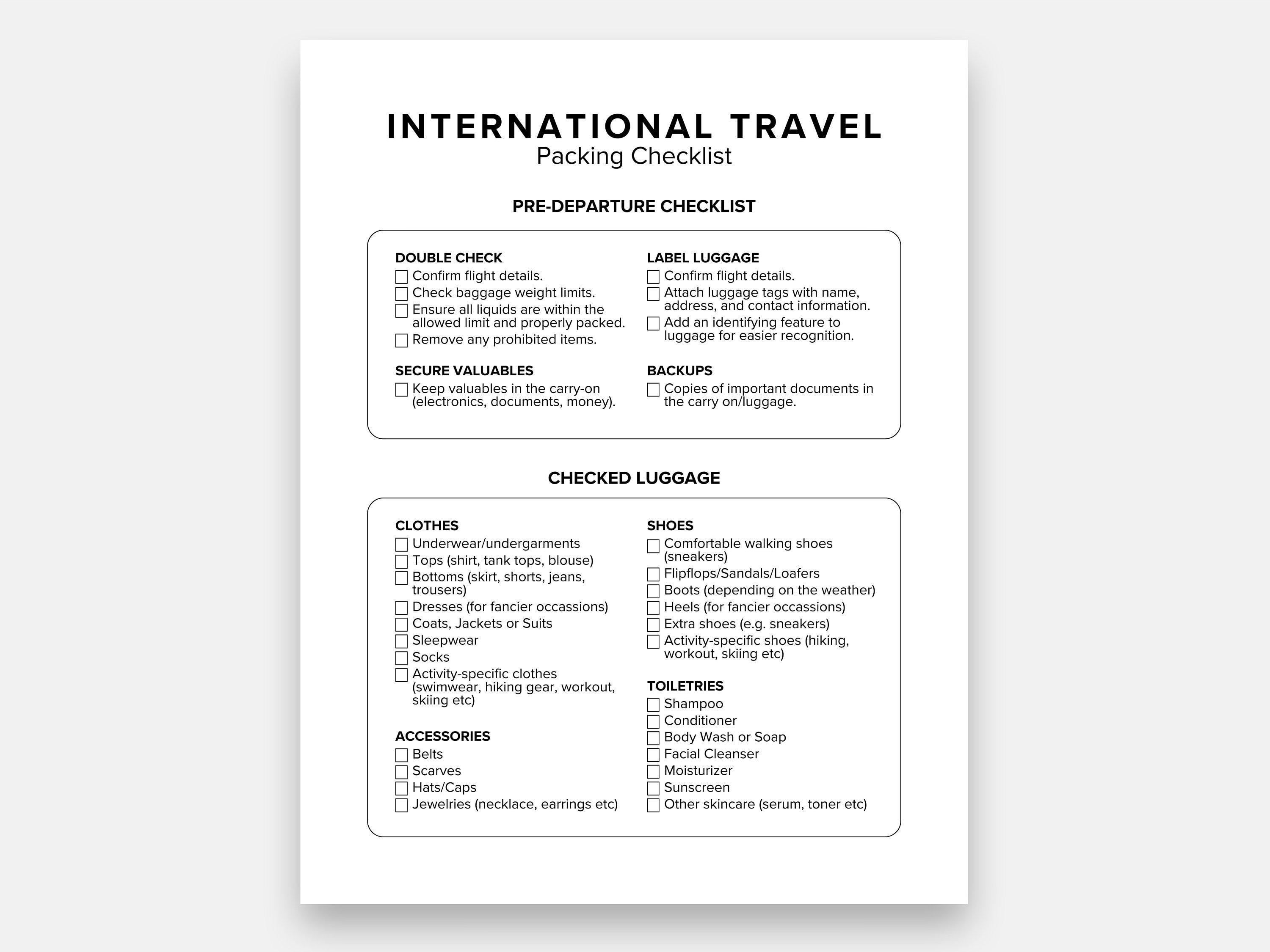
A simple packing setup could include:
- One carry-on bag or backpack
- Comfortable shoes
- Portable charger
- Reusable water bottle
- Small medicine kit
- Universal adapter
Organize Important Items Carefully
Keep passports wallets medicines and chargers somewhere easy to reach. Digging through a giant suitcase during security checks gets stressful fast.
A lot of travelers now use tracking devices like Apple AirTag to keep an eye on luggage during flights and train transfers.
Packing lighter also helps with safety because you stay more mobile and aware of your surroundings.
Stay Safe Without Becoming Fearful
Safety is one of the biggest worries for solo travelers but the goal is not to become paranoid. The goal is to stay aware and avoid unnecessary risks.
Stay Alert in Crowded Areas
Tourist areas train stations airports and nightlife districts are common places for pickpockets and scams because travelers get distracted easily.
Small habits help a lot:
- Keep your bag in front of you
- Don’t flash expensive items
- Stay aware while using your phone in public
- Use official transport services
- Avoid isolated shortcuts at night
Looking confident also matters more than people realize. Travelers who seem calm and aware are less likely to attract trouble.
Trust Your Instincts Early
If a place or person makes you uncomfortable leave immediately. A lot of people ignore bad feelings because they don’t want to seem rude.
Solo travel teaches you to trust your own judgment and that’s important.
Apps like Uber and Grab are useful in many countries because rides are digitally tracked.
Most solo trips are completely safe and simple awareness prevents most problems before they even start.
Choose Accommodation That Supports Solo Travelers
Where you stay affects your comfort sleep safety and budget more than most beginners expect.
Pick Safe and Central Locations
Cheap hotels far outside the city can end up costing more later because of transport issues and safety concerns.
Staying near public transport restaurants and tourist areas makes life much easier especially at night.
Platforms like Booking.com and Airbnb let travelers check recent reviews about safety cleanliness and neighborhoods before booking.
Understand the Difference Between Hostels and Hotels
Hostels are often great for beginners who want to meet people and save money. Many modern hostels now also offer private rooms for extra comfort.
Hotels usually work better for travelers who want more privacy and quiet. In Japan capsule hotels have also become popular because they’re affordable clean and secure.
Before booking check things like:
- 24-hour reception
- Secure lockers
- Women-only dorms if needed
- Area safety at night
- Reliable internet
The right accommodation can make solo travel feel much less stressful especially on a first trip.
Learn How to Handle Money Abroad
Managing money matters more during solo travel because there’s no travel partner to help if something goes wrong.
Use More Than One Payment Method
Experienced travelers never depend on only one card. Keep backup debit or credit cards separate from your main wallet in case something gets lost or stolen.
It’s also smart to carry a small amount of local cash for transport snacks or emergencies since many smaller shops still prefer cash.
Avoid Common Tourist Money Mistakes
Airport exchange counters and tourist areas often give terrible exchange rates. Most travelers save money using trusted ATMs connected to major banks.
Helpful habits include:
- Inform your bank before travel
- Don’t carry huge amounts of cash
- Check ATM surroundings carefully
- Monitor transaction alerts regularly
Apps like XE Currency help travelers track exchange rates while shopping or eating out.
Digital wallets like Google Wallet and Apple Wallet also make payments easier and reduce the need to carry too much cash.
Use Technology to Make Solo Travel Easier
Technology has made solo travel safer and easier than ever before. Phones now work as maps translators wallets booking systems and emergency tools all at once.
Download Useful Apps Before Departure
Don’t wait until you land to install important apps because airport internet can be unreliable and stressful.
Helpful apps for beginners include:
- Google Maps for directions
- Google Translate for language help
- WhatsApp for communication
- Tripadvisor for reviews and local recommendations
Offline maps are especially useful during train rides or in places with weak signals.
Protect Your Digital Privacy
Public Wi-Fi in airports hotels and cafes can expose travelers to scams or hacking risks. Avoid opening banking apps on unsecured networks.
Many travelers use VPN services like Proton VPN or NordVPN for extra privacy.
A power bank also becomes really important during long days because losing phone battery means losing access to maps tickets and emergency contacts too.
Eat Comfortably and Safely While Traveling Alone
Eating alone feels awkward for many beginners at first but most people eventually realize nobody is paying attention anyway.
Start With Casual Dining Environments
Food courts cafes markets and counter-service restaurants usually feel easier than formal restaurants when you’re alone.
In cities like Bangkok and Seoul solo dining is extremely common so nobody really notices.
Busy restaurants also tend to serve fresher food because meals move quickly.
Balance Adventure With Health
Trying local food is one of the best parts of travel but don’t shock your body immediately after landing.
Simple food habits help a lot:
- Drink bottled water where needed
- Eat freshly cooked meals
- Carry small snacks during long days
- Don’t skip meals while sightseeing
Staying fed and hydrated helps your mood energy and decision-making throughout the trip.
Meet People Without Losing Personal Boundaries
A lot of people choose solo travel because they want to meet new people but friendliness and trust are not the same thing.
Choose Safe Social Environments
Walking tours cooking classes hostel events and language exchanges are usually safer ways to meet people than random nightlife situations.
Apps like Meetup also help travelers find local events and hobby groups in many cities.
Protect Your Personal Information
Avoid sharing hotel names room numbers or detailed travel plans with strangers.
Good boundaries include:
- Meeting in public places
- Avoiding too much alcohol with strangers
- Keeping emergency contacts updated
- Leaving situations that feel uncomfortable
Meeting people should make travel more enjoyable not more risky.
Build Confidence Through Small Challenges
Confidence doesn’t magically appear before solo travel. It usually grows little by little during the trip itself.
Focus on Small Daily Wins
Simple things build confidence fast:
- Using public transport alone
- Ordering food in another language
- Finding places without help
- Solving small problems calmly
Every small success teaches you that you can handle unfamiliar situations.
Accept That Mistakes Will Happen
Wrong trains missed turns language confusion and delays happen to almost everyone.
Instead of panicking focus on solving one thing at a time. Calm thinking matters more than perfect planning.
A lot of solo travelers come home feeling more independent because they’ve learned how to make decisions without waiting for others.
Stay Healthy and Rested During Your Trip
Many beginners overfill their schedule because they want to “make the most” of every single day but exhaustion ruins trips faster than slow travel ever will.
Protect Your Energy Levels
Flights weather changes walking all day and irregular sleep can drain you quickly.
Rest is not wasted time. Sometimes a quiet morning helps more than forcing yourself through another crowded attraction.
Create Simple Health Routines
Even during exciting trips basic habits matter:
- Drink enough water
- Sleep properly
- Use sunscreen
- Carry small medicines
- Stretch during long journeys
Travel insurance is important too. Companies like World Nomads and Allianz Partners offer plans designed for international travelers.
Handle Emergencies Calmly and Quickly
Even well-planned trips can go wrong sometimes. Flights get canceled luggage disappears and phones stop working.
Prepare Emergency Information Early
Before traveling save things like:
- Embassy contacts
- Local emergency numbers
- Hotel addresses
- Insurance details
- Backup payment methods
Keeping both digital and printed copies helps a lot if your phone dies or bags get lost.
Respond Step by Step Instead of Panicking
If something important gets stolen:
- Freeze bank cards immediately
- Contact local police
- Inform your embassy if documents are missing
- Change passwords connected to devices
- Contact your insurance provider
Portable chargers help during emergencies too because phones become essential for communication and navigation.
Prepared travelers are not people who avoid every problem. They’re people who recover faster because they already know what to do.
Create Travel Habits You Can Use for Years
Your first solo trip teaches skills that stay useful long after the vacation ends.
Develop Routines That Reduce Stress
Experienced travelers usually follow simple systems before every trip:
- Check passport validity
- Download offline maps
- Prepare backup money
- Save emergency contacts
- Pack light
- Confirm transport plans early
Over time these habits become automatic and make future trips feel easier.
Focus on Experience Instead of Perfection
Social media often makes solo travel look perfect but real travel includes delays confusion tiredness and unexpected changes too.
The goal isn’t creating a flawless story for the internet. The goal is exploring safely learning new things and enjoying your independence at your own pace.
Solo travel gets easier with experience because uncertainty slowly turns into confidence.
Conclusion
Solo travel can feel intimidating at first but beginners do not need expert skills to travel safely and confidently. Good preparation awareness and simple habits make a huge difference during independent trips.
Choosing beginner-friendly destinations packing light protecting your money and documents using trusted transport and staying digitally safe all help reduce stress while traveling. At the same time staying flexible and thinking calmly helps you deal with unexpected problems without falling into panic.
Solo travel also teaches life skills that go far beyond tourism. A lot of people come back feeling more confident organized independent and capable of handling situations on their own.
The biggest thing is starting with realistic expectations. Your first solo trip does not need to be extreme expensive or perfect to be successful. Most enjoyable solo trips come from thoughtful planning balanced confidence and simple everyday habits.
Traveling alone is not about proving you’re fearless. It’s about learning how to move through unfamiliar places with awareness curiosity and trust in yourself.