
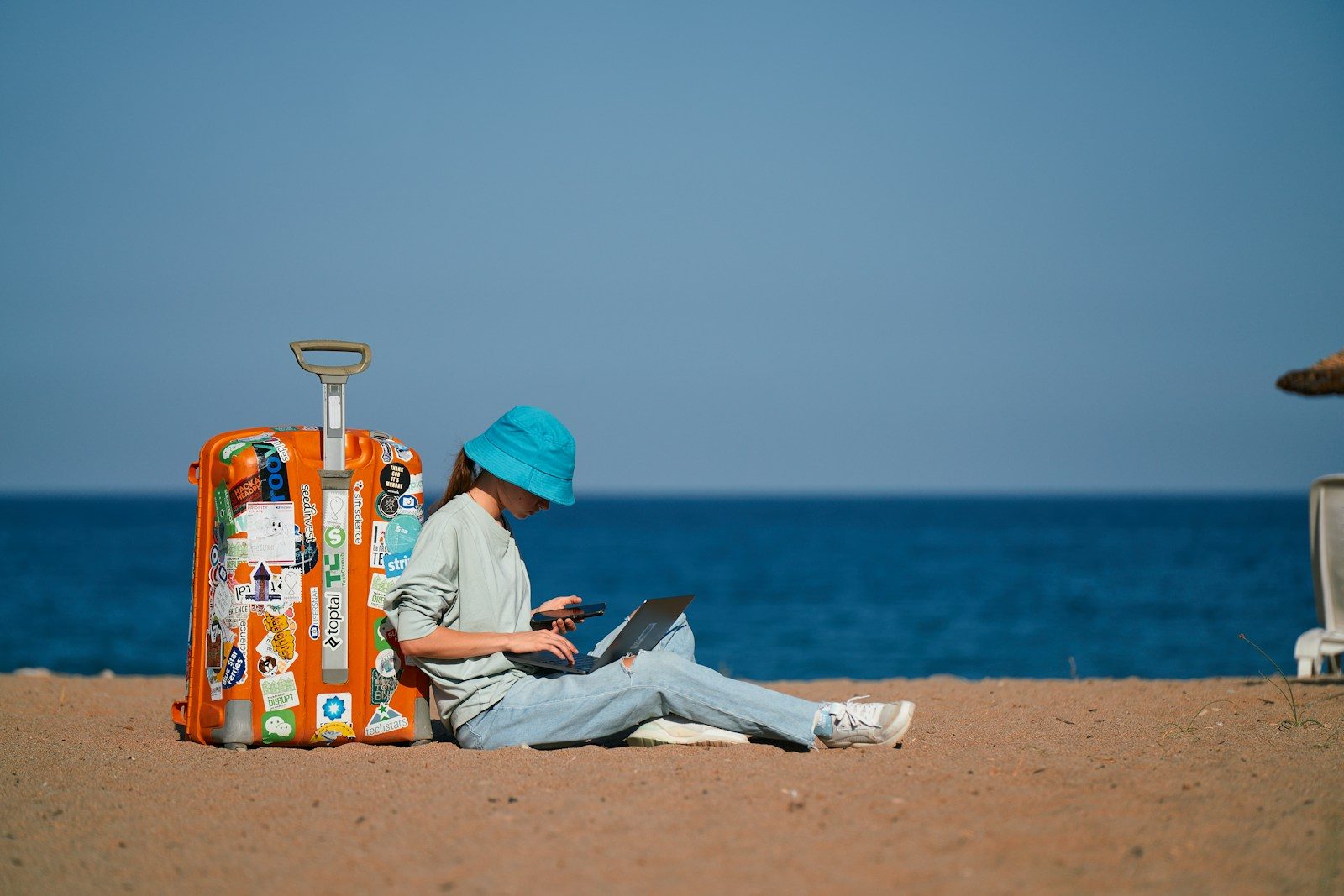
Remote work has changed travel in a huge way over the last few years. A lot of people now move between countries for months while still working full-time from a laptop. This lifestyle is no longer limited to travel influencers or startup founders.
Designers writers marketers developers consultants teachers and support teams now work from almost anywhere as long as internet access stays reliable.
At the same time more countries have started offering remote work visas coworking spaces and long-stay programs because governments know remote workers now contribute to local economies.
<a href=”https://www.weforum.org/” target=”_blank”>World Economic Forum</a>
But long-term travel is very different from a short holiday. Remote workers have to deal with taxes unstable internet time zones burnout healthcare safety and work-life balance. A lot of people begin this lifestyle feeling excited then struggle after a few months because they treat long-term travel like a vacation instead of building systems around it.
This guide explains how to plan remote work travel in a smarter way so it stays productive affordable and sustainable over time. You will learn how to choose better destinations manage money stay healthy protect your work and avoid common mistakes that force many digital nomads to end their trips early.
Choosing the Right Base City
A good city can improve both your work and your daily life while a bad choice can become stressful very quickly. Many new remote workers focus only on cheap rent or trendy social media locations but long-term travel needs a much more practical approach.
Focus on Work Before Tourism
A place may look beautiful online but still fail completely as a remote work base. Stable internet matters more than beaches nightlife or photo spots.
Before booking any stay check:
- Internet speed
- Power reliability
- Mobile network quality
- Coworking spaces
- Safety and transport
Cities like Chiang Mai Bali Lisbon and Medellín became popular because they balance lower costs with solid remote work infrastructure.
Cheap Rent Does Not Always Mean Cheap Living
Some apartments look affordable at first then hidden costs slowly appear.
Things people often forget to calculate:
- Visa extension fees
- Transport expenses
- Healthcare access
- Coworking memberships
- Backup internet plans
- Food quality and availability
Test the Area Before Staying Long-Term
A lot of travelers regret paying for long rentals too early especially in loud tourist areas near bars or clubs.
A better approach is simple:
- Book one week first
- Explore neighborhoods during day and night
- Check nearby cafes grocery stores gyms and pharmacies
- Test transport options personally
The best digital nomad city is not the most famous one. It is the place where your work stays stable and daily life feels manageable without constant stress.
Build a Remote Work Setup That Actually Travels Well
Your work setup affects productivity much more than most people expect. Many travelers develop neck pain poor focus and constant technical issues because they work from uncomfortable spaces with unreliable gear.
Keep Your Equipment Simple
You do not need a giant office setup while traveling. You need reliable tools that are lightweight and easy to carry.
Most experienced remote workers travel with:
- Lightweight laptop
- Noise-canceling headphones
- Portable laptop stand
- Compact keyboard and mouse
- Universal adapter
- Power bank
- Mobile hotspot device
Brands like <a href=”https://www.apple.com/” target=”_blank”>Apple</a> <a href=”https://www.lenovo.com/” target=”_blank”>Lenovo</a> and <a href=”https://www.anker.com/” target=”_blank”>Anker</a> stay popular because they balance portability and reliability well.
Create a Proper Work Environment
Working from beds or crowded cafes every day slowly destroys focus. Coworking spaces help separate work from relaxation and also create structure.
Companies like <a href=”https://www.wework.com/” target=”_blank”>WeWork</a> and <a href=”https://www.impacthub.net/” target=”_blank”>Impact Hub</a> continue growing globally because remote workers need both workspace and community.
Always Prepare for Internet Problems
Internet failures happen constantly during long-term travel so backup plans matter.
Smart backup options include:
- Local SIM cards
- Portable hotspot devices
- Offline file copies
- Cloud backups
- Downloaded meeting files
A lot of remote workers lose clients or miss deadlines simply because they trusted hotel Wi-Fi too much.
Reliable internet is not a travel bonus anymore. For remote workers it is basic work infrastructure.
Managing Time Zones Without Burning Out
Time zones become one of the hardest parts of remote travel after a few months. Many people underestimate how exhausting late-night meetings and irregular sleep schedules become over time.
Match Destinations With Your Work Hours
Before choosing a country calculate how your workday will actually look.
For example someone working with New York clients may struggle badly in Southeast Asia because meetings can happen late at night. European locations often create easier overlap for US-based work.
Some remote workers choose middle-ground destinations while others negotiate flexible hours before traveling.
Protect Your Sleep Routine
Poor sleep quickly destroys productivity focus and mental health. Many nomads slowly start sleeping at random hours just to attend meetings.
Simple ways to protect your schedule:
- Wake up at consistent times
- Avoid daily overnight meetings
- Block focus hours on calendars
- Schedule deep work during high-energy hours
- Leave recovery days after intense weeks
Use Communication Tools Carefully
Apps like <a href=”https://calendar.google.com/” target=”_blank”>Google Calendar</a> and <a href=”https://slack.com/” target=”_blank”>Slack</a> help remote teams communicate globally but nonstop notifications can trap travelers in constant work mode.
Set clear availability hours and let clients know when you are offline.
Remote freedom stops feeling valuable when exhaustion becomes permanent.
Understanding Digital Nomad Visas and Legal Rules
A lot of travelers assume remote work abroad is legally simple but visa laws vary a lot between countries and mistakes can create serious problems.
Tourist Visas Are Not Always Enough
Some countries allow remote work under tourist stays while others expect travelers to apply for dedicated remote work visas.
Countries like Portugal Estonia Croatia and Spain introduced digital nomad visa programs specifically to attract remote workers.
Learn the Financial Requirements
Many digital nomad visas ask for:
- Proof of remote income
- Health insurance
- Clean criminal record
- Bank statements
- Minimum income levels
- Valid passport
Every country sets different rules and stay lengths.
Taxes Matter More Than Most People Realize
Long stays can create tax obligations even if your employer stays in another country.
You should seriously consider talking to an international tax professional if:
- You stay abroad over six months
- You freelance across multiple countries
- You run an online business
- You use international bank accounts regularly
Ignoring taxes may seem harmless early on but problems often appear later during visa renewals banking checks or residency applications.
Good legal preparation protects both your money and your travel freedom.
Budgeting for Long-Term Travel Without Constant Stress
Long-term travel can actually cost less than normal city life when managed properly but poor planning drains savings very quickly.
Build a Monthly System Not a Vacation Budget
Vacation spending habits usually fail during remote travel because this lifestyle is ongoing not temporary.
Your monthly system should include:
- Housing
- Food
- Transport
- Insurance
- Coworking
- Entertainment
- Emergency savings
Track spending weekly because small daily overspending becomes dangerous over time.
Slow Travel Saves More Money
Changing countries every week increases costs fast through flights taxis and expensive short-term stays.
Staying one to three months in one place usually:
- Lowers rent
- Improves productivity
- Reduces burnout
- Creates stronger routines
Platforms like <a href=”https://www.airbnb.com/” target=”_blank”>Airbnb</a> and <a href=”https://www.booking.com/” target=”_blank”>Booking.com</a> often give large monthly discounts compared to nightly rates.
Keep Emergency Money Separate
Unexpected situations always happen during long-term travel.
Common examples include:
- Laptop damage
- Medical emergencies
- Visa delays
- Lost equipment
- Flight cancellations
Many experienced nomads separate money into:
- Daily spending account
- Emergency savings account
- Backup international card
- Business payment account
Financial stability creates far more freedom than constantly chasing the cheapest destination.
Finding Housing That Supports Productivity
Accommodation affects work quality sleep focus and mental health more than most travelers expect.
Function Matters More Than Appearance
Instagram-friendly apartments often hide serious problems like:
- Weak Wi-Fi
- Loud streets
- Bad chairs
- Poor lighting
- Unstable electricity
Always ask hosts for real internet speed tests before booking especially if your work depends on video calls or cloud systems.
Stay Close to Daily Essentials
Walkable neighborhoods reduce daily stress during long stays.
Try staying near:
- Grocery stores
- Cafes
- Pharmacies
- Gyms
- Public transport
Areas like Roma and Condesa in <a href=”https://www.mexicocity.cdmx.gob.mx/” target=”_blank”>Mexico City</a> became popular because they combine coworking spaces cafes and residential comfort.
Avoid Isolation
Working alone in apartments for months can slowly damage motivation and emotional health.
Some remote workers prefer:
- Coliving spaces
- Shared apartments
- Community hostels
- Coworking-linked housing
Housing should support both work and recovery not just social media photos.
Staying Healthy While Constantly Moving
Long-term travel quietly damages health when routines disappear. Many travelers begin healthy then slowly develop poor sleep bad eating habits and inactivity.
Build Simple Repeatable Habits
Complicated fitness plans usually fail while traveling. Simple systems work much better.
Good daily habits include:
- Morning walks
- Short workouts
- Stretch breaks
- Fixed meal times
- Consistent sleep schedules
Consistency matters more than perfect gym access.
Food Strongly Affects Work Performance
Eating restaurant food constantly may feel exciting at first but it often lowers energy after several weeks.
Many experienced travelers rent apartments with kitchens so they can cook basic meals regularly.
Practical nutrition habits:
- Eat high-protein breakfasts
- Stay hydrated during flights
- Choose fresh local foods
- Limit alcohol during work weeks
- Carry healthy snacks while moving
Mental Health Matters Too
Remote work isolation affects many travelers more than expected. Constant movement can create loneliness even inside busy cities.
Coworking communities hobby groups language exchanges and regular calls with family help maintain emotional stability.
Companies like <a href=”https://www.cigna.com/” target=”_blank”>Cigna</a> and <a href=”https://www.allianz.com/” target=”_blank”>Allianz</a> offer international health insurance plans built for long-term travelers.
Good health supports sustainable travel. Poor health eventually damages freedom productivity and finances.
Protecting Your Work and Personal Data
Cybersecurity becomes far more important during international travel because remote workers constantly use public networks and unfamiliar systems.
Public Wi-Fi Needs Extra Caution
Airports hotels cafes and coworking spaces are convenient but not always secure.
Always use trusted VPN services before accessing:
- Bank accounts
- Work systems
- Payment platforms
- Sensitive files
Protect Your Devices Properly
Losing a laptop abroad creates more than replacement costs. It can expose client information private accounts and business systems.
Important security habits:
- Use two-factor authentication
- Store passwords securely
- Encrypt important files
- Keep cloud backups updated
- Avoid unknown USB charging ports
Companies like <a href=”https://www.google.com/” target=”_blank”>Google</a> and <a href=”https://www.microsoft.com/” target=”_blank”>Microsoft</a> continue strengthening remote work security because global cyber risks keep increasing.
Separate Work and Personal Accounts
Mixing personal browsing travel bookings and business systems on the same accounts creates unnecessary risk.
Many experienced remote workers use separate:
- Emails
- Browsers
- Cloud storage systems
- Payment accounts
One stolen device or hacked account can damage months of work so strong security habits matter a lot.
Creating Work-Life Balance While Traveling
A lot of people imagine digital nomad life as nonstop freedom but many travelers actually work longer hours than office employees because boundaries disappear completely.
Travel Fatigue Is Real
Constant movement may look exciting online but airports packing delays and language barriers slowly drain energy.
Slow travel creates far better balance because routines develop naturally over time.
Stop Treating Every Day Like a Vacation
Some new nomads overload schedules with sightseeing while trying to maintain full-time work which quickly creates exhaustion.
A healthier weekly structure often looks like:
- Focused workdays
- Light evening exploration
- One full rest day
- One activity or travel day
Learn to Disconnect From Work
Remote workers often feel pressure to stay available all day because managers cannot physically see them.
Apps like <a href=”https://www.notion.so/” target=”_blank”>Notion</a> and <a href=”https://trello.com/” target=”_blank”>Trello</a> help organize work but good organization alone cannot replace healthy boundaries.
Set proper shutdown times and fully close the laptop sometimes.
Long-term travel becomes meaningful when work supports exploration instead of replacing it.
Building Community While Traveling
Loneliness becomes one of the hardest parts of long-term remote travel. Many nomads move too frequently and struggle to build stable relationships.
Coworking Spaces Help Beyond Productivity
Coworking spaces often become social hubs where travelers naturally meet people with similar lifestyles.
Cities with active remote work communities usually organize:
- Group dinners
- Startup meetups
- Workshops
- Language exchanges
- Weekend trips
Online Communities Also Help
Platforms like <a href=”https://www.facebook.com/” target=”_blank”>Facebook</a> <a href=”https://www.reddit.com/” target=”_blank”>Reddit</a> and <a href=”https://discord.com/” target=”_blank”>Discord</a> host large remote work communities where travelers share practical advice housing recommendations and local events.
Strong Relationships Need Stability
Many long-term nomads eventually slow down because endless short-term friendships become emotionally exhausting.
Better long-term community usually comes from:
- Staying longer in one place
- Joining regular activities
- Returning to favorite cities
- Working from the same coworking spaces repeatedly
Community affects happiness much more than luxury apartments or trendy cafes.
Planning for Emergencies and Unexpected Problems
Long-term travelers deal with situations tourists rarely think about. Preparation reduces panic when plans suddenly change.
Keep Important Documents Accessible
Always keep digital and offline copies of:
- Passport
- Visa papers
- Insurance documents
- Emergency contacts
- Bank details
- Work contracts
Prepare for Banking Problems
Banks sometimes freeze cards because of international activity.
Safer backup systems include:
- Two debit cards
- One credit card
- Emergency cash reserve
- Multiple banking apps
Services from <a href=”https://wise.com/” target=”_blank”>Wise</a> and <a href=”https://www.paypal.com/” target=”_blank”>PayPal</a> help many travelers manage international payments more smoothly.
Always Have Exit Plans
Political problems weather disruptions visa rule changes or health emergencies can force sudden departures.
Know important details like:
- Nearby hospitals
- Embassy locations
- Backup flight routes
- Emergency accommodation options
Preparation may not feel exciting but it protects your safety finances and work during long-term travel.
Adapting to the Future of Remote Work Travel
The digital nomad lifestyle keeps evolving. Remote work remains strong but companies now monitor international work arrangements more carefully than before.
Employers Want More Structure Now
Many companies support remote work but restrict where employees can stay because of tax legal and security concerns.
Future remote workers may increasingly need:
- Approved work locations
- Formal remote agreements
- Better tax planning
- Legal residency documentation
The idea of unrestricted work-from-anywhere freedom is becoming less common.
Skills Matter More Than Location
Workers with specialized skills continue finding remote flexibility more easily than general workers.
Strong remote fields include:
- Software development
- Marketing
- Design
- Consulting
- Online education
- AI-related services
Sustainable Travel Will Matter More
Many travelers now prefer fewer flights longer stays and deeper local experiences instead of nonstop movement.
Remote work travel is no longer experimental. It has become part of the global workforce system.
The people who succeed long-term are usually not the ones chasing constant excitement. They are the ones building stable routines realistic expectations and flexible income systems.
Conclusion
Long-term remote work travel offers freedom flexibility and personal growth but it also requires discipline structure and careful planning. Successful digital nomads do not rely on nonstop excitement. They build systems that support work health finances and relationships while moving between countries and cultures.
The biggest lesson is balance. Choose destinations that support productivity. Protect your health and data. Manage money carefully. Build routines that remain stable even when locations change. Stay legally prepared and avoid treating long-term travel like a permanent vacation.
Remote work continues evolving and governments employers and travelers are all adapting alongside it. The future will likely reward remote workers who combine flexibility with responsibility and long-term thinking.
Digital nomad life is not really about escaping work. It is about creating a way of living where work fits naturally into a more meaningful balanced and flexible life experience.






One Comment