
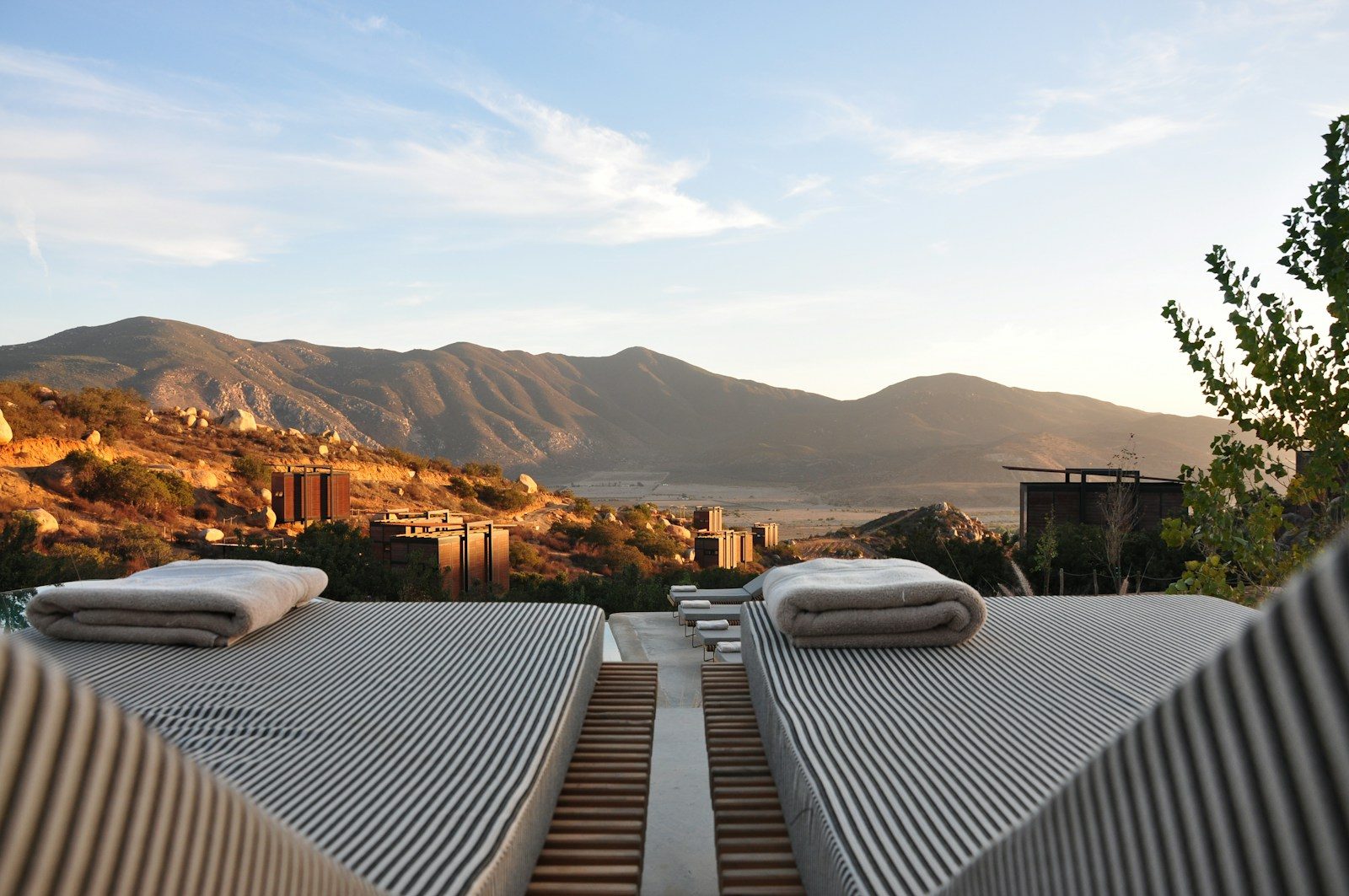
Luxury travel in 2026 feels completely different from what it looked like ten years ago. Travelers are no longer impressed only by giant resorts marble lobbies or huge hotel chains where every room feels exactly the same no matter which city you visit. People now want privacy local culture peaceful spaces personal service and experiences that actually feel real. Because of that boutique hotels have moved right to the center of modern luxury travel.
A boutique hotel usually has fewer rooms unique design and a strong connection to the place around it. These hotels feel personal instead of corporate. Travelers now care more about curated food local art wellness experiences and staff who remember small details about their stay. Reports from Global Hotel Alliance Expedia Group and Hospitality Net continue to show that personalized and experience driven travel is growing fast in 2026.
This also connects with bigger changes in travel habits. Guests now want slower travel meaningful stays and hotels that reflect local identity instead of generic luxury. Boutique hotels fit those expectations much better than many large resorts. From heritage mansions in Europe to eco retreats in Asia and design focused city hotels in places like New York City and Tokyo boutique hospitality has become the new face of luxury travel.
Travelers Want Experiences Instead of Status
Luxury travelers in 2026 are moving away from traditional status symbols. Huge suites crystal chandeliers and flashy interiors do not impress people the same way anymore. Travelers now care more about experiences that feel personal and memorable.
The Shift Toward Meaningful Travel
A lot of travelers today care more about how a place makes them feel than how famous the hotel brand is. That is one of the biggest reasons boutique hotels continue growing across Europe the Middle East India and Southeast Asia. Travel industry reports show that guests increasingly want emotional connection cultural experiences and local storytelling during trips.
For example a small hotel in Jaipur with handcrafted interiors and local cooking workshops can feel much more special than a massive international chain with hundreds of rooms. People remember meaningful human moments far more than luxury labels.
Guests Remember Personal Moments
Boutique hotels succeed because they create small details guests continue talking about long after the trip ends.
Examples include:
- A chef preparing meals inspired by local family recipes
- A hotel guide showing hidden neighborhoods and local spots
- Personalized welcome notes and custom room preferences
- Local artists displaying their work inside guest rooms
Why Emotional Luxury Wins
Modern luxury is now more about emotion than excess. Travelers want calm spaces thoughtful service and experiences that feel authentic. That emotional connection helps boutique hotels build stronger loyalty than many traditional luxury chains.
Hotels connected to local identity also perform really well on social media because guests love sharing experiences that feel unique instead of something copied from every other destination.
Smaller Hotels Feel More Exclusive
One major reason boutique hotels dominate luxury travel in 2026 is exclusivity. Smaller properties naturally feel more private because fewer people stay there at the same time.
Limited Rooms Create Privacy
Many boutique luxury hotels operate with fewer than 50 rooms and some ultra luxury properties offer only 10 to 20 suites. Hospitality industry reports show that low room count has become a huge luxury trend because travelers want quieter more peaceful environments.
Large resorts often struggle during busy seasons. Crowded pools packed breakfast spaces and long spa waiting lists can quickly ruin the luxury feeling. Boutique hotels avoid many of those problems because they serve fewer guests.
Quiet Spaces Matter More Than Ever
Privacy has become one of the biggest luxury features in modern travel. Celebrities couples remote workers and even business travelers now look for calm places where they can disconnect and relax.
Boutique hotels often provide:
- Private dining experiences
- Personalized check ins
- Quiet wellness spaces
- Fewer public crowds
- Flexible guest services
The New Definition of Luxury
In 2026 luxury means peace privacy and personal attention. Travelers are increasingly willing to pay more for smaller hotels because those spaces feel intimate controlled and relaxing.
Even brands like Hyatt have expanded boutique style collections because demand for smaller lifestyle focused hotels keeps growing.
Design Has Become a Major Travel Decision
Modern travelers now choose hotels partly based on design quality. Social media digital storytelling and visual branding have changed the way people book stays.
Boutique Hotels Offer Strong Identity
Large hotel chains often follow standard layouts and predictable interiors. Boutique hotels usually create spaces inspired by local culture architecture art or history.
Travelers now actively search for:
- Restored heritage buildings
- Local craftsmanship
- Nature inspired interiors
- Minimalist wellness spaces
- Bold artistic themes
Hospitality reports from 2026 continue showing that travelers prefer hotels with strong visual identity instead of neutral corporate design.
Guests Want Photogenic Yet Comfortable Spaces
Hotels are no longer just places to sleep. Guests now spend much more time inside properties because they work remotely create content or focus on wellness travel.
Boutique hotels respond with:
- Rooftop lounges
- Designer cafes
- Local art galleries
- Curated libraries
- Outdoor wellness spaces
Design Creates Emotional Memory
People remember spaces that feel different from normal everyday life. A thoughtfully designed room with natural lighting handmade furniture and local textiles often creates a stronger emotional connection than a much larger but generic suite.
Properties like ION Adventure Hotel became globally recognized partly because of their architecture and environmental design.
Local Culture Has Become Part of Luxury
Modern luxury travelers want stronger cultural connection during trips. They no longer want hotels that feel separated from the destination around them.
Travelers Want to Feel the Destination
Many boutique hotels now build experiences around local traditions food music and history. Research from Expedia Group and Global Hotel Alliance shows that cultural immersion has become one of the biggest expectations in luxury travel.
For example a traveler visiting Morocco may prefer staying in a restored riad with traditional meals and local musicians instead of choosing a global hotel chain with generic interiors.
Boutique Hotels Understand Regional Identity
Boutique properties often work closely with nearby artists chefs guides and small businesses which creates deeper travel experiences.
Examples include:
- Wine tours through regional vineyards
- Cooking classes with local families
- Textile workshops with artisans
- Walking tours led by historians
- Traditional wellness treatments
Authenticity Builds Trust
Travelers quickly notice when experiences feel fake or overly commercial. Boutique hotels stand out because many experiences come directly from local communities instead of corporate travel templates.
Hotels that restore heritage buildings or support local crafts also attract travelers who care about responsible tourism and cultural preservation.
Wellness Travel Favors Boutique Properties
Wellness travel keeps growing in 2026 and boutique hotels fit perfectly into that trend.
Guests Want Rest Not Just Vacation
Travelers increasingly book trips to sleep better reduce stress and disconnect from constant digital noise. Luxury travel reports continue showing strong demand for wellness focused hospitality.
Large resorts usually focus on entertainment and nonstop activities while boutique hotels focus more on calm slower experiences.
Personalized Wellness Feels More Effective
Boutique wellness hotels often provide:
- Small yoga sessions
- Private spa treatments
- Meditation gardens
- Organic dining
- Forest walks
- Sleep focused rooms
Because there are fewer guests staff can personalize wellness experiences much more easily.
Cognitive Wellness Is Growing
One major trend in 2026 is cognitive wellness where hotels focus on mental clarity emotional recovery and calmness instead of only physical fitness.
Travelers now value:
- Quiet architecture
- Digital detox spaces
- Nature immersion
- Calm lighting
- Slow dining experiences
Boutique hotels naturally support these needs far better than crowded mega resorts filled with noise and constant activity.
Sustainability Now Influences Booking Decisions
Luxury travelers in 2026 increasingly expect sustainability to be part of the hotel experience.
Conscious Luxury Is Becoming Mainstream
Travel industry reports show travelers now connect sustainability with quality responsibility and modern luxury.
Boutique hotels often adapt faster because they operate on a smaller scale. Many properties already use:
- Local materials
- Organic food sourcing
- Solar power
- Plastic free amenities
- Water saving systems
Guests Prefer Hotels With Purpose
Travelers now research hotel values before making bookings. They want businesses that support local communities and protect natural environments.
Examples include:
- Farm to table dining
- Heritage restoration projects
- Wildlife conservation support
- Partnerships with local artisans
Smaller Scale Helps Sustainability
Large hotel chains sometimes struggle to apply sustainability standards consistently across hundreds of properties. Boutique hotels usually move faster because management remains smaller and more flexible.
Eco luxury hotels also create stronger storytelling around sustainability. Guests enjoy hearing where ingredients come from or how old buildings were restored using traditional techniques.
That transparency builds trust with modern travelers.
Remote Work Has Changed Luxury Hospitality
Remote work continues influencing luxury travel in 2026.
Travelers Blend Work and Leisure
Many professionals now combine work and travel during longer trips. Boutique hotels adapted quickly by creating calm environments that support both productivity and relaxation.
Guests often look for:
- Fast internet
- Quiet workspaces
- Flexible dining
- Comfortable lounges
- Long stay packages
Boutique Hotels Feel More Human
Remote workers often stay for weeks instead of only a few nights. Smaller hotels naturally create stronger personal relationships during longer stays.
Staff members may remember:
- Favorite coffee orders
- Work schedules
- Dietary preferences
- Room setup requests
The Rise of Slow Travel
Travelers increasingly choose fewer destinations and longer stays. This trend benefits boutique hotels because guests spend more time connecting with both the property and the local culture.
Instead of rushing across five cities in one trip many travelers now spend two weeks in a single destination while balancing work and leisure.
That slower style of travel fits boutique hospitality perfectly.
Social Media Rewards Unique Hotels
Visual storytelling completely changed how travelers discover hotels.
Travelers Search for Distinctive Places
People now discover hotels through Instagram YouTube TikTok and travel creators. Generic hotel rooms rarely attract much attention online.
Boutique hotels perform well because they often include:
- Unique architecture
- Local design elements
- Scenic rooftop spaces
- Artistic interiors
- Personalized guest experiences
Experiences Drive Organic Marketing
Travelers naturally share experiences that feel rare visually beautiful or emotionally memorable.
Examples include:
- Floating breakfasts
- Candlelit cave spas
- Mountain view bathtubs
- Heritage courtyards
- Private cultural dinners
Storytelling Beats Advertising
Modern travelers trust real guest experiences more than polished advertisements. Boutique hotels benefit because guests create free marketing through photos videos and honest reviews.
Hotels that feel authentic usually generate much stronger engagement online which helps smaller independent properties compete against giant hotel brands without massive advertising budgets.
Luxury Travelers Prefer Flexible Service
Rigid hotel systems frustrate many modern travelers. Boutique hotels usually provide more flexible hospitality.
Guests Expect Customization
Travelers increasingly want services tailored around their schedules interests and habits.
Boutique hotels commonly offer:
- Flexible meal timing
- Customized itineraries
- Personalized room setups
- Local activity planning
- Private transportation support
Staff Interaction Feels More Natural
In smaller hotels staff members interact directly with guests more often which creates warmer communication and faster solutions.
Instead of contacting multiple departments guests usually speak with the same people throughout the stay.
Human Service Matters More in 2026
Technology helps hotels operate efficiently but luxury travelers still want genuine human warmth. Hospitality reports continue showing that guests prefer balance between digital convenience and real personal service.
Boutique hotels succeed because they use technology to improve the experience instead of replacing human interaction completely.
Heritage Hotels Are Growing Fast
Historic buildings have become incredibly valuable in modern luxury travel.
Travelers Want Character and Story
Many boutique hotels now operate inside restored palaces mansions monasteries factories and colonial homes. Travel trend reports from 2026 show strong interest in heritage hospitality experiences.
People enjoy staying in places with historical meaning because those spaces create emotional depth.
Restoration Creates Unique Experiences
A restored heritage hotel often offers:
- Original architecture
- Antique furniture
- Regional craftsmanship
- Historic storytelling
- Traditional cuisine
Heritage Feels More Memorable
Modern travelers increasingly avoid copy paste luxury experiences. Historic boutique hotels provide uniqueness that large hotel developments struggle to recreate.
This trend is especially strong in destinations like Italy Morocco Spain India and Japan where heritage buildings naturally connect travelers with local history.
Food Has Become a Luxury Travel Driver
Dining now plays a major role in hotel selection.
Boutique Hotels Focus on Curated Dining
Instead of giant buffet systems boutique hotels usually create smaller higher quality food experiences.
Guests increasingly prefer:
- Seasonal menus
- Local ingredients
- Chef led tastings
- Farm to table dining
- Regional recipes
Culinary Identity Matters
Travelers remember food experiences very strongly. Boutique hotels often build their dining around local culture instead of international standardization.
Examples include:
- Tuscan cooking workshops
- Japanese omakase dinners
- Indian regional tasting menus
- Mediterranean vineyard lunches
Food Connects Guests to Place
Luxury travelers increasingly use food to understand local culture. Boutique hotels support this perfectly by creating immersive dining experiences instead of generic restaurant menus.
Hotels connected to vineyards farms or regional culinary traditions benefit especially well from this growing demand.
Big Hotel Brands Are Copying Boutique Strategies
One of the clearest signs of boutique hotel dominance is that major hotel companies are changing their own business models.
Lifestyle Collections Keep Expanding
Brands like Hyatt and Airbnb increasingly promote boutique style and independent focused stays.
Large hospitality companies understand that younger luxury travelers want:
- Smaller hotels
- Stronger identity
- Local experiences
- Design focused stays
Independent Hotels Influence the Industry
Many large hotel chains now redesign spaces to feel more intimate and community driven.
Common changes include:
- Smaller lounge concepts
- Local artwork
- Personalized guest messaging
- Flexible social spaces
- Neighborhood partnerships
Boutique Hospitality Became the Standard
What once felt like a niche travel style has now influenced the entire luxury hospitality industry. Even major hotel brands now market themselves using words like curated local and personalized because traveler expectations have permanently changed.
Boutique hotels helped create that shift.
Conclusion
Boutique hotels dominate luxury travel in 2026 because they match what modern travelers truly care about. Guests now prioritize authenticity privacy local culture wellness thoughtful service and emotional connection more than traditional forms of luxury.
Smaller hotels succeed because they create experiences that feel personal instead of corporate. Travelers remember meaningful details local stories calm spaces and genuine hospitality far more than oversized lobbies or mass market luxury branding.
The hospitality industry clearly reflects this change. Research from major travel companies and hotel experts continues to show that personalization sustainability cultural immersion and wellness are shaping travel behavior worldwide.
Boutique hotels are no longer a niche choice for a small group of travelers. They now represent the future direction of luxury travel itself. As people continue choosing experiences over excess boutique hospitality will likely remain one of the strongest forces shaping modern global travel.





One Comment