
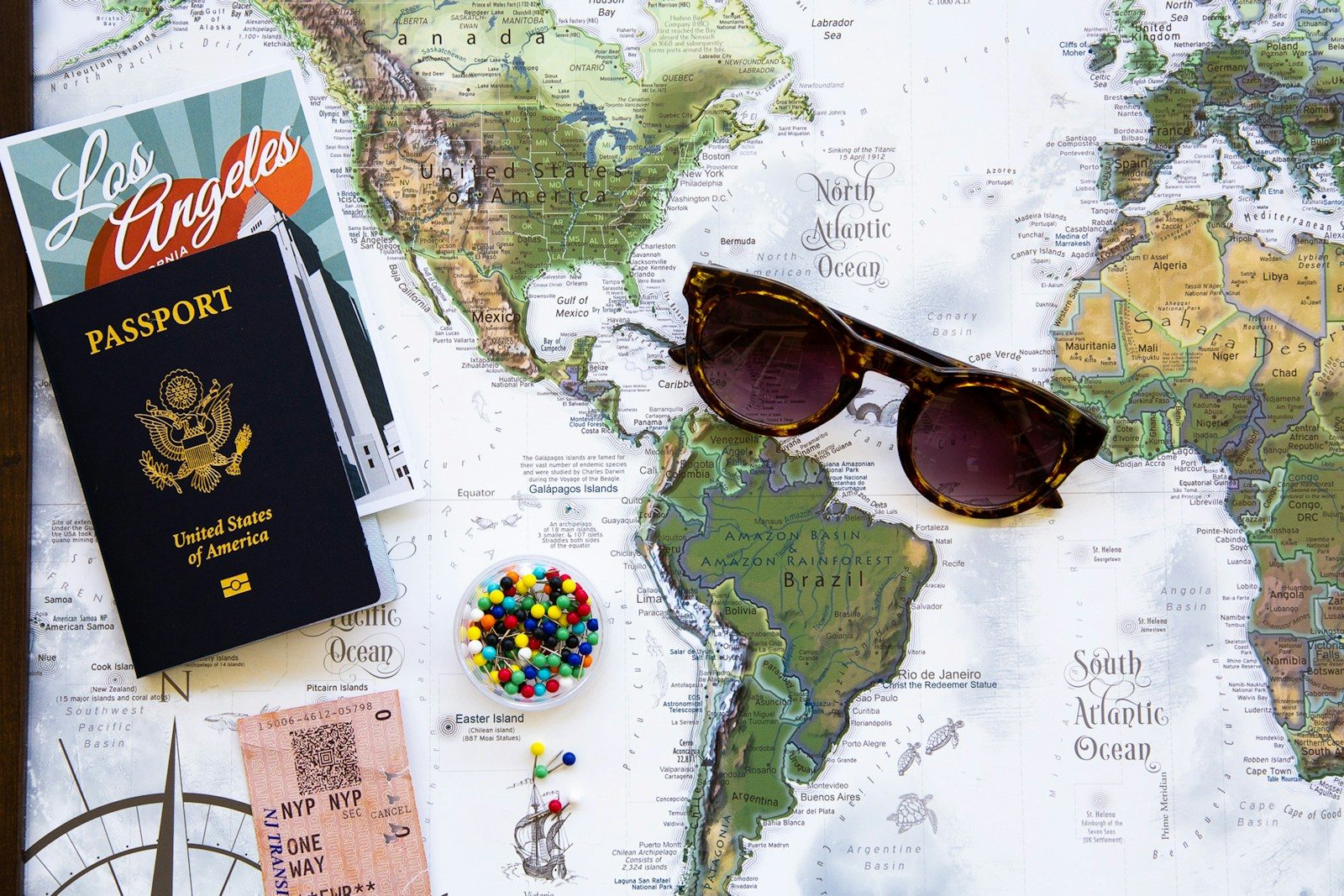
International travel feels easier now than it ever did before. Millions of people travel every year for work study vacations remote jobs medical treatment or to visit family. Flights are faster online bookings take minutes and travel apps make moving around much simpler.
But travel today also comes with new risks like online scams identity theft fake taxis flight disruptions health emergencies and even political problems in some places. A safe trip now depends just as much on preparation as excitement.
Most travelers also depend heavily on smartphones digital payments booking apps and public Wi-Fi during trips. That makes travel convenient but it also creates opportunities for cybercrime and fraud. One small mistake in another country can lead to lost money stolen accounts passport issues or unsafe situations. That’s why smart planning matters before you even leave home.
This guide covers practical travel safety tips that real travelers use today. It talks about airport safety hotel security digital protection transportation food and health concerns solo travel emergency planning and family travel precautions. A lot of this advice reflects current travel trends and situations travelers face in places like Japan Thailand Italy and United Arab Emirates.
The goal is simple help travelers stay aware confident and prepared without feeling scared or confused.
Plan Your Trip Before You Leave
Travel safety starts long before you reach the airport. A lot of travel problems happen because people rush bookings ignore visa rules or fail to check local conditions properly. A good plan lowers stress and helps you react faster if something goes wrong.
Research Local Rules and Risks
Every country has different laws customs and safety concerns. Some places have strict rules about photography medicines public behavior or drone use. Before booking flights it’s smart to check official government travel advisories and embassy websites.
Weather matters too. Floods storms heatwaves transport strikes or protests can seriously affect a trip. Parts of Southeast Asia for example deal with heavy monsoon seasons during certain months while some European cities regularly face transport strikes during busy tourist periods.
Create a Backup Travel Folder
Keep these things saved both online and offline:
- Passport copies
- Visa documents
- Hotel bookings
- Insurance papers
- Emergency contacts
- Flight details
- Local embassy addresses
Apps like Google Drive and Dropbox help travelers access documents if a phone or bag gets lost. It’s also smart to keep one printed copy inside separate luggage.
Good preparation reduces panic and gives travelers more control during unexpected situations.
Keep Your Passport and Documents Safe
Your passport is probably the most important thing you carry during international travel. Losing it abroad can create delays financial problems and a lot of stress. Many travelers become careless after arriving and leave documents exposed in hotel rooms backpacks or cafes.
Use Smart Storage Methods
Carry your passport in a secure cross-body bag neck pouch or hidden money belt when moving through crowded places. Avoid putting it in back pockets or loose handbags especially in tourist-heavy areas where pickpocketing is common.
A lot of experienced travelers leave the original passport inside the hotel safe and carry a photocopy while exploring nearby areas. But some countries legally require foreigners to carry original identification so checking local laws matters.
Protect Against Digital Theft
Passport theft can also happen online now. Avoid uploading clear passport photos to random websites or sharing documents through public Wi-Fi.
Use secure hotel internet or mobile data when accessing travel accounts. At airports and immigration counters stay alert when handing over documents and always double-check you receive everything back before walking away.
If a passport gets lost contact the nearest embassy immediately. Having digital copies already saved can reduce days of stress during replacement procedures.
Stay Safe at Airports and During Flights
Airports are busy stressful places where travelers often become distracted tired or rushed. That makes them easier targets for scams theft and mistakes.
Arrive With Time to Think Clearly
Travelers who arrive late often make rushed decisions skip important checks or forget things under pressure. Getting to the airport early gives enough time to verify luggage tags gates and immigration forms properly.
Keep valuables like passports medicines wallets laptops and chargers in cabin baggage instead of checked luggage. Bags can get delayed lost or opened during transit.
Many travelers now use devices like Apple AirTag to track luggage during flights and transfers.
Watch for Common Airport Scams
Some common airport scams include:
- Fake taxi drivers approaching travelers
- Unofficial baggage helpers demanding money
- Fake exchange counters
- Strangers asking you to carry bags
Never accept luggage or packages from unknown people even if the request sounds harmless.
During flights avoid showing expensive jewelry or large amounts of cash openly. Long international flights also reduce awareness because travelers become exhausted and dehydrated. Drink water regularly and walk around when allowed to stay more alert after landing.
Most airport safety comes down to staying calm organized and aware.
Choose Safe Hotels and Accommodation
Where you stay affects almost every part of the trip including safety sleep comfort and peace of mind.
Check Reviews Beyond Price
Cheap hotels sometimes sacrifice security to lower costs. Before booking check recent reviews on platforms like Booking.com and Airbnb.
Focus more on comments about:
- Neighborhood safety
- Room locks
- Staff behavior
- Cleanliness
- Building security
Location matters more than luxury. A simple hotel in a safe area is usually better than a luxury stay in an isolated neighborhood.
Inspect the Room Immediately
After entering the room:
- Test locks and windows
- Find emergency exits
- Check smoke detectors
- Use the hotel safe if available
- Avoid saying your room number loudly in public
Solo travelers especially should avoid announcing they are alone.
Some travelers also carry portable door locks or compact alarms for extra security in budget stays and rentals.
A safe hotel helps travelers relax properly during demanding international trips.
Protect Yourself From Online Scams and Cybercrime
Travel today depends heavily on digital systems. People use phones for maps banking transport bookings payments and communication which means cybercriminals now target tourists heavily.
Avoid Unsafe Public Wi-Fi
Free Wi-Fi in airports cafes and hotels may seem convenient but unsecured networks can expose passwords banking details and personal data.
Avoid accessing sensitive accounts on public internet connections. Mobile data or VPN services provide safer protection.
Services like NordVPN and Proton VPN are commonly used by travelers for safer browsing.
Watch for Fake Booking Messages
Many travelers now receive fake emails or texts pretending to come from airlines hotels or booking websites.
Before clicking anything:
- Check sender details carefully
- Visit official websites directly
- Avoid downloading unknown attachments
- Turn on two-factor authentication
Digital payment tools like Google Wallet and Apple Wallet also reduce risk compared to carrying large amounts of cash.
Today cyber safety is just as important as physical safety while traveling.
Use Transportation Carefully in Foreign Countries
Transportation confusion is one of the biggest challenges travelers face abroad. Different languages road systems taxi practices and transport apps can quickly create risky situations.
Choose Trusted Transport Services
Use official airport taxis verified ride apps or drivers recommended by hotels whenever possible.
Before getting inside a vehicle:
- Verify the license plate
- Check driver details in the app
- Share trip information with someone trusted
- Avoid isolated pickup locations
Apps like Uber and Grab offer trip tracking in many countries and usually feel safer than random street taxis.
Stay Alert on Public Transport
Crowded trains and buses attract pickpockets especially in tourist cities.
Keep your bag in front of you instead of behind your back and avoid sleeping deeply during long rides when carrying valuables.
Late-night arrivals also require extra care. Arrange transportation before landing instead of searching outside unfamiliar stations after midnight.
In some countries road behavior can feel very different from what travelers expect. Watch how locals move before crossing streets or renting scooters.
Smart transportation habits lower both physical and financial risks during travel.
Manage Money Without Drawing Attention
Money problems can ruin a trip quickly. Many travelers carry too much cash exchange currency in tourist zones or openly display wallets and phones.
Use Multiple Payment Methods
Experienced travelers rarely depend on one card or wallet only.
A safer setup includes:
- Credit cards
- Small amounts of local cash
- Backup cards stored separately
- Secure digital payment options
Keep emergency money somewhere separate from your everyday spending wallet.
Banks should also know about travel plans because unusual international transactions sometimes freeze cards automatically.
Avoid Risky Currency Exchanges
Exchange counters in tourist areas often charge poor rates and high fees.
Use trusted ATMs connected to major banks like HSBC or Citibank where available.
Avoid counting large amounts of money publicly in markets train stations or crowded attractions.
Some scammers also work in groups distracting travelers with petitions fake charity requests or arguments while another person steals valuables nearby.
Good money habits are mostly about reducing visibility and lowering risk.
Stay Healthy During International Travel
Health issues abroad can become stressful quickly especially when travelers don’t understand local hospitals pharmacies or emergency systems.
Prepare a Basic Health Kit
Carry important medicines in original packaging along with prescriptions if needed. Some countries restrict certain medicines so checking rules before departure matters.
A simple travel health kit can include:
- Pain relief medicine
- Motion sickness tablets
- Bandages
- Electrolyte packets
- Hand sanitizer
- Prescription medicine copies
Travel insurance matters too. Companies like Allianz Partners and World Nomads provide plans covering medical emergencies cancellations and lost baggage.
Be Careful With Food and Water
Busy restaurants are often safer because food turnover stays high and meals are fresher.
Drink bottled or filtered water where tap water safety is uncertain. Street food can still be safe if it’s freshly cooked and served hot.
Long flights weather changes and packed schedules also increase dehydration and exhaustion. Rest properly during your first few days instead of trying to do everything immediately.
Healthy travelers usually think ahead instead of reacting after problems happen.
Understand Local Culture and Laws
Many travel problems happen because tourists accidentally ignore local customs or laws.
Learn Basic Social Expectations
Greeting styles dress codes tipping habits and public behavior vary across countries. In some places loud behavior on public transport seems rude while other destinations expect modest clothing at religious sites.
Learning a few local words for help directions emergencies and food allergies can also reduce confusion during stressful situations.
Avoid Legal Mistakes Tourists Often Make
Many travelers wrongly assume rules are relaxed for tourists.
Common mistakes include:
- Flying drones illegally
- Taking photos in restricted areas
- Carrying banned medicines
- Overstaying visas
- Drinking alcohol in restricted zones
Places like Singapore and United Arab Emirates are known for strict law enforcement regarding public conduct and restricted items.
Respecting local culture also improves interactions with residents and often leads to better experiences overall.
Safety Tips for Solo Travelers
Solo travel keeps growing because people want flexibility freedom and personal experiences. But traveling alone also requires stronger awareness and preparation.
Share Your Plans With Someone Trusted
Before moving between cities or countries share hotel details transport plans and arrival times with someone you trust.
Regular check-ins help others react faster if communication suddenly stops.
Avoid posting real-time travel locations publicly on social media because it exposes routines and accommodation details.
Build Confidence Without Taking Risks
Looking calm and confident matters during solo travel. People who seem lost or distracted often attract scammers.
Helpful solo travel habits include:
- Arriving during daylight when possible
- Avoiding isolated nightlife areas
- Keeping emergency contacts easy to access
- Trusting your instincts in uncomfortable situations
Female travelers especially often choose accommodations with strong safety reviews and central locations.
Solo travel can still be very safe when balanced with awareness preparation and common sense.
Handle Emergencies Without Panic
Even well-planned trips can face unexpected problems like canceled flights lost phones stolen wallets or natural disasters.
Know Local Emergency Systems
Emergency numbers change from country to country so save local police ambulance embassy and airline support numbers after arrival.
Hotel staff can help during emergencies but travelers should not depend only on hotels during major disruptions.
Create a Fast Response Plan
If something important gets stolen:
- Freeze bank cards immediately
- Report the theft to police
- Contact the embassy if documents are missing
- Inform insurance providers
- Change passwords linked to stolen devices
Portable power banks also help during emergencies because dead phones quickly create communication and navigation problems.
During protests or political unrest avoid crowded gathering areas and follow verified government information instead of social media rumors.
Prepared travelers may still face problems but they usually recover much faster.
Travel Safety for Families and Children
Traveling with children needs extra planning because kids can become separated tired or overwhelmed very quickly in crowded places.
Keep Children Easy to Identify
Young children should know their parent names hotel details and emergency contact numbers.
Some parents place contact cards inside children’s bags or pockets in case they get lost.
Busy airports theme parks and tourist attractions are common places where families become separated.
Reduce Stress During Long Journeys
Long flights changing schedules and unfamiliar food can make travel exhausting for children.
Helpful family travel habits include:
- Booking seats together early
- Arriving at airports ahead of time
- Using child tracking wearables in crowded places
- Taking regular breaks during tours
Families should also confirm child safety standards in hotels and transportation before booking because regulations differ across countries.
Well-planned family trips usually feel safer calmer and more enjoyable for everyone.
Build Smart Travel Habits That Last
Travel safety is not about fear. It’s about building simple habits that work across airports hotels cities and transport systems.
Stay Aware Without Becoming Anxious
Most trips happen safely. Awareness simply helps travelers notice problems earlier.
Avoid walking through crowded areas while staring at your phone because small distractions often lead to theft missed transport or confusion.
Learn From Each Trip
Every trip teaches something useful. Most travelers slowly improve their packing planning budgeting and organization over time.
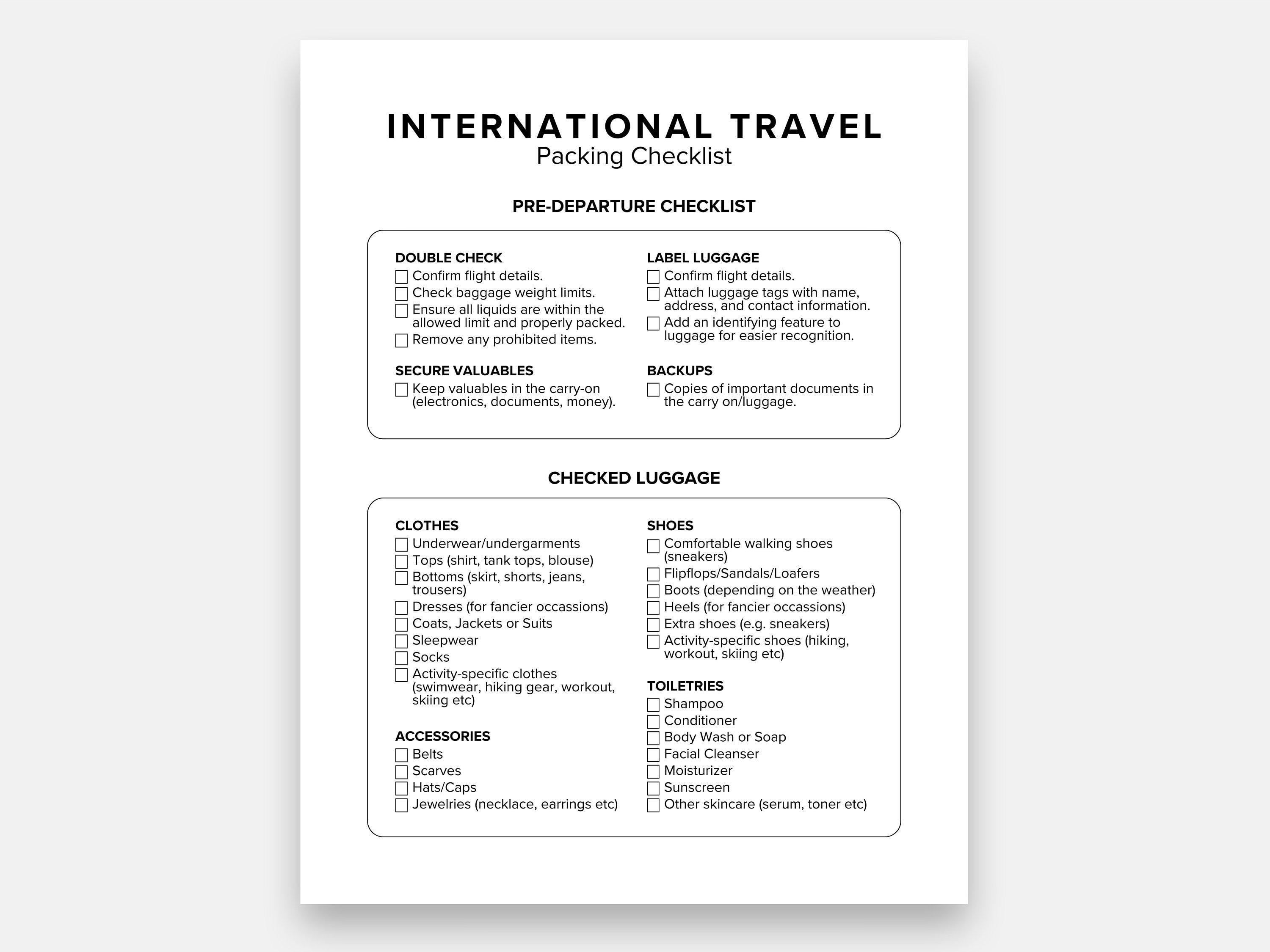
A simple checklist before every trip helps reduce mistakes:
- Check passport validity
- Confirm visa rules
- Download offline maps
- Save emergency contacts
- Verify insurance coverage
- Prepare backup payments
Apps like Google Maps XE Currency and TripIt help travelers stay organized throughout trips.
Travel safety gets easier when preparation becomes habit instead of last-minute panic.
Conclusion
International travel brings new experiences opportunities cultures and personal growth. At the same time modern travel requires stronger awareness because today’s risks include both physical and digital threats.
Safe travel does not require fear or extreme caution. It comes from preparation smart habits and calm decision-making.
Travelers who research destinations protect documents use secure transportation manage money carefully and respect local culture usually avoid most major problems. Technology can also improve safety when used wisely through secure apps emergency planning digital backups and verified booking platforms.
The biggest lesson is simple safety creates freedom. Travelers who prepare properly spend less time solving problems and more time enjoying the journey.
A safe traveler is not someone who avoids the world. A safe traveler is someone who knows how to move through it with awareness respect and practical planning.


One Comment